EV Home Charging: How Much Does It Really Cost to Charge at Home in 2026?
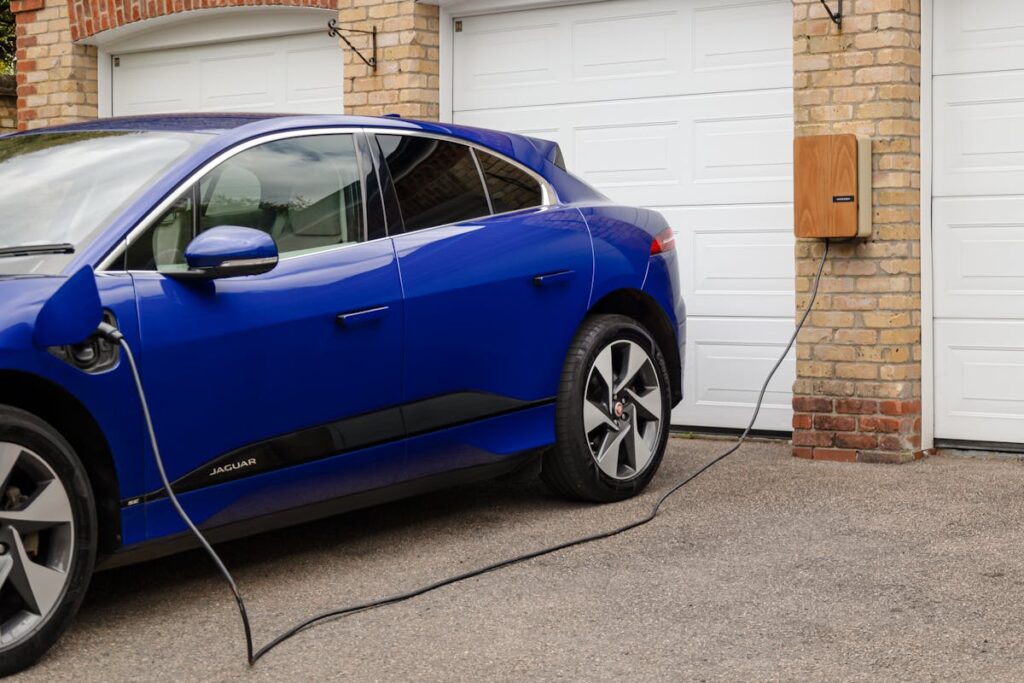
Update (June 2026): The OZEV Electric Vehicle Chargepoint Grant provides £500 per socket towards home charger installation for eligible renters and flat owners (increased from April 2026).
Electric vehicles are getting cheaper to buy, but the real savings come from what happens after you drive one home. Home charging is where EV ownership becomes genuinely affordable. This guide breaks down exactly what it costs to charge an electric car at home in the UK in 2026, using current electricity rates and real-world battery sizes.
How Much Does It Cost to Charge an Electric Car at Home in the UK?
Charging an electric car at home costs between £2.80 and £18.90 per full charge in 2026, depending on battery size and tariff. At the standard electricity rate of 24.5p per kWh, a typical 60 kWh EV costs around £14.70. On an off-peak EV tariff at 7 to 9.5p per kWh, the same charge drops to £4.20 to £5.70.
Over a full year of driving 10,000 miles, home charging costs £200 to £270 on an off-peak EV tariff compared with £1,400 to £1,650 for a petrol car — a saving of over £1,100 annually. Tariffs such as Octopus Go and OVO Charge Anytime offer rates as low as 7p per kWh for overnight charging, making the cost per mile as little as 2p.
What Does a Full Charge Actually Cost?
The cost of a full charge depends on two things: your car’s battery size and the electricity rate you pay. Most EVs on UK roads today have batteries ranging from approximately 40 kWh (such as the MG4 Standard Range or Nissan Leaf) up to 77 kWh (such as the Hyundai Ioniq 5 or Volkswagen ID.4 Pro).
As of Q2 2026, the Ofgem energy price cap sets the standard electricity rate at approximately 24.5p per kWh. At that rate, a full charge costs:
- 40 kWh battery: approximately £9.80 for a full charge.
- 60 kWh battery: approximately £14.70 for a full charge.
- 77 kWh battery: approximately £18.90 for a full charge.
In practice, you rarely charge from completely empty to completely full. Most drivers top up from around 20% to 80%, which means a typical charging session costs roughly 60% of those figures.
Time-of-Use Tariffs: Where the Real Savings Are
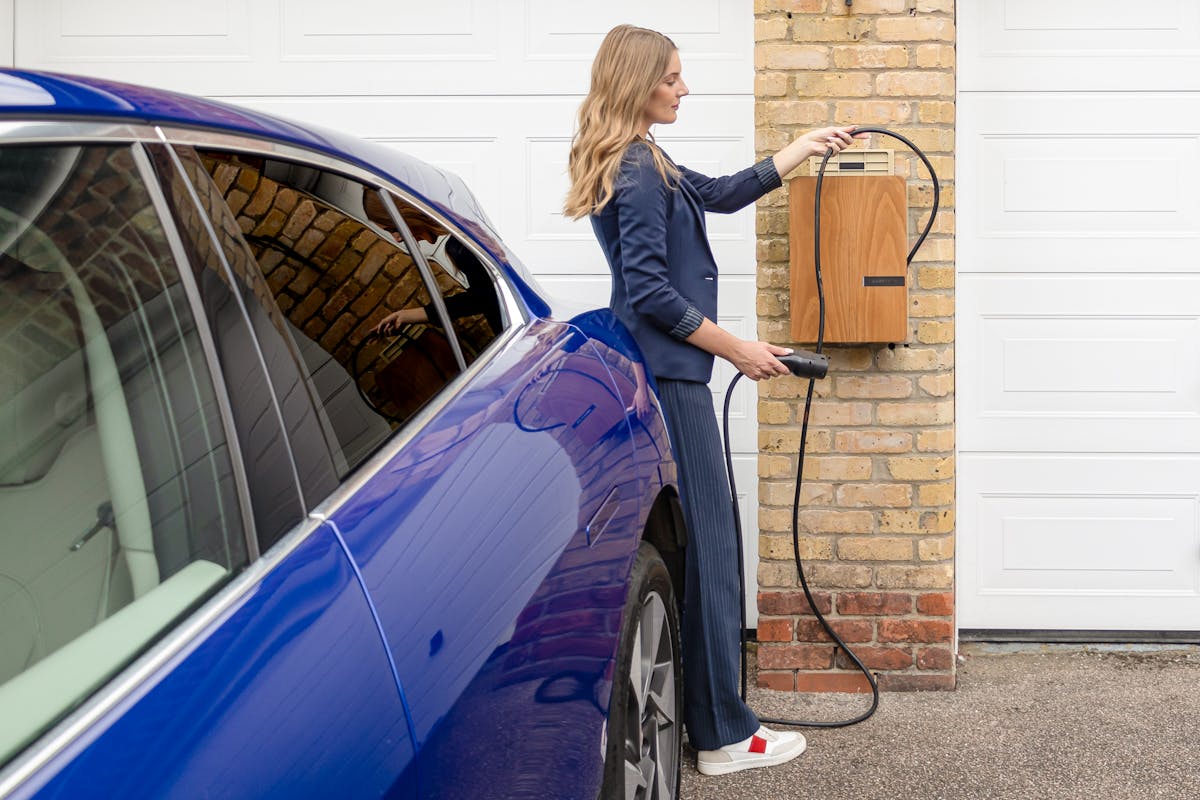
Standard electricity rates are one thing, but dedicated EV tariffs cut the cost dramatically. These tariffs offer cheap off-peak electricity, typically between midnight and 5am or 6am, in exchange for slightly higher daytime rates.
The most popular options in 2026 include Octopus Go and Intelligent Octopus Go. Following rate reductions in April 2026, off-peak rates on these tariffs have dropped significantly. Octopus Go now offers off-peak rates of approximately 7p to 9.5p per kWh depending on your region. Intelligent Octopus Go is typically around 5.5p to 8p per kWh off-peak.
At an off-peak rate of approximately 7p per kWh, the same full charges look very different:
- 40 kWh battery: approximately £2.80 for a full charge.
- 60 kWh battery: approximately £4.20 for a full charge.
- 77 kWh battery: approximately £5.40 for a full charge.
That is a reduction of roughly 70% compared to the standard rate. For most EV owners, switching to a time-of-use tariff is the single biggest thing you can do to cut running costs.
Annual Cost: EV vs Petrol
The annual comparison is where EVs really pull ahead. A typical EV uses around 3.5 miles per kWh (or roughly 28.5 kWh per 100 miles). A typical petrol car averages around 40 miles per gallon.
For a driver covering an estimated 10,000 miles per year:
- EV on standard rate (24.5p/kWh): approximately £700 per year in electricity.
- EV on off-peak tariff (7p/kWh): approximately £200 to £270 per year.
- Petrol car (40 mpg, fuel at approximately £1.45/litre): approximately £1,400 to £1,650 per year.
Even on the standard electricity rate, an EV driver saves an estimated £700 to £950 per year on fuel alone. On an off-peak EV tariff, the savings increase to approximately £1,100 to £1,400 per year. That works out at roughly 3p per mile on an EV tariff compared to approximately 15p to 17p per mile for petrol.
Home Charger Installation: What It Costs
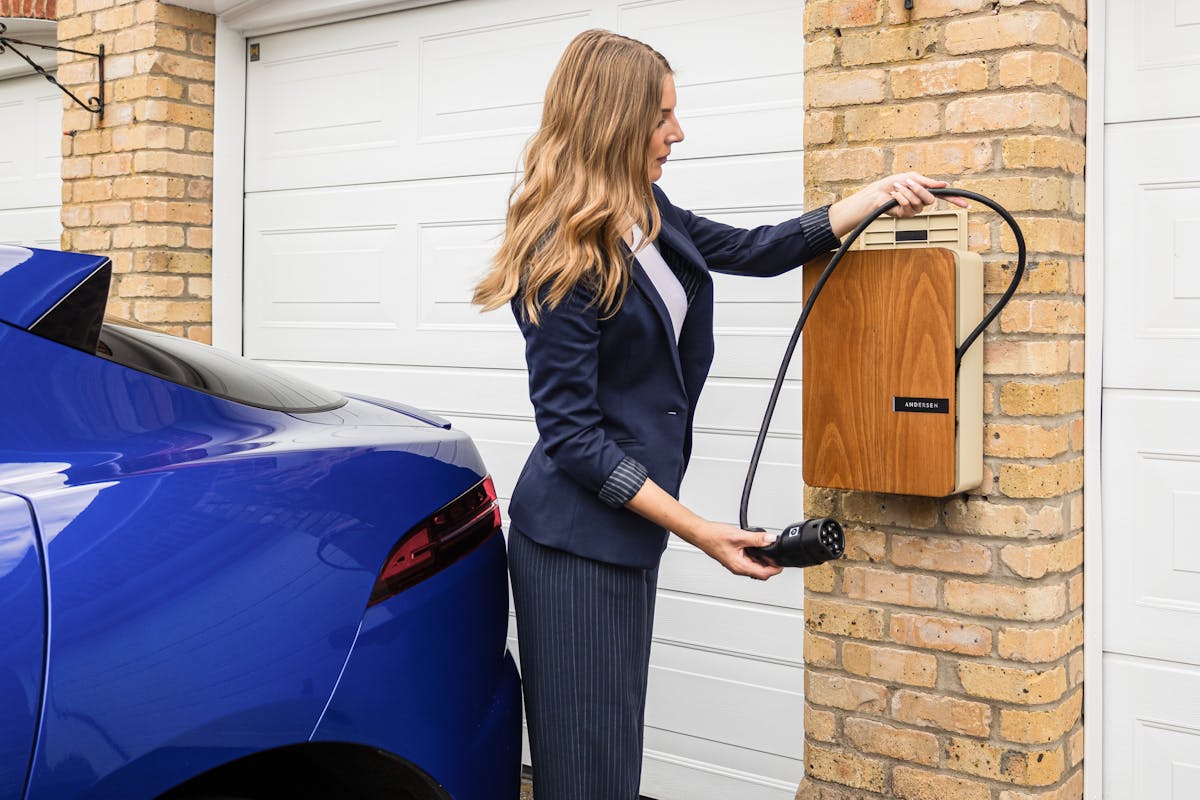
Most EV owners install a dedicated 7kW home charger, sometimes called a wallbox. A 7kW unit fully charges a typical EV in 6 to 11 hours overnight, which suits the majority of drivers who charge while they sleep.
The typical installed cost in 2026 is between £800 and £1,200, depending on the charger brand and the complexity of the installation. The charger unit itself typically costs £400 to £700, with installation adding another £400 to £500 for a standard fit. Longer cable runs, consumer unit upgrades, or non-standard earthing requirements can push the price higher.
Popular choices include the Ohme Home Pro, Zappi, and Hypervolt. All meet current smart charger regulations.
Smart Charger Requirements
Since June 2022, all newly installed home EV chargers in Great Britain must be “smart” under the Electric Vehicles (Smart Charge Points) Regulations. This is not optional. A compliant smart charger must:
- Default to off-peak charging: chargers must be preset to avoid charging between 8am and 11am, and 4pm and 10pm on weekdays, unless the owner overrides this.
- Send and receive data: the charger must be able to communicate with energy networks to help manage grid demand.
- Include cybersecurity protections: secure passwords, encryption, and secure communications are mandatory.
In practice, these regulations mean every new home charger installation will include app-based scheduling, which makes it straightforward to take advantage of off-peak rates automatically.
Solar Panels and EV Charging
If you already have solar panels, or you are considering them, combining solar with an EV charger can reduce charging costs further. A typical 4 kWp solar system generates an estimated 3,400 kWh per year, which is enough to cover approximately 12,000 miles of driving at typical EV efficiency.
Chargers like the Zappi offer a “solar divert” mode that automatically uses surplus solar generation to charge your car instead of exporting it to the grid. This effectively gives you free miles whenever the sun is shining and your car is plugged in.
However, the maths is evolving. With off-peak EV tariffs now as low as 5.5p to 7p per kWh, and the Smart Export Guarantee paying approximately 14p to 15p per kWh for exported solar, some households find it more cost-effective to export solar during the day and charge the car overnight on cheap grid electricity. It is worth running the numbers for your specific setup.
The Bottom Line
Home charging is comfortably the cheapest way to run a car in the UK in 2026. Even at the standard electricity rate, an EV costs roughly half as much to fuel as a petrol car. On a dedicated EV tariff, the gap widens to approximately 80% cheaper. A home charger installation pays for itself in fuel savings within the first year or two for most drivers.
The key steps to minimise costs are straightforward: install a 7kW smart charger, switch to a time-of-use electricity tariff, and let the car charge overnight. For a typical UK driver covering 10,000 miles a year, that combination brings annual fuel costs down to an estimated £200 to £300, compared to approximately £1,400 to £1,650 for petrol.
See what these numbers mean for your home
Free instant estimate — costs, savings, payback and grants for your region.

Related Articles
Home EV Charger Costs in the North West: 2026 Prices, Grants and Running Costs
A 7kW home EV charger costs £800–£1,500 installed in the North West. Here are the 2026 numbers — including the £500 grant and 2–3p-per-mile overnight charging.
10 June 2026EV Chargers for Renters and Flat Owners: How the £500 Grant Works (2026)
The OZEV Chargepoint Grant now pays £500 per socket — but only renters and flat owners qualify. Here's exactly how to claim it in 2026.
10 June 2026
Electric Bikes and E-Scooters in Manchester: Costs and Rules
A guide to electric bikes and e-scooters in Manchester and Lancashire, covering purchase costs, running costs, and the current legal rules.
4 March 2026