Heat Pump Costs in 2026: Updated Prices for Lancashire Installations
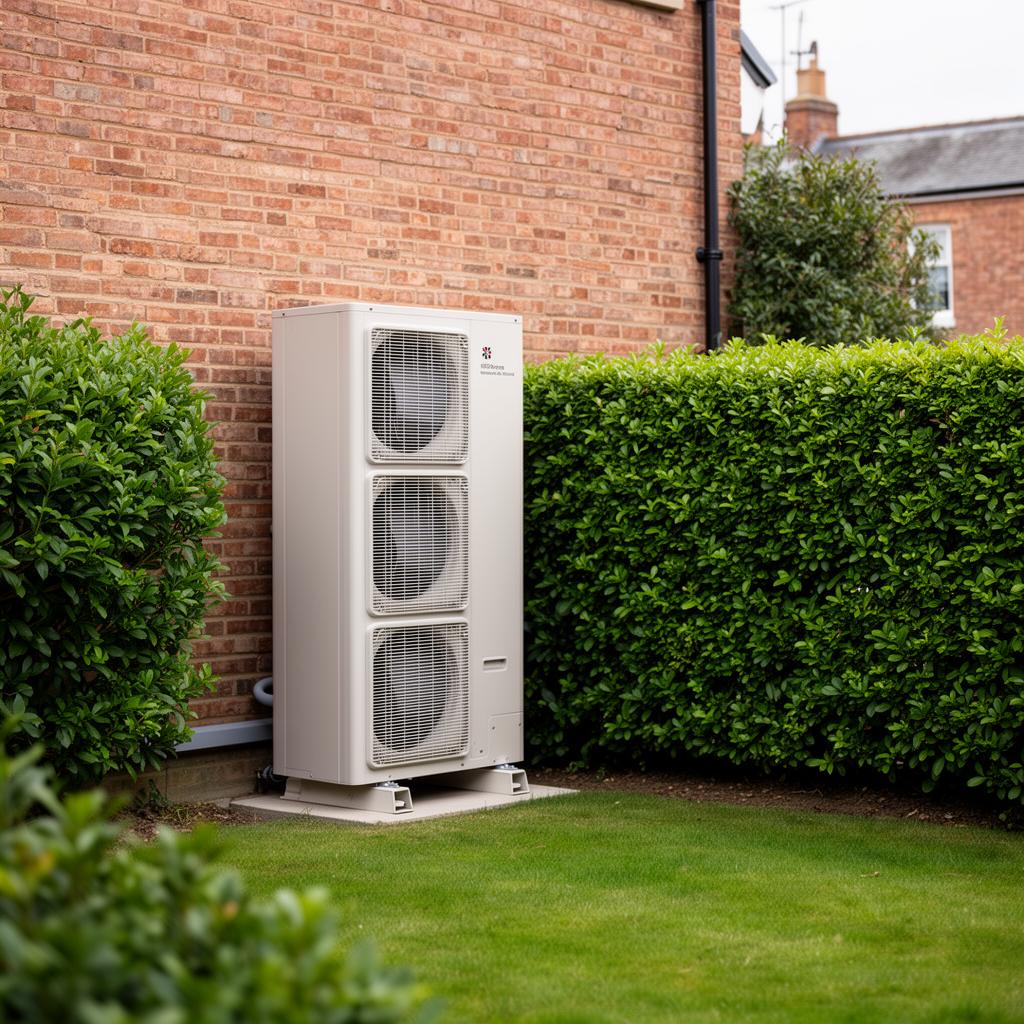
An air source heat pump for a typical three-bedroom Lancashire home costs between £8,000 and £14,000 fully installed in 2026, or £1,000 to £6,500 after claiming up to £7,500 in government grants. Ground source heat pumps start from £15,000 and can reach £35,000 before the grant. These prices include the heat pump unit, installation labour, connection to your heating system, and any necessary upgrades to pipework or radiators.
How Much Does a Heat Pump Cost in 2026?
In 2026, an air source heat pump costs between £10,000 and £16,000 fully installed in Lancashire, while ground source heat pump installations range from £18,000 to £35,000 depending on ground conditions and borehole depth. After the £7,500 Boiler Upgrade Scheme grant, most Lancashire homeowners pay £3,000 to £9,000 out of pocket for an air source system.
Installation costs vary based on the size of your property, the level of insulation and whether your existing radiators need upgrading. Homes with good insulation and underfloor heating typically achieve the lowest running costs, with annual heating bills of £500 to £900 compared to £1,200 to £1,500 for gas boilers at current tariff rates.
Air Source Heat Pump Prices in Lancashire
Air source heat pumps (ASHPs) are the most popular choice for Lancashire homeowners, and for good reason. They are cheaper to install than ground source systems and work well with the range of housing found across the county. Here is what you can expect to pay in 2026:
- Small system (5-7kW) – £7,000 to £10,000. Suitable for well-insulated two-bedroom homes or flats in areas like central Preston or Lancaster city centre.
- Medium system (8-12kW) – £9,000 to £14,000. The most common size for three-bedroom semis and terraced homes across Blackburn, Burnley, and Rossendale.
- Large system (12-16kW) – £12,000 to £18,000. Needed for larger detached properties in areas like Longridge, Garstang, or the Ribble Valley villages.
After up to £7,500 in government grants, most Lancashire homeowners end up paying between £1,500 and £6,500 for a complete air source heat pump system. That is competitive with, and sometimes cheaper than, a new gas boiler system when you factor in running cost savings over the lifetime of the unit.
Ground Source Heat Pump Costs
Ground source heat pumps (GSHPs) are more expensive upfront but deliver higher efficiency, particularly during the coldest Lancashire winters. They draw heat from the ground via buried pipes, either in boreholes or horizontal trenches.
Borehole systems cost between £20,000 and £35,000, depending on depth and geology. Lancashire’s varied terrain means costs can differ significantly. Properties on the clay soils around Ormskirk or the Fylde plain are generally cheaper to drill than those on the gritstone and limestone found in the Pennine areas around Colne or Bacup.
Horizontal loop systems need a large garden – typically at least 200 square metres of open ground. They cost £15,000 to £25,000 and are popular with rural Lancashire properties that have the space. Farms and larger country homes in the Ribble Valley or Forest of Bowland are ideal candidates.
The government grant also applies to ground source heat pumps at the same £7,500 level, bringing the net cost down to £7,500 to £27,500 depending on the system and ground conditions.
What Is Included in a Heat Pump Installation?
A complete heat pump installation involves more than just fitting the unit. Here is what a reputable Lancashire installer should include in their quote:
- The heat pump unit itself
- A hot water cylinder (typically 170 to 250 litres)
- Connection to your existing central heating system
- Any necessary pipework modifications
- Electrical connection and metering
- relevant certification and commissioning
- System design and heat loss calculation
- Council notification (building regulations compliance)
What is usually not included, and may add to your costs, are radiator upgrades, underfloor heating installation, improved insulation, or any structural work needed to accommodate the outdoor unit. In many Lancashire homes – particularly older stone terraces in the Pennine towns – upgrading some radiators to larger models is necessary to ensure the heat pump can warm each room effectively at lower flow temperatures.
Radiator and System Upgrades: The Hidden Costs
This is where many homeowners get caught out. A heat pump runs at lower temperatures than a gas boiler, typically 35 to 45 degrees compared to 60 to 75 degrees for gas. That means your existing radiators may need to be larger to deliver the same warmth.
Not every radiator needs replacing. A good installer will do a room-by-room heat loss calculation to identify which radiators are undersized. You might need to swap three or four radiators at £200 to £400 each, adding £600 to £1,600 to the total cost. In some well-insulated homes, the existing radiators are fine as they are.
If your home has underfloor heating in some rooms, that is ideal for a heat pump. The large surface area of underfloor heating works brilliantly at the low flow temperatures a heat pump provides. Many newer homes in Lancashire developments around Buckshaw Village, Whittingham, or the Cottam area already have underfloor heating on the ground floor.
Running Costs: Heat Pump vs Gas Boiler in Lancashire
At current energy prices (Q1 2026 rates), heating a typical three-bedroom Lancashire home costs roughly the following per year:
- Gas boiler (90% efficient) – £950 to £1,200 per year
- Air source heat pump (COP 3.0) – £650 to £850 per year
- Ground source heat pump (COP 4.0) – £500 to £700 per year
That means an air source heat pump saves you roughly £200 to £400 per year compared to gas, and a ground source heat pump may save an estimated £350 to £500. These savings are based on the current electricity-to-gas price ratio, which favours heat pumps more when electricity prices are relatively closer to gas prices.
For homes currently heated by oil, LPG, or electric storage heaters, the savings are much larger. A three-bedroom home in rural Lancashire burning oil might spend £1,500 to £2,000 per year on heating. Switching to an air source heat pump could halve that bill.
The government heat pump grant: How to Claim Your £7,500
The government grant is worth up to £7,500 towards a heat pump installation and is available to homeowners in England and Wales. To qualify, your property must have a valid Energy Performance Certificate, and the installation must be carried out by a qualified installer.
The good news is that your installer handles the application for you. They apply for the voucher before starting work, and the grant amount is deducted from your final bill. You never need to pay the full price upfront.
There is no means-testing for the government grant – any homeowner can claim it regardless of income. The main eligibility requirements are that you must own the property (or be a landlord), the property must not be a new build, and you must not have received a grant under the scheme before for the same property.
Finding a Good Heat Pump Installer in Lancashire
There are currently around 25 to 30 qualified heat pump installers operating in Lancashire and Greater Manchester. The number has grown significantly over the past two years as demand has increased.
Look for installers who have completed at least 20 heat pump installations and can provide references from local homeowners. Ask to visit a completed installation if possible – many happy customers are willing to show others their system.
Be cautious of installers who push one brand exclusively without considering whether it suits your home. The right heat pump depends on your property size, insulation level, heating demand, and available outdoor space. A good installer will always start with a thorough survey and heat loss calculation before recommending a specific system.
How long does a heat pump installation take in Lancashire?
A standard air source heat pump installation takes two to four days. Ground source systems with boreholes can take one to two weeks. The wait from placing your order to installation starting is typically four to eight weeks in Lancashire, depending on the installer’s workload and government grant processing times.
Will a heat pump work in an older Lancashire stone house?
Yes, but older stone-built homes may need improved insulation first. Many Victorian and Edwardian terraces in Lancashire’s mill towns have solid stone walls that lose heat quickly. Adding internal wall insulation and upgrading loft insulation can make a heat pump perform much better and keep your running costs low. A good installer will assess your insulation levels as part of their survey.
Is up to £7,500 in government grants still available in 2026?
Yes, the government heat pump grant has been confirmed to continue through 2026. The grant amount was increased in late 2023, and the government has committed to maintaining it as part of its push to install 600,000 heat pumps per year by 2028. Funding is allocated on a first-come, first-served basis, so it is worth applying sooner rather than later.
See what these numbers mean for your home
Free instant estimate — costs, savings, payback and grants for your region.

Related Articles
Heat Pump Installation Costs in 2026: The Real Numbers
Heat pumps are now the default replacement for gas boilers in UK government policy, but the question most homeowners ask first is always the same: how much does it actually…
28 May 2026
Infrared Panels vs Heat Pumps: Which Heating System Is Right for Your Home?
Comparing infrared panels vs heat pumps across cost, efficiency, running expenses, and grant eligibility. This guide helps UK homeowners choose the right low-carbon heating system for their property.
8 May 2026
Renewable Heating vs Gas Boiler: An Honest Cost and Comfort Comparison
An honest comparison of heat pumps, biomass and solar thermal against gas boilers on cost, comfort, maintenance, grants and carbon savings for UK homes.
8 May 2026