Electric Van Charging for Lancashire Small Businesses
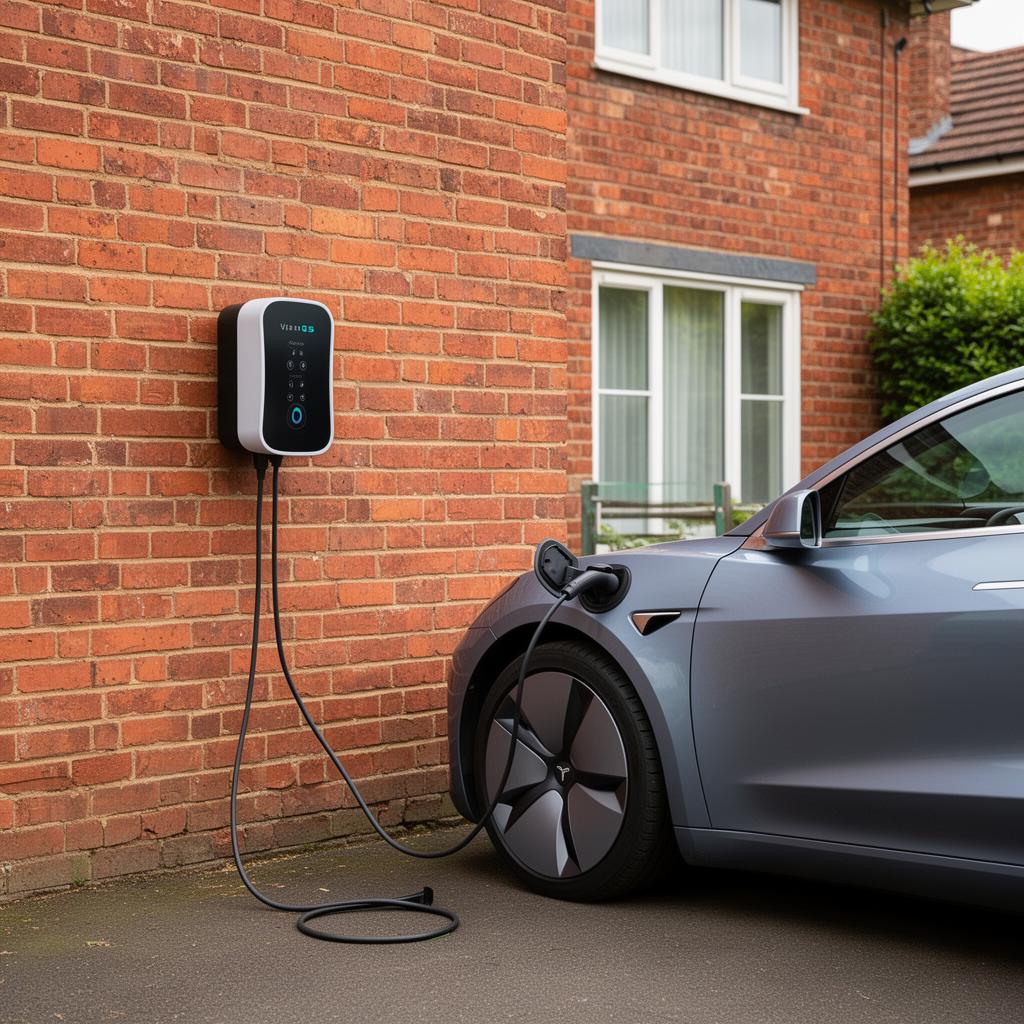
Running costs for an electric van in the Lancashire area average around 4-6p per mile, compared to 20-30p per mile for a diesel equivalent. For a small business covering 20,000 miles annually, that translates to savings of £3,000-5,000 per year on fuel alone. But the switch only works if you have reliable charging in place. Here is a practical guide to setting up electric van charging for your Lancashire small business.
How Much Does Electric Van Charging Cost for Small Businesses?
Charging an electric van for a Lancashire small business costs between 5p and 8p per mile using an overnight workplace charger on an off-peak tariff, compared to 16p to 22p per mile for a diesel equivalent. A 7kW workplace charger costs £800 to £1,200 installed, while a 22kW fast charger runs £2,500 to £4,500. The Workplace Charging Scheme (WCS) provides a grant of up to £350 per socket for up to 40 charge points, reducing the upfront cost significantly.
For a typical Lancashire trades business running a single electric van covering 15,000 miles per year, the annual charging cost is approximately £750 to £1,200 on a workplace charger, compared to £2,400 to £3,300 for diesel. Combined with lower maintenance costs — no oil changes, cheaper brake servicing and fewer moving parts — the total running cost saving is typically £2,000 to £3,000 per year per van. The breakeven point after accounting for the higher purchase price is usually reached within three to four years.
Choosing the Right Electric Van for Your Business
The electric van market has matured significantly. For Lancashire-based trades, deliveries, and services, the main contenders in 2025 include the Vauxhall Vivaro Electric (with a real-world range of around 150 miles), the Ford E-Transit (180-200 miles), the Mercedes eSprinter (170-220 miles depending on battery size), and the Renault Master E-Tech (180 miles). For smaller businesses, the Citroen e-Berlingo and Vauxhall Combo Electric offer 150-170 miles of range in a more compact package.
For most Lancashire business routes – covering areas from Lancaster down to Wigan or across to Manchester – a range of 150 miles is sufficient for a full day’s work. A plumber based in Blackburn servicing customers across East Lancashire, or a florist in Chorley making deliveries across the central Lancashire area, will typically cover 40-80 miles per day. That leaves a comfortable buffer even in cold weather when battery range drops by 10-20%.
Depot Charging: The Foundation of Your Setup
For businesses with their own premises – whether that is a workshop in Burnley, a warehouse on one of Preston’s industrial estates, or a yard in Skelmersdale – depot charging is the most cost-effective option. You charge overnight when electricity rates are lowest and start each day with a full battery.
A 7kW single-phase commercial charger costs between £800 and £1,500 installed and will fully charge most electric vans in 6-10 hours overnight. This is perfect for businesses that operate during the day and park up at night. For businesses running multiple vans, you can install several 7kW units on a single supply, potentially with smart load management to prevent overloading your electrical connection.
If you need faster turnaround – perhaps for vans that return mid-day and go out again – a 22kW three-phase charger (£1,500-3,000 installed) can top up a van to 80% in 2-3 hours. Larger depots might consider a 50kW DC rapid charger (£20,000-40,000 installed), though this is typically only cost-effective for fleets of five or more vehicles.
Home Charging for Owner-Operators
Many Lancashire sole traders and small business owners take their van home at night. Home charging is often the cheapest option thanks to domestic electricity tariffs, particularly if you switch to a time-of-use tariff like Octopus Go or OVO Charge Anytime. These offer off-peak electricity rates of 7-10p per kWh between midnight and 5am, reducing the cost of a full overnight charge to around £4-7 for a typical electric van.
A home charger installation costs between £700 and £1,200 for a 7kW unit. The EV chargepoint grant for businesses contributes up to £350 per socket (up to 40 sockets per business), bringing the out-of-pocket cost down to around £400-850. You will need off-street parking – a driveway, garage, or allocated parking space. For terraced houses in towns like Darwen, Nelson, or Heywood where off-street parking is limited, this can be a challenge, though some solutions exist using authorised on-street charging posts.
Keep records of your home charging for tax purposes. You can claim the electricity cost as a business expense, and HMRC accepts mileage records or smart charger data as evidence. Most smart chargers provide app-based reports showing exactly how much electricity was used for charging, making bookkeeping straightforward.
Public Charging for Top-Ups on the Road
Public charging should be your backup, not your primary charging strategy. Costs at public chargers range from 30p to 80p per kWh depending on the network and speed – significantly more than home or depot charging. However, having access to the public network provides peace of mind for longer journeys or unexpectedly busy days.
Lancashire’s public charging infrastructure has improved substantially. Preston has over 60 public chargepoints, Blackburn has around 40, and Manchester’s network exceeds 500. Rapid chargers (50kW+) are available at most motorway services along the M6, M61, M65, and M60, as well as at selected supermarkets and retail parks.
For businesses, fleet charging cards from providers like Bonnet, Octopus Electroverse, or Shell Recharge give you access to multiple networks with a single card and consolidated billing. This simplifies expense management and often provides a small discount compared to pay-as-you-go rates. Most cards cost nothing to obtain and charge a per-kWh rate with no monthly fees.
Electricity Supply Upgrades
Before installing chargers at your business premises, check your existing electricity supply. A standard single-phase 100A supply can typically support one or two 7kW chargers alongside normal business operations. If you need more charging capacity, you may require a supply upgrade.
Upgrading from single-phase to three-phase supply with Electricity North West (the distribution network operator for Lancashire and Greater Manchester) costs between £1,000 and £5,000 depending on the work required. For larger installations, a new or upgraded supply could cost more. Apply early – supply upgrades can take 8-16 weeks to complete.
An alternative to a supply upgrade is smart charging with load management. Systems from companies like EO Charging or Rolec allow multiple chargers to share the available capacity, automatically reducing charge speeds when other business loads are high and increasing them during quiet periods. This can often avoid the need for a supply upgrade altogether.
Grants and Tax Benefits for Business EV Charging
The financial support for business EV charging is substantial. The Workplace Charging Scheme (WCS) provides grants of up to £350 per chargepoint socket for businesses, charities, and public sector organisations. You can claim for up to 40 sockets per application. The grant is straightforward to apply for and can be claimed by your installer on your behalf.
Electric vans qualify for 100% first-year capital allowances, meaning you can deduct the full purchase price from your taxable profits in year one. The benefit-in-kind (BIK) rate for electric company vehicles is just 2% in 2025-26, compared to 20-37% for diesel vans. For a business owner in the higher tax bracket, an electric van on a salary sacrifice scheme can save thousands annually.
Charging infrastructure also qualifies for capital allowances, and electricity used for business vehicle charging is a deductible expense. The 0% VAT rate on electricity used for EV charging does not currently apply to business supplies in the same way as domestic, but the overall tax position for business EV adoption remains highly favourable.
Real-World Case: A Lancashire Plumbing Business
A plumbing and heating business based near Leyland switched two diesel vans to Vauxhall Vivaro Electrics in late 2024. They installed two 7kW chargers at their workshop for around £2,200 total (after the WCS grant). Charging overnight on a business time-of-use tariff at 12p per kWh, their monthly fuel costs dropped from approximately £800 for the two diesel vans to around £160 for the two electric vans. Annual servicing costs also fell, as electric vans have fewer moving parts and no oil changes required.
The business covers a service area spanning Preston, Chorley, Leyland, and surrounding villages – typically 40-60 miles per van per day. Range has not been an issue, even in the colder months. The only adjustment was planning slightly longer stops when visiting customers further afield, to take advantage of public rapid chargers if needed.
What if my business premises do not have off-street parking?
Several Lancashire councils are installing on-street commercial chargepoints, though availability is still limited. Alternatives include negotiating with a nearby business that has a car park, using public overnight charging at a favourable rate, or investigating community charging hubs. Some Lancashire industrial estates have also started installing shared chargepoints for tenant businesses to use.
How long do electric van batteries last?
Most electric van manufacturers warranty the battery for 8 years or 100,000-160,000 miles, guaranteeing at least 70% of original capacity. Real-world data from early electric van adopters suggests batteries typically retain 80-90% capacity after 100,000 miles. For a small business van covering 20,000 miles per year, the battery should comfortably outlast the useful life of the vehicle.
Can I charge an electric van from a standard 3-pin plug?
Technically yes, but it is not recommended for regular use. A standard 3-pin plug delivers about 2.3kW, meaning a full charge takes 15-30 hours. More importantly, domestic sockets are not designed for sustained high loads and can overheat. A dedicated 7kW charger is safer, four times faster, and required if you want to claim the Workplace Charging Scheme grant. The installation cost pays for itself quickly through faster, safer charging.
See what these numbers mean for your home
Free instant estimate — costs, savings, payback and grants for your region.

Related Articles
Home EV Charger Costs in the North West: 2026 Prices, Grants and Running Costs
A 7kW home EV charger costs £800–£1,500 installed in the North West. Here are the 2026 numbers — including the £500 grant and 2–3p-per-mile overnight charging.
10 June 2026EV Chargers for Renters and Flat Owners: How the £500 Grant Works (2026)
The OZEV Chargepoint Grant now pays £500 per socket — but only renters and flat owners qualify. Here's exactly how to claim it in 2026.
10 June 2026
EV Home Charging: How Much Does It Really Cost to Charge at Home in 2026?
Update (June 2026): The OZEV Electric Vehicle Chargepoint Grant provides £500 per socket towards home charger installation for eligible renters and flat owners (increased from April 2026). Electric vehicles are…
28 April 2026