Heat Pump Myths Debunked: 10 Misconceptions Lancashire Homeowners Believe
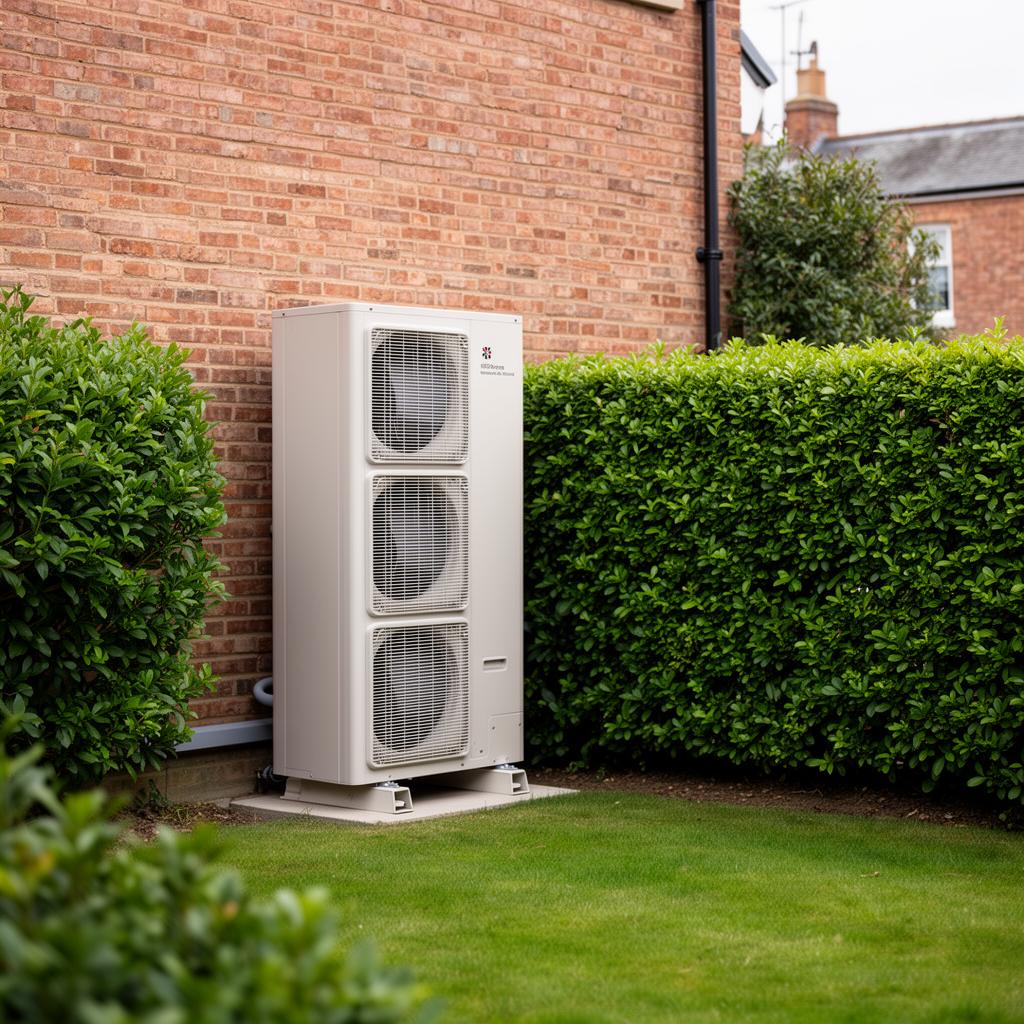
Heat pump installations across Lancashire have increased by over 40% in the past year, yet misinformation continues to put homeowners off. Having overseen hundreds of installations from Blackpool to Bury, I can confidently say that most concerns people raise are based on outdated information or outright myths. Here are the ten biggest misconceptions I hear from Lancashire homeowners – and the facts that set them straight.
Common Heat Pump Myths Debunked
- Heat pumps don’t work in cold weather — modern air source heat pumps operate efficiently down to -20°C and are widely used in Scandinavia
- Heat pumps are too expensive to run — with a COP of 3.0 to 4.0, a heat pump generates 3 to 4 kWh of heat per 1 kWh of electricity, making running costs comparable to gas
- You need underfloor heating — heat pumps work with standard radiators; you may need to upsize a few radiators in the coldest rooms
- Heat pumps are too noisy for terraces — modern units produce 40 to 45 dB at one metre, comparable to a quiet conversation or a refrigerator
- They only work in well-insulated new builds — heat pumps are installed in thousands of older UK homes, including Victorian terraces, with appropriate sizing and preparation
- Installation takes weeks — a standard air source heat pump installation is completed in two to three days for most properties
- Heat pumps don’t heat water hot enough — most models reach 55°C to 65°C, and regular legionella cycles take the cylinder above 60°C
- You can’t get a grant — the Boiler Upgrade Scheme provides up to £7,500 towards installation for homeowners in England and Wales
Many of these myths stem from early-generation heat pump technology or misinformation circulating on social media. The reality is that heat pump installations in the UK have tripled since 2022, with over 250,000 systems now operating in British homes. Lancashire’s climate is well within the operating range of modern heat pumps, and the combination of improved technology and government grants has made them a practical and affordable alternative to gas boilers.
Myth 1: Heat Pumps Do Not Work in Cold Lancashire Winters
This is the single most common myth, and it is completely wrong. Modern air source heat pumps operate efficiently down to minus 15 to minus 25 degrees Celsius, depending on the model. Lancashire’s average winter temperature sits around 3 to 5 degrees, which is well within the comfortable operating range. Even during the cold snap in January 2025, when parts of the Ribble Valley hit minus 8, heat pumps across the region continued working without issue.
Countries like Finland, Norway, and Sweden – where temperatures routinely drop below minus 20 – have some of the highest heat pump adoption rates in Europe. If they work in Scandinavian winters, they absolutely work in Accrington.
Myth 2: Heat Pumps Are Too Noisy for Terraced Houses
Lancashire has thousands of terraced houses, from the mill workers’ rows in Nelson and Colne to the Victorian terraces of Chorlton and Didsbury. Homeowners worry that an air source heat pump will disturb neighbours. Modern units produce around 40-45 decibels at one metre distance – roughly the same volume as a quiet conversation or a modern fridge. At the boundary of a typical terraced house garden, that drops to around 30-35 decibels, well within permitted planning limits.
Proper installation matters here. A competent installer will use anti-vibration mounts, position the unit away from neighbouring bedroom windows where possible, and may recommend acoustic screening if the property layout demands it. Thousands of terraced homes across the North West already have heat pumps running without any noise complaints.
Myth 3: You Need Underfloor Heating for a Heat Pump to Work
Underfloor heating is a great match for heat pumps, but it is absolutely not essential. Heat pumps work perfectly well with radiators – you may just need to upsize some of them. A heat pump typically runs at lower flow temperatures (around 35-45 degrees) compared to a gas boiler (60-70 degrees), so larger radiators compensate by offering more surface area to release heat into the room.
In many Lancashire homes, particularly those built from the 1970s onwards, the existing radiators are already oversized for modern boilers and work fine with a heat pump without any changes. A proper heat loss survey before installation will identify exactly which radiators, if any, need upgrading. Typically, you might need to swap 2-3 radiators rather than replacing the entire system, costing between £200 and £600 in total.
Myth 4: Heat Pumps Cost a Fortune to Run
The running cost myth usually comes from comparing electricity and gas prices on a per-unit basis. Yes, electricity costs roughly 24p per kWh versus around 6p for gas. But a heat pump delivers 3 to 4 units of heat for every 1 unit of electricity it consumes – this ratio is called the Coefficient of Performance or COP. So in reality, you are paying 24p to get 3-4 kWh of heat, making the effective cost per kWh of heat around 6-8p. That is comparable to, or even cheaper than, a gas boiler.
With heat pump-specific electricity tariffs now available – such as those offering off-peak rates as low as 10p per kWh – the economics improve further. A well-insulated three-bedroom semi in Preston might spend around £700-900 per year on heating with a heat pump, compared to £800-1,100 with a gas boiler at current prices.
Myth 5: Heat Pumps Are Ugly and Will Ruin My Garden
Modern heat pump outdoor units are compact and unobtrusive. A typical residential unit measures around 1 metre wide, 0.4 metres deep, and 0.7 metres tall – smaller than a standard wheelie bin. Many Lancashire homeowners tuck them into side passages, behind low fences, or integrate them with existing garden landscaping.
For properties in conservation areas – and Lancashire has plenty, from Clitheroe to Lancaster’s city centre – there are slimline models designed specifically for sensitive locations. Some manufacturers now offer units in colours other than white, and decorative covers or trellis screens can blend them seamlessly into any garden setting.
Myth 6: Heat Pumps Take Days to Heat Up Your Home
This myth has a grain of truth in it, but it is misleading. Heat pumps work most efficiently when they maintain a steady, comfortable temperature rather than blasting heat on and off like a gas boiler. The best approach is to set your heat pump to keep your home at a consistent temperature throughout the day, using smart controls and weather compensation to adjust output automatically.
This does not mean your home takes days to warm up. From a cold start, a properly sized heat pump will bring a typical Lancashire three-bed to a comfortable temperature within 2-4 hours. The key difference is the operating philosophy: steady and consistent rather than short, intense bursts.
Myth 7: My Lancashire Home Is Too Old for a Heat Pump
Heat pumps have been successfully installed in Grade II listed buildings, 200-year-old farmhouses, and Victorian mill workers’ cottages across Lancashire. Older homes may need additional insulation to get the best results, but the idea that heat pumps only work in new builds is simply false.
The crucial factor is getting the insulation and heat loss calculations right before installation. A solid-walled stone cottage in Pendle will have different requirements to a 1930s semi in Leyland, but both can be heated effectively with the right heat pump system and appropriate preparation. The government heat pump grant (currently up to £7,500, subject to eligibility) applies regardless of your property’s age, making the economics work for older homes too.
Myth 8: Heat Pumps Cannot Provide Hot Water
Modern heat pumps handle domestic hot water perfectly well. Most systems include an integrated or separate hot water cylinder, typically 200-300 litres for a family home. The heat pump heats the water to 50-55 degrees, with a periodic legionella pasteurisation cycle that raises the temperature to 60 degrees or above.
For larger families or homes with multiple bathrooms – common in the larger detached properties around Poulton-le-Fylde or Ramsbottom – a slightly larger cylinder or a heat pump with a higher hot water output ensures you never run out. Hot water performance has improved dramatically in recent models, with some now able to heat a full cylinder in under two hours.
Myth 9: The Payback Period Is Longer Than the System’s Lifespan
With up to £7,500 in government grants, a typical air source heat pump installation in Lancashire costs the homeowner between £4,000 and £7,000 out of pocket. Annual savings compared to a gas boiler range from £200 to £500 depending on your home’s size and efficiency. That puts the payback period at roughly 8-15 years.
Heat pumps have an expected lifespan of 20-25 years, so you will enjoy free heating benefits for at least 5-15 years after breaking even. Factor in rising gas prices and the increasing availability of cheap renewable electricity, and the financial case continues to strengthen. Many homeowners in the BL, PR, and LA postcode areas have already reached payback.
Myth 10: You Need Planning Permission for Every Heat Pump
Air source heat pumps fall under permitted development rights for most residential properties in England. You do not need planning permission provided the unit meets noise limits, is installed within the property boundary, and is not on a wall or roof fronting a highway. For detached and semi-detached homes across most of Lancashire, this means installation can proceed without any planning application.
There are exceptions. Properties in conservation areas, listed buildings, and flats or maisonettes may need planning consent. If you live in one of Lancashire’s many conservation areas – parts of Lancaster, Whalley, or Garstang, for example – check with your local planning authority before proceeding. Ground source heat pumps are also permitted development, though the drilling or trenching work should be checked against any site-specific restrictions.
The Bottom Line for Lancashire Homeowners
Every one of these myths has a kernel of historical truth that no longer applies. Heat pump technology has advanced rapidly, installation practices have improved, and the financial support available through the government heat pump grant and government energy efficiency schemes makes switching genuinely affordable. If you have been holding back because of any of these misconceptions, now is the time to get a proper assessment from a qualified qualified installer in your area.
Do I need to upgrade my entire heating system for a heat pump?
Usually not. Most homes need only minor modifications such as upsizing a few radiators or adding a hot water cylinder. A proper heat loss survey will identify exactly what changes your specific Lancashire property needs. Many post-1970s homes require no radiator changes at all.
Will a heat pump work with my smart thermostat?
Most modern heat pumps are compatible with smart thermostats, though the setup is slightly different from a boiler. Many heat pump manufacturers provide their own smart controls with weather compensation built in, which typically deliver better efficiency than a standalone smart thermostat. Your installer will advise on the best control setup for your system.
How long does a heat pump installation take in a typical Lancashire home?
A straightforward air source heat pump installation typically takes 2-3 days. This includes fitting the outdoor unit, installing or connecting the hot water cylinder, making electrical connections, and commissioning the system. If radiator upgrades are needed, add another day. The process is less disruptive than most homeowners expect, and you will have heating and hot water throughout most of the installation.
See what these numbers mean for your home
Free instant estimate — costs, savings, payback and grants for your region.

Related Articles
Heat Pump Installation Costs in 2026: The Real Numbers
Heat pumps are now the default replacement for gas boilers in UK government policy, but the question most homeowners ask first is always the same: how much does it actually…
28 May 2026
Infrared Panels vs Heat Pumps: Which Heating System Is Right for Your Home?
Comparing infrared panels vs heat pumps across cost, efficiency, running expenses, and grant eligibility. This guide helps UK homeowners choose the right low-carbon heating system for their property.
8 May 2026
Renewable Heating vs Gas Boiler: An Honest Cost and Comfort Comparison
An honest comparison of heat pumps, biomass and solar thermal against gas boilers on cost, comfort, maintenance, grants and carbon savings for UK homes.
8 May 2026