Solar Panels and EV Charging: Can You Power Your Car for Free?
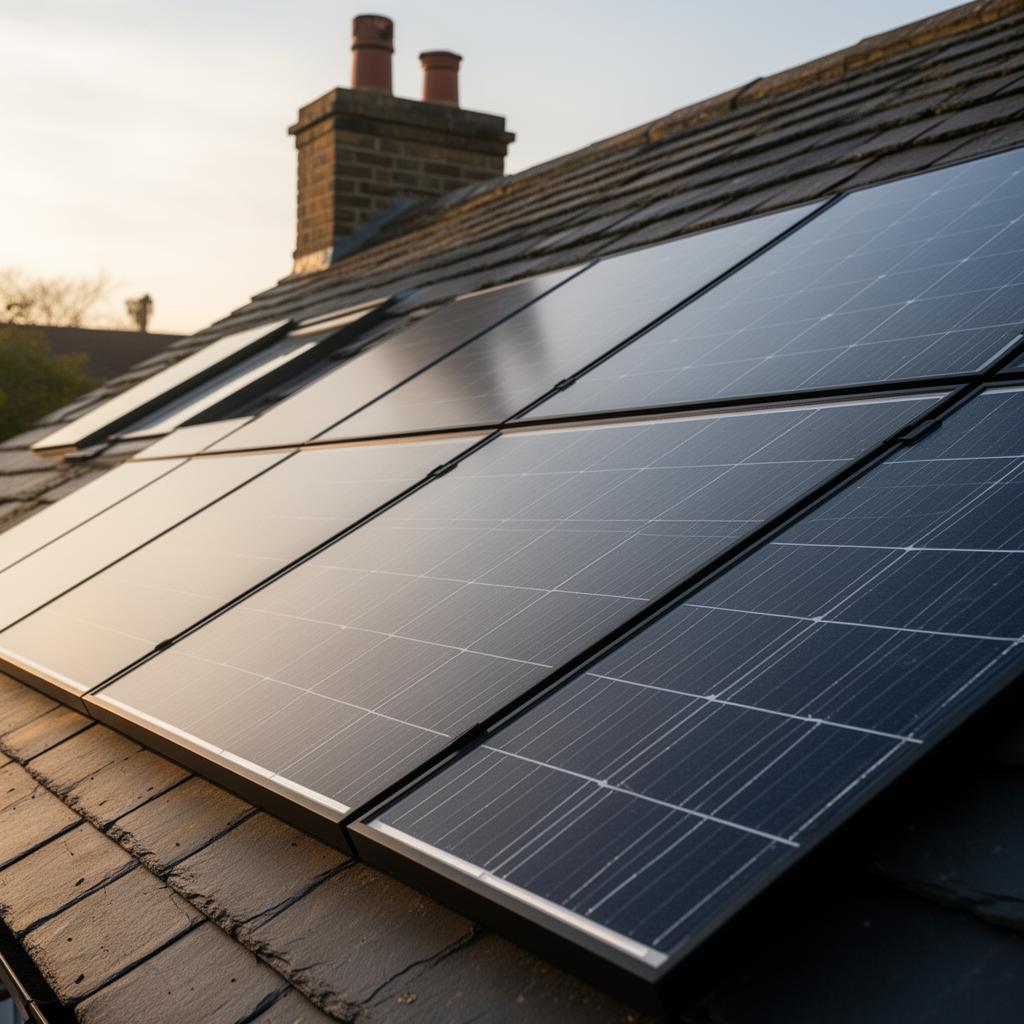
A typical 4kW solar panel system in Lancashire generates around 3,400 kWh per year. After powering your home, the surplus energy – typically 1,200 to 2,000 kWh annually – can charge an electric car enough to drive 4,000 to 6,500 miles completely free of charge. That is roughly 40% to 65% of the average UK driver’s annual mileage powered entirely by sunshine hitting your roof. For a Lancashire household already generating solar electricity, adding an EV and smart charger is the most effective way to use surplus power that would otherwise be exported for just 4p to 15p per kWh.
Can You Charge an EV for Free with Solar Panels?
Yes, solar panels can charge an electric vehicle for free during daylight hours. A 4 kWp solar array in Lancashire generates enough surplus electricity on a sunny day to add 60 to 100 miles of range to a typical EV. Over a full year, solar panels can provide 1,500 to 2,500 kWh of free charging — equivalent to 5,000 to 8,000 miles of driving — saving £370 to £615 annually at current electricity rates.
The key requirement is a solar-compatible EV charger with excess diversion, such as the Zappi or Ohme Home Pro. These chargers automatically adjust charging speed to match available solar output, ensuring you only draw free solar electricity. Without a diverter, your charger draws at a fixed rate and will pull from the grid if solar output is insufficient. Adding a home battery extends the window for free charging into the evening hours.
How Much Solar Surplus Can You Realistically Use for EV Charging?
The amount of surplus solar energy available for EV charging depends on several factors: your system size, your household’s daytime electricity consumption, the season, and whether the car is home during daylight hours.
A 4kW system on a south-facing Lancashire roof generates its peak output between 10am and 3pm. During summer months (May to August), it can produce 15 to 20 kWh per day. After typical household consumption of 5 to 8 kWh during daylight hours, 7 to 15 kWh of surplus is available for charging. In winter (November to January), daily output drops to 2 to 6 kWh, and household demand is higher, leaving little or no surplus for EV charging.
Over a full year, most Lancashire solar households with a 4kW system can divert 1,200 to 2,000 kWh to their EV. A larger 6kW or 8kW system produces proportionally more surplus, potentially providing 2,000 to 3,500 kWh for charging – enough for 6,500 to 11,000 miles of driving.
The key constraint is whether the car is actually home during the sunny hours. If you drive to work and the car sits in a Preston or Manchester car park all day, you cannot use daytime solar surplus for charging. This is where working-from-home days, shift patterns, and battery storage come into play.
Smart Chargers: The Essential Link Between Solar and EV
A standard EV charger draws a fixed amount of power regardless of what your solar panels are producing. A smart solar-aware charger adjusts its charging rate to match the available solar surplus, ensuring you use as much free solar energy as possible rather than drawing from the grid.
Popular solar-compatible smart chargers available to Lancashire homeowners include:
- Zappi by Myenergi (made in Lincolnshire) – the most popular solar-diversion charger in the UK, costing £850 to £1,200 installed. It has an Eco mode that charges only from surplus solar and a Smart mode that blends solar and grid power to guarantee a minimum charge rate
- Ohme Home Pro – £850 to £1,100 installed, integrates with solar monitoring and energy tariff data to charge at the cheapest times
- Wallbox Pulsar Plus – £700 to £1,000 installed, with solar surplus integration via third-party apps
- Hypervolt Home 3 – £750 to £1,050 installed, with built-in solar awareness features
The Zappi is the standout choice for solar-first charging because its Eco mode can modulate charging power down to 1.4kW (about 6 amps), matching even modest levels of solar surplus. Other chargers typically have a minimum draw of 1.8kW to 2.3kW, which means they cannot always capture lower levels of surplus effectively.
The Financial Case for Solar EV Charging in Lancashire
Charging your EV from the grid at the standard the energy regulator rate of 24.5p per kWh costs about 7p to 8p per mile. Charging from surplus solar costs nothing beyond the original investment in the solar system. Using an off-peak EV tariff (7p to 9p per kWh) costs 2p to 3p per mile. So solar charging is the cheapest option, followed by off-peak grid charging, with standard-rate grid charging being the most expensive.
For 1,500 kWh of solar EV charging per year, the savings compared to standard-rate charging are approximately £367. Compared to off-peak charging, the savings are around £120. Compared to running a petrol car for the equivalent 5,000 miles, the savings are approximately £700 to £900.
The smart charger itself costs £850 to £1,200 installed. If it enables you to use 1,500 kWh of solar surplus per year that would otherwise be exported at 5p per kWh (earning you just £75 in export income), the charger saves you roughly £290 per year net. Payback period: three to four years.
Adding Battery Storage to the Mix
A home battery system (5 to 13 kWh capacity, costing £3,000 to £8,000) can store daytime solar surplus and release it for EV charging in the evening when you return home. This is ideal for Lancashire commuters who are out during the best solar generation hours.
However, there is a tension between using the battery for home consumption and using it for EV charging. A 10kWh battery storing solar surplus might provide 7 to 8 kWh of usable energy after efficiency losses. That charges your EV by about 25 to 30 miles of range – useful but not transformative. For most Lancashire households, the battery is better used to cover evening household demand (lighting, cooking, entertainment), with the EV charged from off-peak grid electricity overnight.
The optimal setup for a Lancashire household with solar, a battery and an EV is: solar surplus charges the home battery during the day, the battery powers the home in the evening, and the EV charges overnight on a 7p per kWh off-peak tariff. This maximises the value of every kWh of solar generation while keeping EV charging costs minimal.
Sizing Your Solar System for EV Charging
If you are installing solar panels with EV charging in mind, go bigger than you would for household electricity alone. A 4kW system covers most households’ electricity needs, but adding EV charging into the equation means a 5kW to 8kW system makes better financial sense.
For a Lancashire home with an EV doing 8,000 to 10,000 miles per year, a 6kW system provides roughly half of the total charging energy from solar, with the remainder from off-peak grid electricity. An 8kW system, if roof space allows, can provide two-thirds or more. The larger system generates more surplus in spring and autumn (the shoulder months), extending the period where solar charging is effective beyond just the summer peak.
Roof space is the main constraint. A 6kW system needs roughly 24 to 30 square metres of unshaded roof, and an 8kW system needs 32 to 40 square metres. Standard Lancashire semis typically have 20 to 35 square metres of usable south-facing or east/west-facing roof, so a 5kW to 7kW system is realistic for most properties. Larger detached homes in areas like Longridge, Garstang or the Ribble Valley often have enough roof space for 8kW or more.
Real Lancashire Examples
A three-bedroom semi in Penwortham with a 4.2kW solar system and a Zappi charger reports using 1,600 kWh of solar surplus for EV charging between April and October. The car (a Nissan Leaf) covers the school run and local errands almost entirely on solar power during those months, with grid charging needed only in winter.
A four-bedroom detached in Clitheroe with a 6.5kW system, a 9.5kWh battery and a Zappi charger diverts approximately 2,200 kWh to the EV annually. Combined with off-peak grid charging for the remaining needs, the owner reports total EV fuel costs of under £200 per year for 10,000 miles of driving – compared to over £1,500 for the petrol car it replaced.
Can I charge my EV entirely from solar panels?
Not entirely, unless you drive very little or have a very large solar system. A realistic target in Lancashire is 40% to 65% of your annual EV charging from solar, with the remainder from off-peak grid electricity. In summer months, 80% to 100% solar charging is achievable for moderate mileage drivers who are home during the day.
Do I need a special charger to use solar energy?
Yes. A standard charger draws a fixed amount from the grid regardless of solar output. A solar-aware smart charger like the Zappi adjusts its charging rate to match your solar surplus, maximising free energy use. Without a smart charger, you can still benefit from solar by timing your charging during sunny periods, but the result is less efficient.
How much does a solar and EV charger setup cost?
A 4kW solar system costs £5,000 to £7,000 installed (0% VAT applies). A Zappi smart charger costs £850 to £1,200 installed. Total investment: £5,850 to £8,200. With typical savings on electricity and fuel costs of £800 to £1,200 per year, the combined payback period is six to nine years, after which you benefit from decades of reduced energy costs.
See what these numbers mean for your home
Free instant estimate — costs, savings, payback and grants for your region.

Related Articles
Home EV Charger Costs in the North West: 2026 Prices, Grants and Running Costs
A 7kW home EV charger costs £800–£1,500 installed in the North West. Here are the 2026 numbers — including the £500 grant and 2–3p-per-mile overnight charging.
10 June 2026EV Chargers for Renters and Flat Owners: How the £500 Grant Works (2026)
The OZEV Chargepoint Grant now pays £500 per socket — but only renters and flat owners qualify. Here's exactly how to claim it in 2026.
10 June 2026
EV Home Charging: How Much Does It Really Cost to Charge at Home in 2026?
Update (June 2026): The OZEV Electric Vehicle Chargepoint Grant provides £500 per socket towards home charger installation for eligible renters and flat owners (increased from April 2026). Electric vehicles are…
28 April 2026