Heat Pump Running Costs vs Gas Boilers in Greater Manchester
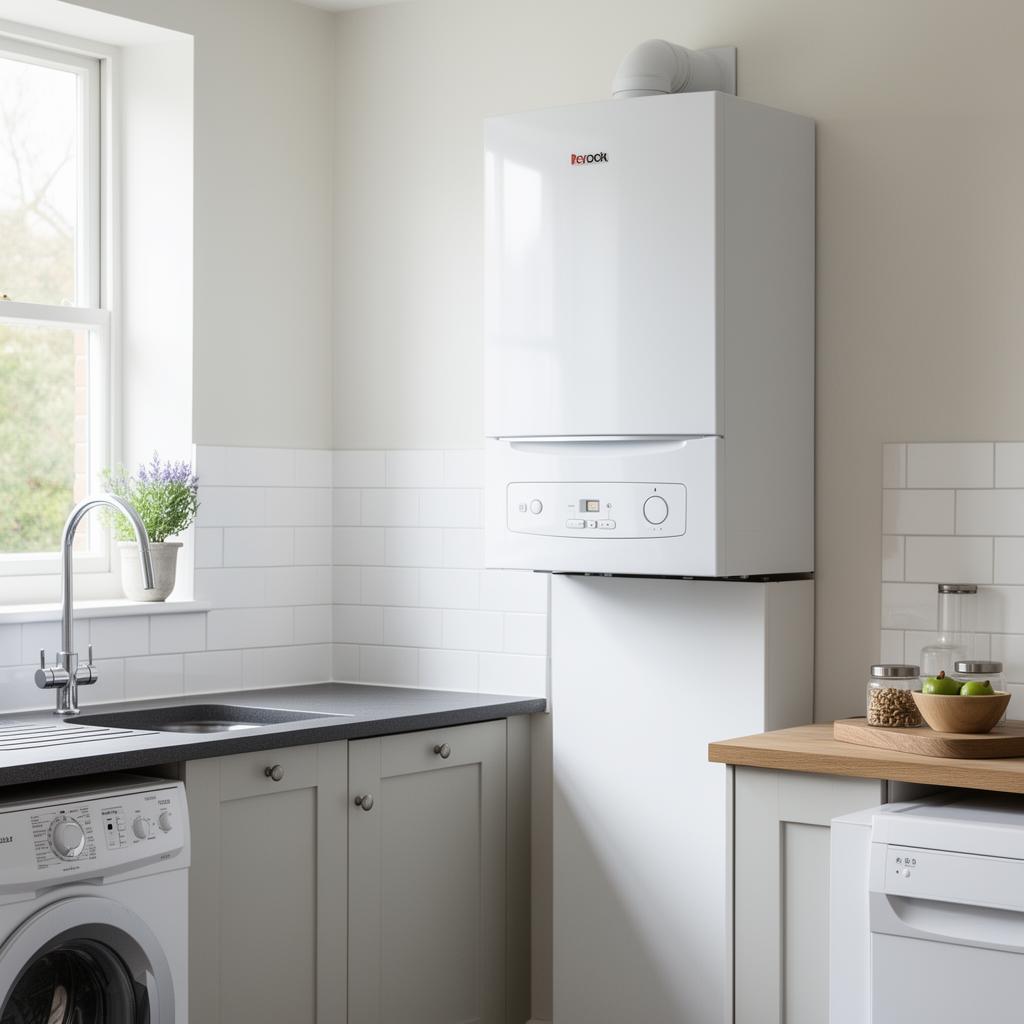
An air source heat pump in a well-insulated Greater Manchester home costs between £700 and £1,100 per year to run, compared to £800-£1,200 for a modern gas boiler in the same property. The gap is smaller than many people expect, and in poorly insulated homes, a heat pump can actually cost more to run than a gas boiler. The financial case for heat pumps depends heavily on your home’s insulation level, the heat pump’s efficiency, and whether you can access a cheaper electricity tariff.
Heat Pump vs Gas Boiler Running Costs Compared
| Factor | Air Source Heat Pump | Gas Boiler |
|---|---|---|
| Annual running cost (3-bed semi) | £840–£980 | £850–£950 |
| Fuel rate (per kWh) | 24.5p electricity | 6.8p gas |
| Efficiency | 300–350% (COP 3.0–3.5) | 90–94% |
| Annual maintenance | £100–£150 | £80–£120 |
| Typical lifespan | 20–25 years | 12–15 years |
| Carbon emissions (annual) | 1.0–1.2 tonnes CO₂ | 2.5–3.0 tonnes CO₂ |
In Greater Manchester, a well-installed heat pump in a properly insulated 3-bedroom semi runs at broadly similar annual costs to a gas boiler. The heat pump uses more expensive electricity but needs far less of it because of its 300 to 350 percent efficiency. The key variables are your home’s insulation level, radiator sizing and whether you use a time-of-use tariff to shift consumption to cheaper off-peak rates.
This comparison causes more confusion than almost any other topic in home energy. Manufacturers claim heat pumps are dramatically cheaper. Critics argue they are more expensive. The truth is somewhere in between, and it depends on your specific circumstances. Here is a transparent, numbers-based comparison for homes across Greater Manchester.
The Basic Maths
Running costs come down to two factors: the fuel price per kWh and the efficiency of the heating system. Let us start with the current energy prices:
- Gas: approximately 6.24p per kWh
- Electricity: approximately 24.5p per kWh
Electricity is roughly 4 times more expensive than gas per kWh. This means a heat pump needs to be at least 4 times more efficient than a gas boiler just to break even on running costs. Here is how the efficiency stacks up:
- Modern condensing gas boiler: 90-94% efficient (produces 0.9-0.94kWh of heat per 1kWh of gas)
- Air source heat pump: 280-350% efficient (produces 2.8-3.5kWh of heat per 1kWh of electricity) – expressed as a Seasonal Coefficient of Performance (SCOP) of 2.8-3.5
A heat pump with a SCOP of 3.5 produces heat at an effective cost of 7.0p per kWh (24.5p / 3.5). A gas boiler at 92% efficiency produces heat at 6.8p per kWh (6.24p / 0.92). That is almost exactly the same – the heat pump is marginally more expensive per unit of heat.
With a SCOP of 3.0 (more typical of a less-than-ideal installation), the heat pump produces heat at 8.2p per kWh – about 20% more expensive than gas.
With a SCOP of 4.0 (achievable in well-designed systems), the heat pump produces heat at 6.1p per kWh – cheaper than gas.
Real-World Numbers for Greater Manchester Homes
Let us look at three typical Greater Manchester homes and what the numbers mean in practice:
Well-insulated 3-bed semi in Stockport (12,000kWh heat demand):
- Gas boiler (92% efficient): 12,000 / 0.92 x 6.24p = £814 per year
- Heat pump (SCOP 3.2): 12,000 / 3.2 x 24.5p = £919 per year
- Heat pump on cheap tariff (15p/kWh off-peak): 12,000 / 3.2 x 15p = £563 per year
Average 3-bed terrace in Oldham (15,000kWh heat demand):
- Gas boiler (92% efficient): 15,000 / 0.92 x 6.24p = £1,017 per year
- Heat pump (SCOP 2.8): 15,000 / 2.8 x 24.5p = £1,313 per year
- Heat pump on cheap tariff (15p/kWh off-peak): 15,000 / 2.8 x 15p = £804 per year
Poorly insulated 4-bed detached in Bury (20,000kWh heat demand):
- Gas boiler (92% efficient): 20,000 / 0.92 x 6.24p = £1,357 per year
- Heat pump (SCOP 2.5): 20,000 / 2.5 x 24.5p = £1,960 per year
- Heat pump on cheap tariff (15p/kWh off-peak): 20,000 / 2.5 x 15p = £1,200 per year
Why the SCOP Matters So Much
The Seasonal Coefficient of Performance (SCOP) is the average efficiency of the heat pump across a full heating season, including cold spells when efficiency drops. It is the single most important number for predicting running costs.
A poorly designed or installed system in Greater Manchester might achieve a SCOP of only 2.5 – making it 25-45% more expensive to run than a gas boiler. A well-designed system with appropriately sized radiators, good insulation and a flow temperature of 35-40 degrees can achieve 3.2-3.8, which brings costs close to parity with gas or even lower.
The factors that most affect SCOP in Greater Manchester’s climate include:
- Flow temperature: The lower the temperature the heat pump needs to output, the more efficient it is. Underfloor heating (30-35 degrees) is ideal. Oversized radiators (40-45 degrees) are good. Small, existing radiators requiring 55-65 degrees significantly reduce efficiency.
- Home insulation: A well-insulated home needs less heat overall and can work with lower flow temperatures, both of which improve the SCOP.
- System design: A properly sized heat pump running at steady output is more efficient than an oversized one cycling on and off.
- Weather compensation: Modern heat pumps adjust their output temperature based on outdoor conditions. In Manchester’s mild autumn and spring, the pump runs at very high efficiency. In January cold snaps, efficiency drops.
The Electricity Tariff Opportunity
The comparison changes dramatically if you can access cheaper electricity. Several tariffs are designed for heat pump owners:
Octopus Cosy: Offers discounted electricity rates during off-peak periods including early morning and afternoon, aligning with typical heat pump operation. Effective rates can be 30-40% below the standard unit rate.
Time-of-use tariffs: Running the heat pump during off-peak hours (heating the home to temperature in the early morning while electricity is cheap) and allowing the insulation to maintain warmth during peak hours can cut running costs substantially.
Solar panels: Pairing a heat pump with solar panels means some of the electricity to run the pump comes from your own roof. In summer, solar can cover 60-80% of the heat pump’s electricity consumption (mostly for hot water). In winter, the contribution is smaller but still meaningful.
On a heat pump-friendly tariff, the running cost comparison tilts significantly in the heat pump’s favour, often making it £200-£500 per year cheaper than gas. Our guide on the best energy tariffs for North West households covers these options.
Total Cost of Ownership
Running costs are only part of the picture. Here is a full 15-year comparison:
- Gas boiler: Installation £2,500-£3,500. Annual running cost £900-£1,200. Annual servicing £80-£120. Expected lifespan 12-15 years. 15-year total: £17,200-£23,300.
- Heat pump (with government grant): Installation £5,000-£7,500 (after government grant (currently up to £7,500, subject to eligibility)). Annual running cost £700-£1,100. Annual servicing £100-£200. Expected lifespan 15-20 years. 15-year total: £17,000-£27,000.
The ranges overlap, which tells you the honest truth: for some homes, a heat pump is cheaper over its lifetime; for others, gas remains cheaper. The biggest variable is the SCOP achieved in practice, followed by the electricity tariff.
Making the Decision
If you are in Greater Manchester and deciding between a new gas boiler and a heat pump, here are clear pointers:
Heat pump makes sense if: Your home is well insulated, you can run radiators at 45 degrees or lower, you have or will install solar panels, you are willing to optimise your electricity tariff, and you want to decarbonise your heating.
Gas boiler makes sense if: Your home is poorly insulated and you cannot improve it, your radiators are small and need high flow temperatures, you want the simplest and cheapest replacement, or you plan to move within 5 years.
For many Greater Manchester homes, the answer is: insulate first, then install a heat pump. Improving your insulation reduces your heat demand and allows the heat pump to work at higher efficiency, tipping the running cost comparison in the heat pump’s favour. Our guide to solid wall insulation costs in Lancashire covers the most impactful improvement for older homes.
Will electricity get cheaper relative to gas?
Government policy is to rebalance energy prices by moving green levies from electricity bills to gas bills or general taxation, which would reduce the electricity-to-gas price ratio. If this happens, heat pumps become clearly cheaper to run than gas boilers. The timing and extent of this policy shift remain uncertain, but the direction of travel is clear.
Can I keep my existing radiators with a heat pump?
Often yes, particularly if your radiators are generously sized for the rooms they serve. Your installer will calculate whether your existing radiators can deliver enough heat at lower flow temperatures (40-50 degrees instead of 60-70). You may need to upgrade a few radiators in larger rooms to bigger models – budget £150-£300 per radiator including fitting.
What SCOP can I realistically expect in Greater Manchester?
Based on data from the Electrification of Heat project (which monitored real heat pump installations across the UK), the average SCOP for well-designed air source heat pump installations in the North West is around 2.8-3.2. Top-performing systems in well-insulated homes with low flow temperatures achieve 3.5-4.0. Systems with design issues or in poorly insulated homes may only achieve 2.2-2.5.
See what these numbers mean for your home
Free instant estimate — costs, savings, payback and grants for your region.

Related Articles
Heat Pump Installation Costs in 2026: The Real Numbers
Heat pumps are now the default replacement for gas boilers in UK government policy, but the question most homeowners ask first is always the same: how much does it actually…
28 May 2026
Infrared Panels vs Heat Pumps: Which Heating System Is Right for Your Home?
Comparing infrared panels vs heat pumps across cost, efficiency, running expenses, and grant eligibility. This guide helps UK homeowners choose the right low-carbon heating system for their property.
8 May 2026
Renewable Heating vs Gas Boiler: An Honest Cost and Comfort Comparison
An honest comparison of heat pumps, biomass and solar thermal against gas boilers on cost, comfort, maintenance, grants and carbon savings for UK homes.
8 May 2026