EV Charging Costs vs Petrol: Real Numbers for Lancashire Drivers
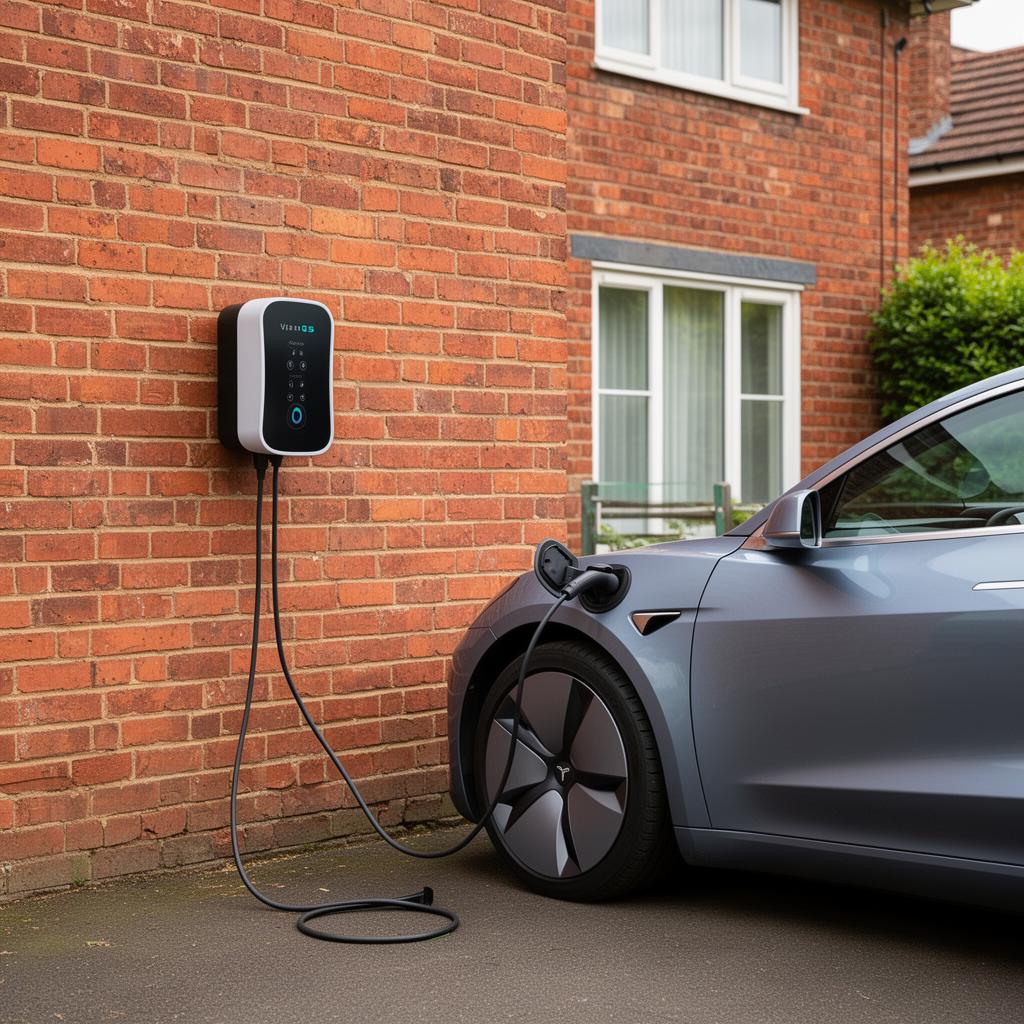
Driving an electric car in Lancashire costs between 2p and 8p per mile depending on how and where you charge, compared to 15-18p per mile for a typical petrol car. For a driver covering 10,000 miles per year, that is an annual fuel saving of £700-£1,600. Even accounting for higher insurance and potentially higher purchase costs, the total cost of running an EV is now lower than a petrol equivalent for most Lancashire drivers who charge at home.
EV Charging vs Petrol Costs Compared
| Metric | Electric Vehicle | Petrol Car |
|---|---|---|
| Cost per mile (home charging, standard tariff) | 5p to 7p | 14p to 18p |
| Cost per mile (off-peak EV tariff) | 2p to 3p | N/A |
| Annual fuel cost (10,000 miles) | £200–£700 | £1,400–£1,800 |
| Public rapid charging cost per mile | 10p to 14p | N/A |
| Annual road tax | £0 (until April 2025 then £190) | £165–£190+ |
Lancashire drivers switching from petrol to electric typically save £700 to £1,500 per year on fuel alone when charging at home. The savings are greatest on off-peak EV tariffs like Octopus Go (7p/kWh) or Intelligent Octopus (7.5p/kWh), which bring the cost per mile down to around 2p compared with 15p or more for a petrol equivalent. Even using public rapid chargers for every charge, an EV still costs less per mile than petrol in most scenarios.
But the headline figures only tell part of the story. Charging costs vary enormously depending on whether you charge at home, at work or at public chargers. Your tariff matters. The time of day matters. And not every Lancashire household has a driveway for a home charger. Here is a detailed, honest breakdown using real 2024 figures.
Home Charging Costs
Home charging is by far the cheapest way to fuel an EV, and it is where most Lancashire EV owners do the majority of their charging.
Standard flat-rate tariff (24.5p per kWh): A typical EV with a 60kWh battery and a real-world efficiency of 3.5 miles per kWh costs about 7p per mile. Charging from 20% to 80% (the recommended daily range) costs roughly £8.80 and gives about 130 miles of range. Annual cost for 10,000 miles: approximately £700.
Octopus Go off-peak (7.5p per kWh): The same car costs about 2.1p per mile. Charging from 20% to 80% costs just £2.70. Annual cost for 10,000 miles: approximately £210. This is the game-changing tariff for EV owners in the North West – it turns already cheap EV running costs into something remarkably affordable.
Octopus Intelligent Go (7.5p per kWh with extended off-peak): Similar pricing to Octopus Go but with a longer off-peak window and smart charging features that move your charging around to hit the cheapest slots. Annual cost for 10,000 miles: approximately £210-£250.
Solar-powered charging (free): If you have solar panels and charge your EV during the day (when you are working from home or the car is parked on the drive), your marginal charging cost is effectively zero. A 4kW solar system in Lancashire can provide 3,000-5,000 free EV miles per year. Our guide to home EV charger installation in Manchester covers chargers that integrate with solar.
Public Charging Costs
Public charging is significantly more expensive than home charging, but you will inevitably use it for longer journeys and when away from home. Here are typical 2024 rates across Lancashire and Greater Manchester:
- Slow chargers (7-22kW, e.g. at supermarkets): Some are still free (Tesco, Lidl at select locations). Others charge 30-40p per kWh. Cost per mile: 8-11p.
- Fast chargers (50kW): Typically 50-65p per kWh. Cost per mile: 14-19p. Found at motorway services, retail parks and dedicated charging hubs.
- Ultra-rapid chargers (100kW+): Typically 65-79p per kWh. Cost per mile: 19-23p. The fastest option but most expensive. Common at motorway services along the M6, M61 and M62.
The most expensive public chargers (79p per kWh) bring the cost per mile to around 23p – which is actually more expensive per mile than a fuel-efficient petrol car. This is why home charging is so important. If you rely entirely on expensive public rapid chargers, the financial case for an EV weakens considerably.
Petrol and Diesel Costs for Comparison
For a fair comparison, here are the current fuel costs for common petrol and diesel cars:
- Small petrol car (55mpg, e.g. Ford Fiesta): At 145p per litre, costs about 12p per mile. Annual fuel for 10,000 miles: £1,200.
- Medium petrol car (42mpg, e.g. Ford Focus): At 145p per litre, costs about 16p per mile. Annual fuel for 10,000 miles: £1,600.
- Large petrol SUV (32mpg, e.g. Nissan Qashqai petrol): At 145p per litre, costs about 21p per mile. Annual fuel for 10,000 miles: £2,100.
- Diesel car (55mpg, e.g. VW Golf diesel): At 153p per litre, costs about 13p per mile. Annual fuel for 10,000 miles: £1,300.
The Full Cost Comparison
Here is an annual running cost comparison for a medium-sized car covering 10,000 miles in Lancashire, including fuel/charging, road tax and typical servicing:
- EV (home charging on Octopus Go): Charging £210 + road tax £0 + servicing £100 = £310 per year
- EV (home charging on standard tariff): Charging £700 + road tax £0 + servicing £100 = £800 per year
- EV (50% home, 50% public fast charging): Charging £1,100 + road tax £0 + servicing £100 = £1,200 per year
- Petrol (medium car): Fuel £1,600 + road tax £180 + servicing £300 = £2,080 per year
- Diesel (medium car): Fuel £1,300 + road tax £180 + servicing £300 = £1,780 per year
The savings are substantial. An EV charged at home on a smart tariff saves approximately £1,770 per year compared to a petrol equivalent. Even on a standard tariff with some public charging, the EV still saves around £580 per year on running costs.
What About the Purchase Price?
EVs still cost more to buy than equivalent petrol cars, though the gap is narrowing. A new medium-sized EV (e.g. MG4, BYD Atto 3, Hyundai Kona Electric) starts at £26,000-£32,000, compared to £22,000-£28,000 for a petrol equivalent. Second-hand EVs are increasingly available too – a 3-year-old Nissan Leaf with 20,000 miles costs around £14,000-£17,000.
When you factor in the running cost savings of £800-£1,770 per year, the higher purchase price is offset within 2-5 years. After that, the EV is saving you money every year. And if you are financing the car, the lower monthly running costs often mean the total monthly outlay (finance payment plus fuel/charging) is similar or lower for the EV.
The Lancashire Factor: Your Driving Patterns
Lancashire’s geography suits EV ownership well for most drivers. The typical Lancashire commute is 10-25 miles each way (Preston to Blackpool, Burnley to Accrington, Lancaster to Morecambe), well within any modern EV’s range even in winter. Weekend trips to the Lake District, Yorkshire Dales or Manchester are 50-100 miles, easily achievable on a full charge.
Longer trips up the M6 to Scotland or down to London are where you will use public rapid chargers. The M6 has decent charging provision at most motorway services, with Gridserve, Instavolt and Tesla Superchargers at regular intervals. Plan a 20-30 minute charging stop every 150 miles and you can cover any UK journey.
Our guide to the best public EV charging points across Lancashire and Greater Manchester covers the local charging network in detail.
The Insurance Question
EV insurance premiums are currently 15-25% higher than equivalent petrol cars, mainly due to higher repair costs for battery damage and the relative scarcity of EV-trained mechanics. For a typical medium EV in Lancashire, expect to pay £50-£150 more per year on insurance compared to a petrol equivalent. This narrows the total savings but does not eliminate them.
Insurance costs for EVs are expected to fall as the market matures, more repair specialists enter the market and insurers gain more data on EV claims patterns.
Is it worth getting an EV if I cannot charge at home?
It depends on your local charging infrastructure. If you have reliable, affordable workplace charging or local slow chargers nearby, an EV can still work well. If your only option is expensive rapid chargers, the financial case weakens significantly. Check the charging network around your home and workplace using the Zap-Map app before committing.
Do EVs cost less in road tax?
In 2024, fully electric cars registered before April 2025 pay £0 in road tax (Vehicle Excise Duty). From April 2025, newly registered EVs will start paying the standard rate, currently £180 per year. EVs registered before that date retain the £0 rate until the rules change. This is another significant saving compared to petrol and diesel cars.
How much does it cost to charge an EV at a supermarket?
Many supermarkets in Lancashire offer free or low-cost slow charging while you shop. Tesco, through their partnership with Pod Point, offers free 7kW charging at many stores. Lidl and Aldi have chargers at selected locations. A typical 30-minute supermarket shop can add 10-15 miles of range for free – a useful top-up if you make it part of your routine.
See what these numbers mean for your home
Free instant estimate — costs, savings, payback and grants for your region.

Related Articles
Home EV Charger Costs in the North West: 2026 Prices, Grants and Running Costs
A 7kW home EV charger costs £800–£1,500 installed in the North West. Here are the 2026 numbers — including the £500 grant and 2–3p-per-mile overnight charging.
10 June 2026EV Chargers for Renters and Flat Owners: How the £500 Grant Works (2026)
The OZEV Chargepoint Grant now pays £500 per socket — but only renters and flat owners qualify. Here's exactly how to claim it in 2026.
10 June 2026
EV Home Charging: How Much Does It Really Cost to Charge at Home in 2026?
Update (June 2026): The OZEV Electric Vehicle Chargepoint Grant provides £500 per socket towards home charger installation for eligible renters and flat owners (increased from April 2026). Electric vehicles are…
28 April 2026