0% VAT on Energy Efficiency Products: Full List of What Qualifies
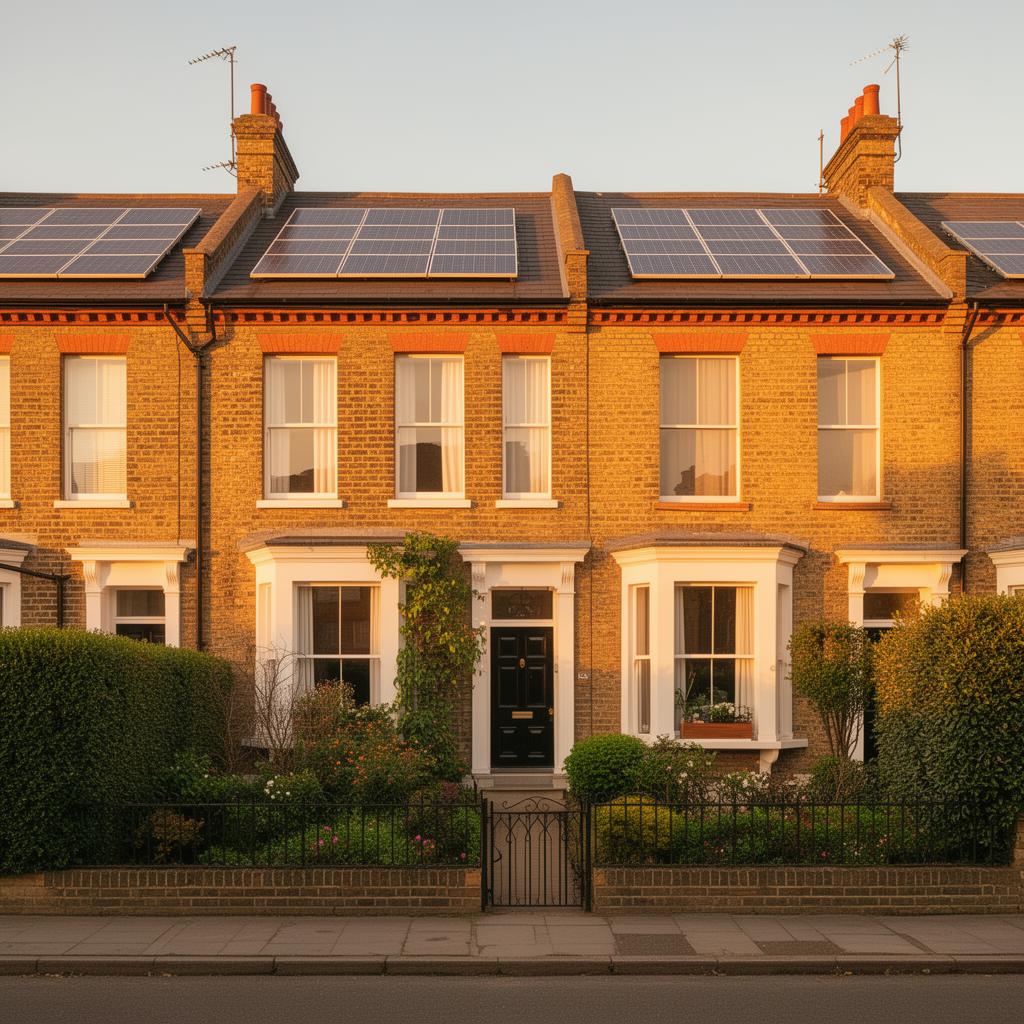
0% VAT energy efficiency products can save UK homeowners hundreds or even thousands of pounds on home improvements. Since April 2022, qualifying energy-saving materials installed in residential properties have been zero-rated for VAT, down from the previous 5% reduced rate. This relief, extended until at least 31 March 2027, applies to a wide range of products from heat pumps to insulation, solar panels to draught proofing. Here is the complete list of what qualifies.
Which Energy Efficiency Products Qualify for 0% VAT?
Since April 2022, the UK government has applied 0% VAT to the supply and installation of qualifying energy-saving materials in residential properties. This relief is available until March 2027 and applies to both materials and labour when installed by a VAT-registered contractor.
- Cavity wall insulation
- Loft and roof insulation
- Solid wall insulation (internal and external)
- Floor insulation
- Draught stripping
- Solar panels (photovoltaic)
- Solar thermal systems
- Heat pumps (air source and ground source)
- Biomass boilers and stoves
- Micro combined heat and power units
- Electric vehicle charge points
- Battery storage systems (when installed with solar)
- Heating controls and thermostats
- Water-source heat pumps
- Diverters (for use with solar PV)
The 0% VAT rate applies to installations in homes, charity buildings and armed forces accommodation. For a typical solar panel installation costing £8,000, the VAT saving is worth £1,600 compared to the standard 20% rate. Gas and oil boilers do not qualify for the relief, even when replacing an older model.
Which Products Qualify for 0% VAT?
The 0% VAT rate applies to the supply and installation of the following energy-saving materials in qualifying residential properties. Both the materials and the labour for installation are zero-rated when supplied together by a VAT-registered installer.
Heating Systems
- Air source heat pumps — Including air-to-water and air-to-air systems. A typical 8-12kW system costs £10,000 to £15,000 before grants, saving £500 to £750 in VAT at the old 5% rate
- Ground source heat pumps — Including borehole and horizontal loop systems. Typical costs of £15,000 to £30,000 mean VAT savings of £750 to £1,500
- Water source heat pumps — Less common but qualifying where water sources are available
- Heat batteries — Thermal storage units that store heat for later use, including phase-change material systems
- Biomass boilers — Wood pellet and log gasification boilers for properties where heat pumps are not suitable
Conventional gas and oil boilers do not qualify for 0% VAT. They remain subject to the standard 20% VAT rate on installation labour and materials.
Solar and Renewable Generation
- Solar photovoltaic (PV) panels — All residential solar panel installations qualify. A typical 4kW system at £5,500 to £7,500 saves £275 to £375 in VAT
- Solar thermal panels — Hot water heating panels that use the sun to warm your water directly
- Battery storage systems — Home batteries installed alongside or retrofitted to solar panel systems. A 5kWh battery at around £3,000 to £5,000 saves £150 to £250 in VAT
- Micro wind turbines — Small-scale wind generation for domestic use
- Micro combined heat and power (CHP) — Units that generate both electricity and heat for the home
Insulation Products
- Loft insulation — Mineral wool, cellulose fibre, sheep’s wool and all other loft insulation materials
- Cavity wall insulation — Blown bead, foam and mineral fibre cavity fill
- Solid wall insulation — Both internal and external wall insulation systems
- Floor insulation — Rigid board and spray foam underfloor insulation
- Roof insulation — Flat roof and pitched roof insulation systems
- Hot water cylinder insulation — Jackets and spray foam for hot water tanks
- Pipe insulation — Lagging for hot water and central heating pipes
All types of insulation qualify, regardless of the material used, provided it is installed in a residential property.
Draught Proofing and Ventilation
- Draught proofing — Draught strips, excluders and sealants for doors, windows, letterboxes, keyholes and other gaps
- Mechanical ventilation with heat recovery (MVHR) — Whole-house ventilation systems that recover heat from extracted air. Note: MVHR was added to the qualifying list in 2023, reflecting its importance in maintaining air quality in well-insulated homes
Heating Controls
- Thermostatic radiator valves (TRVs) — Individual room temperature control valves fitted to radiators
- Programmers and timers — Heating system timing controls
- Room thermostats — Including smart thermostats
- Hot water tank thermostats — Temperature control for hot water cylinders
- Boiler interlocks and optimisers — Controls that improve heating system efficiency
Glazing and Doors
Double and triple glazing do not qualify for 0% VAT as standalone products. However, if replacement windows are installed as part of a wider energy efficiency project that includes qualifying measures, the windows may be included within the scope of the work. Double glazing remains subject to the standard 20% VAT rate when installed independently.
What Does NOT Qualify for 0% VAT
Several common home improvement products are excluded from the relief:
- Gas and oil boilers — Standard 20% VAT applies to all fossil fuel heating system installations
- Double and triple glazing — Standard 20% VAT when installed as a standalone measure
- Electric radiators and storage heaters — Unless they are classified as heat pumps or infrared heating panels (check with your installer)
- General building work — Extending or renovating a property does not qualify even if insulation is included
- DIY purchases — The 0% rate applies to supply and installation together. If you buy materials from a DIY store and install them yourself, the standard VAT rate applies to the purchase
- Commercial properties — The relief is for residential dwellings only
How Much Can You Save with 0% VAT?
The saving depends on the value of the work. Here are typical examples:
| Measure | Typical Installed Cost (2026) | VAT Saving (vs 5% old rate) | VAT Saving (vs 20% standard rate) |
|---|---|---|---|
| Air source heat pump | £10,000 – £15,000 | £500 – £750 | £2,000 – £3,000 |
| Ground source heat pump | £18,000 – £30,000 | £900 – £1,500 | £3,600 – £6,000 |
| 4kW solar PV system | £5,500 – £7,500 | £275 – £375 | £1,100 – £1,500 |
| Battery storage (5kWh) | £3,000 – £5,000 | £150 – £250 | £600 – £1,000 |
| External wall insulation | £8,000 – £15,000 | £400 – £750 | £1,600 – £3,000 |
| Cavity wall insulation | £500 – £1,500 | £25 – £75 | £100 – £300 |
| Loft insulation (full house) | £500 – £1,000 | £25 – £50 | £100 – £200 |
| Biomass boiler | £10,000 – £20,000 | £500 – £1,000 | £2,000 – £4,000 |
For a household combining a heat pump, solar panels and insulation in a single project, the total VAT saving can reach £2,000 to £4,000 compared to what they would have paid before April 2022.
Which Properties Qualify?
The 0% VAT rate applies to installations in:
- Owner-occupied homes — Houses, flats, bungalows and maisonettes
- Privately rented properties — Where the landlord pays for the installation
- Social housing — Council and housing association properties
- Second homes — Holiday homes and second properties qualify, though the property must be residential
- New-build properties — Though new builds are already zero-rated for VAT on the construction itself
The only restriction that was removed in 2022 was the previous condition that limited the 5% rate to installations where the cost of materials did not exceed 60% of the total cost. Under the current 0% relief, there is no such restriction. The full cost of both materials and installation labour is zero-rated.
What Happens When the 0% VAT Relief Expires?
The current 0% VAT rate is legislated to remain in place until 31 March 2027. After that date, the rate is currently scheduled to revert to 5% (the reduced rate that applied before April 2022), not the standard 20% rate.
However, there is strong lobbying from industry bodies, environmental groups and cross-party politicians to make the 0% rate permanent. The arguments are compelling: the VAT relief removes a barrier to take-up, supports the government’s net zero targets, and the revenue cost to the Treasury is relatively modest compared to the economic and environmental benefits.
If the 0% rate does expire, homeowners considering energy efficiency improvements should aim to have installation completed before 31 March 2027. The VAT rate that applies is based on the date the work is completed and invoiced, not the date you place the order. If you are planning significant work, this creates a financial incentive to act sooner rather than later.
To get started with a project before the deadline, request a free quote now.
How to Ensure Your Installer Applies 0% VAT Correctly
To receive the 0% VAT rate, certain conditions must be met:
- The installer must be VAT-registered. If your installer is not VAT-registered (turnover below £90,000), they do not charge VAT at all, so the rate is irrelevant
- Materials and installation must be supplied together. The 0% rate applies when the installer supplies and fits the product. It does not apply to materials purchased separately
- The property must be residential. Commercial installations do not qualify
- The invoice must show 0% VAT on the qualifying items. Check your invoice to ensure the correct rate has been applied
If your installer charges you 5% or 20% VAT on qualifying products, query it immediately. They should either correct the invoice or explain why the 0% rate does not apply to your specific situation.
Combining 0% VAT with Government Grants
The 0% VAT relief stacks with all government grant schemes. This means:
- A heat pump costing £12,000 qualifies for a £7,500 BUS grant, leaving you to pay £4,500 with no VAT on top
- Insulation costing £3,000 under ECO4 may be fully funded, but if you contribute towards the cost, your contribution is at 0% VAT
- Solar panels and batteries purchased privately benefit from 0% VAT on the full amount, and you can also claim Smart Export Guarantee payments for surplus electricity
Frequently Asked Questions About 0% VAT on Energy Efficiency
Does 0% VAT apply if I buy insulation from a DIY store and fit it myself?
No. The 0% VAT rate only applies when the materials and installation are supplied together by the same installer. If you buy materials separately from a retailer, you pay the standard 20% VAT on the purchase price. The DIY route may still be cheaper overall for simple jobs like loft insulation, but you lose the VAT benefit.
Are electric storage heaters and infrared panels covered by 0% VAT?
Standard electric storage heaters do not qualify. Infrared heating panels occupy a grey area: if classified as an energy-saving material under the legislation, they may qualify, but this depends on the specific product and how it is categorised. Check with your installer and ask them to confirm the VAT treatment in writing before proceeding.
Can I claim back VAT I already paid on qualifying products before April 2022?
No. The 0% rate only applies to installations completed on or after 1 April 2022. You cannot retrospectively claim a refund for VAT paid on earlier installations. Before April 2022, a 5% reduced rate applied to most energy-saving materials, and a 20% rate applied to some products that have since been added to the qualifying list.
Does the 0% VAT rate apply to battery storage installed without solar panels?
Yes. Since the legislation was updated, battery storage systems qualify for 0% VAT whether installed alongside solar panels or retrofitted to an existing system. A standalone battery that you charge from the grid (for example, to take advantage of cheap overnight electricity rates) also qualifies, provided it is installed in a residential property by a VAT-registered installer.
What about conservatory roof replacements with insulated panels?
A conservatory roof replacement that includes insulation may partially qualify, but the VAT treatment depends on whether the work is classified as an insulation installation or a building alteration. If the primary purpose is to insulate the roof space, the insulation component may qualify for 0% VAT. Discuss with your installer and their accountant to confirm the correct treatment for your specific project.
See what these numbers mean for your home
Free instant estimate — costs, savings, payback and grants for your region.

Related Articles
Heat Pump Grant Rises to £9,000 for Oil and LPG Homes From 21 July 2026
The standard Boiler Upgrade Scheme grant stays at £7,500. From 21 July 2026 to 31 March 2027, homes currently heated by oil or LPG get an increased £9,000 grant. Corrected…
10 June 2026
The Warm Homes Plan 2026: What Every UK Homeowner Needs to Know
The UK government’s Warm Homes Plan is the biggest energy efficiency programme in British history. Launched in January 2026 with up to £15 billion in funding, it aims to upgrade…
5 June 2026
ECO4 Scheme 2026: Who Qualifies, What’s Covered and How to Apply
The ECO4 scheme runs until December 2026, offering fully funded insulation and heating upgrades for eligible UK households. Find out if you qualify through benefits or the ECO4 Flex route,…
11 May 2026