The Boiler Upgrade Scheme Explained: How to Claim Your £7,500 Heat Pump Grant
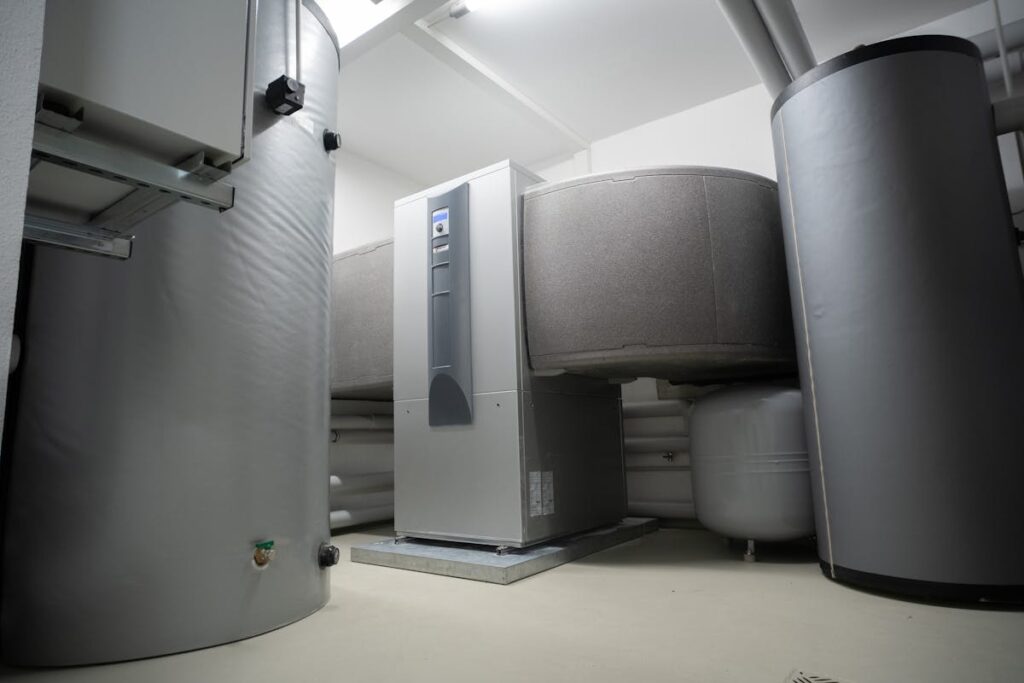
The Boiler Upgrade Scheme (BUS) is a UK government grant that pays up to £7,500 towards replacing your fossil fuel heating system with a heat pump. It has been running since 2022 and has been extended with additional funding through to at least March 2028. If you are considering a heat pump, this is the most significant financial support currently available. Here is how the scheme works, what you can get, and how to apply.
How Does the Boiler Upgrade Scheme Work?
The Boiler Upgrade Scheme (BUS) is a UK government grant that pays up to £7,500 towards replacing your gas, oil or LPG boiler with an air source or ground source heat pump. Available to homeowners in England and Wales, the grant is applied directly to your installation cost by an MCS-certified installer, so you never handle the funding yourself.
How to Claim the Boiler Upgrade Scheme
- Check your eligibility — you must own your property in England or Wales and currently heat with a fossil fuel system such as gas, oil or LPG
- Get quotes from MCS-certified installers — only installers on the Microgeneration Certification Scheme can apply on your behalf
- Your installer submits the application to Ofgem through the official BUS portal
- Ofgem issues a grant voucher valid for 120 days, confirming your approved funding of up to £7,500
- Installation is completed and Ofgem pays the grant directly to your installer, reducing your final bill
The key point many homeowners miss is that you do not apply for the Boiler Upgrade Scheme yourself. Your MCS-certified installer handles the entire Ofgem application process. Your role is to choose a qualified installer, confirm you meet the eligibility criteria and ensure the installation is completed within the 120-day voucher window.
What Is the Boiler Upgrade Scheme?
The BUS is administered by Ofgem on behalf of the UK government. It provides upfront grants to reduce the cost of installing low-carbon heating systems in homes and small commercial properties in England and Wales. The grant is paid directly to your installer, so it comes off the price you pay rather than being reimbursed to you afterwards.
The government has committed approximately £400 million in funding for 2026-27 for the scheme, with the budget confirmed through to March 2030.
How Much Is the Grant?
The grant amounts as of 2026 are:
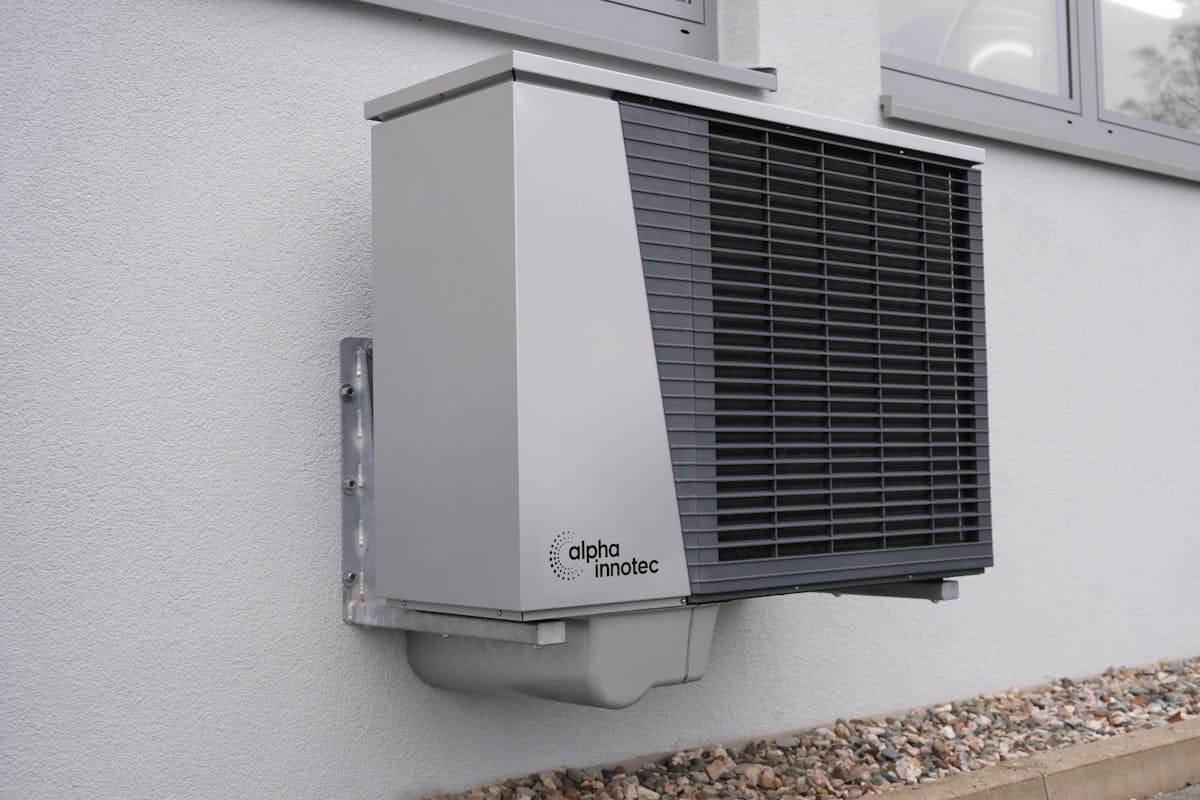
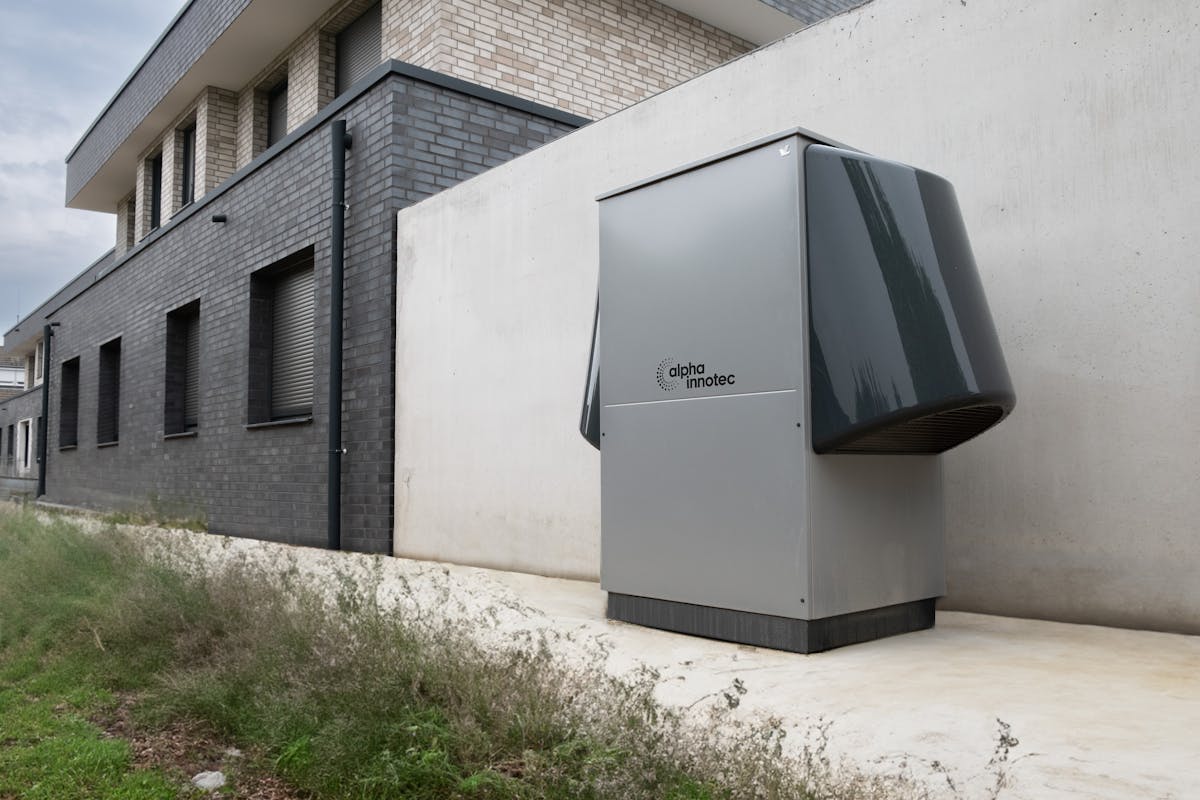
- Air source heat pump (air-to-water): £7,500.
- Ground source heat pump: £7,500.
- Water source heat pump: £7,500.
- Air-to-air heat pump: £2,500 (available from 28 April 2026, for properties replacing direct electric heating only).
- Biomass boiler: £5,000 (restricted to rural properties not connected to the gas grid).
The £7,500 amount for air source and ground source heat pumps has been in place since October 2025, when it was increased from the previous £7,500 for ground source and £5,000 for air source. Both technologies now receive the same grant amount.
To put these figures in context, a typical air source heat pump installation costs approximately £10,000 to £15,000 before the grant. With the £7,500 BUS grant applied, the net cost is estimated at £2,500 to £7,500 depending on the system size and complexity of the installation.
Who Is Eligible?
The scheme is open to homeowners and small business owners in England and Wales. To qualify, you must meet all of the following criteria:
- You own the property: the scheme is for property owners, not tenants. Landlords can apply for properties they own and rent out.
- You are replacing an existing fossil fuel or electric heating system: this includes gas boilers, oil boilers, LPG boilers, electric storage heaters, and electric panel heaters. You cannot use the grant to replace an existing heat pump or other low-carbon system.
- The property is in England or Wales: Scotland and Northern Ireland have separate schemes.
- Your installer is MCS-certified: the Microgeneration Certification Scheme (MCS) is the industry standard. Only MCS-certified installers can apply for BUS grants on your behalf.
What the Scheme Does NOT Cover
There are some clear exclusions to be aware of:
- New build properties: most new builds are not eligible. The exception is if you purchase a completed new build that already has a fossil fuel heating system installed, though this is uncommon.
- Social housing: properties classified as social housing are excluded from the BUS. Social housing providers have access to separate funding streams such as the Social Housing Decarbonisation Fund.
- Hybrid heat pump systems: systems that combine a heat pump with a gas boiler are not eligible for the grant.
- Replacing an existing low-carbon system: if you already have a heat pump, biomass boiler, or other renewable heating system, you cannot use the BUS to replace it.
- Properties that have already received other public funding for the same measure: you cannot combine the BUS with other government grants for the same heat pump installation.
How to Apply: Step by Step
You do not apply for the BUS grant yourself. Your installer handles the application through the Ofgem portal. Here is the typical process:
- Step 1 – Get quotes from MCS-certified installers: choose an installer who is registered with MCS and experienced with BUS applications. They will survey your property and recommend an appropriate system.
- Step 2 – Your installer applies to Ofgem: once you have agreed to proceed, your installer submits the grant application through the Ofgem BUS portal. They will need your property details and confirmation that you are the owner.
- Step 3 – Ofgem issues a grant voucher: if the application is approved, Ofgem issues a voucher confirming the grant amount. This typically takes a few working days.
- Step 4 – Installation must be completed within the voucher period: the voucher is valid for 120 days from the date of issue. Your installer must complete and commission the system within this window.
- Step 5 – Ofgem pays the installer: once the installation is complete and the installer has submitted the required evidence (including MCS certification), Ofgem pays the grant amount directly to the installer. This is deducted from your bill, so you only pay the balance.
Voucher Validity and Extensions
The standard voucher is valid for 120 days (approximately 4 months). If your installation is delayed for legitimate reasons, such as supply chain issues or DNO (Distribution Network Operator) approval for the electrical connection, your installer can request an extension. Ground source heat pump installations, which are more complex, may be given longer timeframes.
If a voucher expires before installation is complete, it is possible to reapply, but there is no guarantee of approval and you will join the queue again. It is best to have your installer lined up and ready before the voucher application is submitted.
What About Running Costs?
A heat pump will change your energy bills. You will use more electricity but eliminate your gas or oil costs. Under the Q2 2026 energy price cap, electricity is approximately 24.7p per kWh and gas is approximately 5.7p per kWh. Because a well-installed heat pump typically delivers 3 to 4 units of heat for every unit of electricity consumed (known as the Coefficient of Performance or COP), the effective cost per unit of heat is estimated at 6p to 8p per kWh. That is broadly comparable to gas heating costs, and lower than oil or LPG.
Homes with good insulation, underfloor heating, or larger radiators will see the best performance from a heat pump. If your home is poorly insulated, it is worth addressing that first to get the most out of the system.
How to Get Started
The first step is to get quotes from MCS-certified heat pump installers who can handle the BUS application on your behalf. A good installer will survey your property, recommend the right size and type of heat pump, and give you a clear breakdown of costs after the grant is applied. You can compare quotes from approved installers in your area through Green Reach Energy to find the best option for your home.
See what these numbers mean for your home
Free instant estimate — costs, savings, payback and grants for your region.

Related Articles
Heat Pump Grant Rises to £9,000 From 1 July 2026: What It Means For You
From 1 July 2026 the Boiler Upgrade Scheme rises from £7,500 to £9,000 for air and ground source heat pumps. Timing your installation could be worth £1,500.
10 June 2026
The Warm Homes Plan 2026: What Every UK Homeowner Needs to Know
The UK government’s Warm Homes Plan is the biggest energy efficiency programme in British history. Launched in January 2026 with up to £15 billion in funding, it aims to upgrade…
5 June 2026
ECO4 Scheme 2026: Who Qualifies, What’s Covered and How to Apply
The ECO4 scheme runs until December 2026, offering fully funded insulation and heating upgrades for eligible UK households. Find out if you qualify through benefits or the ECO4 Flex route,…
11 May 2026