Solar Thermal for Hot Water: Is It Still Worth It in 2026
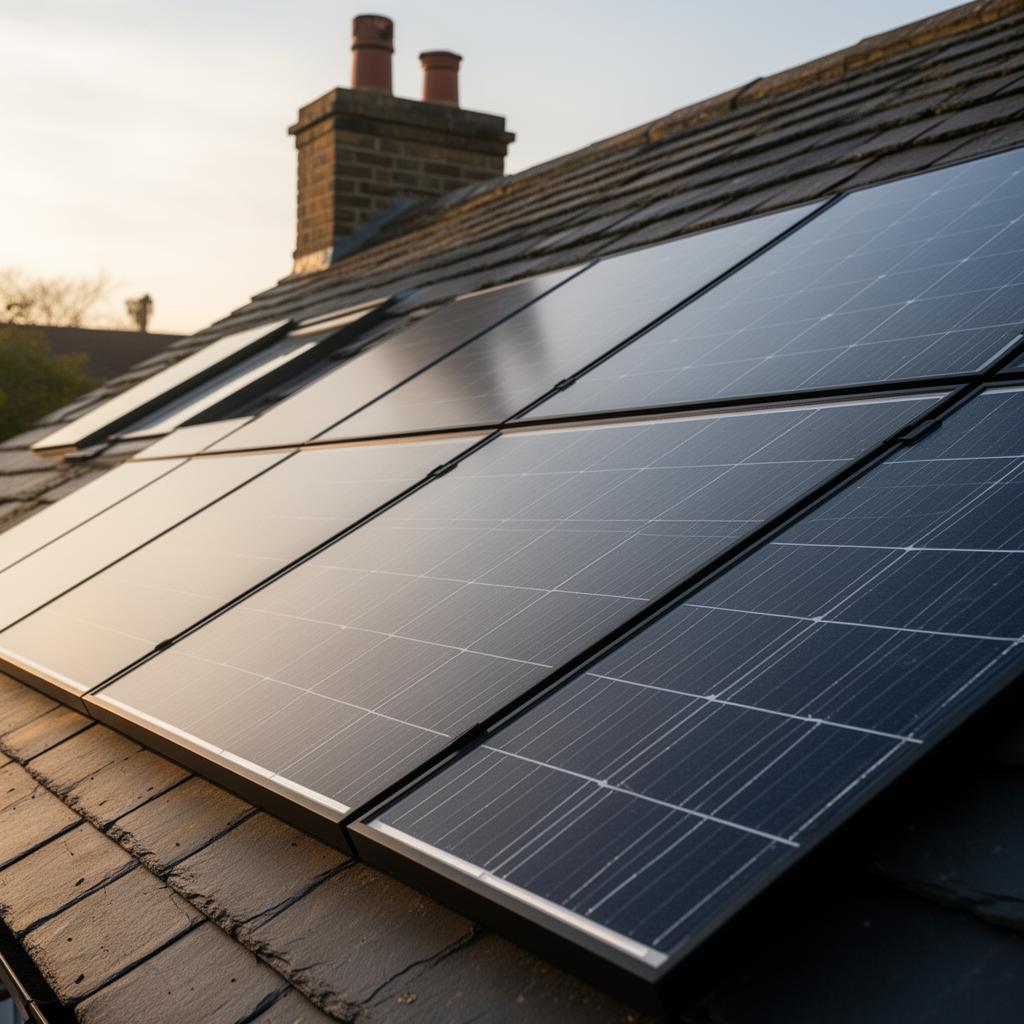
Solar thermal panels have been heating hot water in UK homes for decades, long before solar PV became mainstream. But in 2026, with photovoltaic panel prices at historic lows and solar diverter technology making it easy to heat water with PV electricity, the question is whether dedicated solar thermal hot water systems are still worth it in the UK. This guide examines the costs, savings, maintenance requirements, and practicalities of solar thermal in today’s market, and compares it directly with the PV-plus-diverter alternative.
How Solar Thermal Hot Water Systems Work
A solar thermal system uses roof-mounted collectors to absorb heat from the sun and transfer it to a fluid (usually a glycol antifreeze mix) that circulates through a coil in your hot water cylinder. The sun heats the fluid, the fluid heats your water. It is a simple, well-proven technology.
There are two main types of solar thermal collector:
- Flat plate collectors – Resemble a large, dark radiator behind glass. They are cheaper, simpler, and more robust. Typical cost: £3,000-£4,500 installed.
- Evacuated tube collectors – Consist of rows of glass tubes with a vacuum inside for superior insulation. They perform better in cold or cloudy conditions but cost more. Typical cost: £4,000-£6,000 installed.
Both types require a compatible hot water cylinder with a dedicated solar coil. If your existing cylinder does not have one, you will need a replacement cylinder, adding £500-£1,000 to the installation cost.
How Much Hot Water Can Solar Thermal Provide?
A well-designed solar thermal system in the UK can provide 50-70% of a household’s annual hot water needs. During summer months (May to September), solar thermal can cover nearly 100% of hot water demand, with the conventional boiler or immersion heater barely needed.
In winter, solar thermal output drops significantly but still makes a meaningful contribution, pre-heating cold water from around 8 degrees to 20-30 degrees before the boiler tops it up to the required temperature. This reduces the energy your boiler needs by roughly 30-40% even in the coldest months.
Annual savings depend on what fuel you are currently using to heat water:
| Current Water Heating | Annual Hot Water Cost | Solar Thermal Saving | Annual Saving |
|---|---|---|---|
| Gas boiler | £150-£250 | 50-70% | £80-£175 |
| Electric immersion | £350-£550 | 50-70% | £180-£385 |
| Oil boiler | £200-£350 | 50-70% | £100-£245 |
| Heat pump | £100-£200 | 50-70% | £50-£140 |
The savings are most significant for homes using electric immersion heaters, where the cost of heating water is highest. For gas-heated homes, the savings are more modest because gas remains relatively cheap per kWh.
Solar Thermal Maintenance Requirements
Solar thermal systems require more maintenance than solar PV because they have moving parts and pressurised fluid circuits. Typical maintenance tasks include:
- Annual inspection – Check the pump, pressure gauge, glycol condition, and flow rates. Cost: £80-£150.
- Glycol replacement – The antifreeze fluid degrades over time and needs replacing every 3-5 years. Cost: £100-£200.
- Pump replacement – The circulation pump has a typical lifespan of 8-12 years. Cost: £150-£300.
- Expansion vessel recharge – The pressure vessel may need recharging every few years. Typically done during the annual inspection.
Over a 20-year period, total maintenance costs for solar thermal typically amount to £2,000-£3,500. This is a significant ongoing expense that solar PV does not have, as PV panels have no moving parts and require no regular servicing.
Solar PV With a Diverter: The Modern Alternative
The combination of solar PV panels and a solar diverter (such as the Myenergi Eddi or iBoost+) has become the most popular way to use solar energy for hot water. Instead of dedicated thermal collectors, surplus PV electricity is diverted to your existing immersion heater.
The setup is straightforward: your PV panels generate electricity, and whenever generation exceeds household demand, the diverter automatically redirects the surplus to the immersion heater. The result is free hot water from solar energy, just like solar thermal, but using electrical rather than thermal technology.
The key advantages of the PV-plus-diverter approach:
- Versatility – PV panels generate electricity for everything, not just hot water. Any surplus beyond hot water needs can power other appliances or be exported for income.
- Lower maintenance – No fluids, no pumps, no glycol replacement. The diverter is an electronic device with no moving parts.
- Lower total cost – If you are installing PV anyway, the diverter adds just £300-£500 to the system cost.
- Simpler installation – No need for a solar coil in the cylinder. The diverter connects to your existing immersion heater.
Solar Thermal vs PV With Diverter: Direct Comparison
| Factor | Solar Thermal | PV + Diverter |
|---|---|---|
| Installation cost (standalone) | £3,000-£6,000 | £6,000-£8,000 (full PV system) |
| Added cost for hot water | Full cost above | £300-£500 (diverter only) |
| Annual hot water saving | £80-£385 | £80-£385 |
| Additional benefits | Hot water only | Electricity for all uses + export income |
| Annual maintenance cost | £80-£150 | Nil |
| System lifespan | 15-20 years | 25-30 years |
| Roof space needed | 2-4 m2 | 15-25 m2 (full system) |
| Winter performance | Moderate (pre-heating) | Lower (less surplus to divert) |
| Compatibility | Needs solar cylinder | Works with standard immersion |
When Solar Thermal Still Makes Sense
Despite the strong case for PV-plus-diverter, there are situations where solar thermal remains a sensible choice:
- Limited roof space – Solar thermal collectors are compact (2-4 m2) and very efficient at capturing heat per square metre. If your roof cannot accommodate enough PV panels for a viable system, solar thermal may be the better option.
- Already have a solar cylinder – If your home already has a twin-coil hot water cylinder with a solar connection (common in homes built after 2010), the cost of adding solar thermal is reduced because the cylinder does not need replacing.
- No electricity demand – Holiday homes or buildings with very low electricity needs but significant hot water demand may benefit more from thermal than PV.
- Combining with a heat pump – Solar thermal can pre-heat water entering the heat pump cylinder, reducing the heat pump’s electricity consumption. Some installers recommend this combination for maximum efficiency.
Is Solar Thermal Worth It in 2026? The Verdict
For most UK homeowners considering a new installation in 2026, solar PV with a diverter has overtaken solar thermal as the smarter investment. The ability to generate electricity for all purposes, not just hot water, combined with lower maintenance costs and longer lifespan, makes PV the more versatile and financially rewarding choice.
Solar thermal is not obsolete. It remains an effective technology that works well, particularly in retrofit situations where roof space is limited or a compatible cylinder already exists. But for a new installation where you are choosing one or the other, PV wins in most scenarios.
If you already have solar thermal panels and they are working well, there is no need to replace them. They will continue providing free hot water for years to come. When they eventually reach the end of their life, replacing with PV at that point would be the logical upgrade.
To explore solar PV options for your home, including a diverter for free hot water, get a free quote from MCS-certified installers in your area.
Frequently Asked Questions
Can I have both solar thermal and solar PV on my roof?
Yes, and some homes do have both, particularly where the thermal panels were installed first and PV was added later. However, if you are starting from scratch and have enough roof space, installing PV across the entire available area and adding a diverter for hot water is usually more cost-effective than splitting the space between two different technologies.
Do solar thermal panels work in winter in the UK?
Yes, though output is reduced. Evacuated tube collectors perform better than flat plate collectors in cold, cloudy conditions. Even in December, solar thermal will pre-heat cold mains water from around 8 degrees to 15-25 degrees, reducing the energy your boiler needs to bring it to the required 55-60 degrees. This still saves energy, just less dramatically than in summer.
How long do solar thermal panels last?
Solar thermal collectors typically last 15-20 years for flat plate systems and 20-25 years for evacuated tubes, though individual tube replacements may be needed periodically. The pump and controller may need replacing after 10-12 years. Overall, a well-maintained solar thermal system should deliver at least 20 years of service.
Can I get a grant for solar thermal in 2026?
Solar thermal panels qualify for 0% VAT on residential installations until March 2027. They are also eligible under the Warm Homes Local Grant for qualifying households. However, solar thermal is not eligible for the Boiler Upgrade Scheme, which covers heat pumps only. Check the latest government guidance for the most current information on available support.
See what these numbers mean for your home
Free instant estimate — costs, savings, payback and grants for your region.

Related Articles
Is Solar Battery Storage Worth It in 2026?
Solar panels are now a common sight on UK rooftops, but the real game-changer in 2026 is battery storage. A home battery lets you store the electricity your panels generate…
2 June 2026
Why Spring Is the Perfect Time to Install Solar Panels
If you have been thinking about solar panels for a while but never quite pulled the trigger, spring is the moment to act. The combination of lengthening days, mild installation…
23 April 2026
How the Energy Price Cap Affects Heat Pump and Solar Panel Payback
See how the energy price cap affects heat pump and solar panel payback periods. Real calculations using current UK unit rates show why investing now locks in stronger returns.
15 April 2026