Smart Meters 2026: Your Rights, Obligations and When You Can Refuse
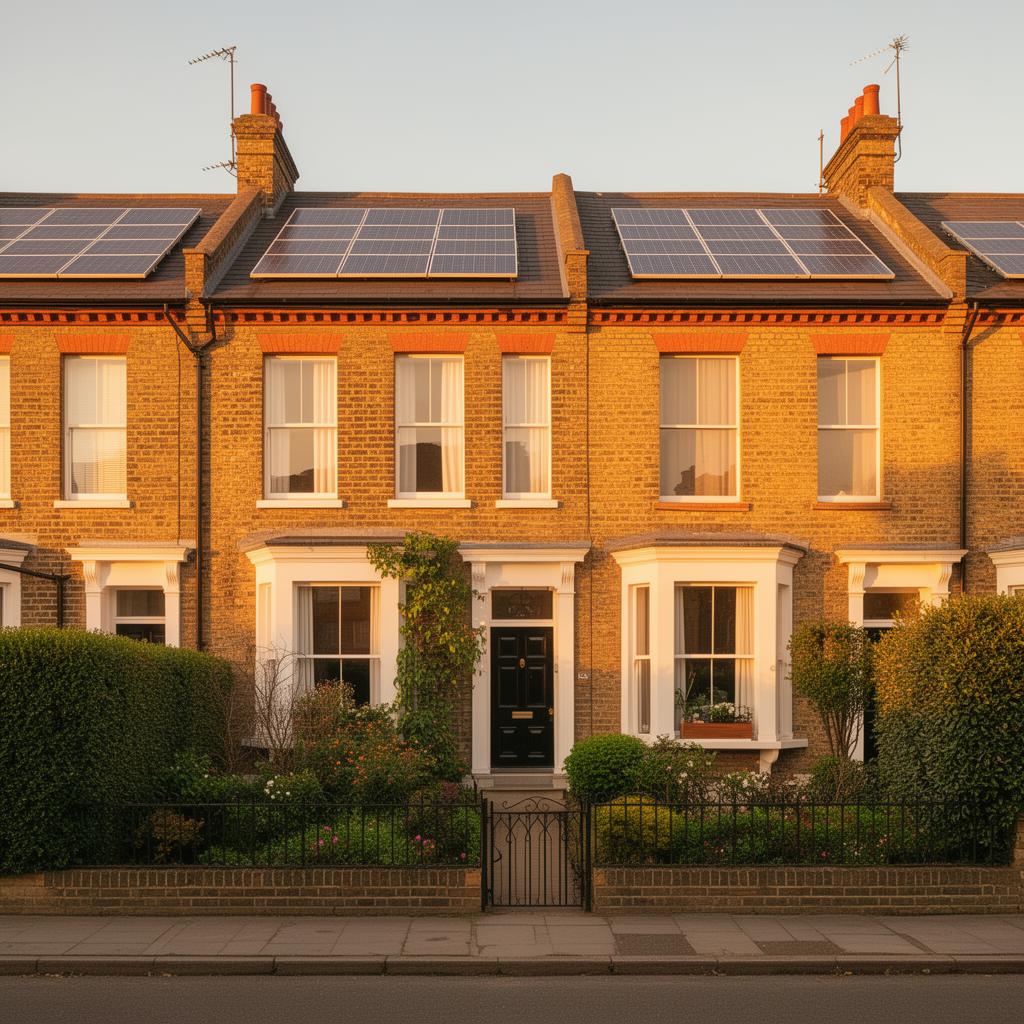
Smart meter rights UK 2026 is a topic generating more questions than ever as the rollout accelerates towards the government’s 2030 target. Roughly 38 million smart meters have been installed across Great Britain, covering around 65% of all households. But confusion persists about whether installation is compulsory, what happens if you refuse, and what protections exist if things go wrong. This guide sets out your rights clearly.
Can You Refuse a Smart Meter in 2026?
Yes, you can still refuse a smart meter in 2026. Smart meters are not legally mandatory for UK households, and your energy supplier cannot force you to have one installed. However, suppliers are required to offer smart meters to all customers and may contact you repeatedly to book an installation. You have the right to decline without any penalty or change to your tariff.
That said, refusing a smart meter means you will miss out on certain benefits. Smart meters provide real-time usage data, eliminate estimated bills, and are required for some time-of-use tariffs that offer cheaper overnight electricity rates. If you already have a first-generation SMETS1 meter that stopped communicating after a supplier switch, you can request an upgrade to a SMETS2 model at no cost.
Are Smart Meters Mandatory in the UK?
No. Smart meters are not legally mandatory for domestic consumers in the UK. Your energy supplier has a legal obligation to offer you a smart meter and to take all reasonable steps to install one, but you have the right to refuse.
The relevant legislation, the Electricity Act 1989 and Gas Act 1986 as amended by the Smart Meters Act 2018, places the obligation on suppliers to roll out smart meters, not on consumers to accept them. Ofgem has confirmed that suppliers cannot force a smart meter on a customer who does not want one, except in specific circumstances related to debt recovery (covered below).
If your supplier pressures you into accepting a smart meter, you can:
- Tell them clearly that you do not wish to have one installed
- Put your refusal in writing for the record
- Complain to the supplier if they continue to pressure you
- Report persistent pressure to the Citizens Advice consumer service on 0808 223 1133
That said, there are good reasons to consider accepting a smart meter. They provide real-time energy usage data, eliminate estimated bills, enable access to cheaper time-of-use tariffs, and make it easier to manage your energy consumption alongside measures like solar panels and home battery storage.
When Your Supplier Can Force a Prepayment Meter
While you can refuse a smart meter under normal circumstances, there is one important exception. If you owe a debt to your energy supplier, they have the legal power to install a prepayment meter to recover the debt. Since most new prepayment meters are smart meters, this effectively means a smart meter can be installed against your wishes in debt situations.
However, following the prepayment meter scandal of 2022-2023, where suppliers were found to be forcibly installing prepayment meters in the homes of vulnerable people including elderly customers and families with young children, Ofgem introduced strict new rules:
- Suppliers must not force-fit a prepayment meter in homes where a vulnerable person lives, including households with residents over 75, those with serious mental health conditions, families with children under 5, and people who depend on powered medical equipment
- A warrant of entry from a magistrates’ court is required before any forced installation in England and Wales (or a sheriff’s warrant in Scotland)
- A thorough vulnerability assessment must be carried out before applying for a warrant
- Suppliers must attempt to contact the customer by multiple methods and offer alternative payment arrangements before pursuing forced installation
- Self-disconnection monitoring: Suppliers must track whether prepayment customers are topping up regularly and intervene if they stop
If a supplier breaches these rules, they face significant enforcement action from Ofgem. In 2023, British Gas was fined £9.5 million over its use of debt enforcement agents to force-fit prepayment meters.
The February 2026 Compensation Rules for Smart Meters
From February 2026, new Ofgem rules strengthen consumer protections around smart meter installation. The key changes include:
- Missed appointment compensation: If your supplier or their metering agent fails to attend a scheduled smart meter installation appointment, you are entitled to £30 compensation, paid automatically within 10 working days
- Late installation completion: If the installation takes more than one working day and you were not warned in advance, you are entitled to £30 compensation
- Damage during installation: If the installer causes damage to your property during the smart meter installation, the supplier must arrange repair or pay compensation covering the full cost of repair within 28 days
- Loss of supply: If the installation causes a loss of gas or electricity supply lasting more than four hours, you are entitled to £30 compensation plus £30 for each additional 12-hour period
- Communication failures: If your smart meter loses its smart functionality (reverts to “dumb” mode) within 12 months of installation and the supplier does not resolve it within 28 days, you are entitled to £30 compensation
These compensation payments are automatic in most cases. If your supplier does not pay them without being asked, you can complain and the amount should be credited to your account.
SMETS1 vs SMETS2: Understanding Smart Meter Generations
There are two generations of smart meter in the UK, and the differences matter:
| Feature | SMETS1 (First Generation) | SMETS2 (Second Generation) |
|---|---|---|
| Installed | 2012 to 2018 (some later) | 2018 onwards |
| Communication | Supplier-specific network | National DCC network |
| Switching suppliers | Often lost smart functionality when switching (now largely fixed) | Retains smart functionality when switching |
| In-home display | Included but may stop working after switch | Included and continues working after switch |
| Prepayment mode | Can be switched remotely in some cases | Can be switched remotely |
| Half-hourly data | Limited support | Full support for time-of-use tariffs |
| Export measurement | Limited | Full support for solar panel export tracking |
If you have a SMETS1 meter that lost its smart functionality when you switched suppliers, your current supplier should be working to enrol it onto the DCC network to restore smart functionality. This process has been ongoing since 2019, and the majority of SMETS1 meters have now been successfully migrated. If yours has not, contact your supplier and ask them to prioritise the migration.
Smart Meters and Solar Panels: What You Need to Know
If you have or are planning to install solar panels, a smart meter is particularly beneficial. A SMETS2 smart meter can track both your electricity consumption and your solar export in real time, which is essential for:
- Smart Export Guarantee (SEG) payments: You need a smart meter (or a separate export meter) to receive payments for electricity you export to the grid. Current SEG rates range from 3p to 15p per kWh depending on the tariff and supplier
- Time-of-use tariffs: Smart meters enable tariffs like Octopus Agile and Intelligent Go, which offer cheaper electricity at off-peak times. With solar panels and a battery, you can charge from the grid when rates are lowest and use solar during the day
- Accurate self-consumption tracking: Understanding how much of your solar generation you use versus export helps you optimise your system and assess whether battery storage would be worthwhile
If you are getting solar panels installed, ensure your installer coordinates with your energy supplier to have a SMETS2 export meter fitted. Some suppliers require a separate meter installation appointment, which can cause delays if not arranged in advance.
Vulnerable Customer Protections
Ofgem requires all energy suppliers to maintain a Priority Services Register (PSR) for vulnerable customers. If you or someone in your household is on the PSR, additional protections apply to smart meter installation:
- The installer must be informed of any vulnerabilities before attending
- Additional time should be allowed for the appointment
- Clear, accessible communication about what the meter does and how to use the in-home display
- A nominated contact can be present during installation if you wish
- If the installation would cause distress or disruption that outweighs the benefits, the supplier should defer it
You can join the Priority Services Register by contacting your gas and electricity suppliers. It is free and covers people who are elderly, disabled, chronically ill, have a mental health condition, are deaf or hard of hearing, blind or partially sighted, or are in a temporarily vulnerable situation such as recovering from an injury.
The 2030 Rollout Target: What Happens Next
The UK government has set a target for all homes and small businesses to be offered a smart meter by the end of 2030. As of early 2026, around 65% of domestic meters have been replaced with smart meters. The remaining 35% represents the harder-to-reach installations including homes with non-standard metering, older wiring that needs upgrading, and customers who have repeatedly declined.
To hit the 2030 target, suppliers are increasing their outreach efforts. You may receive more frequent contact from your supplier about smart meter installation. Remember, you can decline, but consider the benefits before doing so, particularly if you are planning energy efficiency improvements like heat pumps or solar panels that benefit from smart metering.
For homes with older electrical installations, the smart meter installer may identify that your consumer unit (fuse box) or meter tails need upgrading before a smart meter can be safely installed. This work should be carried out at the supplier’s cost as part of the installation, though you may need to arrange access for a separate appointment.
Frequently Asked Questions About Smart Meters in 2026
Will I be fined or penalised for refusing a smart meter?
No. There is no fine, penalty or surcharge for refusing a smart meter. Your supplier cannot increase your tariff, change your payment method or take any punitive action because you decline a smart meter installation. You will continue to receive bills based on meter readings (which you submit manually) or estimated usage. Your right to refuse is protected by Ofgem’s licence conditions.
Can my landlord force me to have a smart meter installed?
If you are the named account holder with the energy supplier, the decision is yours, not your landlord’s. Your landlord cannot require you to accept a smart meter. Conversely, if the landlord is the account holder (common in some rental arrangements), they can agree to the installation. In either case, the meter remains the property of the energy supplier, not the landlord or tenant.
My smart meter has gone “dumb” after I switched suppliers. What should I do?
Contact your current supplier and ask them to enrol your meter onto the DCC network. This should restore smart functionality including automatic readings and your in-home display. The process can take a few weeks. If your supplier says they cannot migrate your meter, escalate the complaint. Under the 2026 compensation rules, if the issue is not resolved within 28 days, you may be entitled to compensation.
Do smart meters affect the value of energy efficiency improvements?
Smart meters do not directly affect the value of improvements like insulation or double glazing, but they do make it much easier to measure the impact. After installing insulation, you can use your smart meter data to see exactly how much your gas consumption has dropped. This data can be useful when applying for further grants, demonstrating your home’s improved efficiency, or when selling your property. To explore which energy efficiency measures could benefit your home, get a free quote.
Are there any health risks from smart meters?
Public Health England (now the UK Health Security Agency) has reviewed the evidence and concluded that smart meters do not pose a risk to health. The radio frequency signals used by smart meters are well within international safety guidelines and are significantly weaker than those from mobile phones, Wi-Fi routers and baby monitors. The in-home display does not emit radio signals at all. If you have concerns, speak to your supplier, but the scientific consensus is clear that smart meters are safe.
See what these numbers mean for your home
Free instant estimate — costs, savings, payback and grants for your region.

Related Articles
What the 2026 Future Homes Standard Means for Existing Homeowners
The Future Homes Standard is the biggest change to building regulations in England in a generation. It is designed to ensure new homes produce dramatically fewer carbon emissions. But if…
3 May 2026
Prepayment Meter Rights: Protections Against Forced Installation and Self-Disconnection
Prepayment meter rights UK explained. Learn protections against forced installation, what to do if you cannot top up, emergency credit options and how to switch away from prepay.
12 April 2026 Fuel Poverty in the UK: Definition, Statistics and What Help Is Available
Fuel poverty UK affects 9 million households. Learn the LILEE definition, who is most at risk, the funding gap, and every support scheme available to help you heat your home.
11 April 2026