Replacing an Oil Boiler With a Heat Pump: The £9,000 Grant Guide
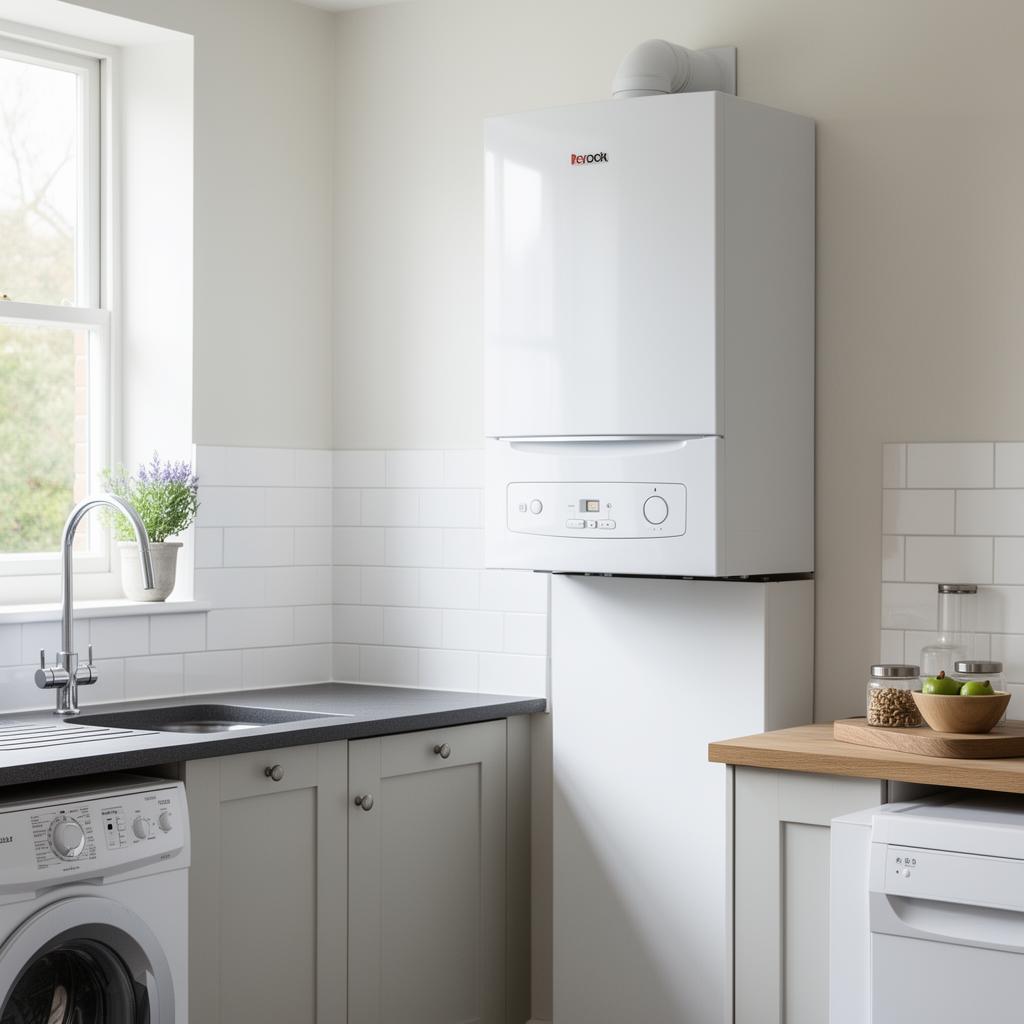
If you heat your home with oil, you can now claim up to £9,000 through the Boiler Upgrade Scheme when you replace oil boiler heat pump UK wide. This increased grant, announced in early 2026, specifically targets off-grid homes currently relying on oil or LPG heating, offering a substantial boost over the standard £7,500 heat pump grant. Combined with oil price volatility and rising delivery costs, there has never been a better time for oil-heated homes to make the switch.
How to Replace an Oil Boiler With a Heat Pump Using the £9,000 Grant
- Confirm your eligibility — you must own a property in England or Wales with an existing oil boiler and a valid EPC
- Get an EPC assessment — your property needs an up-to-date Energy Performance Certificate, which your installer can arrange
- Choose an MCS-certified installer — only Microgeneration Certification Scheme registered installers can apply for the Boiler Upgrade Scheme on your behalf
- Your installer applies to Ofgem — they submit the BUS application and receive a voucher worth up to £7,500 (or £9,000 if you qualify for additional top-ups through the Home Upgrade Grant)
- Decommission your oil boiler — the installer removes the old system and oil tank as part of the installation
- Install and commission the heat pump — installation typically takes two to three days for an air source system
Oil boiler households are among the best candidates for heat pump upgrades because oil heating costs around 7–9p per kWh compared to 3–4p per kWh effective cost from a well-installed heat pump. Combined with the grant, most oil-to-heat-pump conversions pay for themselves within five to seven years through fuel savings alone.
This guide covers the full grant application process, what the switch involves, additional costs to budget for, the running cost savings you can expect, and how to decide whether a full heat pump or hybrid system is right for your property.
The £9,000 BUS Grant: Who Qualifies and How It Works
The increased £9,000 Boiler Upgrade Scheme grant is available to homeowners who meet the following criteria:
- Your property is currently heated by an oil, LPG, or coal system (not mains gas)
- You are the homeowner (not a tenant or landlord, though separate schemes exist for social housing)
- Your property has a valid Energy Performance Certificate (EPC) with no outstanding recommendations for loft or cavity wall insulation that have not been addressed
- The heat pump must be installed by an MCS-certified installer
- The installation must be a like-for-like replacement of your primary heating system
The grant is applied as a discount at the point of installation, meaning you do not need to pay the full cost upfront and wait for reimbursement. Your MCS installer handles the application, and the grant is paid directly to them, reducing your bill by up to £9,000.
The standard BUS grant of £7,500 remains available for homes on mains gas, so the additional £1,500 is specifically designed to address the higher costs and greater carbon savings associated with replacing fossil fuel heating in off-grid properties.
Step-by-Step Process to Replace Your Oil Boiler
Replacing an oil boiler with a heat pump is a more involved process than a standard boiler swap, but it follows a clear sequence:
Step 1: Get an EPC. If you do not have a valid EPC (issued within the last 10 years), you will need one before applying for the grant. This costs £60-£120 and can be arranged through an accredited energy assessor.
Step 2: Request heat pump surveys. Contact MCS-certified installers to carry out a property survey and heat loss calculation. We recommend getting at least three quotes. Request a free quote here to get started.
Step 3: Review quotes and system design. Each quote should include a room-by-room heat loss calculation, proposed heat pump size, any radiator upgrades needed, hot water cylinder specification, and the net cost after the £9,000 grant.
Step 4: Accept a quote and the installer applies for the grant. Your chosen installer submits the BUS application through the Ofgem portal. Approval typically takes 2-4 weeks.
Step 5: Installation. The typical installation takes 3-5 days, including decommissioning the oil boiler, installing the heat pump and cylinder, modifying radiators if needed, and commissioning the system.
Step 6: Oil tank decommissioning. Your old oil tank must be properly decommissioned or removed. This costs £200-£800 depending on the tank size and whether it is above or below ground. Below-ground tanks are more expensive to remove.
Step 7: Registration and handover. The installer registers the system with MCS, provides your commissioning certificate, and hands over the system documentation. This is also when the grant payment is processed.
Cost Breakdown: Replacing Oil Boiler With Heat Pump
| Cost Element | Typical Range | Notes |
|---|---|---|
| Air source heat pump (supply and install) | £10,000-£16,000 | Includes cylinder and controls |
| BUS grant (off-fossil-fuel) | -£9,000 | Applied at point of installation |
| Radiator upgrades | £0-£3,500 | Some or all radiators may need upsizing |
| Pipework modifications | £500-£2,000 | Depends on existing system layout |
| Oil tank decommissioning | £200-£800 | Above-ground tanks cheaper than buried |
| Electrical supply upgrade | £0-£1,500 | If current supply is insufficient |
| Insulation improvements | £0-£3,000 | May be needed for EPC compliance |
| Net total cost | £1,700-£17,800 | Wide range due to property variation |
For a well-maintained property with an existing wet radiator system and adequate insulation, the net cost after the £9,000 grant can be as low as £1,700-£5,000. Properties requiring extensive radiator upgrades and insulation improvements will be at the higher end.
Running Cost Savings: Oil vs Heat Pump
Oil-heated homes face some of the highest and most volatile fuel costs in the UK. The running cost comparison is stark:
| Factor | Oil Boiler | Air Source Heat Pump |
|---|---|---|
| Fuel cost per kWh | 7-9p (variable) | 24.5p electricity |
| System efficiency | 85-92% | 300-350% |
| Effective cost per kWh of heat | 7.6-10.6p | 7.0-8.2p |
| Annual heating cost (12,000 kWh demand) | £910-£1,270 | £840-£980 |
| Annual hot water cost | £200-£300 | £120-£160 |
| Annual maintenance | £150-£300 | £100-£200 |
| Total annual cost | £1,260-£1,870 | £1,060-£1,340 |
At current stable oil prices, the running cost saving is moderate at £200-£530 per year. However, oil prices are notoriously volatile. During the 2022 energy crisis, heating oil reached over £1 per litre, pushing annual costs above £2,500 for many homes. A heat pump’s electricity costs are far more stable and predictable.
On a heat pump-specific tariff like Octopus Cosy, running costs drop to approximately £650-£850 per year, increasing the saving to £400-£1,020 annually. Over a 20-year heat pump lifespan, the total savings range from £8,000 to £20,000+ depending on oil price movements.
Insulation and Radiator Upgrades: What You Might Need
Off-grid properties, particularly older rural homes, often have poorer insulation than urban properties. Since a heat pump works most efficiently at lower flow temperatures, adequate insulation is important for the system to perform well.
Common upgrades required before or alongside heat pump installation include:
- Loft insulation top-up – Increasing to 300mm costs £300-£600 and is often an EPC requirement
- Cavity wall insulation – Costs £800-£2,000 and can reduce heat loss by up to 35%
- Radiator upgrades – Some or all radiators may need replacing with larger models to deliver adequate heat at lower flow temperatures. This costs £200-£400 per radiator
- Draught proofing – Sealing gaps around doors, windows, and floors costs £200-£500 and makes a noticeable difference in older properties
- Hot water cylinder – Oil combi boilers do not have a cylinder, so one must be installed. Expect £500-£1,200 including the cylinder and plumbing
Investing in insulation before heat pump installation can reduce the heat pump size needed, saving on both purchase cost and running costs. A 20% reduction in heat loss might allow a 6kW heat pump instead of an 8kW unit, saving £1,000-£2,000 on the heat pump itself.
Hybrid Heat Pump Option for Oil-Heated Homes
For properties where a full heat pump replacement is not practical, perhaps due to very poor insulation, extremely high heat demand, or listed building restrictions, a hybrid system offers a middle ground.
A hybrid heat pump system pairs a smaller air source heat pump with a retained oil or LPG boiler. The heat pump handles the majority of heating demand (typically 70-80%) during mild to moderate weather, while the boiler tops up during the coldest periods or when very high flow temperatures are needed.
Hybrid systems are eligible for the BUS grant, and the heat pump component still delivers significant efficiency gains. Running costs typically fall by 30-50% compared to oil-only heating, while avoiding the need for extensive radiator upgrades or insulation work.
However, a hybrid system retains the oil tank, oil delivery logistics, and oil boiler maintenance. It is best viewed as a transitional solution for properties that plan to improve their insulation over time and eventually move to a full heat pump system. Pairing a heat pump with improved double glazing can also help reduce the supplementary heating required.
What Happens to Your Oil Tank?
Once your oil boiler is decommissioned, you will need to deal with the oil tank. Options include:
- Professional removal – An above-ground plastic tank can be drained, cleaned, and removed for £200-£400. Steel tanks cost more due to weight
- Decommissioning in place – Below-ground tanks can be cleaned, filled with inert material, and left in place for £500-£1,500
- Below-ground removal – Full excavation and removal of a buried tank costs £1,500-£3,000 and may require soil testing for contamination
Any remaining heating oil in the tank has value and can usually be sold or donated to a neighbour who still uses oil heating. Most removal companies will pump out remaining oil as part of the decommissioning service.
Ready to explore replacing your oil boiler with a heat pump? Get a free quote from MCS-certified installers in your area and find out how much you could save with the £9,000 grant.
Frequently Asked Questions
How do I claim the £9,000 heat pump grant for replacing my oil boiler?
You do not claim the grant directly. Your MCS-certified installer applies for the grant through the Ofgem portal on your behalf, and the £9,000 is deducted from your installation cost at the point of purchase. You simply pay the net amount. The process requires a valid EPC and confirmation that your current heating system is oil, LPG, or coal.
Will a heat pump work in an old, poorly insulated farmhouse?
Heat pumps can work in older properties, but efficiency will be lower without insulation improvements. For very poorly insulated homes, a hybrid system (heat pump plus retained oil boiler) may be the best first step. Improving insulation over time allows you to rely more heavily on the heat pump and eventually decommission the oil boiler entirely.
How long does it take to replace an oil boiler with a heat pump?
From initial survey to commissioned system, the process typically takes 6-12 weeks. The survey and quote stage takes 2-4 weeks, the BUS grant application takes 2-4 weeks for approval, and the physical installation takes 3-5 days. Plan ahead, especially before winter, as installer availability is highest during spring and summer.
Can I keep my existing radiators when switching from oil to a heat pump?
In many cases, some or all existing radiators can be retained. Oil boilers run at similar flow temperatures to gas boilers, so the existing radiators may be adequately sized. Your installer’s heat loss calculation will determine whether each radiator can deliver enough heat at the heat pump’s lower flow temperature of 35-45 degrees C. Typically, 30-60% of radiators can be retained in an oil-to-heat-pump conversion.
Is it worth waiting for oil prices to rise before switching?
No. The £9,000 grant is available now and may not last indefinitely. The BUS scheme has a fixed budget, and the enhanced off-fossil-fuel rate could be reduced or withdrawn. Switching while the full grant is available locks in the financial benefit. Additionally, every year you continue to use oil heating, you are paying £200-£1,000 more than you would with a heat pump, depending on oil price fluctuations.
See what these numbers mean for your home
Free instant estimate — costs, savings, payback and grants for your region.

Related Articles
Heat Pump Grant Rises to £9,000 for Oil and LPG Homes From 21 July 2026
The standard Boiler Upgrade Scheme grant stays at £7,500. From 21 July 2026 to 31 March 2027, homes currently heated by oil or LPG get an increased £9,000 grant. Corrected…
10 June 2026
The Warm Homes Plan 2026: What Every UK Homeowner Needs to Know
The UK government’s Warm Homes Plan is the biggest energy efficiency programme in British history. Launched in January 2026 with up to £15 billion in funding, it aims to upgrade…
5 June 2026
ECO4 Scheme 2026: Who Qualifies, What’s Covered and How to Apply
The ECO4 scheme runs until December 2026, offering fully funded insulation and heating upgrades for eligible UK households. Find out if you qualify through benefits or the ECO4 Flex route,…
11 May 2026