Power Flushing Your Central Heating: Cost, Process and When You Need It
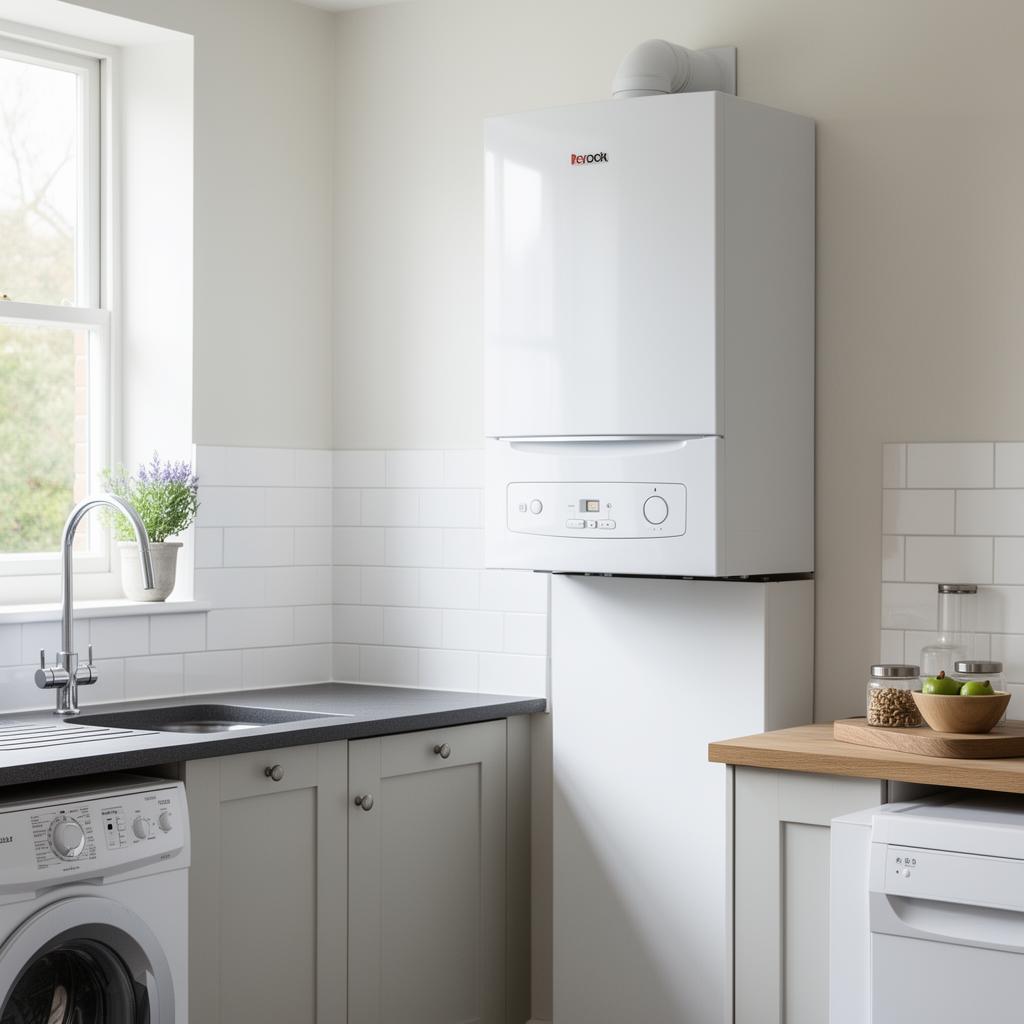
If your radiators are cold at the bottom, your boiler is making strange noises, or your heating takes forever to warm the house, the problem could be sludge. Over time, rust and debris accumulate inside central heating systems, reducing efficiency and shortening the life of your boiler. A power flush clears this out and restores performance. In this guide we explain exactly how the process works, the typical power flush central heating cost in 2026, and how to know whether your system genuinely needs one.
How much does a power flush cost?
A power flush for a central heating system in the UK typically costs between £350 and £600 for a standard three-bedroom house with 8–10 radiators. Prices increase with larger systems: expect £500–£800 for homes with 12–15 radiators. The process involves pumping a chemical cleaning solution through the entire system at high pressure to remove sludge, rust and limescale, then flushing the system clean and adding fresh inhibitor. Most power flushes take four to eight hours to complete.
You should consider a power flush if your radiators have cold spots, your boiler makes banging or kettling noises, or if the system water runs dark when you bleed a radiator. A power flush is also recommended before installing a new boiler, as old sludge can damage a new heat exchanger and void the warranty. After a successful flush, heating efficiency can improve by 15–25%, and fitting a magnetic filter afterwards helps prevent sludge building up again.
What Is Central Heating Sludge?
Central heating sludge — technically known as magnetite — is a black, mudite substance that forms inside your heating system over time. It is primarily iron oxide (rust) created by the chemical reaction between water, steel radiators, and other metal components in the system.
Left untreated, sludge causes a cascade of problems:
- Radiator cold spots — sludge sinks to the bottom of radiators, blocking water flow and creating cold patches
- Boiler kettling — sludge deposits on the heat exchanger restrict water flow, causing the boiler to overheat locally and produce a whistling or banging noise
- Pump failure — sludge particles wear out the pump bearings and impeller
- Reduced efficiency — a system clogged with sludge can lose 10-15% efficiency, costing you GBP 100-200 extra per year in gas
- Boiler breakdown — in severe cases, sludge can block the heat exchanger entirely, causing the boiler to lock out or fail permanently
Signs Your Central Heating Needs a Power Flush
Not every heating problem requires a power flush, but the following signs strongly suggest sludge contamination:
- Radiators cold at the bottom but warm at the top — this is the classic sludge symptom. (Cold at the top with warm at the bottom usually indicates trapped air, which is solved by bleeding.)
- Some radiators not heating up at all — even after bleeding and balancing
- Boiler making banging, kettling, or clicking noises
- Heating is slow to warm up — the system takes noticeably longer than it used to
- Radiator water is black or very dark when bled — clean system water should be clear
- Frequent boiler lockouts — particularly error codes related to flow or temperature sensors
- The pump is noisy or has failed prematurely
A power flush is also strongly recommended before installing a new boiler or heat pump. Pumping contaminated water through a brand new appliance can void the warranty and cause premature failure of the heat exchanger.
How a Power Flush Works: Step-by-Step
A power flush is carried out by a qualified heating engineer using a specialist power flushing machine. Here is what happens:
1. System assessment
The engineer begins by inspecting the system to check for leaks, assess the condition of the radiators, and confirm that a power flush is appropriate. They may take a water sample to gauge the level of contamination.
2. Connecting the machine
The power flushing machine is connected to the heating system, usually at the circulation pump location or a radiator connection. The machine pumps water through the system at a much higher flow rate than the normal pump, using reversing flow to dislodge deposits.
3. Chemical treatment
A cleaning chemical is added to the water to break down sludge, limescale, and other deposits. The engineer works through each radiator individually, isolating it and flushing it at high velocity while using the machine’s flow reversal feature to agitate stubborn deposits.
4. Flushing and draining
The contaminated water is flushed out and replaced with clean water repeatedly until the discharge water runs clear. A turbidity meter or visual inspection confirms when the system is clean.
5. Inhibitor and filter
Once clean, the engineer adds a corrosion inhibitor chemical (such as Fernox F1 or Sentinel X100) to the system water. This inhibitor protects the internal surfaces from future corrosion and slows the formation of new sludge. If a magnetic system filter is not already fitted, the engineer should recommend installing one — this captures any new magnetite before it circulates through the system.
6. System check
The engineer refills and pressurises the system, checks all radiators for even heat distribution, and verifies the boiler is operating correctly.
Power Flush Central Heating Cost in 2026
The cost of a power flush varies depending on the size of your system, your location, and the level of contamination. Here are typical prices for 2026:
| Number of Radiators | Typical Cost | Duration |
|---|---|---|
| Up to 6 radiators | GBP 300-400 | 4-5 hours |
| 7-10 radiators | GBP 400-550 | 5-7 hours |
| 11-15 radiators | GBP 550-700 | 6-8 hours |
| 16-20 radiators | GBP 700-900 | 8-10 hours |
These prices typically include the chemical cleaner, corrosion inhibitor, and labour. A magnetic system filter, if not already fitted, is an additional GBP 100-200 for the part plus GBP 50-100 for fitting. Given that a filter protects the system going forward and is a requirement for most boiler warranties, it is money well spent.
Some installers include a power flush in the price of a new boiler installation. If you are getting a new boiler fitted, ask whether the quote includes a flush — if it does not, negotiate to add it.
Alternatives to Power Flushing
A full power flush is not always necessary. Depending on the severity of contamination, cheaper alternatives may suffice:
- Chemical flush — a cleaning agent is added to the system and left to circulate for several days or weeks via the normal pump, then drained and replaced with clean water and inhibitor. Cost: GBP 100-200. Effective for light to moderate contamination.
- Magnetic filter only — fitting a magnetic filter (such as an Adey MagnaClean or Fernox TF1) captures magnetite continuously without a flush. Cost: GBP 150-300 fitted. This is a preventive measure rather than a cure, but can gradually clean a mildly contaminated system over months.
- MagnaCleanse — a mid-point between a chemical flush and a full power flush. An engineer uses a magnetic device at each radiator to draw out sludge while flushing with clean water. Cost: GBP 250-450. Faster and less disruptive than a full power flush.
For heavily contaminated systems — particularly those with badly blocked radiators or a kettling boiler — a full power flush is the only option that will reliably restore the system. For mild contamination, a chemical flush or MagnaCleanse may be sufficient.
How Often Should You Power Flush Your Central Heating?
With proper maintenance — annual servicing, a corrosion inhibitor in the system water, and a magnetic filter fitted — a power flush should only be needed once in the life of a heating system, or when a new boiler is installed.
If you find yourself needing a power flush every few years, it suggests an underlying issue:
- The inhibitor is being diluted or lost (perhaps through a slow leak)
- The system has incompatible metals causing galvanic corrosion
- The magnetic filter is not being cleaned regularly (it should be cleaned during every annual boiler service)
- There is excessive air ingress, which accelerates corrosion
Address the root cause, and a single power flush followed by good maintenance should keep the system clean for 10-15 years or more.
Power Flushing Before Installing a New Boiler or Heat Pump
If you are having a new boiler or heat pump installed, a power flush is almost always recommended. Old sludge circulating through a new heat exchanger can cause premature failure and will likely void the manufacturer’s warranty.
Most reputable installers will insist on a flush as part of the installation, and many manufacturers make it a warranty condition. Worcester Bosch, Vaillant, and Viessmann all recommend a system flush and the fitting of a magnetic filter for their warranties to apply.
For heat pump installations, clean system water is even more critical. Heat pumps operate at lower flow temperatures and lower flow rates than gas boilers, making them more susceptible to the effects of sludge. Ensuring your system is clean and protected before a heat pump is fitted will help it perform at its best for years to come.
If you are considering a new heating system, you can get a free quote that includes the cost of a power flush alongside the installation.
Preventing Sludge Build-Up: Long-Term Maintenance
Prevention is always cheaper than cure. After a power flush, take these steps to keep your system clean:
- Maintain the inhibitor level. Check that your engineer tops up the corrosion inhibitor at every annual service.
- Clean the magnetic filter. The filter should be cleaned during each annual boiler service — it is a two-minute job for the engineer.
- Fix leaks promptly. Every time you top up the system with fresh water, you dilute the inhibitor and introduce new oxygen, both of which accelerate corrosion.
- Bleed radiators carefully. Bleeding removes air but also reduces system pressure, which may introduce fresh water when you top up. Only bleed when necessary.
- Use quality inhibitor. Stick to recognised brands such as Fernox F1 or Sentinel X100, and use the correct dosage for your system volume.
With these measures in place, your system should remain clean and efficient for the full life of your boiler, saving you money on both energy bills and future maintenance.
Frequently Asked Questions
Can a power flush damage my radiators?
In rare cases, a power flush can expose pre-existing weaknesses in very old or corroded radiators. If the corrosion has eaten through the radiator wall, the flush may reveal a pinhole leak that was previously sealed by sludge. A competent engineer will assess the condition of your radiators before starting and warn you of this risk. In most cases, the benefits of the flush far outweigh the small risk of exposing an existing fault.
How long does a power flush take?
For a typical 3-bedroom house with 8-12 radiators, a power flush takes 5-8 hours. Heavily contaminated systems may take longer, and very large properties with 15+ radiators can require a full day. The engineer needs to work through each radiator individually, so the time scales roughly with the number of radiators.
Is a power flush worth it on an old system?
If the system is being retained (for example, you are replacing the boiler but keeping existing radiators and pipework), a power flush is usually worth it. If the radiators themselves are old and inefficient, it may be more cost-effective to replace the worst offenders rather than flush them. Discuss this with your installer — sometimes a combination of flushing, replacing the most contaminated radiators, and fitting a magnetic filter is the best approach.
Can I power flush my own central heating?
Power flushing machines can be hired from tool hire companies for around GBP 50-80 per day, and the chemicals cost GBP 30-50. However, the process requires knowledge of heating systems, the ability to isolate and reconnect radiators, and experience in judging when the system is adequately clean. Incorrect use can cause leaks, air locks, or damage to the boiler. Unless you are a competent DIYer with heating system experience, this is a job best left to a qualified engineer.
See what these numbers mean for your home
Free instant estimate — costs, savings, payback and grants for your region.

Related Articles
7 Quick Wins to Cut Your Energy Bills This Summer
Summer might seem like the wrong time to think about energy bills, but it is actually when the smartest homeowners make changes. Lower heating demand means more of your spending…
22 May 2026
The Best Time of Year to Replace Your Boiler (and How to Get the Best Price)
Find out why summer is the best time to replace your boiler in the UK, how to negotiate better prices and what to check before committing to an installation.
9 May 2026
Electric Heating Options Explained: Panel Heaters, Storage Heaters and Infrared
Compare electric heating options for UK homes including modern storage heaters, ceramic panel heaters and infrared panels with running cost breakdowns.
7 May 2026