Plug-In Solar Panels and Balcony Solar: The DIY Option for UK Renters
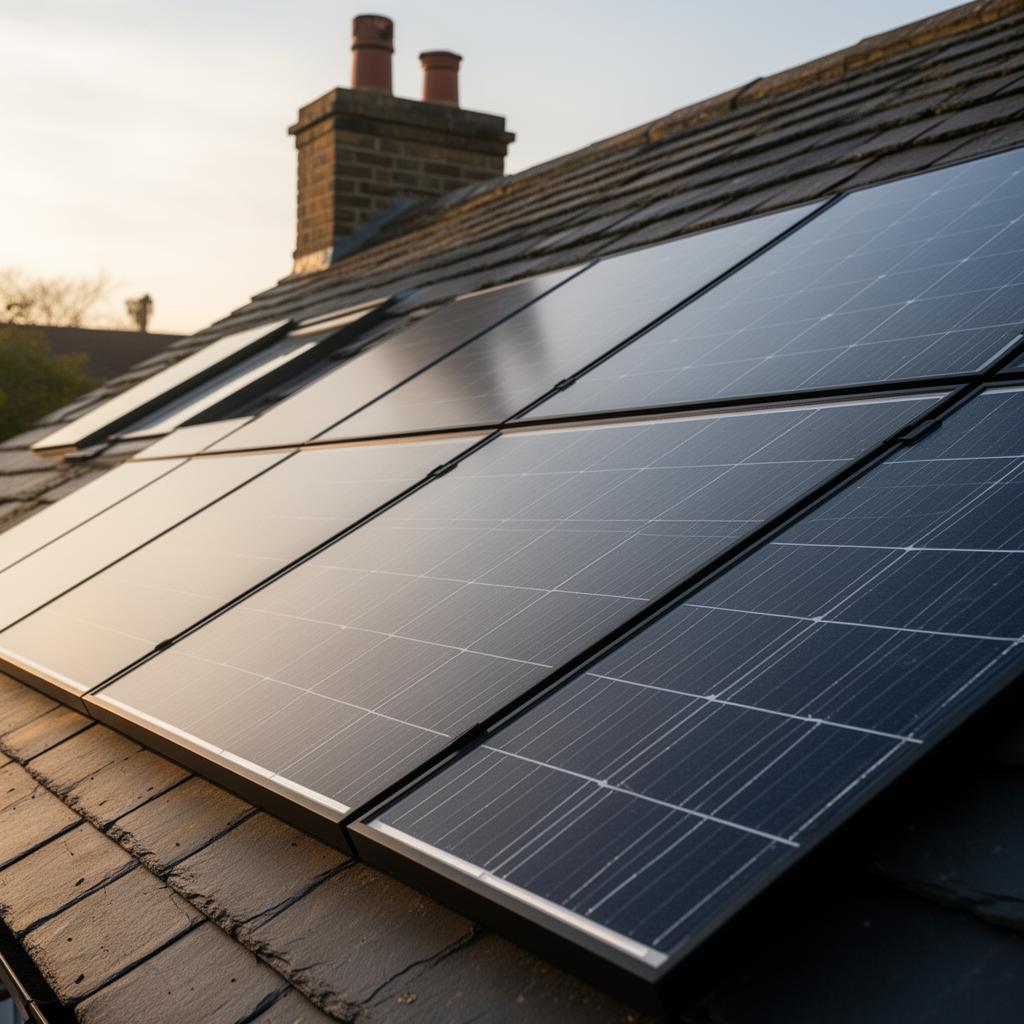
Not everyone owns their home, and not every home has a roof suitable for a full solar installation. For renters, flat dwellers, and anyone who wants a simple, portable way to generate their own electricity, plug in solar panels in the UK represent an exciting and rapidly growing option. These compact systems attach to a balcony railing, sit in a garden, or lean against a south-facing wall, and plug directly into a standard domestic socket. The concept is simple, the costs are low, and the technology is proven. Here is what you need to know.
What Are Plug-In Solar Panels?
Plug-in solar panels (also called balcony solar, micro solar, or solar-to-plug systems) are small photovoltaic systems designed for easy, non-permanent installation. A typical kit includes one or two solar panels rated at 300-400W each, a microinverter that converts the DC output to AC mains electricity, and a plug that connects directly to a standard UK 13-amp socket.
When the panel generates electricity, it feeds directly into your home’s electrical circuit through the socket. Your appliances use this solar electricity first, reducing the amount you draw from the grid. The system is entirely passive once installed. There are no switches to operate, no batteries to manage, and no complex settings to configure.
The total output of a plug-in system is modest compared to a full roof installation. A single 400W panel in a good position might generate 350-450 kWh per year, while a two-panel 800W system could produce 700-900 kWh. That is enough to offset a significant portion of a flat’s base-load electricity consumption.
How Much Do Plug-In Solar Panels Cost?
The affordability of plug-in solar is one of its biggest attractions. Complete kits including panel, microinverter, mounting hardware, and cable are available from a range of UK retailers.
| Kit Type | Typical Output | Cost | Annual Generation | Annual Saving |
|---|---|---|---|---|
| Single panel (300-400W) | 300-400W | £200-£350 | 300-450 kWh | £70-£110 |
| Dual panel (600-800W) | 600-800W | £400-£600 | 600-900 kWh | £140-£220 |
| Premium kit with monitoring | 600-800W | £500-£750 | 600-900 kWh | £140-£220 |
At current electricity prices of around 24p per kWh, a single 400W panel saving £70-£110 per year pays for itself in approximately 2-4 years. A dual-panel system at £500 paying back £180 per year breaks even in under 3 years. These are some of the fastest payback periods in the entire solar market, making plug-in systems financially compelling despite their small scale.
UK Regulations for Plug-In Solar Panels
The regulatory landscape for plug-in solar in the UK is evolving. Currently, the rules are as follows:
DNO notification
Technically, any generation device connected to the grid requires notification to your Distribution Network Operator (DNO). For plug-in systems under 800W, this is a simple G98 notification that can usually be submitted online. Some DNOs have streamlined the process for micro-generation, while others still require the standard form. Your system kit should include guidance on how to notify your DNO.
In practice, many plug-in solar users in the UK have not submitted DNO notifications for small systems, as enforcement is minimal. However, the notification is technically required, and completing it takes only a few minutes.
Electrical safety
The microinverter must comply with G98 (previously G83) standards, which ensure it disconnects from the grid automatically during a power cut (anti-islanding). All microinverters sold as part of UK plug-in solar kits from reputable suppliers meet this requirement. The system must also have a UK standard 13A plug and the cable must be appropriately rated.
Maximum output per socket
A standard UK 13A socket can safely handle up to 3 kW (13A x 230V). A plug-in solar system of 800W is well within this limit. However, the circuit the socket is on must not be overloaded by the combination of solar input and other connected loads. In practice, the low output of plug-in systems means overloading is extremely unlikely.
Landlord and building management consent
If you are a renter, check your tenancy agreement before installing anything externally. Balcony-mounted panels may require landlord consent, and some leasehold flats have restrictions on altering the external appearance of the building. Ground-mounted panels in a private garden are less likely to be contentious. Indoor-placed panels on a windowsill (behind glass) have much lower output but avoid any consent issues entirely.
Installation Options for Plug-In Solar
The beauty of plug-in solar is its flexibility. There are several ways to position your panels depending on your living situation.
Balcony mounting
Panels are attached to the balcony railing using adjustable clamps, facing outward at an angle to catch the most sunlight. This is the most common setup in continental Europe and works well for south, south-east, or south-west facing balconies. Wind loading must be considered, and panels should be securely fastened to prevent damage in storms.
Garden or patio placement
Panels are placed on a simple ground frame or lean-to bracket, angled toward the sun. This is ideal for houses with gardens where the main roof is unsuitable. The panels can be repositioned seasonally for optimal angle and are easy to take with you if you move.
Wall mounting
Panels can be mounted on a south-facing wall using brackets. Output from vertically mounted panels is lower (roughly 60-70% of optimal) because the angle is not ideal, but wall mounting is secure and keeps the panels out of the way. A slight outward tilt using angled brackets improves performance.
Flat roof or shed roof
For those with a flat garage roof or shed, placing panels on a simple angled frame gives near-optimal performance without any permanent attachment. Ballast trays weighted with paving slabs hold the panels in place without penetrating the roof surface.
Realistic Savings From Plug-In Solar
The savings from plug-in solar depend on two factors: how much the panels generate and how much of that generation you use directly rather than exporting. Because plug-in systems are small, the self-consumption rate tends to be high. Most flats and small households have a base load of 200-500W (fridge, broadband router, standby devices, lighting), which the plug-in system can largely cover during daylight hours.
Realistic annual savings for a dual-panel 800W system:
- Annual generation: 700-900 kWh
- Self-consumption rate: 60-80% (higher for people at home during the day)
- Grid electricity avoided: 420-720 kWh
- Annual saving: £100-£175 at 24p per kWh
Any surplus that is not used is exported to the grid. Unlike full roof installations, plug-in systems are not typically MCS-certified, which means they do not qualify for Smart Export Guarantee payments. The exported electricity effectively goes to the grid for free. This is another reason why maximising self-consumption is important for plug-in systems.
The Energy Saving Trust and Rooftop Revolution
The Energy Saving Trust has been actively promoting accessible solar through its rooftop revolution campaign, highlighting how micro-generation technologies can help the millions of UK households that cannot install traditional roof-mounted systems. The campaign recognises that flats, rented homes, and properties with unsuitable roofs have been largely excluded from the solar revolution, and plug-in systems offer a route to participation.
There are also growing calls for regulatory reform to make plug-in solar easier and more officially supported in the UK. Several European countries, notably Germany and Austria, have already simplified regulations for systems under 800W, and the UK is expected to follow with clearer guidelines.
Plug-In Solar vs Full Roof Installation
Plug-in solar is not a replacement for a full roof installation. It is an entry point for people who cannot or do not want to commit to a full system. Here is how they compare:
| Factor | Plug-In Solar (800W) | Full Roof System (4 kW) |
|---|---|---|
| Cost | £400-£600 | £6,000-£8,000 |
| Annual generation | 700-900 kWh | 3,400-3,800 kWh |
| Annual saving | £100-£175 | £600-£800 |
| Payback period | 2-4 years | 6-8 years |
| Professional installation | Not required | Required (MCS-certified) |
| SEG export payments | Not eligible | Eligible |
| Planning permission | Usually not needed | Usually not needed |
| Portable | Yes | No (fixed to property) |
| Battery compatible | Limited | Fully compatible |
If you own your home and have a suitable roof, a full installation from MCS-certified installers will deliver much greater savings and a better long-term return. You can get a free quote to see what a full system would cost and save for your property.
Who Should Consider Plug-In Solar?
Plug-in solar is ideal for:
- Renters who want to generate their own electricity without permanent modifications
- Flat dwellers with a south-facing balcony or access to outdoor space
- First-time solar users who want to experiment with solar before committing to a full installation
- Budget-conscious households looking for the fastest payback on a small investment
- People who move frequently and want to take their solar panels with them
- Homeowners supplementing an existing roof system with additional generation from a garden or outbuilding
Frequently Asked Questions
Is it legal to plug solar panels into a socket in the UK?
There is no specific law prohibiting it, provided the microinverter meets G98 standards for grid-connected generation and you notify your DNO. The system must have anti-islanding protection (all compliant microinverters do) and must not overload the circuit. The regulatory framework is still catching up with this technology, and clearer guidelines are expected.
Will plug-in solar panels work on a north-facing balcony?
North-facing positions receive very little direct sunlight and are not recommended. Output would be roughly 40-50% of a south-facing position, making the payback period much longer. East and west-facing positions are workable, producing around 75-85% of optimal output. South, south-east, and south-west facing positions are ideal.
Can I add a battery to a plug-in solar system?
Some plug-in solar kits now include or are compatible with small battery units (typically 1-2 kWh) that store surplus generation for evening use. These add £300-£600 to the system cost and can increase self-consumption from 60-80% to 85-95%. For households that are out during the day, a small battery makes the plug-in system significantly more effective.
Do I need to tell my landlord about plug-in solar panels?
If the panels are externally mounted (on a balcony, wall, or in a shared garden), you should inform your landlord or building management company. Externally visible changes may require consent under your lease. If you place panels inside behind a window or in a private garden with a portable frame, landlord consent may not be required, but it is always courteous to inform them.
What happens to the solar electricity if I am not using any power at home?
If your solar panel is generating more than your home is consuming at that moment, the surplus flows back through the meter to the grid. With a plug-in system, you do not get paid for this export (no SEG eligibility). To minimise waste, run appliances like dishwashers, washing machines, and phone chargers during sunny hours. Even base loads from fridges, broadband routers, and standby devices ensure some solar electricity is always being used.
See what these numbers mean for your home
Free instant estimate — costs, savings, payback and grants for your region.

Related Articles
Is Solar Battery Storage Worth It in 2026?
Solar panels are now a common sight on UK rooftops, but the real game-changer in 2026 is battery storage. A home battery lets you store the electricity your panels generate…
2 June 2026
Why Spring Is the Perfect Time to Install Solar Panels
If you have been thinking about solar panels for a while but never quite pulled the trigger, spring is the moment to act. The combination of lengthening days, mild installation…
23 April 2026
How the Energy Price Cap Affects Heat Pump and Solar Panel Payback
See how the energy price cap affects heat pump and solar panel payback periods. Real calculations using current UK unit rates show why investing now locks in stronger returns.
15 April 2026