Pipe Lagging: How Insulating Heating Pipes Saves Energy and Prevents Bursts
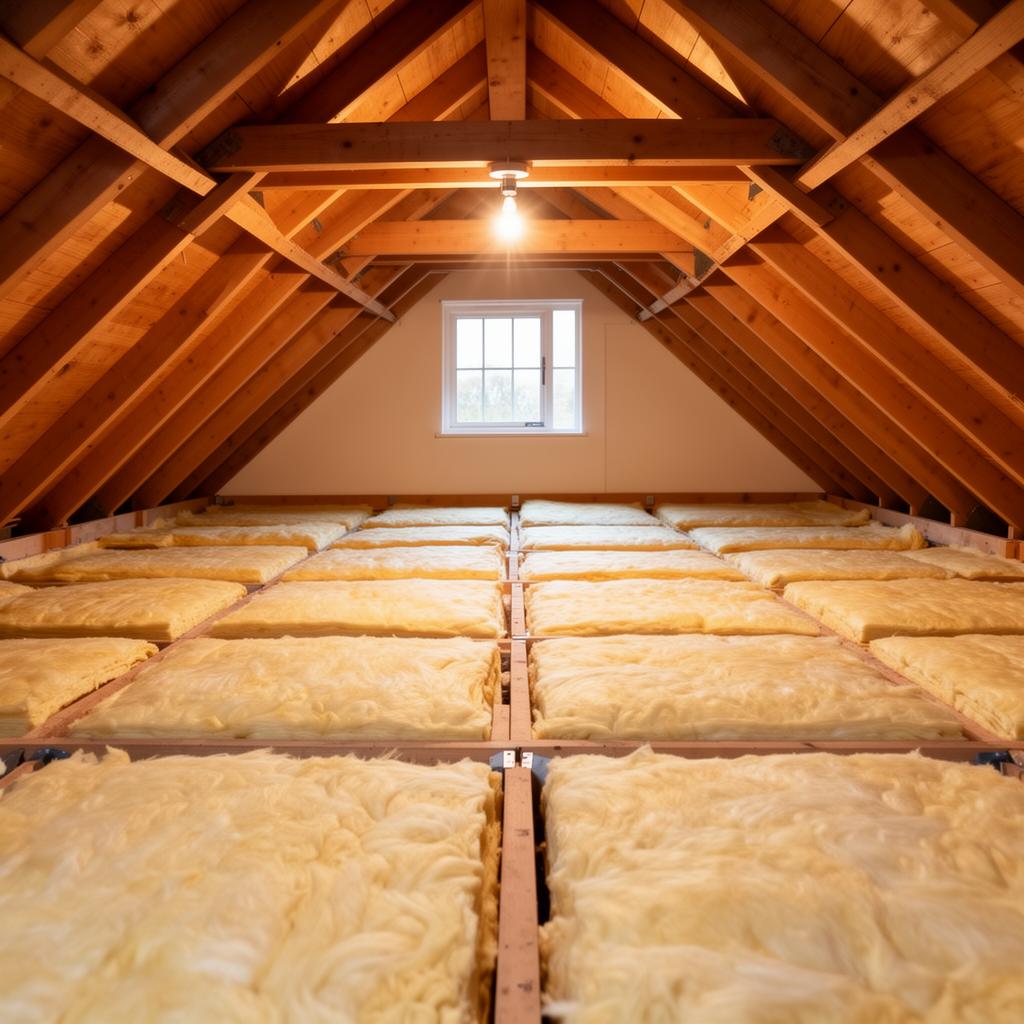
Pipe lagging UK homeowners can fit themselves in an afternoon is one of the simplest and cheapest energy-saving measures available. Insulating your hot water and heating pipes in unheated spaces such as lofts, garages and beneath suspended floors reduces heat loss from the pipes, gets hot water to your taps faster and protects against burst pipes during winter freezes. With materials costing as little as GBP 15-30 for an average house and annual energy savings of GBP 15-30, the payback is typically under two years.
How to Insulate Heating Pipes
- Measure your pipe diameters — most domestic heating pipes are 15mm or 22mm copper; check before buying lagging
- Choose the right insulation — foam tube lagging (£1–£3 per metre) suits most indoor pipes, while thicker closed-cell or mineral wool suits outdoor and loft runs
- Cut foam tubes to length — use a sharp knife or scissors and split the tube along the pre-cut seam
- Wrap lagging around each pipe — push the foam over the pipe and press the seam closed, ensuring no gaps at joints or bends
- Tape all seams and joints — use foil tape or lagging tape at every join to prevent heat escaping through gaps
- Prioritise exposed pipes — insulate pipes in the loft, garage, under floors and outside walls first, as these lose the most heat and are at greatest risk of freezing
Pipe lagging is one of the cheapest energy efficiency improvements you can make. Insulating all accessible heating pipes costs under £30 in materials and can reduce heat loss from pipework by up to 75%, saving £10 to £30 per year on heating bills. It also protects pipes from freezing in winter, avoiding burst pipe repairs that average £500 to £1,500.
Why Pipe Lagging Matters for Energy Efficiency
Hot water pipes running through unheated spaces lose heat rapidly. An uninsulated 22mm copper pipe carrying water at 60 degrees Celsius through a loft at 5 degrees Celsius loses approximately 45-55 watts per metre of pipe length. Over a heating season, a typical run of 10 metres of uninsulated pipe in the loft wastes 200-400 kWh of energy per year.
Adding just 25mm of standard pipe insulation reduces this heat loss by approximately 75-80%. The hot water stays hotter for longer, arrives at the taps faster, and your boiler or heat pump runs for shorter periods to maintain the desired temperature.
The energy saving applies to both central heating flow and return pipes and hot water supply pipes. Cold water pipes in unheated spaces should also be lagged, not for energy saving but to prevent freezing and bursting in cold weather.
Types of Pipe Lagging Material
Several pipe insulation materials are available in the UK, each with different properties, costs and applications.
Polyethylene Foam Tube
This is the most common and affordable pipe lagging material, sold in every DIY store in the UK. It consists of a grey or black closed-cell polyethylene foam tube, pre-slit along its length so it can be opened and snapped over existing pipes.
- Available in bore sizes to fit 15mm, 22mm, 28mm and 35mm copper and plastic pipes
- Wall thickness typically 13mm or 25mm (25mm is recommended for unheated spaces)
- Thermal conductivity: approximately 0.038-0.045 W/mK
- Cost: GBP 1-3 per metre
- Easy to cut with scissors and fit without tools
Polyethylene foam is adequate for most domestic applications. For pipes in lofts where the temperature can drop well below freezing, 25mm wall thickness is recommended over the thinner 13mm product.
Mineral Wool Pipe Sections
Pre-formed mineral wool sections provide superior insulation performance and fire resistance compared to foam. They are used in commercial and industrial applications and sometimes specified in domestic settings where fire performance is critical (such as pipes passing through fire compartment walls).
- Thermal conductivity: approximately 0.035-0.040 W/mK
- Non-combustible (Euroclass A1)
- Available in wall thicknesses from 20mm to 80mm
- Cost: GBP 3-8 per metre
- Requires wire ties or aluminium tape to secure
Elastomeric Rubber Insulation
Flexible closed-cell rubber insulation (such as Armaflex or Kaiflex) is the premium option for pipe lagging. It offers excellent thermal performance, built-in moisture resistance and a professional finish.
- Thermal conductivity: approximately 0.033-0.038 W/mK
- Built-in vapour barrier prevents condensation on cold pipes
- Self-adhesive overlap for a sealed joint
- Cost: GBP 4-10 per metre
- Best for refrigeration lines, condensation-prone pipes and exposed visible installations
Which Pipes Should You Insulate?
Not every pipe in your home needs lagging. Focus on the following priority areas:
| Location | Pipe Type | Why Lag? | Priority |
|---|---|---|---|
| Loft space | Hot water, cold water, central heating | Energy saving + frost protection | High |
| Garage | Hot water, cold water | Energy saving + frost protection | High |
| Under suspended floors | Hot water, cold water | Energy saving + frost protection | Medium |
| Unheated utility rooms | Hot water, cold water | Energy saving + frost protection | Medium |
| Airing cupboard | Hot water | Reduced heat loss to cupboard | Low |
| Inside heated rooms | Any | Not needed (heat contributes to room) | Not required |
Pipes within heated living spaces do not need lagging because any heat they lose contributes to warming the room. However, pipes running through unheated spaces (lofts, garages, crawl spaces, outbuildings) should all be insulated.
Building Regulations Requirements for Pipe Insulation
Building Regulations Approved Document L (conservation of fuel and power) specifies minimum pipe insulation requirements for new installations and when replacing heating systems.
The current requirements state that:
- All hot water and heating pipes in unheated areas must be insulated
- The insulation thickness must be at least equal to the pipe diameter (so a 22mm pipe needs at least 22mm of insulation), or the insulation must achieve equivalent thermal performance from a thinner, higher-performing material
- Primary hot water circulation pipes (between the boiler and hot water cylinder) must be insulated regardless of location
- All pipes connected to hot water storage vessels (cylinders) must be insulated for at least one metre from the cylinder connections
When a new boiler or heat pump is installed, the installer should ensure all accessible pipework in unheated spaces is insulated as part of the commissioning process. If your installer does not do this, it is worth querying.
DIY Pipe Lagging: Step-by-Step Guide
Fitting pipe lagging is one of the simplest DIY energy-saving tasks. No specialist tools are needed, and the entire job can be completed in a few hours.
What You Will Need
- Pipe insulation tubes in the correct bore size (measure your pipes first; 15mm and 22mm are most common in UK homes)
- Insulation tape or cable ties to secure joints
- A sharp knife or scissors for cutting
- A tape measure
Fitting Instructions
- Measure the pipe runs: Walk through your loft, garage and any other unheated spaces, noting the total length of exposed pipework and the pipe diameters. Add 10% for waste and fitting around bends.
- Open the insulation: Foam tube insulation comes pre-slit along one side. Open the slit and wrap the tube around the pipe, pressing the slit edges together to close.
- Secure the joints: Where two lengths of insulation meet, butt the ends together and wrap with insulation tape. At elbows and tees, cut the insulation at a 45-degree angle to create a mitre joint that follows the bend.
- Cover valves and fittings: Use offcuts of insulation wrapped around valves, isolation taps and other fittings. These are often the coldest points and most vulnerable to freezing.
- Tape all joints and seams: Run a strip of insulation tape over every joint and along the slit to prevent the insulation from opening up over time.
The most common mistakes are leaving gaps at bends, tees and where pipes pass through walls or joists. These exposed sections create cold spots where heat is lost and freezing can occur. Take particular care to insulate every exposed section of pipe, no matter how short.
Frost Protection: Preventing Burst Pipes in Winter
Burst pipes caused by freezing are one of the most common and expensive home insurance claims in the UK, costing an average of GBP 7,000-10,000 per incident once water damage to ceilings, floors and belongings is included.
When water in an uninsulated pipe freezes, it expands by approximately 9% in volume. This expansion creates enormous pressure within the pipe, splitting copper and plastic pipes alike. The damage often occurs not at the point of freezing but further along the pipe where the pressure wave finds a weak point.
Pipe lagging dramatically reduces the risk of burst pipes by slowing the rate at which pipes cool. A 25mm-lagged pipe in a loft can withstand loft temperatures of -6 to -8 degrees Celsius for several hours before the water inside approaches freezing point. An unlagged pipe in the same conditions can freeze within 30-60 minutes.
Additional frost protection measures include:
- Keeping heating on at a minimum background temperature (at least 12-15 degrees) during cold spells, even when the house is unoccupied
- Ensuring the cold water tank in the loft (if present) is insulated on all sides and the top, but not underneath (so heat from below can keep it above freezing)
- Fitting a frost thermostat that activates the heating system automatically when temperatures drop below a set point
Pipe lagging combined with comprehensive home insulation and an efficient heating system creates a home that is both energy-efficient and resilient against winter weather. Get a free quote to explore what improvements are right for your home.
Costs and Savings Summary
| Item | Typical Cost |
|---|---|
| Foam pipe insulation (25mm wall, for typical 3-bed house) | GBP 15-30 |
| Insulation tape | GBP 2-5 |
| Professional installation (if preferred) | GBP 100-200 |
| Annual energy saving | GBP 15-30 |
| DIY payback period | 1-2 years |
Frequently Asked Questions
Should I lag pipes in the airing cupboard?
It depends on whether you want the airing cupboard to be warm. Unlagged hot water pipes in the airing cupboard release heat that keeps the cupboard warm for drying clothes. If you insulate these pipes, less heat enters the cupboard. Building Regulations require the first metre of pipework from the hot water cylinder to be insulated, but beyond that, it is a personal choice. If you have a heat pump or want to maximise hot water efficiency, lag all pipes including those in the airing cupboard.
Can pipe insulation prevent condensation on cold pipes?
Yes. Cold water pipes in warm, humid environments (such as utility rooms or bathrooms) can develop condensation (sweating) on their surface. Insulating the pipes with closed-cell foam or elastomeric rubber insulation prevents the warm room air from reaching the cold pipe surface, eliminating the condensation. Ensure the insulation joints are sealed with tape to prevent moist air from reaching the pipe through gaps.
Is pipe lagging a fire risk?
Standard polyethylene foam pipe insulation is combustible but self-extinguishing. It should not be placed in direct contact with heat sources such as boiler flues or high-temperature pipework (above 80 degrees Celsius). For pipes near heat sources, use mineral wool sections or specialist high-temperature insulation. In fire compartment walls and floors, mineral wool pipe insulation may be required by Building Regulations.
How thick should pipe insulation be?
For pipes in unheated domestic spaces, 25mm wall thickness is the recommended standard. This provides good thermal performance and adequate frost protection for typical UK winter conditions. The 13mm thickness is better than nothing but provides significantly less protection in extremely cold weather. In loft spaces that can drop below -5 degrees Celsius during severe cold snaps, 25mm or thicker is essential.
Do plumbers lag pipes as part of a boiler installation?
Building Regulations require that all pipework in unheated spaces is insulated when a new heating system is installed. A competent installer should include pipe lagging as part of the boiler or heat pump installation. If your installer has not lagged accessible pipework in the loft or other unheated areas, raise this with them, as it is a compliance requirement and should be included in the installation without additional charge.
See what these numbers mean for your home
Free instant estimate — costs, savings, payback and grants for your region.

Related Articles
7 Quick Wins to Cut Your Energy Bills This Summer
Summer might seem like the wrong time to think about energy bills, but it is actually when the smartest homeowners make changes. Lower heating demand means more of your spending…
22 May 2026
The Best Time of Year to Replace Your Boiler (and How to Get the Best Price)
Find out why summer is the best time to replace your boiler in the UK, how to negotiate better prices and what to check before committing to an installation.
9 May 2026
Electric Heating Options Explained: Panel Heaters, Storage Heaters and Infrared
Compare electric heating options for UK homes including modern storage heaters, ceramic panel heaters and infrared panels with running cost breakdowns.
7 May 2026