Octopus Cosy Heat Pump Tariff: Is It Worth Switching?
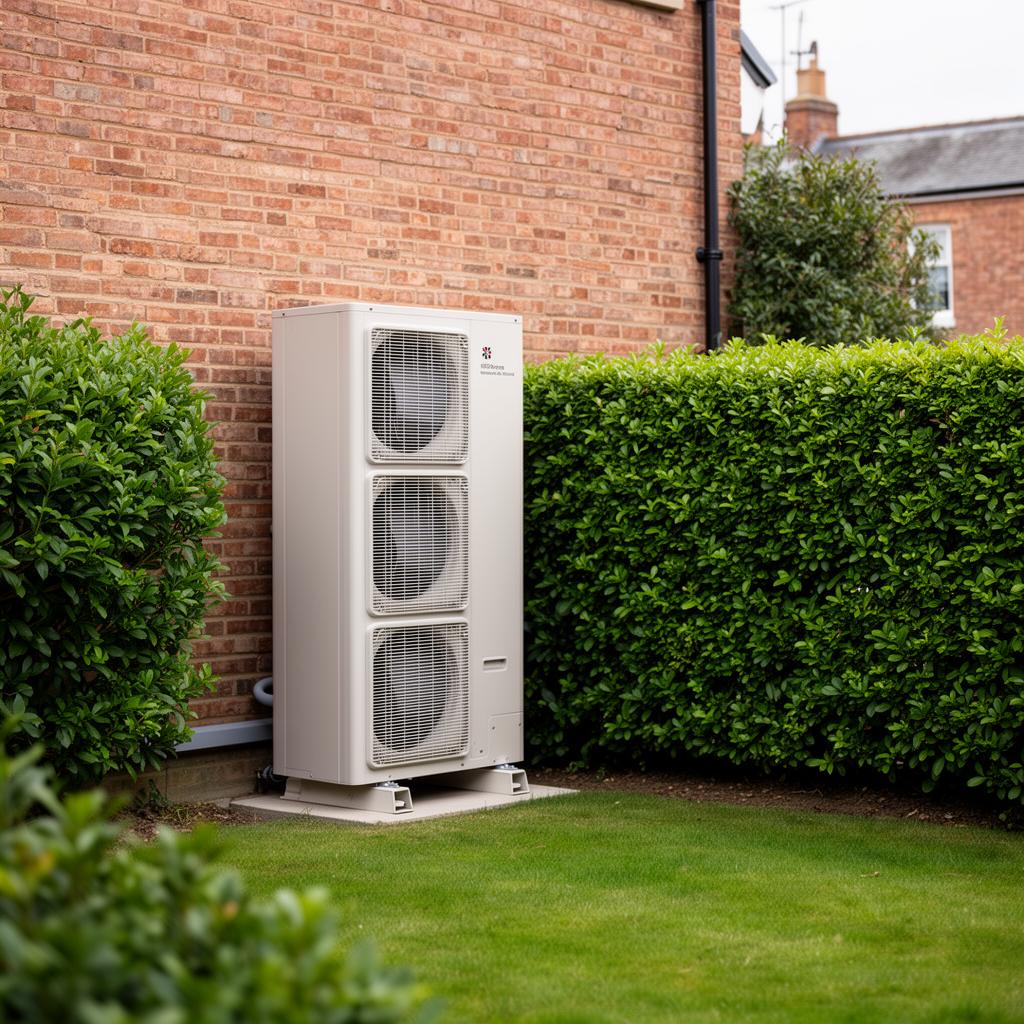
The Octopus heat pump tariff, branded as Octopus Cosy, has quickly become the most popular electricity tariff for UK heat pump owners. Octopus Energy reports that 80% of their heat pump customers pay less for heating than the average gas bill, and much of that saving is driven by the Cosy tariff’s off-peak rate structure. But is it right for everyone? This guide reviews the tariff in detail, compares it with alternatives, explains how smart controls maximise savings, and shares real customer data on what you can actually expect to save.
Is the Octopus Cosy Heat Pump Tariff Worth It?
Yes, the Octopus Cosy tariff is worth switching to for most heat pump owners. It offers electricity at around 12 to 15p per kWh during six hours of daily off-peak heating windows, compared to the standard variable rate of 24.5p per kWh. For a typical home using 4,000–5,000 kWh of electricity for heat pump operation, this can save £350 to £500 per year on heating costs.
The tariff works by providing cheaper electricity during morning and evening heating windows (typically 4–7am and 4–7pm) when heat pumps work hardest. A smart meter is required, and you need to be able to shift most of your heat pump usage into these windows using a timer or weather compensation. The trade-off is a slightly higher peak rate, so households with very high daytime electricity consumption should calculate whether the net saving still applies.
Understanding electricity tariffs is arguably as important as choosing the right heat pump, because the tariff determines the effective cost per kWh of heat delivered to your home.
How the Octopus Cosy Tariff Works
Octopus Cosy is a time-of-use electricity tariff designed specifically for homes with heat pumps. Rather than charging a flat rate for all electricity, it offers multiple rate periods throughout the day:
- Super off-peak (overnight) – Typically 7-10p per kWh during the early hours (usually midnight to 5am or similar). This is when you should be pre-heating your home and charging your hot water cylinder
- Off-peak (daytime low-demand periods) – Approximately 12-15p per kWh during mid-morning and early afternoon
- Peak (evening) – 24-30p per kWh during the highest demand period, typically 4pm to 7pm
- Standard (remaining hours) – Approximately 20-24p per kWh for hours outside the defined windows
The exact rates and time windows vary by region and are updated periodically. Octopus publishes the current rates on their website and in the app. The key principle is that by shifting your heat pump’s heaviest electricity consumption to the cheapest periods, you significantly reduce your overall cost.
To qualify for Octopus Cosy, you need:
- A heat pump installed in your property
- A smart meter (SMETS2) installed and communicating
- An Octopus Energy electricity supply account
Real Savings Data: What Customers Actually Pay
Octopus Energy has published data from thousands of Cosy tariff customers. The headline figures are impressive:
| Metric | Octopus Cosy Heat Pump Customers | Average UK Gas Heating |
|---|---|---|
| Median annual heating cost | £600-£750 | £850-£1,050 |
| Top 25% (lowest cost) | Below £500 | N/A |
| Bottom 25% (highest cost) | £900-£1,200 | N/A |
| Percentage paying less than gas average | 80% | N/A |
| Average blended electricity rate | 15-18p per kWh | 6.76p per kWh (gas) |
| Effective cost per kWh of heat (after COP) | 4.3-6.0p | 7.3-7.9p |
The critical row is the effective cost per kWh of heat. Even though electricity is more expensive per unit than gas, the heat pump’s COP of 3.0-3.5 combined with the Cosy tariff’s lower blended rate means each unit of heat actually costs less than gas heating for the majority of customers.
The customers achieving the lowest costs (under £500 per year) typically combine the Cosy tariff with solar panels, good insulation, and smart controls that aggressively pre-heat during super off-peak windows.
How Smart Controls Maximise Cosy Tariff Savings
The Cosy tariff’s full potential is only unlocked when your heat pump is paired with smart controls that can schedule operation around the tariff windows. Without smart scheduling, your heat pump runs whenever it detects demand, regardless of the current rate. With smart scheduling, it pre-heats during cheap periods and minimises consumption during expensive ones.
The most effective approach is:
- Overnight pre-heating (midnight to 5am) – Run the heat pump at moderate output during the super off-peak window to build up thermal mass in your home. A well-insulated property can retain this heat for several hours
- Morning boost (if needed) – A short run during the off-peak morning window to top up temperatures
- Daytime maintenance – Minimal heat pump operation during standard-rate hours, relying on the stored heat from overnight
- Evening avoidance – Reduce or eliminate heat pump operation during the peak 4-7pm window. Your home should still be comfortable from the day’s stored heat
- Hot water scheduling – Heat the cylinder during super off-peak hours only, using the immersion heater as a backup only if necessary
Controllers like Homely and Passiv can import Octopus tariff data automatically and optimise the heating schedule around the rate windows. They use weather forecasts, your home’s thermal characteristics, and the tariff timetable to determine exactly when and how hard to run the heat pump for minimum cost. Users of these controllers report savings of 25-40% compared to running the heat pump on a simple timer.
Octopus Cosy vs Other Heat Pump Tariffs
Octopus Cosy is not the only option for heat pump owners. Several alternative tariff structures are worth considering:
Octopus Agile
Agile offers half-hourly variable pricing based on wholesale electricity markets. Rates can drop as low as 0p (or even negative) during periods of high renewable generation, but can spike to 35p+ per kWh during peak demand. Agile rewards active engagement and rapid response, but requires more monitoring than Cosy. It suits households with battery storage or very flexible demand.
For heat pump owners without a battery, Cosy is generally more predictable and easier to optimise. With a battery, Agile can deliver lower overall costs by charging during the cheapest half-hours and discharging during expensive ones.
Octopus Intelligent
Intelligent is designed for EV owners and offers a super off-peak rate for the car charger. If you have both an EV and a heat pump, Intelligent may provide good overnight rates for both. However, the heat pump-specific optimisation of Cosy is generally more beneficial for heating costs specifically.
E.ON Heat Pump Plus
E.ON offers a heat pump tariff with a reduced off-peak rate, though typically not as low as Octopus Cosy’s super off-peak. The tariff is simpler with fewer time windows, which may suit homeowners who prefer a less complex rate structure. E.ON’s rates are typically 1-3p per kWh higher than Cosy’s off-peak equivalent.
British Gas Electric Heat
British Gas offers an electric heating tariff with two-rate time-of-use pricing (similar to the old Economy 7 concept but with heat pump-specific off-peak windows). The off-peak rates are competitive but the peak rates tend to be higher than Octopus, making overall savings more dependent on how much consumption you can shift to off-peak.
Comparison Table: Heat Pump Electricity Tariffs
| Tariff | Off-Peak Rate | Peak Rate | Complexity | Best For |
|---|---|---|---|---|
| Octopus Cosy | 7-10p/kWh | 24-30p/kWh | Moderate | Most heat pump owners |
| Octopus Agile | 0-15p/kWh (variable) | 20-100p/kWh (variable) | High | Battery storage owners |
| Octopus Intelligent | 7-10p/kWh | 24-28p/kWh | Moderate | EV + heat pump households |
| E.ON Heat Pump Plus | 10-14p/kWh | 25-30p/kWh | Low | Simplicity seekers |
| British Gas Electric Heat | 10-13p/kWh | 28-32p/kWh | Low | Existing BG customers |
| Standard flat rate | 24.5p/kWh (all hours) | 24.5p/kWh (all hours) | None | Not recommended for heat pumps |
Is the Octopus Cosy Tariff Worth Switching To?
For the vast majority of heat pump owners, the answer is yes. The potential savings compared to a standard flat-rate tariff are substantial:
- A 3-bed semi using 4,000 kWh per year for heat pump electricity saves approximately £200-£400 per year by switching from a flat rate to Cosy
- A 4-bed detached using 6,000 kWh per year saves approximately £300-£600 per year
- Homes with solar panels save even more because export during peak solar hours is worth more under Cosy’s higher daytime rate
The main caveat is that Cosy’s peak rates are higher than the flat rate. If you cannot shift much consumption to off-peak (for example, if you work from home and need heating during peak hours), the savings will be smaller. However, a well-insulated home with a heat pump running weather compensation can typically shift 50-70% of consumption to off-peak windows without any compromise on comfort.
Switching is straightforward through the Octopus app or website. There are no exit fees, and you can switch back to a flat rate if the tariff does not work for your usage pattern. Get a free quote for a heat pump installation, and ask about optimising your system for time-of-use tariffs from day one.
Frequently Asked Questions
Do I need a smart meter for the Octopus Cosy tariff?
Yes. A SMETS2 smart meter is required because the tariff uses half-hourly metering to apply different rates at different times. If you do not have a smart meter, Octopus can arrange installation for free, though there may be a waiting period of 2-6 weeks depending on your area.
Can I use the Octopus Cosy tariff without a heat pump?
No. Octopus Cosy is specifically for homes with a registered heat pump installation. You will need to provide evidence of your heat pump (such as the MCS certificate) when applying. If you heat with electricity but do not have a heat pump (for example, storage heaters), other time-of-use tariffs may be available but Cosy specifically requires a heat pump.
How much can I save by switching to the Octopus heat pump tariff?
Savings depend on your heat pump electricity consumption and how much you can shift to off-peak. Typical savings compared to a standard flat-rate tariff are £200-£600 per year. Households with smart controls, solar panels, and battery storage can save more. Octopus reports that the median Cosy customer pays £600-£750 per year for heating, which is less than the average UK gas bill.
Does the Cosy tariff make my non-heating electricity more expensive?
The Cosy tariff applies to all your household electricity, not just the heat pump. This means your non-heating appliances also benefit from off-peak rates if used during cheap periods, but will cost more if used during peak periods. Running your washing machine, dishwasher, and other high-consumption appliances during off-peak windows maximises the tariff benefit across your entire electricity bill.
What happens if I switch to Cosy and it does not save me money?
Octopus Energy has no exit fees on any of their tariffs. If you find that Cosy is not saving you money (which is unusual for heat pump owners), you can switch to a different Octopus tariff or leave entirely at any time. We recommend running Cosy for at least 2-3 months before making a judgement, as savings vary by season. Winter is when the biggest savings occur due to the high volume of off-peak heating.
See what these numbers mean for your home
Free instant estimate — costs, savings, payback and grants for your region.

Related Articles
7 Quick Wins to Cut Your Energy Bills This Summer
Summer might seem like the wrong time to think about energy bills, but it is actually when the smartest homeowners make changes. Lower heating demand means more of your spending…
22 May 2026
The Best Time of Year to Replace Your Boiler (and How to Get the Best Price)
Find out why summer is the best time to replace your boiler in the UK, how to negotiate better prices and what to check before committing to an installation.
9 May 2026
Electric Heating Options Explained: Panel Heaters, Storage Heaters and Infrared
Compare electric heating options for UK homes including modern storage heaters, ceramic panel heaters and infrared panels with running cost breakdowns.
7 May 2026