Integrated In-Roof Solar Panels: The Sleek Alternative for UK Homes
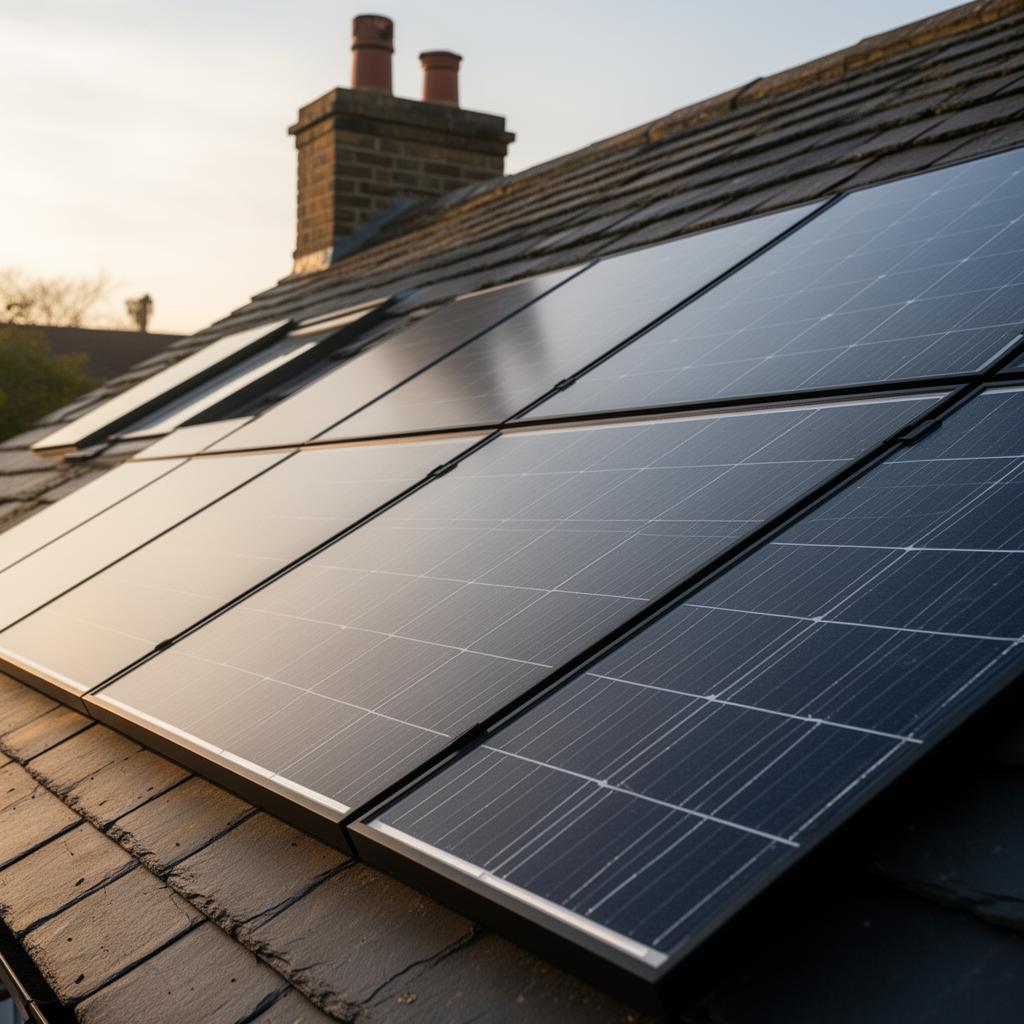
Standard solar panels sit on top of your existing roof tiles on a metal mounting frame, creating a visible gap between the panel and the roof surface. Integrated solar panels, also known as in-roof or building-integrated photovoltaics (BIPV), take a different approach. They sit flush within the roof plane, replacing the tiles underneath and creating a smooth, seamless appearance. For homeowners who want the benefits of solar without the bolt-on look, integrated solar panels in the UK offer a compelling aesthetic alternative. This guide covers the costs, benefits, installation requirements, and the brands available through UK installers.
What Are Integrated In-Roof Solar Panels?
Integrated in-roof solar panels replace your existing roof tiles rather than sitting on top of them, creating a flush, seamless appearance. Also called BIPV (building-integrated photovoltaics), they are a popular choice for homeowners who want a sleek aesthetic or live in conservation areas where standard bolt-on panels may not be permitted. A typical 4kW integrated system costs £8,000–£14,000 — around 30–50% more than conventional panels.
The higher cost is offset by savings on roof tiles (since the panels replace them) and a premium look that may add more value to your property. Performance is broadly similar to on-roof panels, though in-roof systems can run slightly warmer due to reduced airflow behind the panels, which may reduce output by 3–5% in peak summer. Integrated panels are ideal when you are already reroofing, as the combined cost of new tiles plus solar is much closer to a standard on-roof installation.
How Integrated In-Roof Solar Panels Work
Integrated solar panels replace a section of your roof covering rather than sitting on top of it. The panels are fitted into a proprietary mounting tray that integrates with the surrounding tiles or slates, creating a weathertight seal. The result is a flat, streamlined profile where the panels appear to be part of the roof rather than an addition to it.
The solar cells themselves are identical or very similar to those in standard on-roof panels. The difference is entirely in the mounting system and the frame design. Integrated panels have wider flashing kits and purpose-designed edge trims that overlap with the adjacent roofing material to prevent water ingress.
From a performance standpoint, integrated panels generate the same electricity as their on-roof equivalents. A 400W integrated panel produces 400W, just as a 400W on-roof panel does. The only performance consideration is that integrated panels may run slightly warmer because there is less airflow beneath them compared to the gap under on-roof panels. This can reduce output by 1-3% in hot weather, though the difference is negligible over a full year in the UK climate.
Why Choose Integrated Solar Panels?
The primary motivation for choosing integrated panels is aesthetics. There are several scenarios where the sleek, flush appearance is particularly valuable.
Conservation area properties
Properties in conservation areas face restrictions on solar panels that front a highway. Integrated panels are significantly less visually intrusive than on-roof panels and may be more likely to receive planning approval. Some local authorities specifically recommend in-roof systems for conservation area properties in their planning guidance.
New builds and re-roofing projects
If you are building a new home or having your roof replaced, integrated panels make particular sense. The panels replace tiles that would otherwise need to be purchased and installed, which partially offsets the additional cost. The roof and panels are installed in a single operation, saving time and scaffolding costs.
Aesthetic preference
Some homeowners simply prefer the clean, modern look of flush-mounted panels. This is particularly relevant for prominent roof faces that are highly visible from the street or garden. Integrated panels can add to a property’s kerb appeal rather than detracting from it.
Integrated vs On-Roof Solar Panels: Cost Comparison
Integrated panels carry a premium over standard on-roof systems, primarily due to the more complex mounting system and the additional weatherproofing requirements.
| Factor | On-Roof Panels | Integrated In-Roof Panels |
|---|---|---|
| Panel cost (per panel) | £150-£250 | £200-£350 |
| Mounting system cost | £300-£600 (rail system) | £800-£1,500 (integrated tray) |
| Installation labour | 1-2 days | 2-3 days |
| Tiles saved (not needed) | N/A | -£200-£400 credit |
| Total for 10-panel (4 kW) system | £6,000-£8,000 | £8,000-£12,000 |
| Premium over on-roof | – | £2,000-£4,000 (25-50%) |
The premium is highest when retrofitting integrated panels onto an existing roof because the existing tiles need to be removed and the mounting tray installed. When integrated panels are installed as part of a new build or re-roofing project, the premium is lower because you are saving the cost of the tiles the panels replace.
Weather-Tightness and Warranty Considerations
Because integrated panels form part of the roof’s weather barrier, correct installation is critical. Any failure in the flashing or sealing around the panels could allow water ingress, potentially causing roof deck damage, insulation degradation, or interior leaks.
Reputable integrated panel systems include comprehensive weatherproofing components:
- Lead or aluminium flashings at the top and sides of the array
- Interlocking panel trays that channel water away from joints
- Purpose-designed edge profiles that integrate with standard tile and slate profiles
- Breathable membrane beneath the panels for secondary water protection
When choosing an installer, ensure they have specific experience with in-roof systems. The weatherproofing skills required are closer to roofing than to standard solar installation. Ask for references from previous in-roof projects and check that the installer offers a workmanship warranty that covers water-tightness, not just the electrical installation.
Panel product warranties for integrated systems are typically the same as for on-roof panels: 25-30 years for performance and 10-15 years for the product itself. The mounting tray system should carry its own warranty of at least 10 years.
Popular Integrated Solar Panel Brands in the UK
Several established brands offer integrated in-roof panel systems through UK installers.
GSE Integration
GSE is one of the most widely used in-roof mounting systems in Europe. The GSE In-Roof system accepts standard-sized solar panels from any manufacturer, giving flexibility in panel choice. It uses a lightweight aluminium tray with interlocking joints and integrated flashing. GSE is popular with UK installers because of its compatibility with a wide range of roof tile profiles.
Viridian Solar Clearline Fusion
Viridian Solar is a UK-based company that designs its in-roof system specifically for the British market. The Clearline Fusion system is designed to work with standard UK interlocking concrete tiles and plain tiles. It is one of the few systems designed and tested in the UK, which means compatibility with common roof profiles is well proven.
Marley SolarTile
Marley, one of the UK’s largest roofing product manufacturers, offers the SolarTile system which integrates solar panels with their range of roof tiles. This is a natural choice for new builds and re-roofing projects where Marley tiles are being used, ensuring perfect compatibility between the panels and the surrounding roof covering.
Tesla Solar Roof
Tesla’s Solar Roof takes integration to the extreme, replacing every tile on the roof with either active solar tiles or matching inactive tiles. While visually impressive, Tesla Solar Roof is significantly more expensive than other options and has had limited availability in the UK. It is best suited for complete new builds rather than retrofits.
Installation Requirements and Process
Installing integrated panels involves more work than a standard on-roof installation. The process typically includes:
- Removing existing tiles from the area where panels will be installed
- Checking and preparing the roof battens and membrane
- Installing the in-roof mounting trays and flashing kits
- Fitting the solar panels into the trays
- Sealing all joints and edges against water ingress
- Reconnecting surrounding tiles to the panel edge trims
- Standard electrical wiring, inverter installation, and commissioning
The additional roofing work means installation typically takes 2-3 days compared to 1-2 days for on-roof panels. If any roof battens or membrane need replacing (common on older roofs), this adds time and cost.
For new builds, the process is simpler because the panels are installed as part of the initial roof construction, with the mounting trays placed on the battens before any tiles are laid.
Are Integrated Solar Panels Worth the Extra Cost?
The financial return on integrated panels is lower than on-roof panels because you pay more for the same generation capacity. The 25-50% premium extends the payback period by 2-4 years compared to a standard system of the same size.
However, the decision is not purely financial for most buyers. If aesthetics are important, if you live in a conservation area where planning approval is easier for integrated systems, or if you are re-roofing or building new, the additional cost may be well justified. The panels still pay for themselves within their lifetime, just over a longer period.
To get a quote that includes both on-roof and integrated options for your property, request a free assessment from MCS-certified installers who can advise on the best approach for your roof.
Frequently Asked Questions
Do integrated solar panels need planning permission?
Integrated panels benefit from the same permitted development rights as on-roof panels. They must not protrude more than 200mm from the roof plane, which is easily met because they sit flush. In conservation areas, they are generally more acceptable than on-roof panels because of their less intrusive appearance, though it is always worth checking with your local planning authority.
Can integrated panels be retrofitted to an existing roof?
Yes, but the process involves removing the existing tiles in the panel area and replacing them with the mounting tray system. This adds cost and complexity compared to on-roof installation. Retrofitting is most cost-effective when combined with other roof work such as re-tiling or insulation upgrades.
Are integrated panels harder to maintain or replace?
Replacing a faulty integrated panel requires more work than swapping an on-roof panel because the surrounding flashing and edge trims need to be carefully removed and refitted. However, modern panels rarely fail entirely, and the mounting systems are designed to allow individual panel access. Annual cleaning is the same as for on-roof panels.
Do integrated panels reduce airflow and increase temperature?
Integrated panels have less airflow beneath them than on-roof panels, which can cause them to run slightly warmer on hot days. This reduces efficiency by approximately 1-3% at peak temperatures. Over a full year in the UK, where extremely hot days are infrequent, the impact on total annual generation is minimal and typically less than 1%.
See what these numbers mean for your home
Free instant estimate — costs, savings, payback and grants for your region.

Related Articles
Is Solar Battery Storage Worth It in 2026?
Solar panels are now a common sight on UK rooftops, but the real game-changer in 2026 is battery storage. A home battery lets you store the electricity your panels generate…
2 June 2026
Why Spring Is the Perfect Time to Install Solar Panels
If you have been thinking about solar panels for a while but never quite pulled the trigger, spring is the moment to act. The combination of lengthening days, mild installation…
23 April 2026
How the Energy Price Cap Affects Heat Pump and Solar Panel Payback
See how the energy price cap affects heat pump and solar panel payback periods. Real calculations using current UK unit rates show why investing now locks in stronger returns.
15 April 2026