How to Improve Your EPC Rating Before Selling Your Home in 2026

Your Energy Performance Certificate rating can make a real difference when selling your home. Buyers are increasingly aware of energy costs, and a higher EPC band signals lower bills and a more comfortable property. With new minimum EPC requirements coming for the rental market and rising energy awareness among homebuyers, improving your rating before listing could add thousands to your sale price and help your home sell faster.
How to Improve Your EPC Rating Before Selling
- Top up loft insulation to 270mm — the highest-impact quick win, often under £500 and worth up to 10 EPC points
- Install cavity wall insulation — can add 10 to 20 points and may be available free through the Great British Insulation Scheme
- Switch all lighting to LEDs — costs under £100 and is flagged in every EPC assessment
- Fit a smart thermostat and thermostatic radiator valves — improves your heating controls score by 2 to 5 points
- Insulate your hot water cylinder — a £20 jacket adds measurable points
- Book your new EPC assessment after all improvements are complete — allow 48 hours for installations to settle before the assessor visits
Focus on improvements that deliver the most EPC points per pound spent. Moving from EPC band D to band C can add between 3 and 5 percent to your property’s sale price, according to recent market data, making even moderate investment in energy efficiency a strong financial decision before listing.
What Is an EPC and Why Does It Matter?
An EPC rates your home’s energy efficiency on a scale from A (most efficient) to G (least efficient). Every home in England and Wales needs a valid EPC before it can be sold or let. The certificate lasts for ten years and includes an estimated annual energy cost alongside specific recommendations for improvement.
In 2026, EPCs matter more than ever. Mortgage lenders are increasingly factoring energy efficiency into lending decisions, with some offering preferential rates for homes rated C or above. Estate agents report that energy-efficient homes attract more viewings and achieve asking price more consistently than lower-rated equivalents.

Quick Wins That Improve Your EPC Rating
Not every improvement requires major building work. These lower-cost measures can move your rating up by one or two bands:
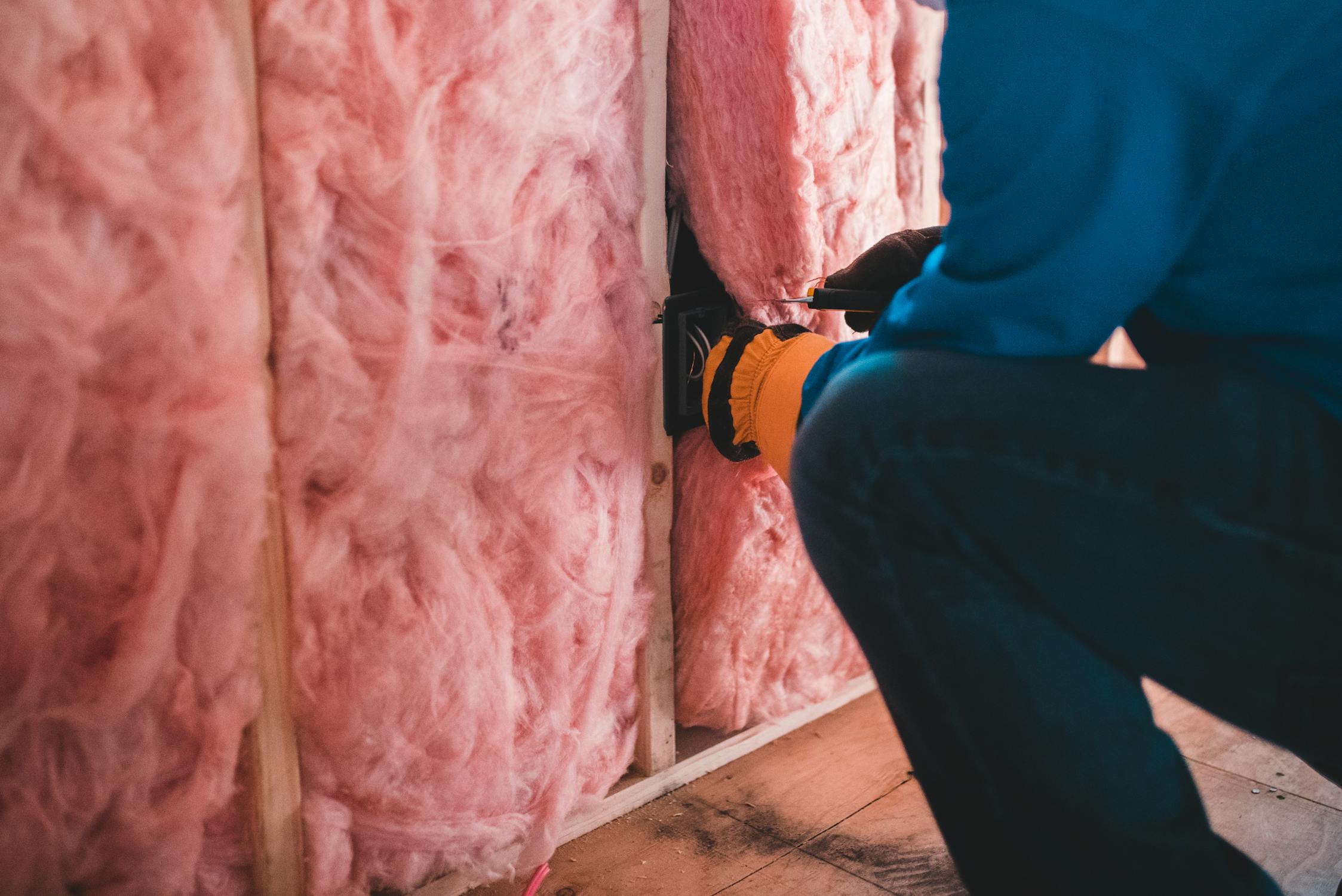
- Loft insulation top-up: if your loft insulation is less than 270mm deep, topping it up costs £300 to £500 and can improve your EPC by five to ten points. Many homes still have the older 100mm standard.
- Cavity wall insulation: if your home has unfilled cavity walls, professional insulation costs £500 to £1,500 and is one of the single biggest improvements you can make, often worth 10 to 15 EPC points.
- LED lighting throughout: replacing all remaining halogen or CFL bulbs with LEDs is cheap, typically under £50 for a whole house, and the EPC assessment rewards low-energy lighting.
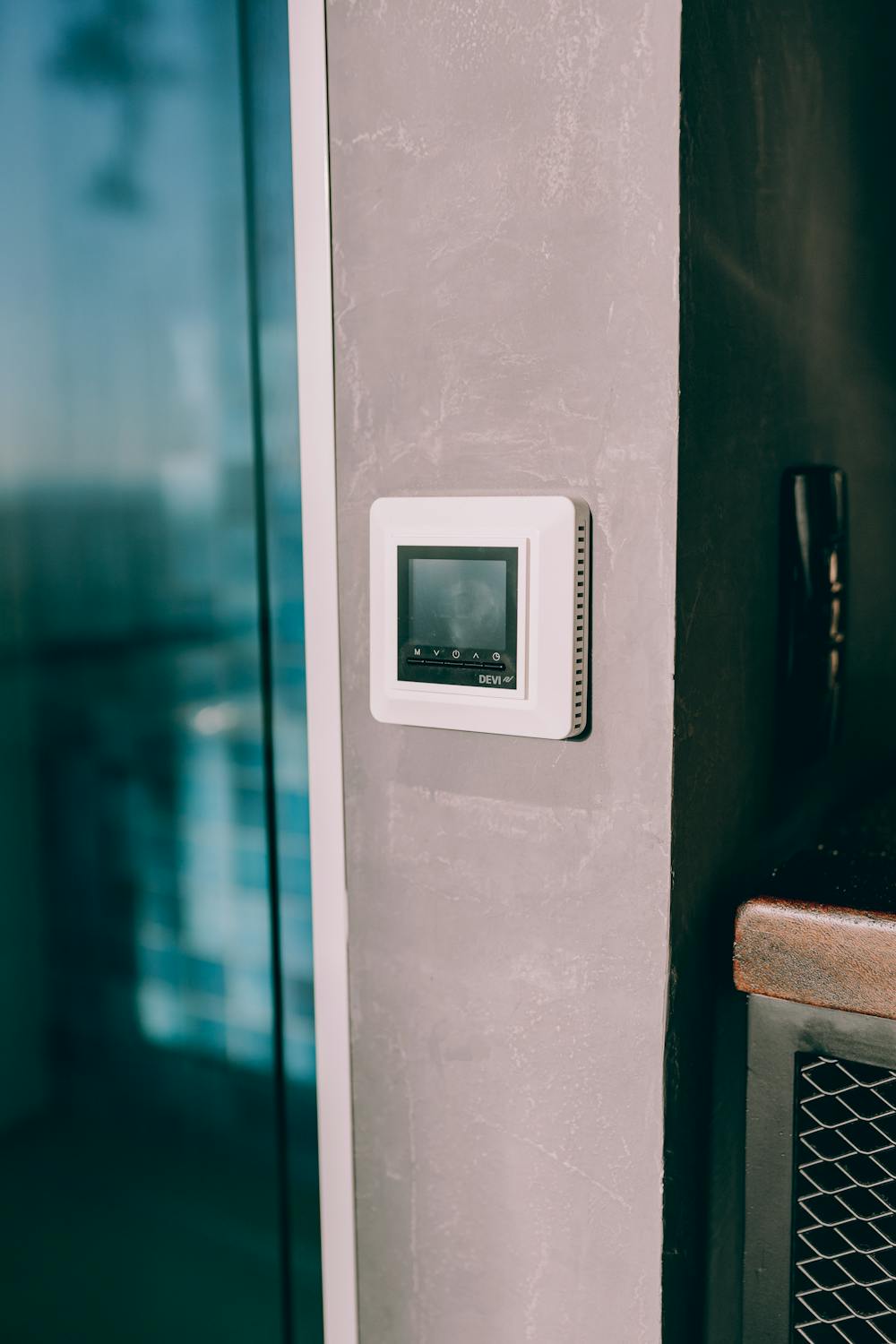
- Smart heating controls: a programmable room thermostat with thermostatic radiator valves costs £200 to £400 installed and demonstrates proper heating control to the assessor.
- Hot water cylinder insulation: if you have a hot water tank with less than 80mm of insulation, adding a jacket costs under £20 and improves your score.
- Draught proofing: sealing gaps around doors, windows and letterboxes costs £100 to £300 professionally and reduces heat loss the assessor will note.
Medium-Cost Upgrades With Strong EPC Impact
If your home is currently rated D or E and you want to reach C, you may need one or two of these medium-cost improvements:
- Double glazing: replacing single-glazed windows with modern double glazing typically costs £4,000 to £8,000 for a three-bedroom house and can improve your EPC by 10 to 15 points. It also removes a major buyer objection.
- Modern condensing boiler: if your boiler is more than 15 years old, replacing it with an A-rated condensing model costs £2,500 to £4,000 installed and significantly improves the heating efficiency score on your EPC.
- Underfloor insulation: for homes with accessible suspended timber floors, insulation costs £500 to £1,500 and addresses a heat loss area many homeowners overlook.
- Solar panels: a 4 kW system costs £5,000 to £7,000 after the current 0% VAT relief and typically improves an EPC by 10 to 20 points while also reducing the estimated annual energy cost shown on the certificate.
What Adds the Most Value Per Pound Spent?
Research from estate agents and property portals consistently shows that moving from EPC band D to C adds between 3% and 5% to a property’s value. For a home worth £250,000, that is £7,500 to £12,500. The improvements that deliver the best return are typically:
- Loft insulation top-up (cost £300–500, potential value add £2,000+)
- Cavity wall insulation (cost £500–1,500, potential value add £3,000+)
- LED lighting and smart controls (cost £250–450, potential value add £1,000+)
- New boiler (cost £2,500–4,000, potential value add £5,000+)
- Double glazing (cost £4,000–8,000, potential value add £5,000–10,000)
Timing Your EPC Assessment
Get your improvements done before commissioning the EPC assessment, not after. The assessor can only credit what they can see and verify on the day of the visit. If you have had cavity wall insulation installed, keep the guarantee certificate as the assessor will need evidence. Similarly, keep receipts and certificates for any boiler replacement, window installation or insulation work.
An EPC assessment costs £60 to £120. If your current certificate is more than a year old or you have made improvements since it was issued, commissioning a new assessment before listing is well worth the cost. The improved rating will appear on property portals alongside your listing and immediately signals to buyers that the home is energy efficient.
Grants That Can Help Cover the Cost
Several government schemes can reduce the upfront cost of EPC improvements. The Great British Insulation Scheme provides free or heavily subsidised insulation for eligible households. The Boiler Upgrade Scheme offers £7,500 towards a heat pump installation. And solar panels benefit from 0% VAT, reducing the cost by 20% compared with the standard rate. Check your eligibility before paying full price for any improvement.
See what these numbers mean for your home
Free instant estimate — costs, savings, payback and grants for your region.

Related Articles
7 Quick Wins to Cut Your Energy Bills This Summer
Summer might seem like the wrong time to think about energy bills, but it is actually when the smartest homeowners make changes. Lower heating demand means more of your spending…
22 May 2026
The Best Time of Year to Replace Your Boiler (and How to Get the Best Price)
Find out why summer is the best time to replace your boiler in the UK, how to negotiate better prices and what to check before committing to an installation.
9 May 2026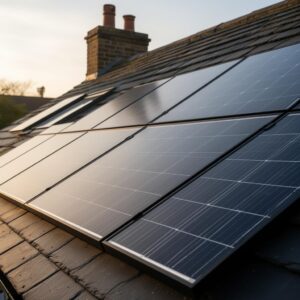
Electric Heating Options Explained: Panel Heaters, Storage Heaters and Infrared
Compare electric heating options for UK homes including modern storage heaters, ceramic panel heaters and infrared panels with running cost breakdowns.
7 May 2026