Hybrid Inverters Explained: The Heart of a Solar Battery System
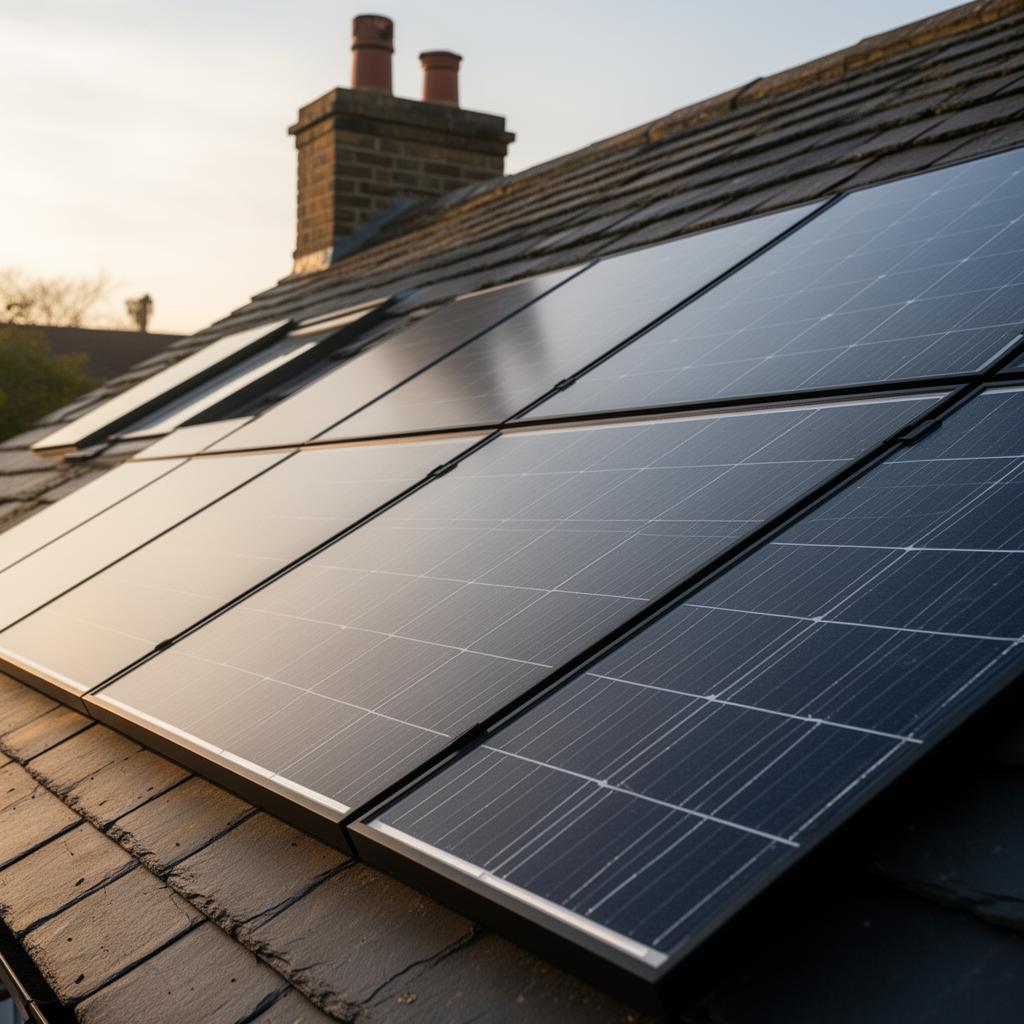
A hybrid inverter solar UK installations increasingly use is the central brain of any solar-plus-battery system. It manages the flow of electricity between your solar panels, battery, home appliances and the grid, converting DC power from panels and batteries into the AC power your home uses. Choosing the right hybrid inverter determines whether your system runs efficiently, whether you can add a battery later and whether you avoid paying for a second inverter down the line.
What Is a Hybrid Inverter?
A hybrid inverter is a single device that manages both your solar panels and battery storage, converting DC electricity from the panels and battery into AC electricity for your home. Unlike a standard solar inverter that only handles panel output, a hybrid inverter controls battery charging, discharging and grid interaction in one unit. Popular models in the UK include the GivEnergy Gen 3, SolarEdge Home Hub and Solis S6-EH1P, ranging from £1,200 to £2,500.
Hybrid inverters are the most cost-effective option when installing solar panels and a battery at the same time because they eliminate the need for a separate battery inverter. They also support future battery expansion — you can install solar now with a hybrid inverter and add a battery later without replacing any equipment. Most modern hybrid inverters include smart tariff integration, allowing automatic grid charging at cheap overnight rates and discharging during expensive peak periods.
This guide explains how hybrid inverters differ from standard string inverters, compares the leading brands available through UK installers and helps you future-proof your solar investment.
What Is a Hybrid Inverter and How Does It Work?
Every solar panel system needs an inverter to convert the direct current (DC) electricity generated by the panels into the alternating current (AC) electricity used by your home appliances. A standard string inverter does only this: DC in from panels, AC out to your home and the grid.
A hybrid inverter (also called a battery-ready inverter) does the same job but adds a second function: it also manages the flow of electricity to and from a battery. This means it handles three types of energy conversion:
- Solar DC to home AC: converting panel output for immediate use in your home
- Solar DC to battery DC: directing surplus solar energy into the battery for later use
- Battery DC to home AC: converting stored battery energy into usable AC power when the sun is not shining
A hybrid inverter also manages grid interaction, deciding when to import cheap electricity for battery charging, when to export surplus for SEG payments and when to switch between power sources based on your tariff schedule.
Hybrid vs Standard String Inverter: Key Differences
| Feature | Standard String Inverter | Hybrid Inverter |
|---|---|---|
| Solar DC to AC conversion | Yes | Yes |
| Battery charging/discharging | No | Yes |
| Grid charging for battery | No | Yes |
| Smart tariff integration | Basic export only | Full charge/discharge scheduling |
| Backup power capability | No | Some models (with EPS) |
| Cost (typical 4 kWp) | 600 – 1,000 pounds | 900 – 1,500 pounds |
| Future battery retrofit | Needs second inverter | Battery connects directly |
The cost difference between a standard and hybrid inverter is typically 300 to 500 pounds. This is a small premium compared to the 1,000 to 2,000 pounds it costs to add a second inverter later if you install a standard inverter now and decide to add a battery in the future.
Hybrid Inverter Efficiency: What the Numbers Mean
Inverter efficiency determines how much electricity is lost during the conversion process. Modern hybrid inverters achieve 95 to 98% efficiency, meaning only 2 to 5% of the energy passing through is lost as heat.
This matters more than you might think. On a 4 kWp system generating 3,800 kWh per year, the difference between a 95% efficient and a 98% efficient inverter is approximately 114 kWh per year, worth roughly 28 pounds annually. Over a 12-year inverter warranty period, that efficiency difference is worth approximately 340 pounds.
When comparing inverters, look at the European weighted efficiency rather than the peak efficiency. The European weighted figure accounts for the fact that inverters spend most of their time at partial load rather than peak output, giving a more realistic picture of real-world performance in UK conditions.
Leading Hybrid Inverter Brands for UK Solar Systems
Several hybrid inverter brands dominate the UK residential market. Here is how the main options compare.
| Brand | Popular Model | Max Output | MPPT Channels | Efficiency | Warranty | Typical Cost |
|---|---|---|---|---|---|---|
| SolarEdge | Home Wave | 6 kW | Optimiser-based | 97.5% | 12 years | 1,200-1,600 |
| Solis | S6-EH3P | 6 kW | 2 | 97.6% | 10 years | 800-1,100 |
| Huawei | SUN2000 | 6 kW | 2 | 98.4% | 10 years | 900-1,200 |
| GivEnergy | Gen 3 | 6 kW | 2 | 97.0% | 12 years | 900-1,200 |
| FoxESS | H3 | 6 kW | 2 | 97.2% | 10 years | 800-1,000 |
| Sunsynk | ECCO | 5 kW | 2 | 97.0% | 10 years | 800-1,100 |
SolarEdge Home Wave
SolarEdge takes a unique approach by requiring power optimisers on every panel, which handle the MPPT function at panel level. The inverter itself is a fixed-voltage unit that works exclusively with SolarEdge optimisers. This system delivers excellent shade tolerance and panel-level monitoring but locks you into the SolarEdge ecosystem for future expansion.
The 12-year warranty is the longest among the mainstream brands, and SolarEdge’s monitoring platform is comprehensive. At 1,200 to 1,600 pounds, it is the most expensive option, but the optimisers are included in that price.
Solis S6-EH3P
Solis is one of the largest inverter manufacturers globally and offers competitive pricing with solid performance. The S6 hybrid inverter achieves 97.6% European efficiency and supports most LFP battery brands. UK installers favour Solis for its reliability and straightforward commissioning process.
Huawei SUN2000
Huawei’s SUN2000 hybrid inverter leads the field on efficiency at 98.4%. It is a well-engineered unit with good smart tariff support and a clean monitoring app. Huawei batteries connect seamlessly, though the inverter also works with third-party storage. The main consideration is Huawei’s geopolitical situation, which some homeowners factor into their purchasing decisions.
Future-Proofing: Why Battery-Ready Matters
Even if you are not planning to install a battery today, choosing a hybrid inverter is one of the smartest decisions you can make. Here is why.
If you install a standard string inverter and later decide to add a battery, you have two options:
- Add an AC-coupled battery: this requires a separate battery inverter, adding 1,000 to 2,000 pounds to the battery cost. The system also loses efficiency because solar DC is converted to AC by the string inverter, then back to DC for battery storage, then to AC again for use. Each conversion loses 2-5%
- Replace the string inverter with a hybrid: this wastes the original inverter entirely and costs the full hybrid inverter price plus labour to swap it out
By installing a hybrid inverter from the start, you spend an extra 300 to 500 pounds now and save 1,000 to 2,000 pounds when you add a battery later. The battery connects directly to the hybrid inverter’s DC bus, avoiding the efficiency losses of AC coupling and eliminating the need for a second inverter.
Given that battery prices are falling and smart tariffs are making storage increasingly attractive, the probability that you will want a battery within the next 5-10 years is high. The hybrid inverter premium is arguably the best 300 to 500 pounds you can spend on future-proofing your solar panel system.
How to Choose the Right Hybrid Inverter
When comparing quotes from installers, pay attention to these hybrid inverter specifications:
- Battery compatibility: check which battery brands and models are compatible with the inverter. Some inverters only work with the same brand’s batteries, while others support multiple brands
- MPPT channels: two independent MPPT inputs allow panels on different roof faces to operate independently. If your panels are split across east and west slopes, dual MPPT is essential
- Maximum battery charge rate: this determines how quickly the battery can charge from solar. A higher rate means the battery fills faster on sunny days
- EPS capability: if backup power during outages is important, check whether the inverter supports an Emergency Power Supply relay
- Monitoring and smart tariff support: good monitoring apps and native smart tariff integration save time and maximise savings
Your installer should recommend an inverter based on your system size, battery plans and budget. Get a free quote from MCS-certified installers to compare options for your home.
Frequently Asked Questions
Can I use a hybrid inverter without a battery?
Yes. A hybrid inverter works perfectly well as a standard solar inverter without a battery connected. It simply converts solar DC to AC for your home and manages grid export. When you are ready to add a battery, it connects to the inverter’s DC bus with no additional equipment needed.
How long do hybrid inverters last?
Most hybrid inverters carry a 10 to 12-year warranty and have a design life of 15 to 20 years. They are typically the first major component in a solar system to need replacing, as solar panels last 25-30+ years. Budget approximately 800 to 1,500 pounds for an inverter replacement after the warranty period.
Is a hybrid inverter noisier than a standard inverter?
Slightly. Hybrid inverters with internal fans produce a low hum when operating at higher power levels, typically 30 to 40 decibels. This is comparable to a quiet refrigerator. If the inverter is installed in a garage or utility room, the noise is unlikely to be noticeable. If it must go in a living space, check the specific model’s noise rating before installation.
Can I swap my standard inverter for a hybrid later?
Yes, but it is not cost-effective. The labour to remove the old inverter, install the hybrid and recommission the system costs approximately 500 to 800 pounds on top of the hybrid inverter price. You also waste the remaining life of the original inverter. It is almost always cheaper to install a hybrid inverter from the outset.
Does the inverter brand need to match the battery brand?
Not always, but it simplifies things. Same-brand systems (such as GivEnergy inverter plus GivEnergy battery) offer the best integration, monitoring and support. Cross-brand combinations work with some pairings but may require additional configuration and can have limited monitoring features. Ask your installer about specific compatibility before committing.
See what these numbers mean for your home
Free instant estimate — costs, savings, payback and grants for your region.

Related Articles
Is Solar Battery Storage Worth It in 2026?
Solar panels are now a common sight on UK rooftops, but the real game-changer in 2026 is battery storage. A home battery lets you store the electricity your panels generate…
2 June 2026
Why Spring Is the Perfect Time to Install Solar Panels
If you have been thinking about solar panels for a while but never quite pulled the trigger, spring is the moment to act. The combination of lengthening days, mild installation…
23 April 2026
How the Energy Price Cap Affects Heat Pump and Solar Panel Payback
See how the energy price cap affects heat pump and solar panel payback periods. Real calculations using current UK unit rates show why investing now locks in stronger returns.
15 April 2026