Heat Pump and Solar Panel Combination: UK Savings and Sizing Guide
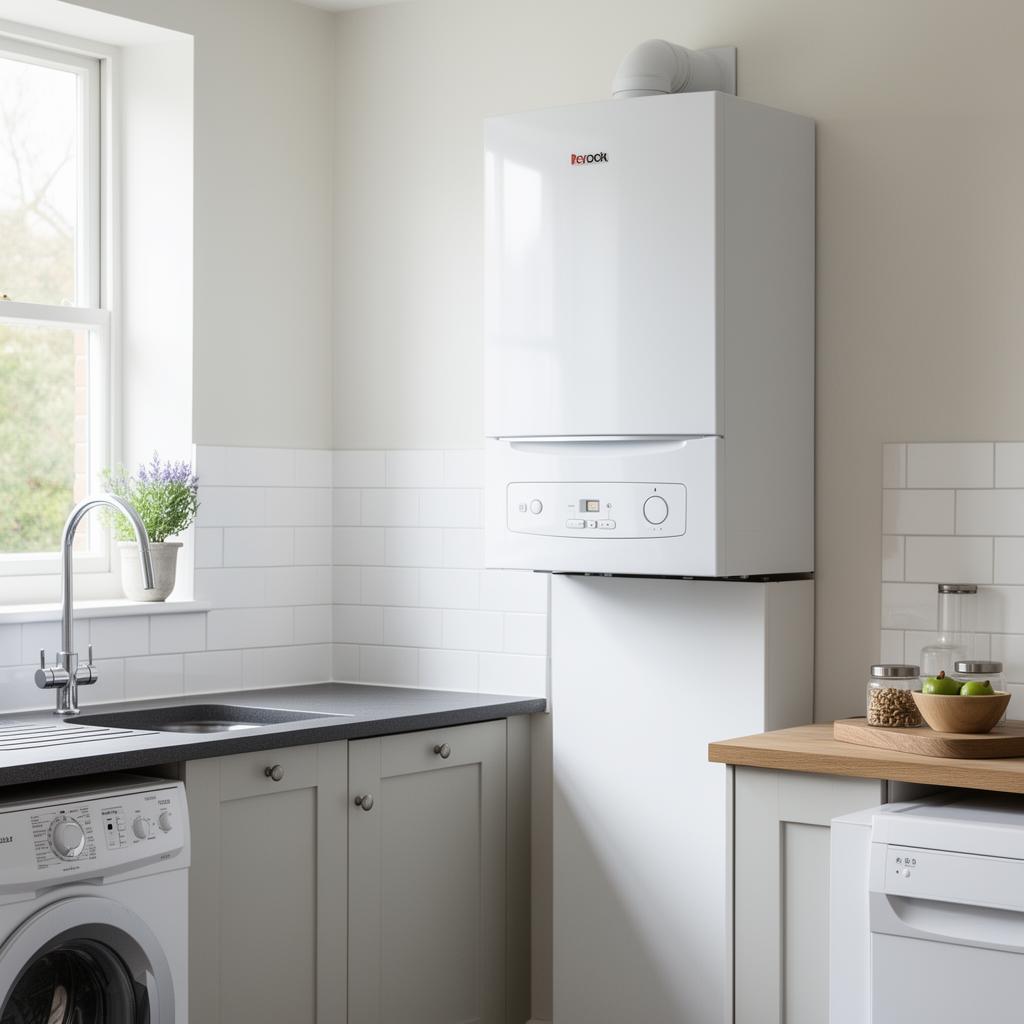
Pairing heat pump solar panels UK systems together is one of the smartest energy investments a homeowner can make in 2026. A typical 5kW air source heat pump combined with a 4kW solar panel array can save between £1,250 and £2,100 annually on energy bills while reducing your carbon footprint by approximately 2.6 tonnes of CO2 per year. With the Boiler Upgrade Scheme grant covering up to £7,500 of the heat pump cost, the combined system is more affordable than ever.
How Do Heat Pumps and Solar Panels Work Together?
A heat pump and solar panel combination works by using free solar electricity to power the heat pump, dramatically reducing running costs. A typical 4 kWp solar array generates around 3,400 kWh per year and can supply 40–60% of a heat pump’s annual electricity demand. Together, the two systems can cut heating bills to as little as £300–£500 per year for an average UK home, compared to £1,300–£1,800 with gas central heating.
For optimal sizing, most UK households need a 4–6 kWp solar array alongside their heat pump. South-facing roofs deliver the best generation, but east-west splits also work well and spread production across more of the day. Adding a solar diverter or battery storage improves self-consumption further, ensuring surplus summer generation offsets winter electricity costs through Smart Export Guarantee payments.
This guide covers the real savings you can expect, how to size both systems correctly, the seasonal mismatch challenge and how to address it, battery storage considerations, and the total costs involved.
Why Heat Pumps and Solar Panels Work So Well Together
The logic behind combining a heat pump with solar panels is compelling. Your heat pump’s biggest running cost is electricity, and solar panels generate free electricity from your roof. Every kilowatt-hour of solar electricity that powers your heat pump directly displaces grid electricity you would otherwise pay for at 24-28p per kWh.
With a COP of 3.5, every 1 kWh of electricity your heat pump consumes produces approximately 3.5 kWh of heat. So when your solar panels feed the heat pump directly, each free kilowatt-hour of solar electricity effectively generates 3.5 kWh of free heating. This multiplier effect is what makes the combination so financially attractive.
A 4kW solar array in the UK typically generates 3,400-4,000 kWh per year, depending on location and orientation. If even half of that directly powers your heat pump, you are offsetting 1,700-2,000 kWh of grid electricity, saving approximately £400-£560 on heating alone, before accounting for the electricity saved on other household consumption.
Real UK Savings: Heat Pump Solar Panels Combination
The total savings from a combined system depend on several factors, but here are realistic figures for a typical UK 3-bed semi-detached house:
| Saving Category | Annual Saving | Notes |
|---|---|---|
| Heat pump vs gas boiler | £300-£550 | Based on current gas vs electricity prices |
| Solar self-consumption (heat pump) | £400-£560 | Approx 50% of solar output powering heat pump |
| Solar self-consumption (household) | £250-£400 | Lights, appliances, hot water |
| Smart Export Guarantee | £100-£200 | Exported surplus solar at 12-15p/kWh |
| Reduced standing charges | £100-£200 | If disconnecting gas supply |
| Total annual saving | £1,250-£2,100 |
These figures assume current energy prices of approximately 24.5p per kWh for electricity and 5.74p per kWh for gas under the January 2026 price cap. Properties with higher heat demand, such as detached houses or older buildings, will see larger absolute savings.
The Seasonal Mismatch Challenge
The most significant drawback of combining heat pumps with solar panels is the seasonal mismatch. Your heat pump works hardest in winter when heating demand peaks, but solar panels generate most of their electricity in summer when heating demand is minimal.
In practical terms, a 4kW solar array might generate 15-20 kWh per day in June but only 2-5 kWh per day in December. Meanwhile, your heat pump might consume 15-25 kWh per day in January but only 3-5 kWh per day in July (for hot water only).
This mismatch means the direct overlap between solar generation and heat pump consumption is lower than you might hope. During the shoulder months of spring and autumn, the overlap is best, with moderate solar generation coinciding with moderate heating demand. In the depths of winter, your heat pump will still draw primarily from the grid.
Several strategies can mitigate this mismatch:
- Hot water pre-heating – Use surplus summer solar to heat your hot water cylinder via the heat pump, maximising self-consumption
- Battery storage – Store daytime solar generation for evening heat pump use
- Smart scheduling – Run the heat pump during peak solar hours, pre-heating your home while electricity is free
- Oversizing solar slightly – A larger array generates more useful winter output, even if summer surplus increases
Sizing Your Heat Pump and Solar Panel System
Correct sizing of both systems is essential for maximising the financial return. Here are the key considerations:
Heat pump sizing
Your heat pump should be sized based on a proper heat loss calculation, not on your existing boiler size. Most UK homes are significantly oversized on their current gas boiler. A well-insulated 3-bed semi typically needs a 5-8 kW heat pump, while a 4-bed detached property might require 8-12 kW. Improving your insulation before installation can reduce the heat pump size needed, saving on both purchase and running costs.
Solar panel sizing
For a combined system, we typically recommend a solar array of 3.5-5 kW for most homes. This translates to 8-12 panels on a south-facing roof. A larger array generates more winter output, which improves the direct solar-to-heat-pump overlap, but also increases summer surplus that you will need to export or store.
The sweet spot for most 3-bed homes is a 4 kW solar array paired with a 5-6 kW heat pump. This combination balances self-consumption rates against upfront cost, typically achieving a solar self-consumption rate of 45-60% without battery storage.
Battery Storage: Does It Make the Combination Better?
Adding a home battery to a heat pump and solar panel system can increase your solar self-consumption rate from around 50% to 75-85%. A typical 5 kWh battery costs £2,500-£4,000 and stores enough energy to run your heat pump for 3-5 hours during the evening.
However, the economics of adding a battery are tighter than many people expect. The additional self-consumed solar saves you the difference between the grid rate and the export rate, which is approximately 12-15p per kWh. On a 5 kWh battery cycling daily, that equates to savings of around £220-£275 per year, giving a payback period of 10-15 years on the battery alone.
Batteries become more attractive if you are on a time-of-use tariff, as you can charge from the grid at off-peak rates (as low as 7p per kWh) and discharge during peak periods (up to 30p per kWh), adding an extra revenue stream regardless of solar generation.
Combined System Costs and Grant Support
The total investment for a combined heat pump and solar panel system varies considerably based on property size and system specification:
| Component | Typical Cost Range | Grant Available | Net Cost |
|---|---|---|---|
| Air source heat pump (installed) | £10,000-£16,000 | BUS grant: £7,500 | £2,500-£8,500 |
| 4kW solar panel system | £5,500-£7,500 | 0% VAT | £5,500-£7,500 |
| 5kWh battery storage | £2,500-£4,000 | 0% VAT | £2,500-£4,000 |
| Hot water cylinder upgrade | £500-£1,500 | Included in BUS | £0-£500 |
| Total without battery | £16,000-£25,000 | £8,000-£16,500 | |
| Total with battery | £18,500-£29,000 | £10,500-£20,500 |
Both heat pumps and solar panels qualify for 0% VAT on installation. The BUS grant of £7,500 is deducted at the point of installation for the heat pump. Combined, these incentives reduce the total outlay by £8,000-£10,000 compared to the gross system cost.
At annual savings of £1,250-£2,100, the net combined system typically pays for itself within 5-10 years, with the system continuing to deliver savings for another 15-20 years beyond that.
Installation Considerations for Combined Systems
When planning a combined installation, consider the following practical points:
- Electrical supply – Your incoming supply may need upgrading to accommodate both systems, particularly if you currently have a 60A fuse. Your installer should assess this during the survey
- Installation sequence – Solar panels can be installed before, after, or at the same time as the heat pump. Installing them together can reduce scaffolding and electrical costs
- Inverter compatibility – Ensure your solar inverter can communicate with the heat pump controller for smart scheduling
- Roof condition – If your roof needs work, complete it before solar panel installation to avoid the cost of panel removal and refitting
- Planning permissions – Solar panels are typically permitted development, as are heat pumps in most cases, but check conservation area restrictions
Ready to explore a combined heat pump and solar panel system for your home? Get a free, no-obligation quote to see what savings you could achieve.
Frequently Asked Questions
How much can I save with a heat pump and solar panel combination in the UK?
A typical 3-bed semi-detached house can save between £1,250 and £2,100 per year with a combined heat pump and solar panel system. The exact figure depends on your current heating system, property size, insulation levels, and electricity tariff. Homes switching from oil or LPG heating tend to see the highest savings.
Do solar panels generate enough electricity to power a heat pump in winter?
Solar panels generate significantly less in winter, typically 2-5 kWh per day from a 4kW array compared to 15-20 kWh in summer. This means your heat pump will still draw most of its winter electricity from the grid. However, even modest winter solar generation offsets some costs, and the strong summer generation helps cover other household electricity use throughout the year.
Is it better to install solar panels or a heat pump first?
Either order works, but there are advantages to installing the heat pump first. The BUS grant provides immediate financial support, and you will know your actual heat pump electricity consumption before sizing the solar array. However, installing both together can save on scaffolding and electrical work. The most important first step is ensuring your insulation is adequate.
Do I need a battery with a heat pump and solar panel system?
A battery is not essential but can increase your solar self-consumption rate from around 50% to 75-85%. The economics are marginal at current battery prices, with payback periods of 10-15 years. Batteries become more attractive if you are on a time-of-use tariff that allows cheap overnight charging. For most homeowners, the combined system without a battery already provides excellent returns.
What grants are available for a combined heat pump and solar panel installation?
The Boiler Upgrade Scheme provides £7,500 towards the heat pump installation cost. Both heat pumps and solar panels qualify for 0% VAT. There is no specific grant for domestic solar panels, but the Smart Export Guarantee pays you for surplus electricity exported to the grid at rates of 12-15p per kWh. Combined, these incentives can reduce total system costs by £8,000-£10,000.
See what these numbers mean for your home
Free instant estimate — costs, savings, payback and grants for your region.

Related Articles
Is Solar Battery Storage Worth It in 2026?
Solar panels are now a common sight on UK rooftops, but the real game-changer in 2026 is battery storage. A home battery lets you store the electricity your panels generate…
2 June 2026
Why Spring Is the Perfect Time to Install Solar Panels
If you have been thinking about solar panels for a while but never quite pulled the trigger, spring is the moment to act. The combination of lengthening days, mild installation…
23 April 2026
How the Energy Price Cap Affects Heat Pump and Solar Panel Payback
See how the energy price cap affects heat pump and solar panel payback periods. Real calculations using current UK unit rates show why investing now locks in stronger returns.
15 April 2026