Heat Loss Survey: What It Is, What to Expect and Whether You Need One
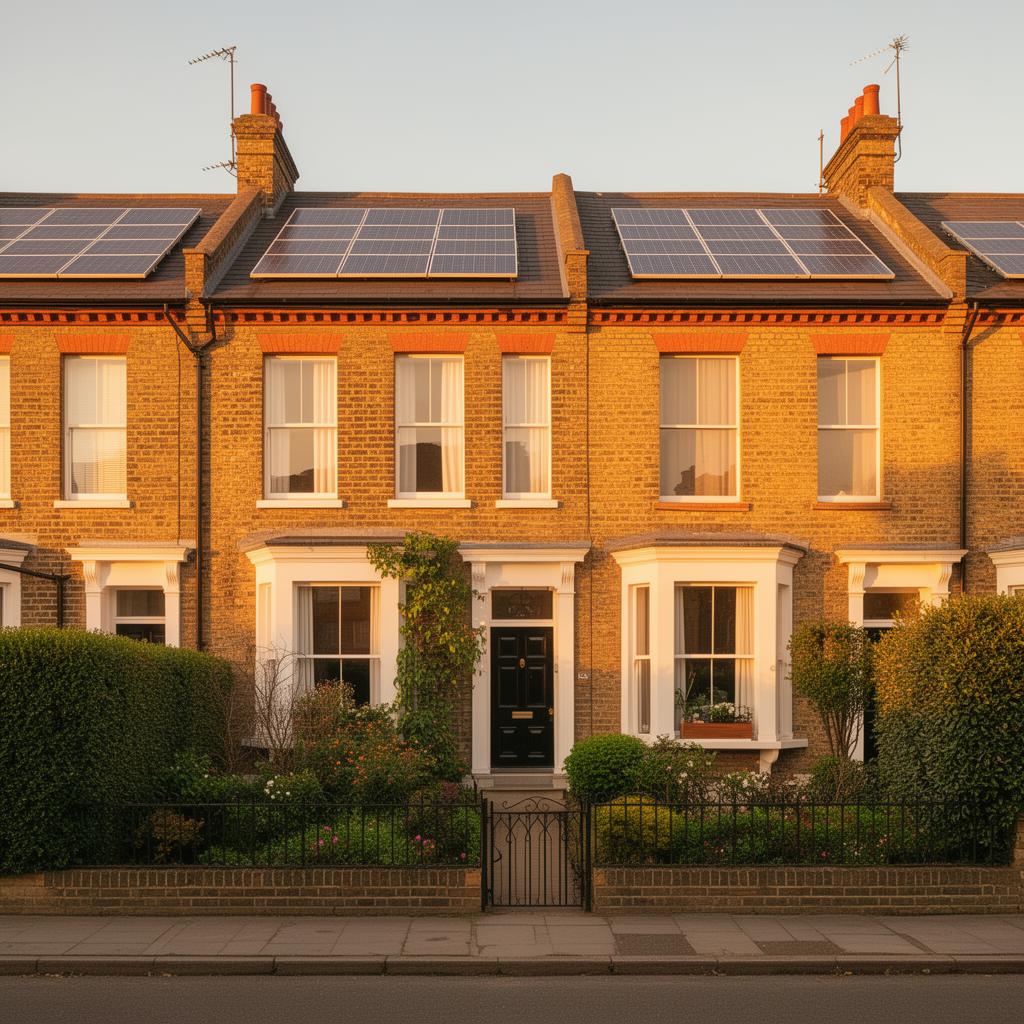
A heat loss survey is one of the most underrated steps in any home energy improvement project. If you are planning to install a heat pump, upgrade your radiators, or simply understand why certain rooms never seem to warm up, a heat loss survey in the UK provides the data you need to make confident decisions. In this guide, we explain what the survey involves, what you can expect from the report, how much it costs, and who should have one done.
What Is a Heat Loss Survey?
A heat loss survey (also called a heat loss calculation or room-by-room heat loss assessment) measures how quickly your home loses heat and calculates the heating power needed to keep each room at a comfortable temperature. It is a quantitative assessment that produces specific numbers — watts or BTUs — for every room in your property.
The survey takes into account:
- The dimensions of every room (length, width, height)
- The construction of walls, floors, and ceilings (material, insulation type and thickness)
- Window sizes, types (single, double, or triple glazed), and orientation
- Door sizes and types
- Ventilation rates (natural and mechanical)
- The design outdoor temperature for your region (typically -1 to -4 degrees Celsius in the UK)
- The target indoor temperature for each room (usually 21 degrees C for living rooms, 18 degrees C for bedrooms)
The result is a precise heating requirement for every room, expressed in watts. This data determines the correct size of heat pump, boiler, radiators, or underfloor heating needed for your property.
Heat Loss Survey vs Thermal Imaging Survey
These terms are sometimes confused, but they are different things:
| Feature | Heat Loss Calculation | Thermal Imaging Survey |
|---|---|---|
| What it does | Calculates the heating power needed for each room | Shows where heat is escaping visually |
| Output | Numbers (watts/BTU per room) | Infrared photographs showing hot/cold spots |
| Used for | Sizing heat pumps, boilers, radiators | Identifying insulation gaps, draughts, moisture |
| When to use | Before installing a new heating system | To diagnose problems or prioritise insulation work |
| Typical cost | GBP 150-400 | GBP 150-350 |
| Duration | 2-4 hours on site | 1-2 hours on site |
Both are valuable. A thermal imaging survey is particularly useful for identifying unexpected heat loss — missing insulation in one section of a wall, cold bridges around steel lintels, draughty window frames — that you might not discover through calculation alone. A heat loss calculation gives you the hard numbers needed for system design.
For heat pump installations, a heat loss calculation is essential. A thermal imaging survey is a helpful bonus but not strictly necessary. For insulation improvement projects, a thermal imaging survey is often the more useful of the two.
Why You Need a Heat Loss Survey Before Installing a Heat Pump
This is the single most important application of a heat loss survey. Heat pumps operate differently from gas boilers in ways that make correct sizing critical:
- Lower flow temperatures. Heat pumps work best at 35-50 degrees Celsius rather than the 60-75 degrees typical of a gas boiler. This means radiators deliver less heat per unit, so you need to know exactly how much heat each room requires to determine whether existing radiators are adequate or need upsizing.
- Efficiency depends on correct sizing. An oversized heat pump will short-cycle (switch on and off frequently), reducing efficiency and increasing wear. An undersized one will not heat the house on the coldest days. A heat loss calculation ensures the heat pump is matched precisely to your home’s demand.
- Grant requirements. The Boiler Upgrade Scheme (BUS), which provides GBP 7,500 towards a heat pump, requires the installer to confirm that the heat pump is correctly sized for the property. A heat loss survey is the basis for this sizing.
- MCS requirements. All heat pump installations under the Microgeneration Certification Scheme (MCS) must include a room-by-room heat loss calculation to MIS 3005 standards. Without it, the installation cannot be certified, and you cannot claim the BUS grant.
In short, a heat loss survey is not optional for a heat pump — it is a mandatory part of the design process.
What Happens During a Heat Loss Survey
A qualified assessor visits your property and works through each room systematically. Here is what to expect:
External inspection
The assessor begins outside, noting the wall construction (solid, cavity, timber frame), the roof type, window types, and the overall orientation of the property. They may take photographs of external features for reference.
Room-by-room measurements
Inside, the assessor measures each room’s dimensions and records details about:
- Wall types and insulation (they may use a borescope to check cavity insulation)
- Floor type (solid, suspended, insulated or uninsulated)
- Ceiling and loft insulation depth
- Window dimensions, number of panes, frame material, and condition
- Door types and sizes (external, internal, patio)
- Heat-emitting surfaces (existing radiators — size, type, and output)
- Ventilation features (trickle vents, extractor fans, passive vents)
Data entry and calculation
The assessor inputs all measurements into specialist software (such as MCS Heat Pump Calculator, Vaillant aroTHERM Design, or a dedicated tool like HeatGeek). The software applies standard U-values for each building element, calculates the heat loss through each surface, adds ventilation losses, and produces a total heat loss figure for each room and the whole house.
The full visit typically takes 2-4 hours depending on the size and complexity of the property.
What the Heat Loss Report Contains
A well-prepared report includes:
- Room-by-room heat loss figures — the heat loss in watts for each room, broken down by element (walls, windows, floor, ceiling, ventilation)
- Whole-house heat loss total — the sum of all room losses, representing the maximum heating demand on the coldest design day
- Recommended heat pump size — based on the total heat loss, the report will specify the required heat pump output (for example, 8 kW or 12 kW)
- Radiator assessment — for each room, the report shows whether existing radiators are adequate at the proposed heat pump flow temperature, and if not, what size replacement is needed
- Insulation recommendations — areas where improving insulation would significantly reduce heat loss and potentially allow a smaller (cheaper) heat pump
- Design conditions — the assumed outdoor temperature, indoor temperatures, and any other assumptions
A good report is not just numbers — it should include practical recommendations that help you prioritise improvements. For example, if loft insulation is thin, topping it up to 300mm before installing a heat pump could reduce the required heat pump size by 10-15%, saving thousands on installation costs.
How Much Does a Heat Loss Survey Cost in the UK?
Costs vary depending on the provider, the size of the property, and the level of detail:
| Provider Type | Typical Cost | What You Get |
|---|---|---|
| Heat pump installer (included in quote) | GBP 0 (bundled) | Basic room-by-room calculation as part of installation design |
| Independent energy assessor | GBP 150-300 | Detailed report with recommendations, not tied to a specific product |
| Retrofit assessor (PAS 2035) | GBP 250-400 | Comprehensive assessment including fabric improvements and heating design |
| Thermal imaging + heat loss combo | GBP 300-600 | Full diagnostic including infrared images and heat loss calculations |
Many heat pump installers include the heat loss calculation in their quote at no extra charge. However, getting an independent survey before inviting installers to quote can be valuable — it gives you an unbiased assessment and lets you evaluate whether an installer’s proposal makes sense.
Do You Need a Heat Loss Survey for a New Boiler?
For a straightforward boiler replacement, a full heat loss survey is not usually necessary. Most heating engineers can size a replacement boiler based on the number of radiators, bathrooms, and the existing system’s specifications. The boiler’s output needs to match the total radiator load plus the domestic hot water demand.
However, a heat loss survey is worthwhile if:
- You are adding new radiators or changing radiator sizes
- You are converting from a regular boiler to a combi (where hot water demand sizing is critical)
- You are planning to run the boiler at lower flow temperatures for improved efficiency
- You have rooms that are persistently cold and want to understand why
- You are planning a future switch to a heat pump and want the data ready
If you are considering either a boiler or heat pump replacement, you can get a free quote that includes a heat loss assessment tailored to your property.
Frequently Asked Questions
Can I do a heat loss calculation myself?
Basic online calculators exist that let you estimate heat loss by entering room dimensions, insulation type, and window details. These are useful for rough sizing but are not accurate enough for heat pump installation design. Professional calculations use measured U-values, account for thermal bridging, and apply the correct regional design temperatures. For a heat pump, always use a professional calculation.
Is a heat loss survey the same as an EPC?
No. An Energy Performance Certificate (EPC) rates your home’s overall energy efficiency on an A-G scale and provides general recommendations. A heat loss survey is a detailed engineering assessment that calculates the exact heating demand of each room. An EPC is useful for understanding your home’s efficiency band; a heat loss survey is essential for designing a heating system. They serve different purposes and use different methodologies.
What is a good heat loss figure for a UK home?
Total heat loss varies hugely depending on the property. Typical ranges for common UK house types:
- Modern well-insulated 3-bed semi: 5-7 kW
- 1970s 3-bed semi with average insulation: 7-10 kW
- Victorian mid-terrace (solid walls, some insulation): 8-12 kW
- Detached 4-bed house with poor insulation: 12-18 kW
A well-insulated home has a lower heat loss, which means a smaller and cheaper heating system can keep it warm. This is why improving insulation and glazing before installing a new heating system is so often recommended — it reduces the size (and cost) of the heat pump or boiler you need.
When is the best time to get a heat loss survey done?
A heat loss survey can be carried out at any time of year — it does not require cold weather because the calculation uses standardised design temperatures rather than actual conditions. However, a thermal imaging survey (if combined with the heat loss assessment) must be done during the heating season (October to March) when there is a sufficient temperature difference between indoors and outdoors for the infrared camera to produce useful images.
See what these numbers mean for your home
Free instant estimate — costs, savings, payback and grants for your region.

Related Articles
7 Quick Wins to Cut Your Energy Bills This Summer
Summer might seem like the wrong time to think about energy bills, but it is actually when the smartest homeowners make changes. Lower heating demand means more of your spending…
22 May 2026
The Best Time of Year to Replace Your Boiler (and How to Get the Best Price)
Find out why summer is the best time to replace your boiler in the UK, how to negotiate better prices and what to check before committing to an installation.
9 May 2026
Electric Heating Options Explained: Panel Heaters, Storage Heaters and Infrared
Compare electric heating options for UK homes including modern storage heaters, ceramic panel heaters and infrared panels with running cost breakdowns.
7 May 2026