Energy Efficiency Grants for Leaseholders and Flat Owners
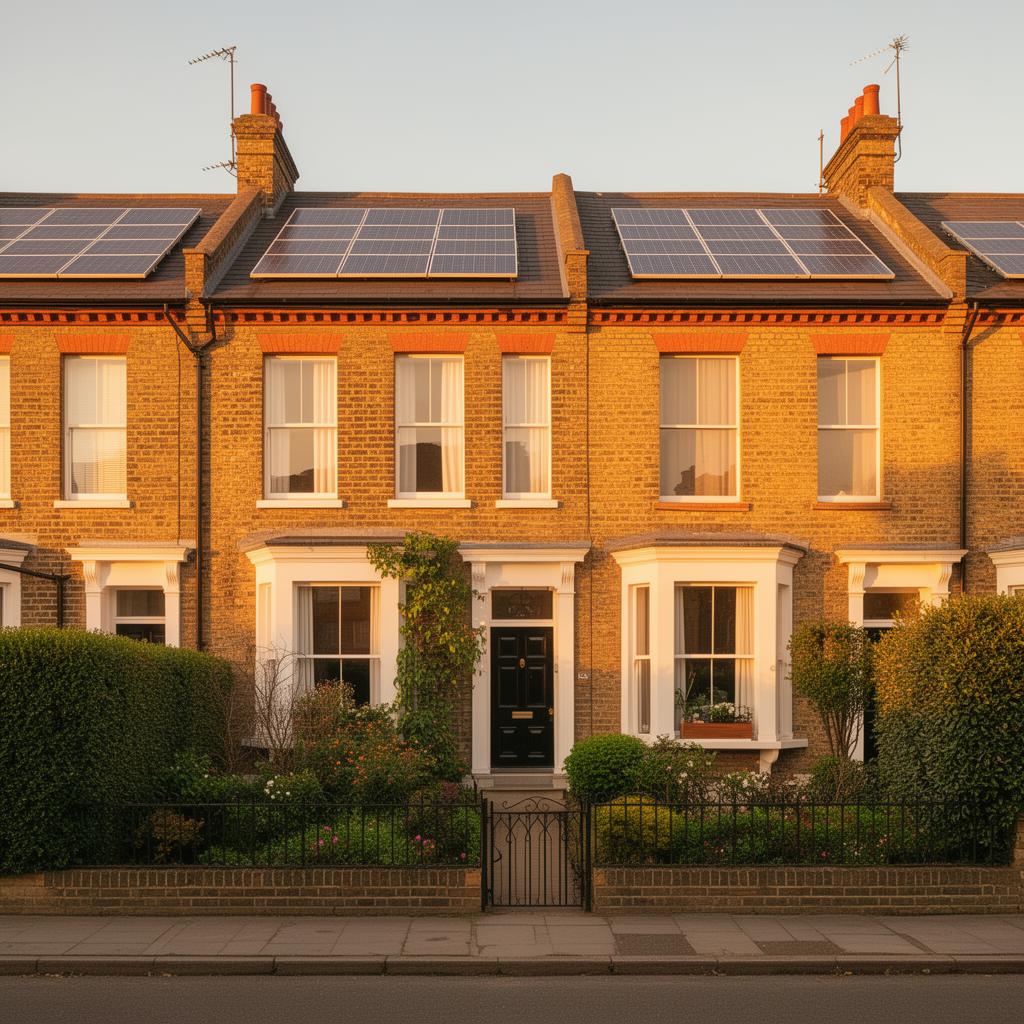
Energy grants leaseholders flats owners can access are harder to navigate than those for freehold homeowners, but they do exist. If you own a leasehold flat, you face unique barriers: you may need your freeholder’s consent for external changes, communal areas are outside your control, and many grant schemes were designed with houses in mind. This guide addresses these challenges head on, explaining what grants are available, how to overcome the freeholder consent hurdle, and what the Warm Homes Plan is doing to improve access for flat owners.
What energy efficiency grants are available for leaseholders and flat owners?
- ECO4 – available to low-income households in flats rated EPC D or below, covering insulation, heating upgrades and draught-proofing at no cost.
- Great British Insulation Scheme (GBIS) – provides free or heavily subsidised cavity wall, underfloor and room-in-roof insulation for flats in council tax bands A–D.
- Boiler Upgrade Scheme – leaseholders can claim £7,500 toward a heat pump if the flat has its own independent heating system and an eligible EPC.
- Social Housing Decarbonisation Fund (SHDF) – for housing association and council tenants, funding whole-building fabric and heating upgrades.
- Local authority grants – many councils run top-up schemes for flat owners, including window upgrades and communal heating improvements.
The main challenge for leaseholders is that many improvements — such as external wall insulation or communal boiler replacements — require freeholder consent and a co-ordinated approach across the building. If you are a leaseholder, start by checking your eligibility on the Simple Energy Advice website and contacting your local authority’s energy team. For buildings with multiple flats, a PAS 2035 retrofit co-ordinator can manage the process and help secure funding that covers the whole block.
Why Leaseholders Face Greater Barriers
Approximately 4.5 million homes in England alone are leasehold properties, the vast majority of which are flats. Leaseholders own the interior of their flat and a share of the building, but the structure, roof, external walls and communal areas are typically owned by the freeholder (or managed by a residents’ management company).
This ownership structure creates specific problems for energy efficiency:
- Freeholder consent: You cannot install external wall insulation, replace communal windows, or modify the building’s heating system without the freeholder’s permission
- Section 20 consultation: For works costing more than £250 per leaseholder, the freeholder must follow a formal consultation process under Section 20 of the Landlord and Tenant Act 1985, which takes a minimum of 30 to 60 days
- Split incentives: If the freeholder pays for improvements but the leaseholder benefits through lower bills, the freeholder has little financial incentive to act
- Communal heating systems: Many flats are served by communal boilers or heat networks where individual leaseholders have no control over the heating system
- Building regulations and planning: External changes to purpose-built blocks may require planning permission and building regulations approval, adding cost and complexity
- Multiple owners: Getting agreement from all leaseholders in a block for shared improvements can be difficult and time-consuming
Which Energy Grants Are Available to Leaseholders?
Despite the barriers, several grant schemes are accessible to leaseholders and flat owners:
ECO4
ECO4 is available to leaseholders who meet the eligibility criteria (receiving qualifying benefits or referred through local authority flex). Measures that can be installed within your flat without affecting the communal structure are straightforward to fund. These include:
- Internal wall insulation to party walls and external walls within your flat
- Underfloor insulation for ground-floor flats
- Heating system replacement within your flat (where you have an individual boiler)
- Heating controls and smart thermostats
- Draught proofing to windows and doors
For measures affecting the communal structure, such as external wall insulation, roof insulation or communal heating upgrades, the freeholder’s consent is required. ECO4 installers can sometimes work with freeholders to arrange this, but it adds complexity and delay.
Great British Insulation Scheme (GBIS)
GBIS can fund insulation in flats, including flat roof insulation for top-floor flats, internal wall insulation, and cavity wall insulation where the building has unfilled cavities. Eligibility is based on council tax band (A to D) or benefit receipt. Again, freeholder consent is needed for works affecting the communal structure.
Warm Homes Plan
The Warm Homes Plan explicitly includes leaseholders and aims to address the barriers flat owners face. Grants of up to £15,000 are available for owner-occupier leaseholders on qualifying benefits. The programme recognises that leaseholders need additional support to navigate freeholder consent and has established guidance for local authorities to help facilitate this.
Boiler Upgrade Scheme (BUS)
The BUS provides up to £7,500 for a heat pump to replace a fossil fuel heating system. Leaseholders with individual gas boilers can apply, but installing a heat pump in a flat raises practical questions about where to locate the outdoor unit. Ground-floor flats with access to a garden or patio are most suitable. Upper-floor flats may face restrictions on mounting outdoor units to the building facade, requiring freeholder consent and potentially planning permission.
0% VAT
The 0% VAT relief on qualifying energy efficiency products applies equally to leasehold and freehold properties. Whether you are installing solar panels on a flat roof (with consent), internal insulation or heating controls, the VAT saving is the same.
Navigating Freeholder Consent
Getting your freeholder to agree to energy efficiency improvements can be the biggest hurdle. Here are practical approaches:
Check your lease: Review the specific terms of your lease regarding alterations and improvements. Some leases grant blanket permission for internal works but require written consent for anything affecting the external structure. Others require consent for any alterations, though the law generally provides that consent cannot be unreasonably withheld for improvements.
Make a formal request: Write to your freeholder (or their managing agent) requesting consent for the specific improvements. Be specific about what will be done, who will do it, and how it will be funded. Emphasise that the improvements increase the property’s value and reduce running costs for all residents.
Highlight the freeholder’s benefit: Energy efficiency improvements increase property values, reduce complaints about damp and cold, and help the freeholder meet any obligations under MEES (Minimum Energy Efficiency Standards) if they also rent out flats in the building.
Propose a whole-building approach: External wall insulation is most cost-effective and aesthetically consistent when applied to the entire building rather than individual flats. Propose that the freeholder applies for ECO4 or GBIS funding for the whole block, which may make the project financially attractive.
Involve your residents’ association: If you have a residents’ management company or tenants’ association, collective action is more powerful than individual requests. A group of leaseholders requesting improvements is harder for a freeholder to ignore.
Section 20 Consultation: What to Expect
If the freeholder proposes energy efficiency works costing more than £250 per leaseholder (where the cost is passed through service charges), they must follow the Section 20 consultation process:
- Notice of intention: The freeholder sends a notice describing the proposed works, the reasons for them, and inviting written observations within 30 days
- Obtaining estimates: At least two estimates are obtained, including one from a contractor nominated by leaseholders if requested
- Notice of estimates: The freeholder sends a second notice with the estimates, again inviting observations within 30 days
- Decision and works: After considering observations, the freeholder selects a contractor and proceeds with the work
The Section 20 process adds at least two months to the timeline. If the works are fully grant-funded (for example, through ECO4 or GBIS) and no cost is passed to leaseholders, Section 20 consultation may not be required. This is a significant advantage of grant funding for communal improvements.
What You Can Do Without Freeholder Consent
Several energy efficiency improvements can typically be made within your flat without requiring the freeholder’s permission:
- Draught proofing: Sealing gaps around windows, doors, letterboxes and floorboards. Low cost and often saves £50 to £100 per year
- Heating controls: Installing a smart thermostat, thermostatic radiator valves and a programmer for your individual heating system
- Replacing your boiler: If you have an individual boiler, you can replace it with a more efficient model (check your lease, but most leases permit like-for-like replacement)
- Internal insulation: Adding insulation to internal surfaces of external walls, though this reduces room size slightly and should be done with care to avoid moisture issues
- Secondary glazing: Fitting secondary glazing inside existing windows does not alter the external appearance and usually does not require consent. It is also less expensive than full double glazing replacement
- LED lighting and efficient appliances: Simple changes that reduce electricity consumption
These measures alone can reduce energy bills by £200 to £500 per year in a typical flat, and many can be done as a DIY project or at low cost.
How the Warm Homes Plan Aims to Fix Access Barriers
The government has acknowledged that previous energy efficiency schemes failed to adequately serve leaseholders and flat owners. The Warm Homes Plan includes several measures designed to address this:
- Dedicated guidance for flats: Local authorities delivering the Warm Homes Plan have specific guidance on engaging with freeholders and managing the consent process
- Block-level applications: The scheme encourages whole-building retrofit rather than flat-by-flat applications, making external wall insulation and communal heating upgrades feasible
- Freeholder engagement support: Funding for local authorities to employ specialist staff who can negotiate with freeholders on behalf of leaseholders
- Streamlined consent processes: Proposals to simplify the legal process for obtaining freeholder consent for energy efficiency improvements
- Future legislation: The Leasehold and Freehold Reform Act 2024 includes provisions that may make it easier for leaseholders to carry out improvements without unreasonable obstruction from freeholders
To check what grants are available for your leasehold flat, request a free quote.
Frequently Asked Questions for Leaseholders
Can my freeholder refuse consent for energy efficiency improvements?
Under most leases, the freeholder cannot unreasonably withhold consent for improvements. Energy efficiency upgrades that increase the property’s value and do not damage the building are generally considered reasonable. If your freeholder refuses consent without a valid reason, you may be able to challenge their refusal through the First-tier Tribunal (Property Chamber). Seek legal advice before taking this step.
Can I install solar panels on a leasehold flat?
This depends on your flat’s position and the freeholder’s consent. Top-floor flats with access to the roof may be able to install solar panels, but you will almost certainly need the freeholder’s written consent since the roof is part of the communal structure. Ground-floor flats with private gardens could potentially install ground-mounted panels. In practice, solar panel installation on leasehold flats is uncommon but not impossible. A whole-building solar installation, funded collectively, may be more practical.
My flat has a communal heating system. Can I still get a grant?
You can still access grants for improvements within your flat, such as internal insulation, draught proofing and heating controls. For the communal heating system itself, the freeholder or management company would need to apply. Some ECO4 and SHDF projects have funded communal boiler replacements and heat network upgrades in social housing blocks. For private leasehold blocks, communal heating upgrades require the freeholder’s cooperation.
Will energy efficiency improvements affect my service charges?
If the freeholder funds improvements through grants (ECO4, GBIS, SHDF), there should be no impact on your service charges because the cost is covered externally. If improvements are funded through the service charge or a special levy, the Section 20 consultation process applies and you will have the opportunity to comment before any cost is incurred. Any ongoing maintenance costs for new equipment (such as communal ventilation systems) may be added to service charges.
I am in a shared ownership flat. Which grants can I access?
Shared ownership properties present additional complexity because you part-own and part-rent. For the portion you own, you can access grants as a leaseholder. For the rented portion, the housing association (your landlord for that share) may need to contribute or consent. ECO4 and the Warm Homes Plan both accept shared ownership applicants. The housing association will need to cooperate, and in many cases they are supportive because the improvements benefit their asset as well as your home. Contact your housing association to discuss before applying for any grants. Get a free quote to identify what is available for your specific situation.
See what these numbers mean for your home
Free instant estimate — costs, savings, payback and grants for your region.

Related Articles
Heat Pump Grant Rises to £9,000 for Oil and LPG Homes From 21 July 2026
The standard Boiler Upgrade Scheme grant stays at £7,500. From 21 July 2026 to 31 March 2027, homes currently heated by oil or LPG get an increased £9,000 grant. Corrected…
10 June 2026
The Warm Homes Plan 2026: What Every UK Homeowner Needs to Know
The UK government’s Warm Homes Plan is the biggest energy efficiency programme in British history. Launched in January 2026 with up to £15 billion in funding, it aims to upgrade…
5 June 2026
ECO4 Scheme 2026: Who Qualifies, What’s Covered and How to Apply
The ECO4 scheme runs until December 2026, offering fully funded insulation and heating upgrades for eligible UK households. Find out if you qualify through benefits or the ECO4 Flex route,…
11 May 2026