Energy Grants for First-Time Buyers: Upgrade Your New Home for Less
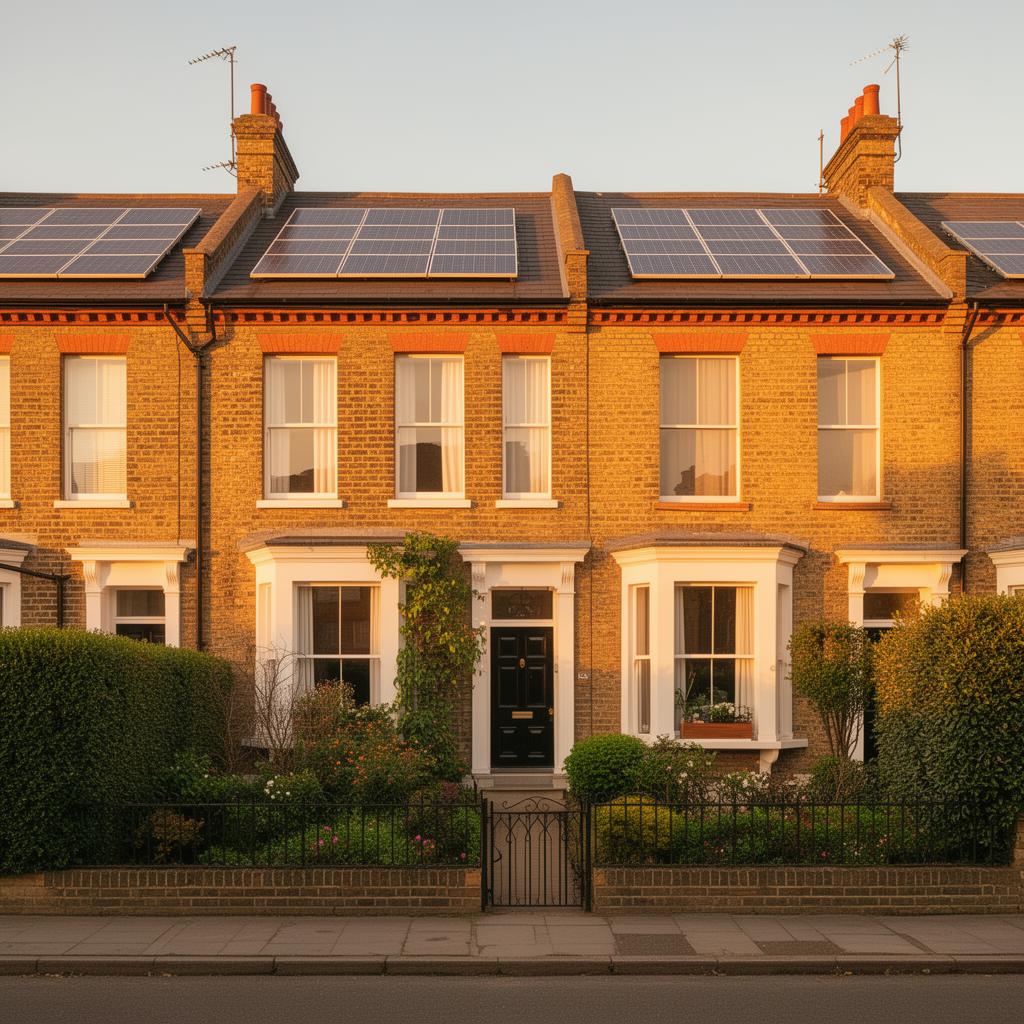
Energy grants first time buyers should know about can save thousands of pounds on upgrading a new home. Buying your first property is exciting but expensive, and older homes often come with high energy bills that stretch already tight budgets. The good news is that multiple government grants, tax reliefs and financing products exist specifically to help you improve your home’s energy efficiency without breaking the bank. This guide maps out every option available in 2026 and shows you how to combine them for maximum benefit.
What Energy Grants Can First-Time Buyers Get?
First-time buyers in the UK can access several energy grants and schemes to upgrade their new home for less. Eligibility depends on your income, benefits status and the property’s current EPC rating rather than whether you are a first-time buyer specifically.
- Boiler Upgrade Scheme — up to £7,500 towards a heat pump installation in England and Wales
- ECO4 Scheme — fully funded insulation and heating upgrades if you receive qualifying benefits
- Warm Homes Local Grant — up to £30,000 for English homeowners in eligible properties
- Great British Insulation Scheme — free cavity wall or loft insulation for homes in council tax bands A–D
- Green Mortgages — lower interest rates from lenders including Barclays, NatWest and Nationwide for energy-efficient homes
- 0% VAT on energy efficiency products — no VAT on insulation, heat pumps and solar panels until March 2027
If you have just purchased a home with an EPC rating of D or below, you are well placed to benefit from multiple schemes simultaneously. Start by ordering a new EPC assessment — it costs around £60–£80 and identifies which measures will have the greatest impact on your energy bills.
Why Energy Efficiency Should Be a Priority for First-Time Buyers
When you are stretching to afford a deposit and manage mortgage payments, energy efficiency might feel like a luxury. It is anything but. An energy-inefficient home costs significantly more to run, and those costs are permanent until you address them.
Consider the difference between a typical home rated EPC D and one rated EPC B:
| EPC Rating | Typical Annual Energy Cost | Monthly Energy Cost | 10-Year Cost |
|---|---|---|---|
| EPC D (score 55-68) | £2,100 – £2,500 | £175 – £210 | £21,000 – £25,000 |
| EPC C (score 69-80) | £1,400 – £1,800 | £115 – £150 | £14,000 – £18,000 |
| EPC B (score 81-91) | £900 – £1,300 | £75 – £110 | £9,000 – £13,000 |
The difference between an EPC D and an EPC B home can be £1,000 to £1,200 per year in running costs. Over a 10-year period, that amounts to £10,000 to £12,000, more than enough to fund the improvements themselves. Acting early, ideally within the first year of ownership, means you start saving immediately.
Beyond running costs, energy efficiency protects your property value. Research shows that homes rated EPC A or B sell for a 3% to 5% premium over equivalent properties rated D or below. On a £250,000 home, that is £7,500 to £12,500 in additional value.
The Boiler Upgrade Scheme: Up to £7,500 for a Heat Pump
The Boiler Upgrade Scheme (BUS) provides upfront grants towards replacing fossil fuel heating systems with heat pumps. As a first-time buyer, you can apply as soon as you complete on your purchase.
- Grant amount: Up to £7,500 for an air source heat pump, ground source heat pump or biomass boiler
- Who qualifies: Any homeowner in England or Wales with a valid EPC for the property. The existing heating system must be fossil fuel (gas, oil or LPG). There is no means test
- How it works: Your chosen MCS-certified installer applies for the voucher on your behalf. The grant is paid directly to the installer, reducing the amount you pay
- Typical cost after grant: An air source heat pump typically costs £10,000 to £15,000 installed. After the £7,500 BUS grant and 0% VAT, your cost is roughly £2,500 to £7,500
For a first-time buyer moving into a home with an old gas boiler, the BUS grant makes a heat pump installation remarkably affordable. Combined with lower running costs, the net cost can pay for itself within five to eight years.
Warm Homes Plan: Grants of Up to £15,000
If you are a first-time buyer receiving means-tested benefits, the Warm Homes Plan offers grants of up to £15,000 for energy efficiency improvements. Qualifying benefits include:
- Universal Credit
- Pension Credit (Guarantee Credit)
- Child Tax Credit (income below threshold)
- Working Tax Credit
- Income Support
- Income-based Jobseeker’s Allowance
- Income-related Employment and Support Allowance
- Housing Benefit
The grant covers insulation (loft, cavity wall, solid wall, underfloor), heating system upgrades (heat pumps, boilers, heating controls), ventilation improvements and in some cases solar panels. This can transform a cold, expensive-to-run property into a comfortable, efficient home at no cost.
Great British Insulation Scheme: Free or Subsidised Insulation
The Great British Insulation Scheme (GBIS) provides free or heavily subsidised insulation to qualifying homes. Eligibility is based on council tax band or benefit receipt:
- Council tax bands A to D: Eligible regardless of income or benefit status (England only)
- Any council tax band: Eligible if receiving qualifying means-tested benefits
- Measures covered: Cavity wall insulation, loft insulation, solid wall insulation, flat roof insulation, room-in-roof insulation, underfloor insulation
For many first-time buyers purchasing older properties in lower council tax bands, GBIS offers a free route to significant insulation improvements. A full cavity wall and loft insulation package, typically costing £1,500 to £3,000 privately, can be provided at no cost.
0% VAT on Energy Efficiency Products
All qualifying energy efficiency installations in residential properties are zero-rated for VAT until at least March 2027. This saves 5% to 20% on the cost of:
- Heat pumps (air source, ground source, water source)
- Solar panels and battery storage
- All types of insulation
- Draught proofing
- Heating controls and smart thermostats
- Biomass boilers
- MVHR ventilation systems
The 0% VAT applies to supply and installation combined. On a £6,000 solar panel system, the saving compared to the old 5% rate is £300, and compared to the standard 20% rate on non-qualifying products, the saving is £1,200.
Green Mortgages: Lower Rates for Energy-Efficient Homes
Several major UK lenders offer green mortgage products with preferential rates for energy-efficient properties. As a first-time buyer, you can benefit in two ways:
Buying an efficient property: If you purchase a home already rated EPC A or B, lenders including Barclays, NatWest and Nationwide offer rate discounts of 0.05% to 0.20% or cashback of £500 to £2,000.
Improving a property you buy: Some lenders offer additional borrowing at reduced rates specifically for energy efficiency improvements. Nationwide provides up to £15,000 at a competitive rate for improvements that will raise the EPC rating.
A 0.10% rate reduction on a £200,000 mortgage over 25 years saves approximately £2,800 in total interest. Combined with energy bill savings and the value uplift from a better EPC, the financial case for energy efficiency is compelling.
How to Combine Grants for Maximum Savings
The most effective strategy is to stack multiple schemes together. Here is an example for a first-time buyer purchasing a 1970s three-bedroom semi-detached house rated EPC D:
| Improvement | Full Cost | Grant/Relief | Your Cost |
|---|---|---|---|
| Cavity wall insulation | £1,200 | GBIS (free) | £0 |
| Loft insulation top-up | £600 | GBIS (free) | £0 |
| Air source heat pump | £12,000 | BUS grant (£7,500) + 0% VAT | £4,500 |
| Smart heating controls | £250 | 0% VAT | £250 |
| 4kW solar panel system | £6,000 | 0% VAT | £6,000 |
| Total | £20,050 | £9,300 in grants + £900 VAT saving | £10,750 |
This combination would lift the home from EPC D to EPC B, unlocking green mortgage rates on your next remortgage. The annual energy bill saving of approximately £1,000 to £1,400 means the £10,750 investment pays back in 8 to 11 years, while the property value increases by an estimated £7,500 to £12,500.
If the buyer is on qualifying benefits, the Warm Homes Plan grant of up to £15,000 could cover most or all of the remaining costs, reducing the out-of-pocket expense to near zero.
What to Check Before You Buy
As a first-time buyer, looking at a property’s energy efficiency before you commit can save you significant money:
- Check the EPC: Every property for sale must have a valid EPC. Read it carefully, paying attention to the current rating, potential rating, and the recommended improvements. The estimated costs and savings for each improvement are listed
- Look at the construction: Cavity walls (post-1930s) are much cheaper to insulate than solid walls (pre-1930s). A home with unfilled cavities represents an easy, often free, improvement
- Check the heating system: A modern condensing boiler suggests lower immediate costs. An old back boiler or G-rated system suggests significant savings from replacement
- Assess glazing: Original single-glazed windows indicate double glazing will be needed, but also represent a significant potential improvement
- Consider the roof: Check whether the loft is already insulated and to what depth. Topping up from 100mm to 300mm is cheap and effective
To understand what grants and improvements would be available for a specific property, get a free quote before or after your purchase.
Frequently Asked Questions for First-Time Buyers
Can I apply for energy grants before I complete on my purchase?
Most grant schemes require you to be the legal owner of the property before you can apply. You cannot apply for the BUS grant or Warm Homes Plan before completion. However, you can research eligibility and line up approved installers in advance so that applications can be submitted as soon as you own the property. For GBIS insulation, you can often get an assessment arranged within weeks of moving in.
Should I buy a property with a low EPC rating to take advantage of grants?
A low EPC rating is not necessarily a negative if the improvements are straightforward and grant-funded. A property rated EPC E with unfilled cavities and no loft insulation can often be improved to EPC C for minimal cost using GBIS and ECO4 grants. However, a property rated E because of solid walls and single glazing will be much more expensive to upgrade. The key is to understand why the rating is low and what it would cost to improve it. Get an installer assessment before committing.
Do I need to live in the property to claim energy grants?
Most grants require the property to be your main residence. The BUS grant is available for any home you own, including second homes, but the Warm Homes Plan and ECO4 are typically limited to your primary residence. If you are a first-time buyer purchasing your main home, you qualify for all available schemes subject to individual eligibility criteria.
Can I use my Help to Buy ISA or Lifetime ISA savings for energy improvements?
The Help to Buy ISA and Lifetime ISA government bonus can only be used towards the purchase of the property itself, not for improvements after purchase. However, you can use your general savings or additional green mortgage borrowing for energy improvements. Some first-time buyers include the cost of planned improvements in their mortgage application by borrowing slightly more, then using the extra funds for insulation and heating upgrades.
How quickly should I make energy improvements after buying?
Ideally within the first 6 to 12 months. Early action means you start saving on energy bills immediately and benefit from current grant availability and 0% VAT (which expires in March 2027). Some improvements, like loft and cavity wall insulation, can be completed within weeks of moving in with minimal disruption. Larger projects like heat pump installation may take two to three months from initial enquiry to completion. Request your free quote as soon as you move in to get the process started.
See what these numbers mean for your home
Free instant estimate — costs, savings, payback and grants for your region.

Related Articles
Heat Pump Grant Rises to £9,000 for Oil and LPG Homes From 21 July 2026
The standard Boiler Upgrade Scheme grant stays at £7,500. From 21 July 2026 to 31 March 2027, homes currently heated by oil or LPG get an increased £9,000 grant. Corrected…
10 June 2026
The Warm Homes Plan 2026: What Every UK Homeowner Needs to Know
The UK government’s Warm Homes Plan is the biggest energy efficiency programme in British history. Launched in January 2026 with up to £15 billion in funding, it aims to upgrade…
5 June 2026
ECO4 Scheme 2026: Who Qualifies, What’s Covered and How to Apply
The ECO4 scheme runs until December 2026, offering fully funded insulation and heating upgrades for eligible UK households. Find out if you qualify through benefits or the ECO4 Flex route,…
11 May 2026