Energy Efficiency by House Age: How 1930s, 1950s and 1970s Homes Compare
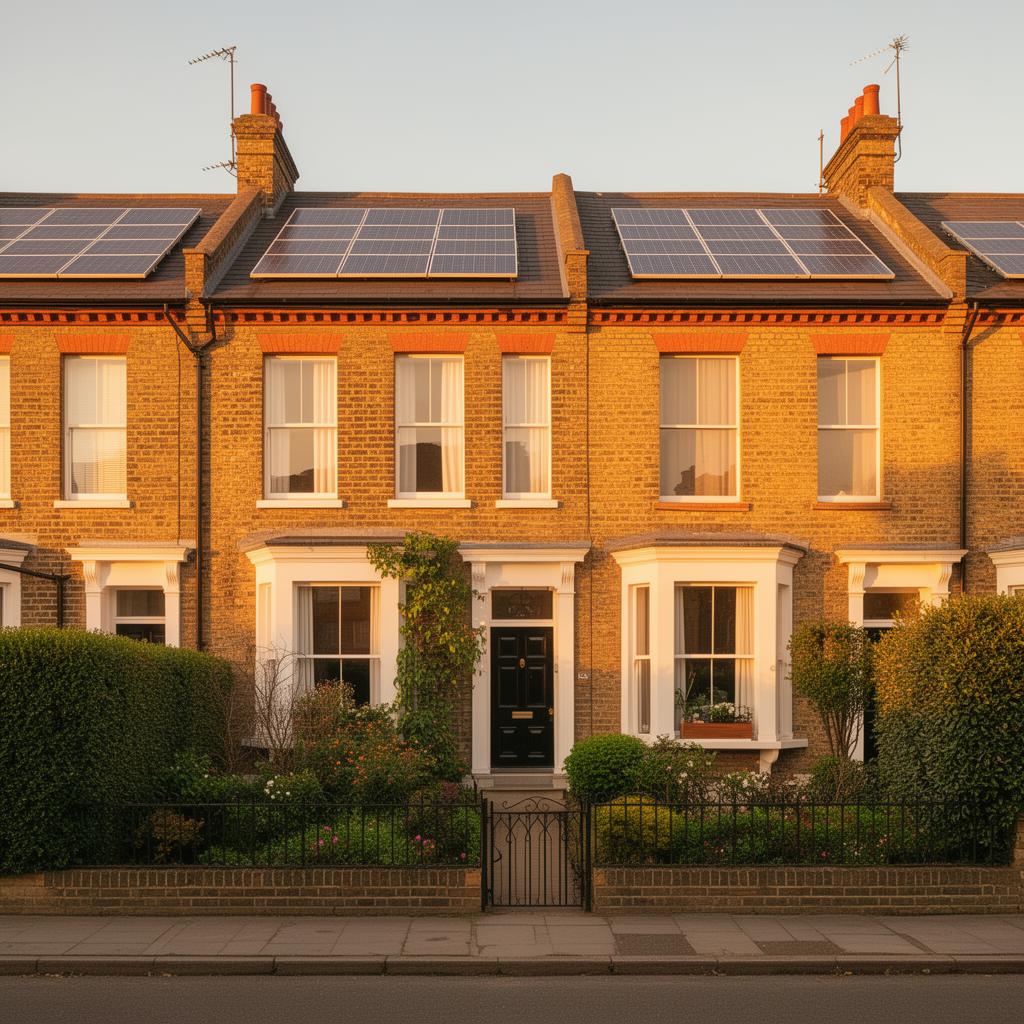
The decade your home was built has an enormous impact on its energy efficiency. Building standards, construction methods, and insulation practices have changed dramatically over the past century, and understanding the typical characteristics of your home’s era is the first step towards making cost-effective improvements. In this guide, we profile the energy efficiency by house age for the UK’s most common property eras — 1930s, 1950s, and 1970s — ranking them by heat loss and recommending the most impactful upgrades for each.
How energy efficient are 1930s, 1950s and 1970s houses?
| Factor | 1930s House | 1950s House | 1970s House |
|---|---|---|---|
| Wall type | Solid brick (no cavity) | Cavity wall (unfilled) | Cavity wall (sometimes filled) |
| Typical EPC | E–F | D–E | D–C |
| Annual heating cost | £1,400–£2,000 | £1,100–£1,600 | £800–£1,300 |
| Main heat loss area | Solid walls and single glazing | Unfilled cavity walls and loft | Loft and windows |
| Priority upgrade | External or internal wall insulation | Cavity wall insulation | Loft insulation top-up and glazing |
Older homes are not inherently bad — they simply need the right upgrades for their construction type. A 1930s solid-walled house can jump from an EPC E to a C with external wall insulation and a modern boiler, saving over £600 per year. Meanwhile, a 1950s cavity-wall home is often the cheapest to improve, with cavity fill costing just £400–£800 through the Great British Insulation Scheme. Understanding your home’s age and construction is the first step to choosing cost-effective improvements.
Why House Age Matters for Energy Efficiency
The UK’s housing stock is among the oldest in Europe. Roughly 38% of homes were built before 1946, and a significant proportion date back to the Victorian and Edwardian eras. Each building era used different materials, construction techniques, and — crucially — different attitudes to insulation.
Before 1976, there were no meaningful building regulations for thermal performance. Builders used whatever materials were cheapest and most available, with little thought for heat retention. The result is that millions of UK homes leak heat at rates that would be unacceptable by modern standards.
Understanding your home’s era helps you:
- Identify the most likely sources of heat loss
- Choose the right insulation and improvement measures
- Avoid inappropriate upgrades that could cause moisture problems
- Estimate realistic costs and savings
- Prioritise improvements for the best return on investment
1930s Homes: Solid Walls and Bay Windows
The 1930s saw a massive suburban house-building boom. Approximately 4 million homes were built in this decade, many of them the classic semi-detached design with bay windows, hipped roofs, and front gardens that still define large areas of British suburbia.
Typical construction
- Walls: Predominantly solid brick (9-inch/225mm). Some later 1930s homes have early cavity walls, but these are rarely insulated.
- Windows: Original single-glazed timber sash or casement windows. Many have been replaced with double glazing, but some originals remain.
- Roof: Pitched roof with tiles. Loft insulation is frequently absent or minimal (25-50mm if present).
- Floors: Suspended timber ground floors with air bricks for ventilation. Significant draughts from the subfloor void.
- Heating: Originally open fires. Most have been converted to gas central heating, often with a boiler from the 1990s or 2000s.
Typical heat loss profile
| Element | Estimated Heat Loss (%) |
|---|---|
| Walls (solid, uninsulated) | 35-40% |
| Roof | 20-25% |
| Windows and doors | 15-20% |
| Floor | 10-15% |
| Ventilation/draughts | 10-15% |
Typical EPC rating: E or F
Recommended upgrades for 1930s homes
- Solid wall insulation — either internal (GBP 5,500-8,500) or external (GBP 8,000-15,000). This addresses the biggest source of heat loss and can reduce heating bills by GBP 200-400 per year.
- Loft insulation — topping up to 300mm costs just GBP 300-400 and saves GBP 100-200 per year. This should be the first priority.
- Double or triple glazing — replacing original windows with modern double glazing saves GBP 75-150 per year.
- Suspended floor insulation — insulating the underfloor void costs GBP 500-1,200 and saves GBP 40-70 per year.
- Draught-proofing — sealing gaps around windows, doors, and floorboards costs GBP 100-300 and is one of the cheapest improvements available.
1950s Homes: Post-War Rebuild
The 1950s saw post-war rebuilding on a massive scale, with both private and council housing estates springing up to address the housing shortage. Construction methods were evolving, with cavity walls becoming the norm, but insulation was still not a consideration.
Typical construction
- Walls: Cavity walls (two leaves of brick with an air gap) became standard. The cavity is typically 50mm — too narrow for some modern insulation systems — and was left empty.
- Windows: Single-glazed steel-framed (Crittall-style) or timber casements. Many have been replaced.
- Roof: Pitched roof with concrete tiles. Loft insulation typically absent or minimal.
- Floors: Mix of suspended timber and solid concrete, depending on the construction type. Concrete floors were becoming more common for ground floors.
- Heating: Originally open fires or back boilers. Most have been converted to gas central heating.
- Non-traditional construction: Some 1950s estates used non-traditional methods — precast concrete panels (BISF, Airey, Reema), steel frames, or timber frames. These have specific insulation and maintenance needs.
Typical heat loss profile
| Element | Estimated Heat Loss (%) |
|---|---|
| Walls (unfilled cavity) | 30-35% |
| Roof | 20-25% |
| Windows and doors | 15-20% |
| Floor | 10-15% |
| Ventilation/draughts | 10-15% |
Typical EPC rating: D or E
Recommended upgrades for 1950s homes
- Cavity wall insulation — the single most impactful and cost-effective upgrade. Filling the cavity costs GBP 400-800 and saves GBP 150-300 per year. Payback in under 3 years.
- Loft insulation — same as 1930s homes: top up to 300mm for GBP 300-400.
- Window replacement — steel-framed windows are particularly poor performers. Replacing with modern double glazing makes a noticeable difference to comfort and bills.
- Boiler upgrade — if the boiler is from the 1990s or early 2000s, a modern A-rated boiler will cut gas bills significantly.
- Non-traditional construction assessment — if your home uses a non-traditional system, consult a specialist before insulating. Some systems are prone to condensation or structural issues if insulated incorrectly.
1970s Homes: Bigger, but Still Leaky
The 1970s saw continued house building with larger room sizes, wider cavity walls, and the first tentative steps towards thermal building regulations (the 1976 Building Regulations introduced minimum insulation requirements for the first time). However, standards were still low by modern measures.
Typical construction
- Walls: Cavity walls with wider cavities (50-75mm). Some homes built after 1976 have partial cavity fill insulation, but many have empty cavities.
- Windows: Timber or early uPVC frames with single or early double glazing.
- Roof: Pitched roof, sometimes with 25-50mm loft insulation (the 1976 regulations required a minimum of 25mm — woefully inadequate by today’s standards).
- Floors: Predominantly solid concrete ground floors, often without insulation.
- Heating: Gas central heating was standard by the 1970s, often with a back boiler behind a gas fire or an early freestanding boiler. Many have been upgraded at least once.
Typical heat loss profile
| Element | Estimated Heat Loss (%) |
|---|---|
| Walls (empty or partially filled cavity) | 25-35% |
| Roof | 15-25% |
| Windows and doors | 15-20% |
| Floor | 10-15% |
| Ventilation/draughts | 10-15% |
Typical EPC rating: D
Recommended upgrades for 1970s homes
- Cavity wall insulation — if not already filled. The wider cavities in 1970s homes can accept thicker insulation, improving performance further. Cost: GBP 400-800.
- Loft insulation top-up — from 25-50mm to 300mm. Cost: GBP 250-400. Savings: GBP 100-175 per year.
- Window and door replacement — if still on original single glazing or early sealed units that have failed (misted).
- Heating system upgrade — the boiler may have already been replaced, but if it is from before 2005, a modern condensing boiler or heat pump will deliver significant savings.
- Smart heating controls — adding a smart thermostat and TRVs can save a further GBP 75-150 per year on top of fabric improvements.
Energy Efficiency by House Age: How They Rank
| Era | Typical Heat Loss (kW) | Typical EPC | Biggest Weakness | Best First Upgrade |
|---|---|---|---|---|
| 1930s | 10-15 kW | E-F | Solid walls | Loft insulation, then solid wall insulation |
| 1950s | 8-12 kW | D-E | Unfilled cavities | Cavity wall insulation |
| 1970s | 7-11 kW | D | Poor loft insulation | Loft insulation top-up |
| 1990s | 6-9 kW | C-D | Basic insulation | Boiler upgrade, smart controls |
| Post-2010 | 4-6 kW | B-C | Often already good | Heat pump, solar panels |
As the table shows, 1930s homes are typically the worst performers due to their solid walls, while each subsequent decade shows incremental improvement as building standards evolved. However, even 1970s homes fall far short of modern energy requirements.
The Cost-Effective Upgrade Order for Any Era
Regardless of your home’s age, the most cost-effective approach follows this general order:
- 1. Draught-proofing — cheapest measure with immediate comfort benefits (GBP 100-300)
- 2. Loft insulation — low cost, high impact, DIY-able (GBP 250-400)
- 3. Cavity wall insulation — if applicable, best payback of any major measure (GBP 400-800)
- 4. Heating controls upgrade — smart thermostat and TRVs (GBP 200-400)
- 5. Boiler replacement — if current unit is over 15 years old (GBP 1,800-3,500)
- 6. Window replacement — higher cost but significant impact on comfort (GBP 3,000-7,000)
- 7. Solid wall insulation — most expensive but biggest savings for solid-wall homes (GBP 5,500-15,000)
- 8. Heat pump — best long-term investment once fabric is improved (GBP 7,000-14,000 before grant)
By tackling insulation and fabric improvements before upgrading the heating system, you reduce the heating demand, which means a smaller and cheaper heating system can do the job. This “fabric first” approach is endorsed by nearly every energy efficiency expert and retrofit standard in the UK.
To find out which improvements would benefit your property most, get a free quote for a tailored energy improvement plan.
Frequently Asked Questions
How can I find out exactly when my house was built?
Your title deeds (available from HM Land Registry for GBP 3) often include the construction date. Your local authority’s planning records can also help. Failing that, the architectural style, construction method, and materials can usually place a house within a specific decade. An experienced surveyor or energy assessor can typically date a property on sight.
Are older homes always less efficient?
Not necessarily. A 1930s home that has been comprehensively upgraded — with solid wall insulation, loft insulation, double glazing, and a modern heating system — can achieve EPC band C or even B. Conversely, a 1990s home with no improvements beyond the original specification may have a lower EPC than you would expect. The original construction matters, but what has been done since matters more.
Should I insulate a solid-wall home internally or externally?
Both have advantages. External wall insulation (EWI) is more effective, avoids reducing room sizes, and does not disrupt internal fixtures, but it changes the external appearance and costs more. Internal wall insulation (IWI) is cheaper, does not change the exterior, but reduces room sizes by 50-100mm per wall and requires re-routing services (sockets, radiators) on affected walls. For listed buildings or conservation areas, internal insulation is often the only option. Consult a PAS 2035 qualified retrofit assessor for advice specific to your property.
Can I get grants for insulating an older home?
Yes. The Great British Insulation Scheme (GBIS) and the Energy Company Obligation (ECO4) provide funded or subsidised insulation for eligible households. Eligibility typically depends on your income, benefits status, EPC rating, and property type. Local authority schemes may also be available. Check the government’s Simple Energy Advice service for current eligibility criteria.
See what these numbers mean for your home
Free instant estimate — costs, savings, payback and grants for your region.

Related Articles
7 Quick Wins to Cut Your Energy Bills This Summer
Summer might seem like the wrong time to think about energy bills, but it is actually when the smartest homeowners make changes. Lower heating demand means more of your spending…
22 May 2026
The Best Time of Year to Replace Your Boiler (and How to Get the Best Price)
Find out why summer is the best time to replace your boiler in the UK, how to negotiate better prices and what to check before committing to an installation.
9 May 2026
Electric Heating Options Explained: Panel Heaters, Storage Heaters and Infrared
Compare electric heating options for UK homes including modern storage heaters, ceramic panel heaters and infrared panels with running cost breakdowns.
7 May 2026