Community Energy Schemes: How to Get Cheaper Solar Through Group Buying
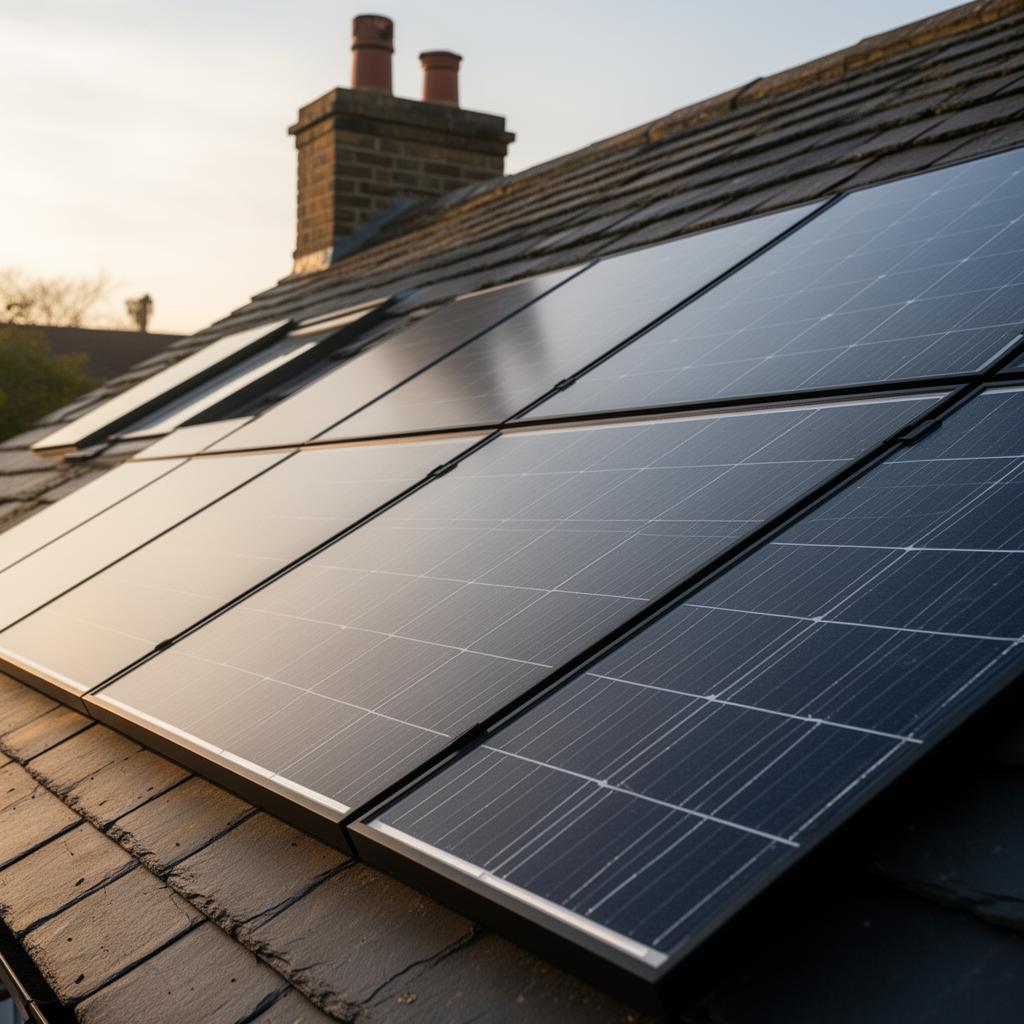
Installing solar panels is one of the smartest investments a UK homeowner can make, but the upfront cost still puts many people off. Community energy solar UK initiatives offer a way to bring those costs down significantly through collective purchasing power. From council-backed group-buying schemes like Solar Together to the government’s new Great British Energy investment programme, there are now more routes than ever to affordable solar. This guide explains how community energy works, what schemes are available, and how you can benefit.
How Do Community Solar Group Buying Schemes Work?
- A local organiser sets up the scheme — this could be a community energy group, parish council or neighbourhood forum
- Homeowners register their interest — the more households that sign up, the greater the bulk discount negotiated
- The organiser tenders to MCS-certified installers — installers bid competitively knowing they have a guaranteed volume of work
- Each household receives a personalised quote — typically 10 to 25% cheaper than individual quotes due to bulk purchasing
- Installations are scheduled in batches — the installer works through the neighbourhood over several weeks, reducing travel and setup costs
Group buying schemes save money because installers can plan logistics efficiently and buy materials in bulk. On a typical 4 kW solar system costing £6,500, a group discount of 15 to 20% saves £975 to £1,300 per household. Organisations such as Solar Together and local community energy groups run regular rounds across the UK, including schemes in Lancashire and Greater Manchester.
What Are Community Energy Schemes?
Community energy is a broad term covering any energy project that is locally owned, locally led, or delivers benefits to a local community. In the solar context, the two most relevant models for homeowners are:
- Group-buying schemes – Local authorities or organisations aggregate demand from hundreds of households, then negotiate bulk pricing from vetted installers. Individual homeowners get lower prices than they would shopping alone.
- Community-owned generation – A community group raises money (often through community share offers) to install solar panels on public buildings like schools, leisure centres, and community halls. Returns flow back to investors and fund local projects.
Both models have grown significantly in the UK over the past decade, supported by government policy and increasing public interest in clean energy.
Solar Together: The UK’s Largest Group-Buying Scheme
Solar Together is the largest and most established group-buying programme for residential solar panels in the UK. Run by iChoosr in partnership with local councils, it operates on a simple model.
Here is how the process works:
- Registration – Homeowners register their interest through their local council’s Solar Together page. Registration is free and carries no obligation.
- Auction – Once enough registrations are gathered (typically several thousand across a county), iChoosr runs a reverse auction where pre-vetted installers compete to offer the lowest price per installation.
- Personal offer – Each registered household receives a personalised offer based on their property, including the recommended system size, battery option, and total cost.
- Acceptance – You have several weeks to review the offer and decide. There is no pressure and no penalty for declining.
- Installation – Accepted installations are scheduled by the winning installer, typically within 2-4 months.
Solar Together has operated in over 30 council areas across England, including London boroughs, Hampshire, Suffolk, Warwickshire, and Devon. Typical savings compared to individual market quotes are 20-30%, driven by the installer’s guaranteed volume of work.
For a standard 4 kW system, Solar Together prices have historically come in at around £5,000-£6,500, compared to individual market prices of £6,500-£8,000 for equivalent equipment and installation quality.
Great British Energy: The New £1 Billion Government Investment
The Labour government’s Great British Energy initiative represents the biggest public investment in community and local energy in a generation. The publicly owned clean energy company has been allocated £1 billion specifically for local and community energy projects across the UK.
While the full details of how this funding will be distributed are still being finalised, the announced priorities include:
- Funding for community-owned renewable energy projects
- Support for solar installations on public buildings (schools, hospitals, leisure centres)
- Grants and loans for community energy co-operatives
- Technical support and seed funding for new community energy groups
- Investment in local energy storage and smart grid projects
Great British Energy is headquartered in Aberdeen and is expected to begin distributing funds to community projects from late 2026 and into 2027. For homeowners, the most direct benefit will likely come through expanded group-buying schemes and subsidised community installations that reduce costs for participating households.
Community Solar Projects on Public Buildings
Hundreds of community energy groups across the UK have successfully installed solar panels on schools, community centres, swimming pools, and other public buildings. These projects typically work as follows:
- A community energy co-operative raises capital through a community share offer, with local residents investing amounts from as little as £100 to £10,000+
- The co-operative installs solar panels on a public building’s roof under a power purchase agreement (PPA)
- The building operator buys the solar electricity at a rate below the grid price, saving money on energy bills
- Investors receive annual returns, typically 3-5%, from the electricity sales and export income
- A community benefit fund receives a portion of profits to support local projects like fuel poverty assistance or energy advice
Notable examples include Bath and West Community Energy, which has installed over 5 MW of solar on local buildings, and Brixton Energy, which runs community solar on housing estates in South London. These projects demonstrate that community energy is not a niche concept but a proven model delivering real benefits.
How Community Energy Cuts Costs for Homeowners
The cost savings from community and group-buying schemes come from several sources.
| Cost Factor | Individual Purchase | Group-Buying Scheme | Saving |
|---|---|---|---|
| Panel and inverter costs | Market price | Bulk discount (10-20%) | £500-£1,000 |
| Installation labour | Individual scheduling | Route-optimised batches | £200-£400 |
| Scaffolding | Individual hire | Shared mobilisation | £50-£150 |
| Customer acquisition | Marketing, sales visits | Council referrals | £200-£400 |
| Total typical saving | £1,000-£2,000 |
The installer benefits from guaranteed volume and reduced sales costs, which they pass on as lower prices. The council or organising body provides consumer protection through vetting and ongoing oversight, reducing the risk of poor-quality installations.
How to Join a Community Energy Scheme Near You
Finding and joining a community energy scheme takes a little research, but the effort is well rewarded.
For group-buying solar installations
- Check your local council’s website for Solar Together or similar schemes. New rounds are typically announced in spring and autumn.
- Search the Solar Together website directly to see if your area is participating in the current round.
- Sign up for council newsletters, as group-buying opportunities are often promoted through existing communication channels.
For community energy investment
- Visit Community Energy England (or Community Energy Wales/Scotland) for a directory of active groups.
- Check Ethex, a positive investment platform that lists community energy share offers.
- Search for local community energy co-operatives in your area. Many have websites and social media presence.
If there is no scheme currently running in your area, you do not need to wait. Individual solar installations offer excellent value at current prices, and you can get a free quote from MCS-certified installers to compare costs. The payback period for individually purchased solar panels is typically 6-8 years even without group-buying discounts.
The Future of Community Energy in the UK
Community energy is set to grow substantially over the coming years. The £1 billion Great British Energy allocation, combined with the government’s target of tripling solar capacity by 2030, creates strong tailwinds for community-led projects. The Community Energy Strategy published alongside the Clean Power 2030 action plan sets out ambitions for community energy to play a much larger role in the UK’s energy mix.
For homeowners, this means more opportunities to access discounted installations, invest in local clean energy projects, and benefit from a more decentralised energy system. Whether you join a group-buying scheme, invest in a community solar project, or install solar panels individually, the direction of travel is clear: local, clean energy is the future.
Frequently Asked Questions
Do I have to use the installer chosen by the group-buying scheme?
In schemes like Solar Together, the installer is selected through a competitive auction process and is pre-vetted for quality and MCS certification. You receive a personalised offer and are free to accept or decline. If you decline, there is no penalty. However, the group-buying price is typically lower than individual quotes for equivalent quality, so it is worth comparing before deciding.
Can I choose my own panels in a group-buying scheme?
Generally no. The bulk pricing depends on standardised equipment packages, which is how the savings are achieved. The panels and inverters selected are typically well-regarded brands that offer good value at scale. If you have specific requirements for premium brands, an individual installation may be more appropriate.
Is investing in a community energy project risky?
Community energy share offers carry investment risk, as with any investment. Returns are not guaranteed and depend on the project’s electricity generation and income. However, the risk profile is generally low because solar generation is predictable and power purchase agreements provide stable income. Typical returns of 3-5% per year are modest but reliable, and many investors value the social and environmental benefits alongside financial returns.
Are group-buying schemes available across the whole UK?
Coverage is growing but not yet universal. Solar Together operates in many English council areas, and similar schemes exist in Wales and Scotland. If your area is not currently covered, new rounds are launched regularly and coverage is expanding. Check back every few months or register your interest with your local authority to be notified when a scheme launches in your area.
See what these numbers mean for your home
Free instant estimate — costs, savings, payback and grants for your region.

Related Articles
Heat Pump Grant Rises to £9,000 for Oil and LPG Homes From 21 July 2026
The standard Boiler Upgrade Scheme grant stays at £7,500. From 21 July 2026 to 31 March 2027, homes currently heated by oil or LPG get an increased £9,000 grant. Corrected…
10 June 2026
The Warm Homes Plan 2026: What Every UK Homeowner Needs to Know
The UK government’s Warm Homes Plan is the biggest energy efficiency programme in British history. Launched in January 2026 with up to £15 billion in funding, it aims to upgrade…
5 June 2026
ECO4 Scheme 2026: Who Qualifies, What’s Covered and How to Apply
The ECO4 scheme runs until December 2026, offering fully funded insulation and heating upgrades for eligible UK households. Find out if you qualify through benefits or the ECO4 Flex route,…
11 May 2026