Combi vs System vs Regular Boiler: Which Type Is Right for Your Home?
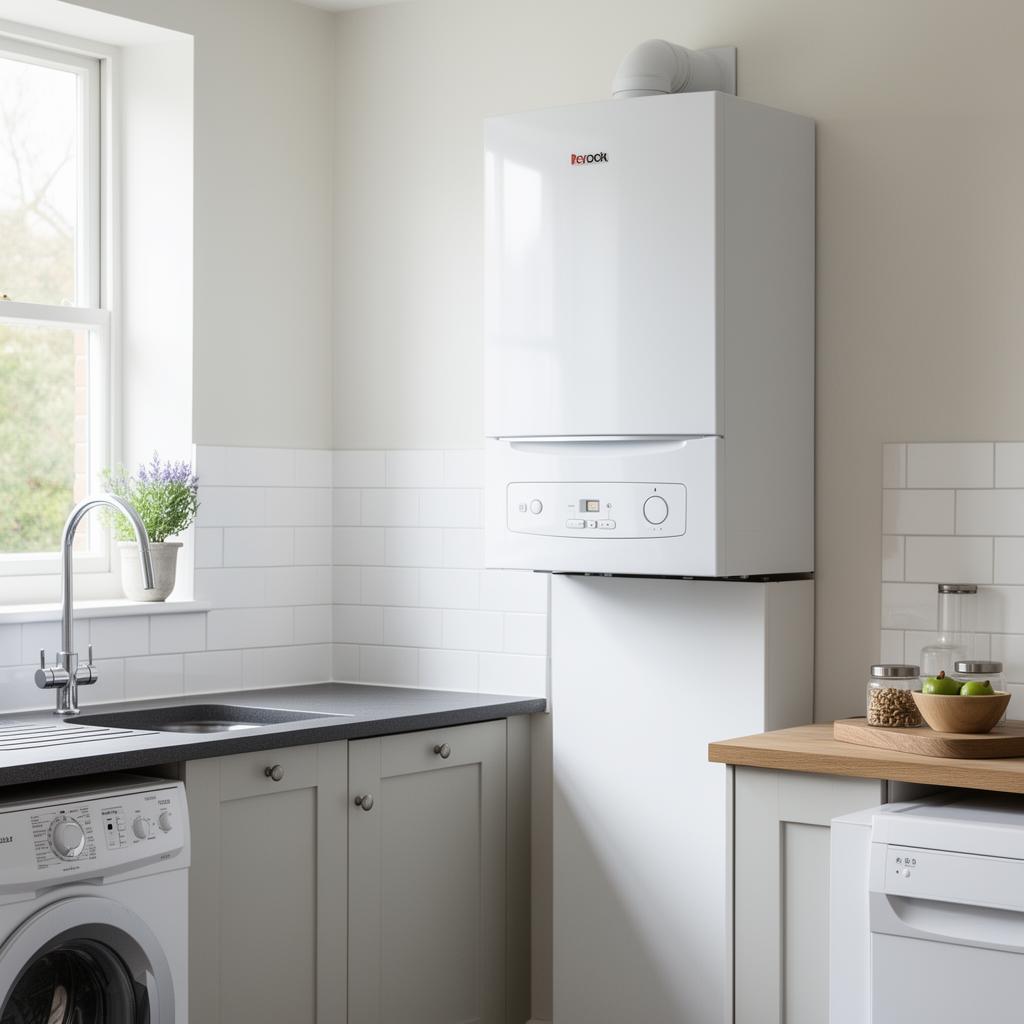
Choosing between a combi vs system vs regular boiler is one of the most important decisions you will make when replacing your home heating system. Each type works differently, suits different property sizes and delivers hot water in distinct ways. Getting this choice wrong means either running out of hot water when you need it, paying more than necessary, or installing a system that is oversized for your home. This guide explains exactly how each boiler type works and helps you match the right one to your household.
How a Combi Boiler Works
A combination (combi) boiler provides both central heating and instant hot water from a single compact unit. It heats water directly from the mains when you open a hot tap, so there is no need for a separate hot water cylinder or cold water storage tank.
When you turn on a hot tap, the combi detects the flow and fires up to heat the water as it passes through a secondary heat exchanger. Central heating is provided through a primary heat exchanger. The boiler switches between heating and hot water as needed, prioritising hot water when a tap is open.
Advantages of a combi boiler:
- Compact size: No cylinder or tanks means more usable space in your home. Ideal for smaller properties, flats and homes without a loft
- Instant hot water: No waiting for a cylinder to heat up. Hot water is available on demand
- Energy efficient: You only heat the water you use, with no standby losses from a stored cylinder
- Cheaper to install: Fewer components and less pipework mean lower installation costs
- Mains pressure hot water: Delivers hot water at mains pressure for a good shower without a pump
Disadvantages of a combi boiler:
- Limited hot water flow rate: A combi can only heat a certain volume of water per minute. Running two showers simultaneously will result in reduced flow and temperature
- Not ideal for large households: Homes with two or more bathrooms in regular use will find a combi struggles to keep up
- Dependent on mains water pressure: If your mains pressure is low, a combi will deliver poor hot water performance
- No immersion heater backup: If the boiler breaks down, you have no hot water at all (a system with a cylinder can use an immersion heater as backup)
- Not compatible with some solar thermal systems: Standard combis cannot easily accept pre-heated water from solar thermal panels
Best suited to: Flats, one-bathroom homes, small to medium houses (up to three bedrooms) with one bathroom, and households with moderate hot water demand.
How a System Boiler Works
A system boiler (also called a sealed system boiler) heats water and stores it in a separate hot water cylinder, typically located in an airing cupboard. The boiler heats the water, which is then stored in the insulated cylinder until needed. Unlike a regular boiler, a system boiler has the expansion vessel and pump built in, so there is no need for a feed and expansion tank in the loft.
When you open a hot tap, pre-heated water flows from the cylinder at mains pressure (since system boilers work with unvented cylinders). The boiler periodically fires to reheat the cylinder, maintaining the stored temperature. Central heating operates through a separate circuit.
Advantages of a system boiler:
- High hot water output: The stored cylinder can supply multiple taps and showers simultaneously without loss of flow or temperature
- Mains pressure delivery: Unvented cylinders deliver hot water at full mains pressure for powerful showers
- Compatible with solar thermal: A twin-coil cylinder can accept pre-heated water from solar thermal panels, reducing gas consumption
- Immersion heater backup: The cylinder typically includes an electric immersion heater, providing hot water even if the boiler fails
- No loft tanks: Unlike a regular boiler, no cold water storage tank is needed in the loft
- Good for larger homes: Ideal for properties with multiple bathrooms
Disadvantages of a system boiler:
- Requires a hot water cylinder: Takes up space, typically in an airing cupboard or utility room
- Hot water can run out: Once the cylinder is depleted, you must wait for it to reheat (typically 20 to 40 minutes)
- Standby heat losses: Even a well-insulated cylinder loses some heat, wasting energy
- More expensive to install than a combi: The additional cylinder and pipework increase installation costs
Best suited to: Medium to large homes (three or more bedrooms) with two or more bathrooms, households with high hot water demand, and properties where solar thermal integration is planned.
How a Regular (Conventional) Boiler Works
A regular boiler (also called a conventional, traditional or heat-only boiler) is the oldest and most traditional type. It heats water that is stored in a hot water cylinder, but unlike a system boiler, it requires a cold water storage tank in the loft and a separate feed and expansion tank.
Cold water from the mains fills the loft tank, which feeds the hot water cylinder by gravity. The boiler heats the water in the cylinder via a coil. Hot water is delivered at gravity pressure (which is lower than mains pressure) unless a pump is fitted.
Advantages of a regular boiler:
- Compatible with older heating systems: If your home has an existing vented system with radiators, a regular boiler is a straightforward like-for-like replacement
- Works with low mains pressure: Because the system is gravity-fed, low mains water pressure does not affect performance
- Multiple hot water outlets: The cylinder can supply several taps simultaneously
- Immersion heater backup: Electric backup in the cylinder provides hot water when the boiler is off
- Compatible with older radiators: Some older radiator systems are not rated for the higher pressures of sealed systems
Disadvantages of a regular boiler:
- Takes up the most space: Requires a boiler, cylinder, loft tank and expansion tank
- Lower hot water pressure: Gravity-fed systems deliver lower water pressure than mains-pressure combis or system boilers (unless a pump is added)
- Less efficient: Heat losses from the cylinder and loft tanks waste energy
- Slower to install: More components mean higher installation time and cost
- Being phased out: Few new homes are built with regular boiler systems. The technology is considered outdated
Best suited to: Older properties with existing vented heating systems where changing to a sealed system would be too disruptive or expensive. Also suitable for homes with very low mains water pressure.
Combi vs System vs Regular Boiler: Side-by-Side Comparison
| Feature | Combi | System | Regular |
|---|---|---|---|
| Hot water delivery | Instant, on demand | Stored in cylinder | Stored in cylinder |
| Hot water pressure | Mains pressure | Mains pressure (unvented) | Gravity (low) unless pumped |
| Hot water cylinder needed? | No | Yes | Yes |
| Loft tanks needed? | No | No | Yes (cold water and F&E) |
| Multiple showers simultaneously? | Poor | Good | Moderate |
| Space required | Minimal | Moderate (cylinder) | Maximum (cylinder + loft tanks) |
| Typical installation cost | £2,000 – £3,500 | £3,000 – £5,000 | £2,500 – £4,500 |
| Best for home size | 1-3 bed, 1 bathroom | 3+ bed, 2+ bathrooms | Existing vented systems |
| Solar thermal compatible? | Limited | Yes (twin-coil cylinder) | Yes (twin-coil cylinder) |
| Backup if boiler fails? | None | Immersion heater | Immersion heater |
Choosing the Right Boiler for Your Home
The right choice depends primarily on three factors: your home’s size, the number of bathrooms, and your hot water demand patterns.
Choose a combi if: You live in a flat or small to medium house with one bathroom, your mains water pressure is adequate (at least 1 bar), you want to free up space by removing the cylinder and loft tanks, and your household has two to four people with staggered shower times.
Choose a system boiler if: You have a larger home with two or more bathrooms, multiple people shower at the same time (mornings in a busy family), you want mains-pressure hot water throughout the house, or you plan to install solar thermal panels.
Choose a regular boiler if: Your home has an existing vented system and converting to a sealed system would be disruptive or expensive, your mains water pressure is too low for a combi or system boiler, or you have an older property where the radiators may not be rated for higher system pressures.
It is also worth considering whether a heat pump might be a better long-term option than any gas boiler. With the Boiler Upgrade Scheme providing £7,500 towards installation and gas prices expected to rise relative to electricity over the coming decade, a heat pump may offer lower running costs and greater future-proofing.
What Size Boiler Do You Need?
Boiler output is measured in kilowatts (kW). The right size depends on the number of radiators and hot water outlets in your home:
| Home Type | Radiators | Bathrooms | Recommended Combi | Recommended System/Regular |
|---|---|---|---|---|
| 1-2 bed flat | 5-8 | 1 | 24-28 kW | 12-18 kW + 120L cylinder |
| 3 bed semi | 8-12 | 1 | 28-32 kW | 18-24 kW + 150L cylinder |
| 3-4 bed detached | 12-16 | 2 | 32-38 kW (or system boiler) | 24-30 kW + 180L cylinder |
| 4-5 bed detached | 16-20 | 2-3 | Not recommended | 30-40 kW + 210-300L cylinder |
An oversized boiler wastes energy by cycling on and off too frequently. An undersized boiler cannot heat the home adequately. A qualified Gas Safe engineer will calculate the correct size based on a full heat loss assessment of your property. Good insulation reduces the heat loss, allowing a smaller, cheaper boiler to be used.
To get the right boiler recommendation for your home, request a free quote from our network of Gas Safe registered installers.
Frequently Asked Questions About Boiler Types
Can I switch from a regular boiler to a combi?
Yes, this is one of the most common boiler upgrades in the UK. Switching from a regular to a combi involves removing the hot water cylinder and loft tanks, which frees up significant space. The installer will need to modify the pipework and may need to upgrade the gas supply if a larger combi is required. The conversion typically costs £500 to £1,000 more than a like-for-like replacement due to the additional work involved.
Is a combi boiler cheaper to run than a system boiler?
In most cases, yes, because a combi does not have standby losses from a hot water cylinder. A well-insulated modern cylinder loses relatively little heat, but a combi avoids the loss entirely. The difference in annual running cost is typically £30 to £80. However, a system boiler may be more efficient overall in a large household where the combi would be running constantly to meet demand.
Can I run a power shower with a combi boiler?
Traditional power showers (which use a built-in pump) are designed for low-pressure gravity systems and are not compatible with combi boilers. However, a combi delivers hot water at mains pressure, which is usually sufficient for a good shower experience without a pump. If you want a high-flow shower, ensure your mains pressure is adequate (at least 1.5 bar) and choose a combi with a good hot water flow rate (at least 12 litres per minute).
Should I replace my gas boiler with a heat pump instead?
If your current boiler is at end of life, a heat pump is worth serious consideration. With the £7,500 BUS grant and 0% VAT, the cost gap has narrowed significantly. Heat pumps provide both heating and hot water, work well with insulated homes, and have lower running costs on time-of-use electricity tariffs. They are also future-proof against potential restrictions on new gas boiler installations. The main considerations are upfront cost, outdoor unit placement and whether your home is well enough insulated. Get a free quote to compare both options for your home.
What is the lifespan of each boiler type?
All modern gas boilers, whether combi, system or regular, have a typical lifespan of 10 to 15 years. Premium brands may last up to 20 years with annual servicing. A combi may have a slightly shorter lifespan in hard water areas because the plate heat exchanger is more susceptible to limescale build-up. Regular servicing and a magnetic filter can extend the life of any boiler type.
See what these numbers mean for your home
Free instant estimate — costs, savings, payback and grants for your region.

Related Articles
7 Quick Wins to Cut Your Energy Bills This Summer
Summer might seem like the wrong time to think about energy bills, but it is actually when the smartest homeowners make changes. Lower heating demand means more of your spending…
22 May 2026
The Best Time of Year to Replace Your Boiler (and How to Get the Best Price)
Find out why summer is the best time to replace your boiler in the UK, how to negotiate better prices and what to check before committing to an installation.
9 May 2026
Electric Heating Options Explained: Panel Heaters, Storage Heaters and Infrared
Compare electric heating options for UK homes including modern storage heaters, ceramic panel heaters and infrared panels with running cost breakdowns.
7 May 2026