How to Read Your Boiler Pressure Gauge and Fix Low Pressure
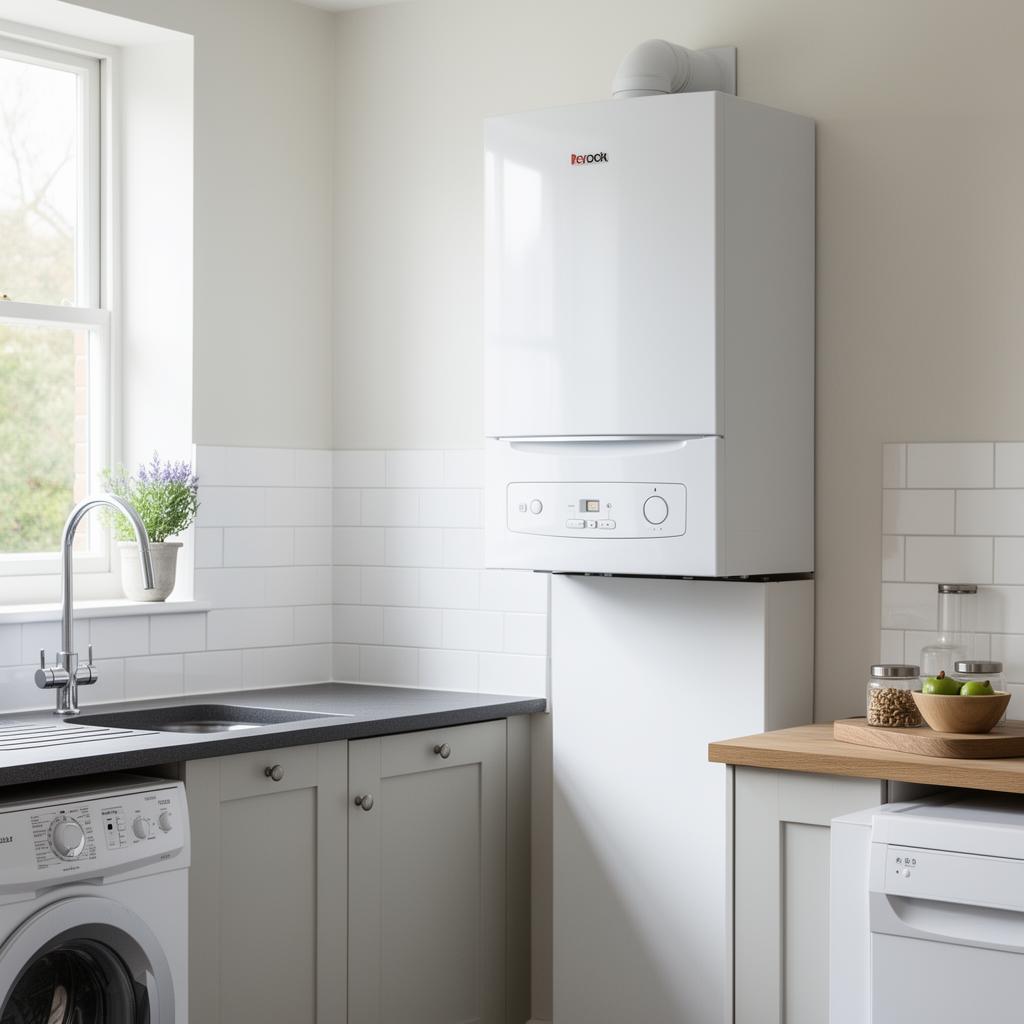
If your boiler has stopped firing, your radiators are cold downstairs but not upstairs, or an error code is flashing on the display, the first thing to check is the boiler pressure gauge. Low boiler pressure is one of the most common boiler problems in UK homes, and in most cases you can fix it yourself in under five minutes — no engineer needed.
How to read your boiler pressure gauge and fix low pressure
- Locate the pressure gauge on the front of your boiler — it is usually a round dial or a digital display.
- Check the reading: normal boiler pressure is between 1.0 and 1.5 bar when the heating is off.
- If pressure is below 1.0 bar, find the filling loop — a braided silver hose with one or two valves underneath the boiler.
- Turn off the boiler and allow it to cool for at least 30 minutes before represurising.
- Open the filling loop valve slowly and watch the gauge rise to between 1.0 and 1.5 bar.
- Close the valve firmly once the correct pressure is reached, then restart the boiler.
- If pressure drops repeatedly, you may have a leak in the system or a faulty expansion vessel — call a Gas Safe registered engineer.
Boiler pressure naturally drops over time, especially after bleeding radiators. If you need to top up the pressure more than twice a year, it typically indicates a slow leak or a failing pressure relief valve. Regular annual boiler servicing will catch these issues before they become costly repairs.
This guide explains how to read your boiler pressure gauge, what the numbers actually mean, the ideal pressure range, step-by-step instructions for repressurising via the filling loop, and the warning signs that indicate a more serious problem requiring professional attention.
Understanding Your Boiler Pressure Gauge
Most modern combi and system boilers have a pressure gauge on the front panel or underneath the casing. It typically looks like a small clock face with a needle, or on newer boilers it may be a digital readout on the LCD display.
The gauge measures the pressure of the water circulating in your central heating system, expressed in bar. One bar is roughly the pressure exerted by 10 metres of water. Here is what the numbers mean:
| Gauge Reading | What It Means | Action Needed |
|---|---|---|
| Below 0.5 bar | Pressure critically low | Boiler likely locked out — repressurise immediately |
| 0.5 to 1.0 bar | Pressure too low | Repressurise to avoid lockout |
| 1.0 to 1.5 bar (cold system) | Ideal range | No action needed |
| 1.5 to 2.0 bar (hot system) | Normal when heating is on | No action needed |
| 2.0 to 2.5 bar | Slightly high | Monitor — may need bleeding a radiator |
| Above 3.0 bar | Pressure too high | Pressure relief valve may discharge — call an engineer |
Most gauges have a green zone (typically 1.0 to 2.0 bar) and a red zone at each end. The needle should sit in the green zone when the heating is off and cold.
Why Does Boiler Pressure Drop?
Boiler pressure low — how to fix it starts with understanding why it drops in the first place. There are several common causes:
- Bleeding radiators: when you bleed air from radiators, water and air leave the system, reducing the pressure. This is the most common and least concerning cause
- Small leaks: a weeping radiator valve, a dripping pipe joint, or a hairline crack in a pipe fitting can slowly lose water over days or weeks
- Pressure relief valve discharge: if the pressure has been too high, the safety valve releases water (usually via a copper pipe that exits through an external wall). The system then settles at a lower pressure
- Expansion vessel failure: the expansion vessel inside the boiler absorbs the pressure increase when water heats up. If its internal diaphragm fails or the vessel loses its air charge, pressure can fluctuate wildly
- Natural loss: all sealed heating systems lose a tiny amount of pressure over time through micro-permeation. Needing to top up once or twice a year is normal
How to Repressurise Your Boiler: Step-by-Step Guide
Repressurising your boiler involves adding mains water to the heating system through a device called the filling loop. This is a flexible braided hose or a built-in valve, usually located underneath the boiler or nearby on the pipework.
Before you start
- Turn off the heating and let the system cool down — repressurising a hot system can give inaccurate gauge readings
- Locate the filling loop — check your boiler manual if you are unsure where it is
- Have a towel handy in case of minor drips
Step-by-step instructions for an external filling loop
- Step 1: Ensure the filling loop hose is securely connected at both ends. Some boilers have a removable loop that clips on
- Step 2: Open the first valve (usually a small lever or tap) by turning it so the lever is in line with the pipe
- Step 3: Slowly open the second valve. You should hear water rushing into the system
- Step 4: Watch the pressure gauge carefully. The needle will start to rise
- Step 5: When the gauge reaches 1.0 to 1.5 bar, close the second valve first, then the first valve
- Step 6: If the filling loop is removable, disconnect it and store it safely
- Step 7: Turn the heating back on and check that the boiler fires up normally
Step-by-step instructions for a built-in (keyless) filling loop
Many newer boilers (particularly Worcester Bosch, Vaillant and Ideal models) have a built-in filling mechanism that does not require an external hose.
- Step 1: Locate the filling key or lever underneath the boiler (check the manual for the exact position)
- Step 2: Turn or push the key/lever to the open position
- Step 3: Watch the pressure gauge or digital display
- Step 4: When the pressure reaches 1.0 to 1.5 bar, return the key/lever to the closed position
- Step 5: Turn the heating on and check for normal operation
The whole process should take no more than two to three minutes. If the pressure rises very slowly or not at all, the filling loop valves may be partially seized — do not force them. Call an engineer instead.
What If the Pressure Keeps Dropping?
If you need to repressurise your boiler more than twice in six months, something is wrong. The most likely causes are:
- A leak in the system: check all visible pipework, radiator valves, and joints for signs of moisture, dripping, or green corrosion staining on copper fittings
- A leaking pressure relief valve: follow the copper pipe that exits through your external wall (usually near the boiler). If it is dripping or has limescale deposits, the valve may be faulty
- A failed expansion vessel: if the pressure drops when the system is cold but rises too high when it heats up, the expansion vessel diaphragm may have failed. This is a common issue on boilers over 8 years old
- A leaking heat exchanger: internal leaks within the boiler itself can be harder to spot. Water may drip from underneath the boiler casing
Any of these issues requires a Gas Safe registered engineer to diagnose and repair. Do not ignore persistent pressure loss — a small leak can cause significant water damage over time, and a failed expansion vessel puts stress on other boiler components.
Boiler Pressure Too High: What to Do
While low pressure is more common, high pressure can also be a problem. If your gauge reads above 2.5 bar when the system is cold, the most common causes are:
- Overfilling — you added too much water through the filling loop
- A filling loop left open or not fully closed
- A failed expansion vessel (pressure rises excessively when heating)
To reduce high pressure, the simplest method is to bleed a radiator until the gauge drops to the correct range. Place a container under the bleed valve, open it with a radiator key, and let water escape until the gauge reads 1.0 to 1.5 bar.
If the pressure keeps rising above 3 bar, the boiler’s pressure relief valve will open automatically and discharge water through the overflow pipe. This is a safety feature, not a fault in itself, but it indicates an underlying issue that needs professional attention.
When to Call a Gas Safe Engineer
While repressurising is a safe DIY task, several situations require a qualified Gas Safe registered engineer:
- Pressure drops repeatedly (more than twice in six months)
- You can see water leaking from the boiler, pipes or radiators
- The pressure rises above 3 bar and the relief valve keeps discharging
- The boiler displays an error code that does not clear after repressurising
- You can smell gas (call the Gas Emergency Service on 0800 111 999 immediately)
- The filling loop valves are seized and will not turn
- You are not confident carrying out the repressurisation yourself
A boiler service typically costs GBP 60 to GBP 120 and includes a pressure and safety check. If your boiler is over 10 years old and experiencing regular pressure problems, it may be more cost-effective to consider a replacement. Modern condensing boilers are significantly more efficient and reliable, or you could consider switching to an air source heat pump to eliminate gas entirely.
Preventing Boiler Pressure Problems
A few simple maintenance steps can help prevent pressure problems from occurring:
- Annual boiler service: an engineer will check the expansion vessel pressure, test the safety valve, and inspect for leaks
- Bleed radiators carefully: after bleeding, always check the boiler pressure and top up if needed
- Check the filling loop: ensure it is fully closed after repressurising. A filling loop left slightly open will cause the pressure to creep up over time
- Add inhibitor: central heating inhibitor reduces internal corrosion, which in turn reduces the sludge that can damage boiler components
- Consider a magnetic filter: a magnetic boiler filter traps metallic sludge before it reaches the boiler, protecting the heat exchanger and other internal components
If your boiler is nearing the end of its life and you are spending more on repairs than it is worth, get a free quote to compare the cost of a new boiler or heat pump installation.
Frequently Asked Questions About Boiler Pressure
What is the ideal boiler pressure when the heating is off?
When the heating is off and the system is cold, the ideal boiler pressure is between 1.0 and 1.5 bar. When the heating is running and the water is hot, the pressure will naturally rise to between 1.5 and 2.0 bar. This is completely normal and nothing to worry about.
Can low boiler pressure be dangerous?
Low boiler pressure is not dangerous in itself. Modern boilers have safety cutouts that prevent them from firing when the pressure is too low. The main consequence is that your heating and hot water will not work until the pressure is restored. However, if the pressure is dropping because of a leak, the water damage from the leak can be a concern.
How often should I need to top up boiler pressure?
A well-maintained sealed heating system should hold its pressure for months at a time. Needing to top up once or twice a year is within normal range. If you are topping up monthly or more frequently, there is likely a leak or component failure that needs investigating by a Gas Safe engineer.
Can I repressurise my boiler myself or do I need an engineer?
Repressurising via the filling loop is a straightforward DIY task that boiler manufacturers expect homeowners to do. It does not require a Gas Safe engineer and will not affect your warranty. However, if you cannot locate the filling loop, the valves will not turn, or you are uncomfortable doing it, call an engineer rather than forcing anything.
My boiler pressure is fine but the radiators are still cold — what else could it be?
If the pressure is correct but radiators are cold, the issue may be trapped air (bleed the radiators), a stuck diverter valve (common in combi boilers — hot water works but heating does not), a faulty pump, or sludge build-up in the system. A qualified engineer can diagnose the cause. If your system is heavily sludged, a power flush followed by fitting a magnetic filter and boiler inhibitor can restore performance.
See what these numbers mean for your home
Free instant estimate — costs, savings, payback and grants for your region.

Related Articles
7 Quick Wins to Cut Your Energy Bills This Summer
Summer might seem like the wrong time to think about energy bills, but it is actually when the smartest homeowners make changes. Lower heating demand means more of your spending…
22 May 2026
The Best Time of Year to Replace Your Boiler (and How to Get the Best Price)
Find out why summer is the best time to replace your boiler in the UK, how to negotiate better prices and what to check before committing to an installation.
9 May 2026
Electric Heating Options Explained: Panel Heaters, Storage Heaters and Infrared
Compare electric heating options for UK homes including modern storage heaters, ceramic panel heaters and infrared panels with running cost breakdowns.
7 May 2026