Magnetic Boiler Filters: What They Do and Are They Worth Fitting?
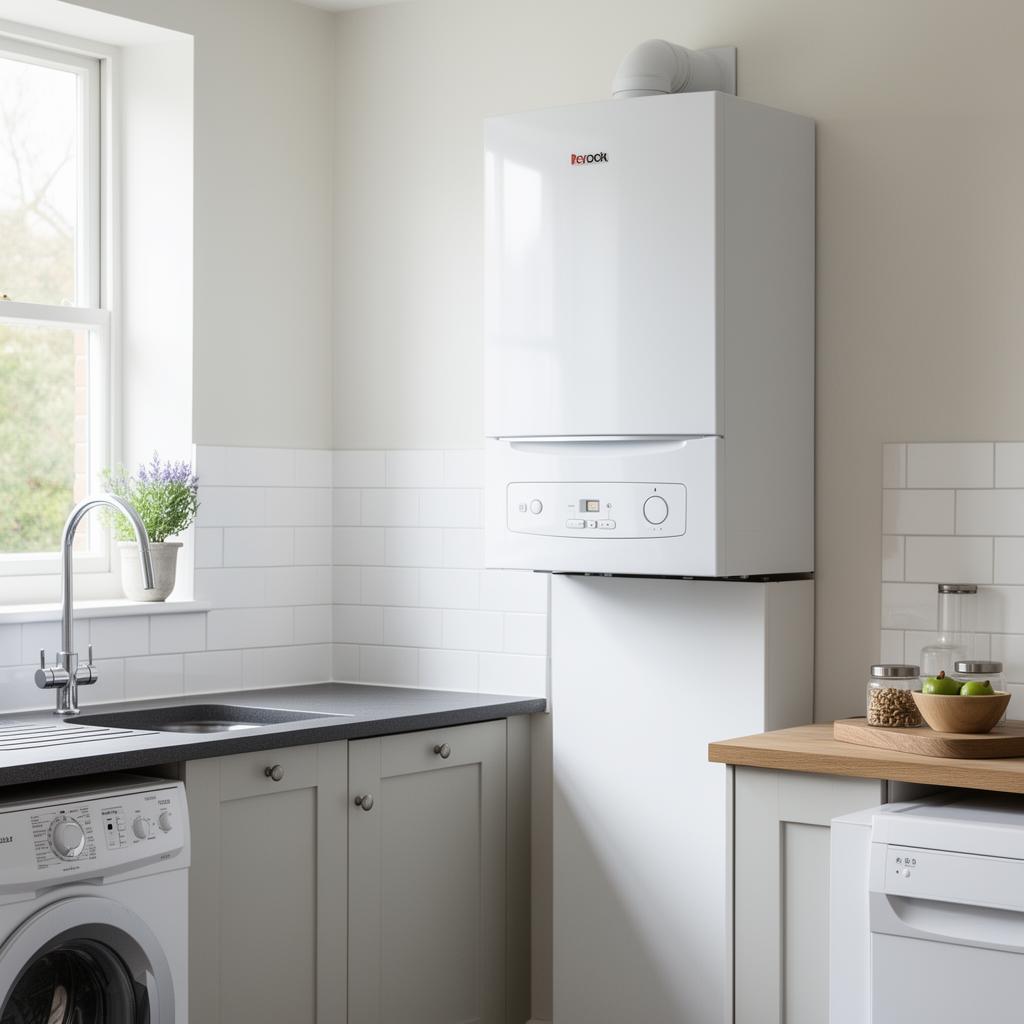
If you have ever had a boiler service, your engineer may have recommended fitting a magnetic boiler filter. Products like the MagnaClean, Fernox TF1 and Sentinel Eliminator are now standard additions to new boiler installations, but are they worth the extra cost on an existing system? This guide explains exactly how a magnetic boiler filter works, what problems it prevents, the real-world costs, and when a full power flush might be the better option.
Is a magnetic boiler filter worth it?
Yes, a magnetic boiler filter is worth fitting for most UK homes with a wet central heating system. It costs between £100 and £200 installed and traps magnetite sludge — the black iron oxide that builds up inside radiators and pipework. By preventing this sludge from reaching the heat exchanger, a magnetic filter can maintain boiler efficiency, reduce the risk of breakdowns and extend the boiler’s lifespan by several years.
Most boiler manufacturers now recommend or require a magnetic filter to validate the warranty. The filter should be cleaned during your annual boiler service, which takes only a few minutes. If your radiators have cold spots at the bottom or your heating is slow to warm up, fitting a magnetic filter alongside a system flush can restore performance and cut gas bills by up to 6%.
What Is a Magnetic Boiler Filter and How Does It Work?
A magnetic boiler filter is a device fitted to the return pipe of your central heating system, just before the water enters the boiler. Inside the filter is a powerful magnet (typically a neodymium rare-earth magnet) that attracts and traps magnetic particles as the water flows through.
These particles are primarily magnetite — a black iron oxide sludge that forms when water reacts with the steel and iron components inside radiators, pipes and the boiler itself. Over time, this sludge circulates through the system and can cause significant damage.
The filter works passively — it requires no electricity or moving parts. Water flows through the canister, magnetic particles cling to the magnet, and clean water continues to the boiler. During an annual service, the engineer removes the magnet, wipes off the collected sludge, and replaces it. The whole cleaning process takes about five minutes.
What Problems Does Magnetite Sludge Cause?
Magnetite sludge is the number one cause of central heating system failures in UK homes. Left unchecked, it causes a cascade of problems:
- Blocked heat exchanger: the narrow waterways inside the boiler’s heat exchanger are particularly vulnerable to sludge build-up. A partially blocked heat exchanger reduces efficiency and can cause the boiler to overheat and lock out. Replacing a heat exchanger typically costs GBP 400 to GBP 600
- Cold spots on radiators: sludge settles at the bottom of radiators, creating cold patches. A radiator that is warm at the top but cold at the bottom is a classic sign of sludge accumulation
- Noisy boiler and pump: sludge particles can cause kettling (a rumbling or banging noise from the boiler) and can damage the circulating pump bearings
- Reduced efficiency: a sludged system works harder to deliver the same amount of heat, increasing gas consumption by an estimated 6 to 10%
- Premature boiler failure: boiler manufacturers consistently cite system contamination as a leading cause of warranty claims and premature failure
Popular Magnetic Boiler Filters Compared
Several magnetic filters are widely used in the UK market. Here is how the main options compare.
| Product | Type | Supply Cost | Key Features |
|---|---|---|---|
| MagnaClean Professional 2 | 22mm inline | GBP 80 – GBP 110 | Industry standard, easy clean, 360-degree capture |
| MagnaClean Micro 2 | 22mm inline (compact) | GBP 70 – GBP 95 | Smaller body, good for tight spaces |
| Fernox TF1 Compact | 22mm inline | GBP 60 – GBP 85 | Compact design, integrated valves |
| Sentinel Eliminator Vortex 300 | 22mm inline | GBP 70 – GBP 100 | Dual-action: magnetic + hydronic separation |
| Worcester Bosch Greenstar System Filter | 22mm inline | GBP 85 – GBP 120 | Designed for Worcester installations |
All perform the core function of magnetic particle capture effectively. The differences come down to size, ease of cleaning, and whether the filter also captures non-magnetic debris (some newer models combine magnetic capture with cyclonic or hydronic separation to catch non-ferrous particles too).
How Much Does It Cost to Fit a Magnetic Boiler Filter?
If a magnetic filter is fitted at the same time as a new boiler installation, it is usually included in the price or added for a nominal GBP 50 to GBP 80 on top. Most reputable installers include one as standard.
Retrofitting a filter to an existing system costs more because the engineer needs to drain down part of the system, cut into the pipework, and install isolation valves. Typical costs are:
| Scenario | Typical Total Cost (Supply + Labour) |
|---|---|
| Fitted with new boiler installation | GBP 50 – GBP 80 (often included) |
| Retrofitted to existing system | GBP 150 – GBP 250 |
| Retrofitted during annual boiler service | GBP 120 – GBP 200 (labour shared with service) |
Having a filter fitted during your annual boiler service is the most cost-effective option for existing systems, as the engineer is already on site and may only charge an additional hour of labour.
Magnetic Filter vs Power Flush: Which Do You Need?
A magnetic filter and a power flush serve related but different purposes. Understanding the difference helps you choose the right approach for your system.
A magnetic filter is a preventative measure. It continuously captures new sludge as it forms, preventing it from accumulating in the boiler and radiators. Think of it as a net that catches debris before it causes damage.
A power flush is a corrective measure. It uses a high-flow pumping machine with chemical cleaning agents to blast out existing sludge that has already built up in the system. It is the equivalent of a deep clean.
| Factor | Magnetic Filter | Power Flush |
|---|---|---|
| Purpose | Prevention (ongoing) | Cure (one-off deep clean) |
| Cost | GBP 120 – GBP 250 (retrofit) | GBP 300 – GBP 600 (whole system) |
| Duration | 1-2 hours to fit | 4-8 hours depending on system size |
| When needed | All systems benefit from fitting | When sludge is already causing problems |
| Maintenance | Cleaned during annual service (5 minutes) | One-off procedure |
| Effectiveness on existing sludge | Gradual — captures over time | Immediate — removes bulk contamination |
If your radiators have significant cold spots at the bottom, a power flush followed by fitting a magnetic filter is the recommended approach. The flush removes the existing contamination, and the filter prevents it from building up again.
If your system is relatively clean (less than 5 years old, or recently flushed), fitting a filter alone is usually sufficient to keep it that way.
Do Magnetic Filters Really Extend Boiler Life?
The evidence strongly suggests yes. Boiler manufacturers including Worcester Bosch, Vaillant, Baxi and Ideal either require or strongly recommend a magnetic filter as a condition of their warranties. Some will not honour warranty claims related to system contamination if a filter was not fitted.
Industry research by ADEY (makers of MagnaClean) found that systems with magnetic filtration experienced 64% fewer boiler breakdowns related to sludge contamination. While this figure comes from the manufacturer, the underlying principle is sound — keeping abrasive and corrosive particles away from precision boiler components logically extends their working life.
A modern condensing boiler typically costs GBP 2,000 to GBP 3,500 installed. Spending GBP 150 to protect a GBP 3,000 investment is a straightforward cost-benefit calculation. If the filter prevents even one heat exchanger replacement over the boiler’s life, it has paid for itself several times over.
Chemical Inhibitors: The Other Half of System Protection
A magnetic filter works best alongside a chemical inhibitor. Inhibitor is a liquid added to the central heating water that forms a protective coating on the inside surfaces of radiators and pipes, slowing the corrosion process that produces magnetite in the first place.
Common inhibitor products include Fernox F1, Sentinel X100 and ADEY MC1+. A bottle typically costs GBP 10 to GBP 20 and is added to the system via a radiator or the filter itself. It should be topped up at each annual boiler service.
The combination of a magnetic filter and chemical inhibitor provides comprehensive system protection — the inhibitor reduces sludge formation, and the filter catches whatever sludge does form before it reaches the boiler.
When a Magnetic Filter Is Not Enough
While magnetic filters are excellent for most central heating systems, there are situations where additional or alternative protection is needed:
- Systems with aluminium heat exchangers: some modern boilers use aluminium heat exchangers which are sensitive to the wrong water chemistry. These need specific inhibitor types and careful pH monitoring
- Microbore pipework: homes with 8mm or 10mm microbore pipes are more prone to blockages because the narrow bore leaves less room for sludge to pass through. A power flush may be needed before fitting a filter
- Mixed-metal systems: systems with a mix of copper, steel and aluminium components produce more aggressive corrosion. Inhibitor selection is particularly important in these installations
- Open-vented systems: older gravity-fed systems with a header tank are exposed to air, which accelerates corrosion. Converting to a sealed system with a magnetic filter and inhibitor offers the best long-term protection
If your boiler is over 12 to 15 years old and experiencing repeated problems, fitting a filter may be treating the symptoms rather than the cause. At that point, replacing the boiler or switching to a heat pump may be more cost-effective. Get a free quote to compare your options.
Frequently Asked Questions About Magnetic Boiler Filters
Can I fit a magnetic filter myself?
It is technically possible if you are competent with plumbing, but it involves draining part of the heating system, cutting into the return pipe, and ensuring watertight connections. Most homeowners prefer to have it done by a heating engineer, and having it fitted during an annual service keeps costs down. If the filter is being installed as part of a gas boiler replacement, it must be done by a Gas Safe registered engineer.
How often does a magnetic filter need cleaning?
Once a year is sufficient for most systems. Your engineer should clean the filter as part of the annual boiler service. In the first year after fitting (especially if no power flush was done), the filter may collect more sludge than in subsequent years. If the filter is full of thick black sludge at the first service, a power flush is strongly recommended.
Will a magnetic filter fix my cold radiators?
Not immediately. A magnetic filter prevents future sludge from reaching the boiler, but it does not actively remove sludge that has already settled in radiators. Over time (months to years), the filter will gradually capture circulating particles and improve things slightly. For radiators that are already badly sludged, a power flush is the effective solution, with the filter fitted afterwards to prevent recurrence.
Do I need a magnetic filter with a heat pump?
Yes. Heat pumps circulate water through the same radiators and pipes as a boiler, and magnetite sludge is equally damaging to heat pump components. In fact, sludge contamination can be more problematic for heat pumps because they operate at lower flow temperatures, which can lead to reduced heat output from partially blocked radiators. If you are switching from a gas boiler to a heat pump, a power flush of the existing system is strongly recommended before commissioning.
Is it true that some boiler warranties require a magnetic filter?
Several major manufacturers including Worcester Bosch and Vaillant require or strongly recommend magnetic filtration as a condition of their extended warranties. Even where it is not a strict requirement, warranty claims related to sludge damage are much more likely to be accepted if a filter was fitted and regularly cleaned. The small cost of a filter is well worth the protection it provides for your warranty cover.
See what these numbers mean for your home
Free instant estimate — costs, savings, payback and grants for your region.

Related Articles
7 Quick Wins to Cut Your Energy Bills This Summer
Summer might seem like the wrong time to think about energy bills, but it is actually when the smartest homeowners make changes. Lower heating demand means more of your spending…
22 May 2026
The Best Time of Year to Replace Your Boiler (and How to Get the Best Price)
Find out why summer is the best time to replace your boiler in the UK, how to negotiate better prices and what to check before committing to an installation.
9 May 2026
Electric Heating Options Explained: Panel Heaters, Storage Heaters and Infrared
Compare electric heating options for UK homes including modern storage heaters, ceramic panel heaters and infrared panels with running cost breakdowns.
7 May 2026