Building an Extension? Energy Regulations You Need to Know
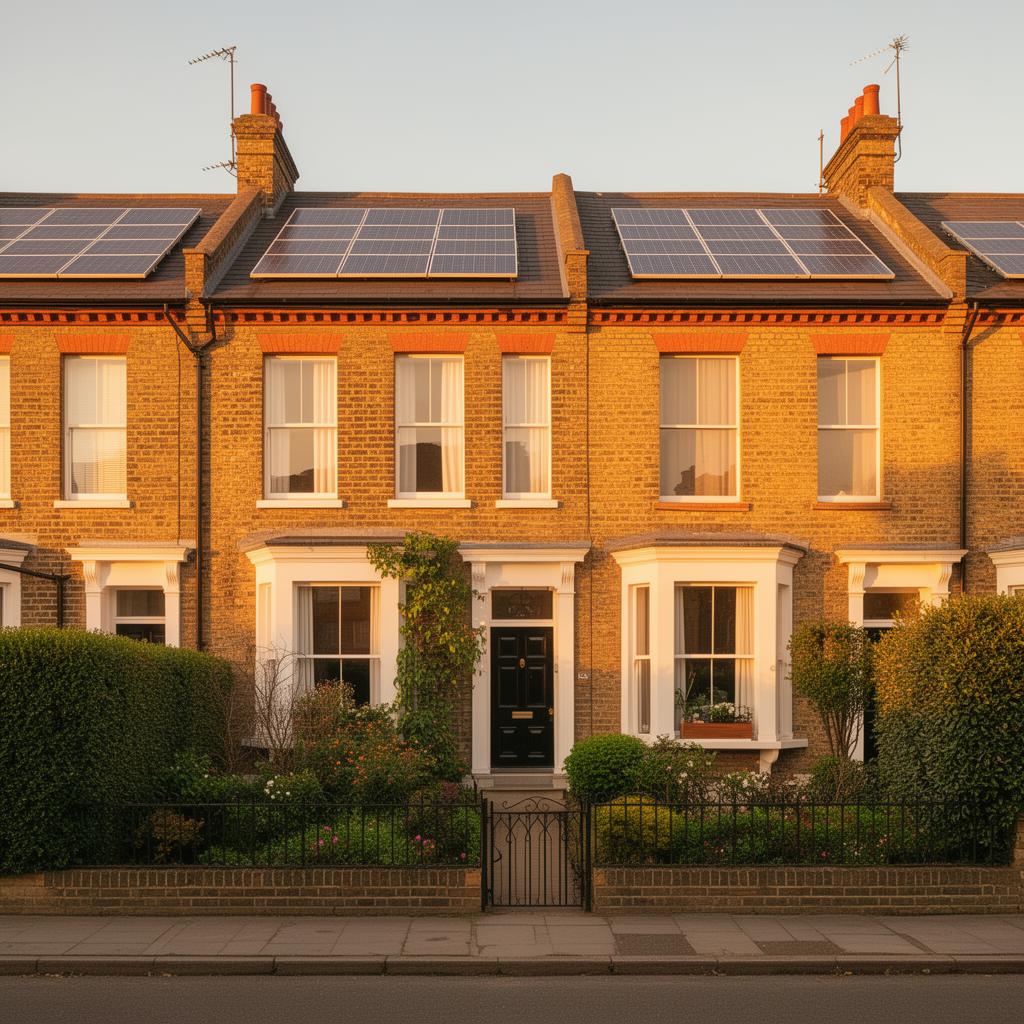
If you are planning a home extension in the UK, you need to comply with energy regulations that go far beyond what was required even a decade ago. Part L of the Building Regulations sets strict standards for insulation, glazing, heating and ventilation in new extensions, and getting it wrong can mean failed building control inspections, costly rework and a cold, draughty addition to your home.
What energy regulations apply to a home extension?
All home extensions in the UK must comply with Part L of the building regulations, which sets minimum standards for energy efficiency. For 2026, this means external walls must achieve a U-value of 0.26 W/m²K or better, floors 0.22 W/m²K, and roofs 0.16 W/m²K. Windows and doors must be at least double glazed with a U-value of 1.4 W/m²K or lower. If the extension adds more than 25% to the existing floor area, the whole house may need consequential improvements to its energy performance.
Extensions also need to demonstrate compliance with ventilation requirements (Part F) and, in many cases, provide an air permeability test. Getting these details right at the design stage avoids costly remedial work and building control delays. Working with a SAP assessor before you begin can highlight the most cost-effective combination of insulation, glazing and heating to meet the regulations within your budget.
This guide explains the home extension energy regulations UK homeowners need to understand, including the specific U-values your builder must achieve, the glazing area limits, when a SAP calculation is required, and what building control fees to budget for.
What Is Part L and Why Does It Apply to Extensions?
Part L of the Building Regulations covers the conservation of fuel and power in buildings. It applies to all new building work in England, including extensions, conversions and renovations. Scotland, Wales and Northern Ireland have their own equivalent standards, though the requirements are broadly similar.
The current version of Part L (sometimes called Part L 2021 or the 2021 edition) came into force in June 2022 and introduced significantly tighter standards than the previous 2013 edition. These changes were designed as a stepping stone towards the Future Homes Standard, expected to take effect from 2025.
For extensions, Part L sets minimum performance standards for:
- Walls, floors and roof insulation (measured as U-values)
- Windows and doors (also U-values)
- Total glazed area as a percentage of floor area
- Heating system efficiency
- Air tightness and ventilation
- Prevention of thermal bridging at junctions
U-Value Requirements for Home Extensions
U-values measure how quickly heat passes through a building element. The lower the number, the better the insulation. Part L sets maximum U-values that every element of your extension must meet or beat.
| Building Element | Maximum U-Value (W/m2K) | What This Means in Practice |
|---|---|---|
| External walls | 0.18 | Typically 100-120mm rigid insulation board or equivalent |
| Floor | 0.18 | 100-150mm insulation below or within the floor slab |
| Pitched roof (insulation at ceiling level) | 0.15 | 300mm+ mineral wool between and over joists |
| Flat roof | 0.18 | 120-150mm rigid insulation board |
| Windows | 1.4 | Double-glazed with low-E coating and argon fill minimum |
| Doors (glazed more than 60%) | 1.4 | Treated as windows |
| Doors (glazed less than 60%) | 1.4 | Insulated composite door typical |
| Roof windows and rooflights | 1.7 | Slightly more lenient due to installation constraints |
These figures represent the backstop values — the absolute minimum standard. In practice, your architect or designer may specify better performance to achieve compliance through the whole-extension calculation route, especially if the extension has a large amount of glazing.
Good insulation is not just about passing building control. A well-insulated extension costs less to heat, feels more comfortable, and avoids the condensation problems that plague poorly built additions.
The 25% Glazing Rule Explained
One of the most commonly misunderstood aspects of Part L for extensions is the glazing area limit. The total area of windows, doors and rooflights in your extension must not exceed 25% of the extension’s floor area, unless your designer can demonstrate compliance through a compensatory approach.
Here is how it works in practice:
- A 20 square metre extension can have up to 5 square metres of glazing (including window frames and glazed doors)
- A 30 square metre extension can have up to 7.5 square metres of glazing
- Bi-fold or sliding doors count towards this limit
- Rooflights count towards this limit
If you want more glazing than the 25% limit allows — for example, a large set of bi-fold doors opening onto the garden — your designer can compensate by specifying better-than-minimum insulation elsewhere, using triple-glazed windows, or improving other elements to offset the additional heat loss. This is done through a simplified energy calculation.
It is worth noting that high-performance double glazing or triple glazing with U-values of 1.0 or below gives your designer much more flexibility to include the glazing you want while still meeting regulations.
When Do You Need a SAP Calculation?
SAP (Standard Assessment Procedure) is the government’s methodology for assessing the energy performance of dwellings. Whether you need a full SAP calculation for your extension depends on the type and scale of work.
Extensions that do NOT typically need a SAP calculation
- Small to medium extensions that use the elemental method (meeting all U-value backstops and the 25% glazing limit)
- Extensions that do not include a new or replacement heating system
- Conservatories and porches that are thermally separated from the main dwelling (with a wall and door between them)
Extensions that typically DO need a SAP calculation
- Large extensions (over 25% of the existing floor area in some local authority areas)
- Extensions that exceed the 25% glazing limit and use the compensatory approach
- Extensions where a new heating system is being installed to serve the whole house
- Extensions where the existing heating system is being modified
A SAP calculation typically costs GBP 150 to GBP 350 and is carried out by an accredited energy assessor. Your architect or builder should advise whether one is needed, but it is worth budgeting for it regardless, as building control may request one.
Heating Your Extension: What the Regulations Require
Part L does not require you to install a separate heating system for an extension. In most cases, the existing central heating system can be extended with additional radiators or underfloor heating.
However, there are important requirements to be aware of:
- Heating controls: the extension must have independent temperature control, typically via a thermostatic radiator valve (TRV) on each radiator or a separate zone thermostat for underfloor heating
- Boiler replacement trigger: if your existing boiler is being replaced as part of the extension project, the replacement must be a high-efficiency condensing model (minimum 92% ErP efficiency) or a heat pump
- Consequential improvements: for extensions over a certain size, building control may require you to upgrade elements of the existing house too, such as topping up loft insulation or replacing an inefficient boiler
If you are extending and your boiler is nearing the end of its life, this can be an excellent opportunity to switch to a heat pump while the builders are already on site.
Ventilation and Air Tightness Standards
Modern extensions are built to much tighter air tightness standards than older construction. While this is excellent for energy efficiency, it also means ventilation must be designed rather than left to chance.
Part F of the Building Regulations (ventilation) works alongside Part L and requires:
- Background ventilation: trickle vents in all new windows, sized to provide adequate background airflow
- Extract ventilation: mechanical extract fans in any new kitchen, bathroom or utility room within the extension, meeting minimum extract rates
- Purge ventilation: at least one opening window in each habitable room, capable of rapid ventilation
For larger extensions or where the whole house is being made significantly more airtight, a mechanical ventilation with heat recovery (MVHR) system may be worth considering. These recover up to 90% of the heat from outgoing stale air and use it to warm incoming fresh air, significantly reducing ventilation heat losses.
Building Control Fees and the Inspection Process
All extensions require building regulations approval, either through your local authority building control (LABC) or an approved inspector. Fees vary by council area and project size, but here is a typical range.
| Extension Size | Typical LABC Fee (Plan Check + Inspections) |
|---|---|
| Single storey up to 10 sq m | GBP 350 – GBP 550 |
| Single storey 10-40 sq m | GBP 500 – GBP 800 |
| Single storey 40-80 sq m | GBP 700 – GBP 1,100 |
| Two storey up to 40 sq m | GBP 600 – GBP 900 |
| Two storey 40-80 sq m | GBP 800 – GBP 1,200 |
Building control will inspect at key stages including foundations, damp-proof course, insulation installation (before plasterboard goes up), and final completion. The insulation inspection is critical — if building control cannot see the insulation because it has already been covered, they may require it to be exposed for checking.
Top tip: take date-stamped photographs of all insulation before it is covered. This provides evidence if any queries arise later.
Conservatories and the Thermal Separation Exemption
Conservatories and porches can be exempt from Part L requirements if they are thermally separated from the main dwelling. This means maintaining a physical wall and external-grade door between the conservatory and the house.
However, the moment you remove the separating wall or door to create an open-plan space, the conservatory is treated as a conventional extension and must comply with all Part L requirements — including the U-values for walls, roof and glazing listed above.
If you have an existing conservatory that is too cold in winter and too hot in summer, a replacement conservatory roof with solid, insulated panels can transform it into a usable year-round room while helping meet Part L requirements.
Frequently Asked Questions About Extension Energy Regulations
Do I need to upgrade the existing house when building an extension?
In some cases, yes. Building control can require “consequential improvements” to the existing dwelling as a condition of approving the extension. Common requirements include topping up loft insulation to current standards, adding cavity wall insulation where feasible, and replacing an inefficient boiler. The extent of these requirements varies by local authority and the size of the extension relative to the existing house.
Can I have bi-fold doors and still meet the 25% glazing rule?
Yes, but you may need to compensate elsewhere. A 4-metre-wide set of bi-fold doors has approximately 7 to 8 square metres of glazed area. For a 30 square metre extension, that alone uses up most of the 25% allowance (7.5 square metres). Your designer can compensate by improving wall or roof insulation beyond the minimum standard, or by specifying higher-performance glazing with lower U-values.
What happens if my extension fails the building control inspection?
If insulation or other energy measures do not meet the required standards, building control will issue a notice requiring remedial work before they will sign off the project. This can be costly and disruptive if, for example, plasterboard needs to be removed to add more insulation. The best approach is to agree specifications with building control before work starts and get insulation inspected before it is covered.
Are the energy regulations different in Scotland and Wales?
Scotland uses Section 6 of its Building Standards, and Wales uses its own version of Approved Document L. The U-value requirements are broadly similar but there are differences in detail, particularly around ventilation and overheating. Always check the specific regulations for your nation, and ensure your architect or builder is familiar with local requirements. Get in touch for advice specific to your project location.
Do I need an EPC for my extension?
An extension to an existing dwelling does not require a standalone EPC. However, if you sell the property after the work is completed, the EPC for the whole house should reflect the improved energy performance of the extension. If the extension also triggers a boiler upgrade or other whole-house improvements, the overall EPC rating should improve significantly.
See what these numbers mean for your home
Free instant estimate — costs, savings, payback and grants for your region.

Related Articles
7 Quick Wins to Cut Your Energy Bills This Summer
Summer might seem like the wrong time to think about energy bills, but it is actually when the smartest homeowners make changes. Lower heating demand means more of your spending…
22 May 2026
The Best Time of Year to Replace Your Boiler (and How to Get the Best Price)
Find out why summer is the best time to replace your boiler in the UK, how to negotiate better prices and what to check before committing to an installation.
9 May 2026
Electric Heating Options Explained: Panel Heaters, Storage Heaters and Infrared
Compare electric heating options for UK homes including modern storage heaters, ceramic panel heaters and infrared panels with running cost breakdowns.
7 May 2026