What Happens During an Annual Boiler Service and Why It Matters
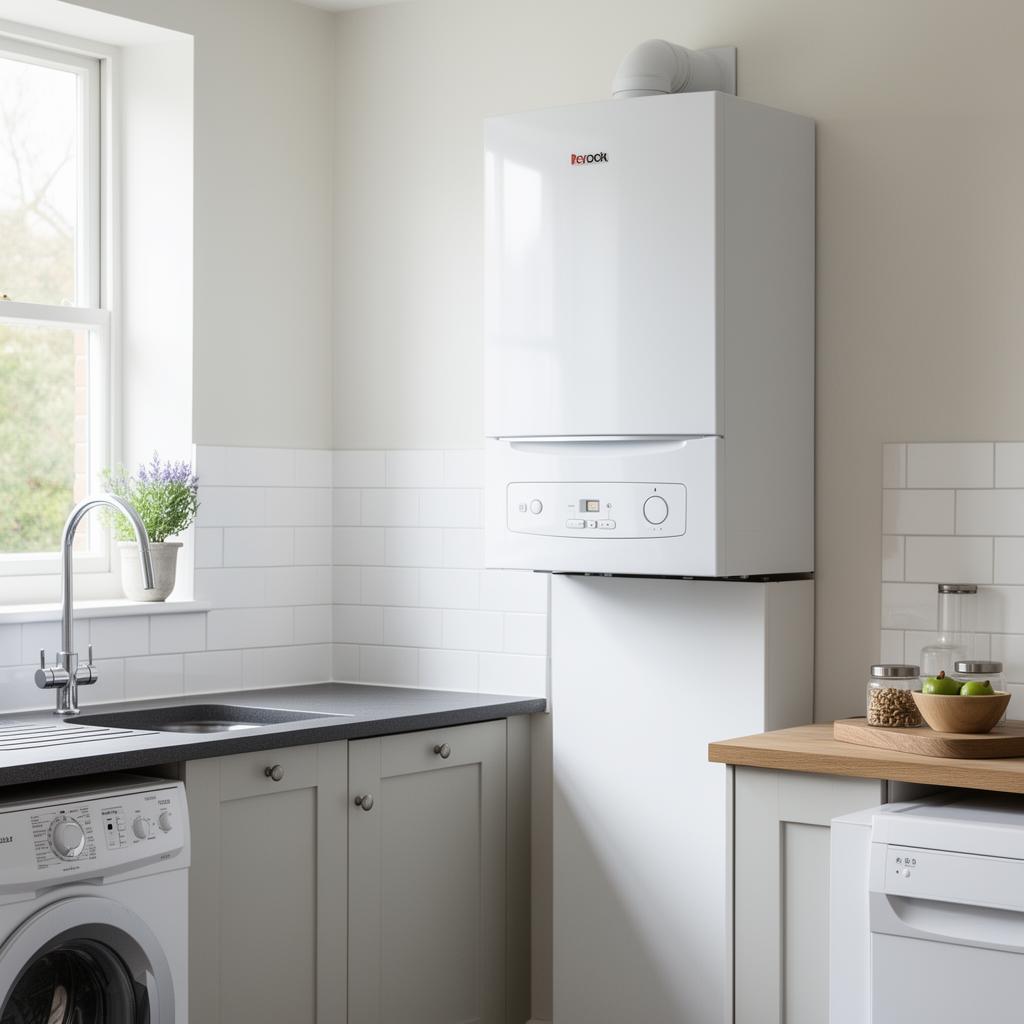
An annual boiler service is one of those household tasks that many homeowners put off, yet it is one of the most important things you can do for your heating system. A properly serviced boiler runs more efficiently, lasts longer, and — most critically — is far less likely to develop a dangerous carbon monoxide leak. If you have never had your boiler serviced, or you are unsure what the engineer actually checks during an annual boiler service in the UK, this guide walks you through the entire process step by step.
What happens during an annual boiler service?
- The Gas Safe engineer visually inspects the boiler casing, flue and pipework for signs of damage, corrosion or leaks.
- They remove the boiler casing and inspect internal components including the heat exchanger, burner and ignition leads.
- A combustion analysis is carried out using a flue gas analyser to check the boiler is burning gas safely and efficiently.
- The gas rate is measured to confirm the boiler is receiving the correct gas pressure.
- The engineer checks the system pressure, expansion vessel and pressure relief valve.
- If fitted, the magnetic filter is cleaned and any sludge is flushed out.
- The engineer issues a service record, noting any faults found and whether the boiler passed its safety checks.
An annual boiler service costs between £70 and £100 and takes around 30–60 minutes. It is required to maintain most manufacturer warranties, and landlords are legally obligated to have gas appliances serviced annually under the Gas Safety (Installation and Use) Regulations. Regular servicing can extend your boiler’s lifespan by several years, maintain peak efficiency and catch small issues before they become expensive breakdowns.
Why an Annual Boiler Service Matters
There are four compelling reasons to service your boiler every year without exception:
- Safety. Gas boilers produce carbon monoxide as a byproduct of combustion. A well-maintained boiler vents this safely through the flue. A faulty one can leak CO into your home. Carbon monoxide poisoning kills around 30 people in the UK each year and hospitalises hundreds more.
- Efficiency. A boiler that has not been serviced loses efficiency gradually. Dirty burners, scaled heat exchangers, and incorrect gas pressure all reduce the amount of useful heat extracted from each unit of gas. Even a 2-3% drop in efficiency costs you GBP 30-50 per year in wasted gas.
- Warranty protection. Almost every boiler manufacturer requires an annual service by a Gas Safe registered engineer to keep the warranty valid. Skip a year, and you could void your 5-10 year warranty entirely — potentially exposing yourself to repair bills of GBP 500+ that would otherwise be covered.
- Reliability. Most boiler breakdowns happen in the coldest months when the system is working hardest. A service catches developing problems before they become full failures, reducing your risk of being left without heating in January.
Who Can Service Your Boiler?
In the UK, only a Gas Safe registered engineer can legally work on a gas boiler. The Gas Safe Register replaced the old CORGI scheme in 2009 and is the official register of gas engineers who are qualified to work safely and legally on gas appliances.
You can check whether an engineer is registered by visiting the Gas Safe Register website or calling their helpline. Every registered engineer carries an ID card with a licence number, a photo, and a list of the appliance types they are qualified to work on. Ask to see it before they start work.
For oil boilers, the equivalent is an OFTEC (Oil Firing Technical Association) registered engineer. For LPG boilers, the engineer must hold the appropriate Gas Safe LPG qualification.
Step-by-Step: What Happens During an Annual Boiler Service
A standard boiler service takes between 30 and 60 minutes, depending on the boiler type and whether any issues are found. Here is what a competent engineer will do:
Visual inspection
The engineer begins with an external check of the boiler and its surroundings. They will look for:
- Signs of leaks, corrosion, or damage to the casing
- Correct ventilation around the boiler
- The condition of the flue and its terminals
- The condensate pipe routing and condition
- Adequate clearance for maintenance access
Internal component checks
The engineer will remove the boiler casing to access the internal components. They will inspect:
- The main heat exchanger for cracks, scaling, or corrosion
- The burner for wear, blockages, or deposits
- All electrical connections for signs of overheating or damage
- The fan and its operation
- The spark electrode or ignition system
- The condensate trap (on condensing boilers)
- Seals and gaskets
Flue gas analysis
This is one of the most important parts of the service. Using a flue gas analyser (FGA), the engineer measures the composition of the exhaust gases while the boiler is firing. They are checking:
- CO/CO2 ratio — to ensure combustion is clean and complete
- Flue gas temperature — to confirm the heat exchanger is working efficiently
- Oxygen levels — to verify the correct air-to-gas ratio
The FGA readings are recorded and should be provided to you on the service report. If the CO reading is elevated, the engineer must investigate and resolve the cause before leaving the boiler in service.
Gas pressure and rate checks
The engineer tests the gas supply pressure and the burner pressure to ensure they are within the manufacturer’s specified range. Incorrect gas pressure can cause incomplete combustion (too low) or excessive wear on components (too high). They will also check the gas rate — the volume of gas the boiler consumes — to confirm it matches the rated input.
Safety device testing
Every boiler has multiple safety devices that must function correctly:
- The overheat thermostat (cuts the boiler off if temperatures exceed safe limits)
- The pressure relief valve (releases water if system pressure is too high)
- The flame supervision device (shuts off gas if the flame goes out)
- The air pressure switch (ensures the fan is running before gas flows)
The engineer will test these devices to confirm they operate as designed. A faulty safety device is a serious issue that must be rectified before the boiler can continue in service.
System checks
A thorough service extends beyond the boiler itself. The engineer should also check:
- System pressure on the gauge (should be 1-1.5 bar when cold)
- The expansion vessel charge
- Radiator temperatures and flow distribution
- The thermostat and controls are functioning
- The condensate drain is clear and flowing
What You Should Receive After the Service
A professional engineer should provide you with a written or digital service report that includes:
- Date of service and engineer’s Gas Safe registration number
- Boiler make, model, and serial number
- Flue gas analysis readings
- Gas pressure readings
- Any defects found and actions taken
- Recommendations for repairs or upgrades
- Confirmation of safe operation
Keep this report with your boiler documentation. It serves as proof of annual servicing for warranty claims and is useful evidence for homebuyers if you sell your property.
How Much Does an Annual Boiler Service Cost in 2026?
The cost of a standalone annual boiler service varies by region and provider:
| Provider Type | Typical Cost | Includes |
|---|---|---|
| Independent Gas Safe engineer | GBP 60-100 | Service only |
| National provider (British Gas, etc.) | GBP 90-120 | Service only |
| Boiler cover plan (annual) | GBP 150-350/year | Service + breakdown cover |
| Landlord gas safety check + service | GBP 60-90 | CP12 certificate + basic service |
An independent local engineer typically offers the best value. You can find Gas Safe registered engineers in your area through the official Gas Safe Register website, or by asking for recommendations from neighbours and local community groups.
When to Schedule Your Annual Boiler Service
The best time to have your boiler serviced is during the summer months (May to September). Engineers are less busy, so appointments are easier to book and sometimes cheaper. Any issues found can be resolved before the heating season starts, avoiding the misery of a breakdown in December.
If you have recently had a new boiler installed, your first service should be within 12 months of installation to maintain the warranty. Set a calendar reminder or sign up for a service reminder from your installer.
Combining a Service with Other Energy Improvements
An annual service visit is a good opportunity to discuss broader energy efficiency improvements with your engineer. They can advise on:
- Whether a heat pump might suit your property
- The benefits of fitting a magnetic system filter if you do not already have one
- Whether your insulation levels are adequate
- Whether your controls could be upgraded to a smart thermostat
- Whether power flushing the system would improve performance
These conversations can lead to meaningful improvements in your home’s comfort and efficiency. If you would like a comprehensive assessment of your heating options, you can request a free quote for a range of energy upgrades.
Frequently Asked Questions
Is a boiler service a legal requirement for homeowners?
No. There is no legal requirement for homeowners to service their own boiler. However, landlords are legally required to have a gas safety check carried out annually on every gas appliance in a rental property, including the boiler, and to provide tenants with a copy of the CP12 gas safety certificate. For homeowners, servicing is strongly recommended for safety, efficiency, and warranty purposes — but it is not compulsory.
What happens if I skip a boiler service?
If you skip a service, the immediate risk is low — your boiler will not stop working. However, you will void most manufacturer warranties, which typically require unbroken annual servicing by a Gas Safe engineer. You also increase the risk of an undetected fault developing into a costly breakdown or a safety issue. The cost of one service (GBP 60-100) is far less than the average emergency boiler repair (GBP 250-500).
Is a boiler service the same as a gas safety check?
Not exactly. A gas safety check (required for landlords) is a more limited inspection focused on ensuring the appliance is safe to use. It checks for gas leaks, flue integrity, and correct operation of safety devices. A full boiler service includes all of these checks plus a thorough inspection of internal components, cleaning, efficiency testing, and performance optimisation. Many engineers offer a combined service and gas safety check at a slight premium.
Can I service my own boiler?
No. It is illegal to carry out any gas work in the UK unless you are a Gas Safe registered engineer. This includes servicing, repairs, and installation. The law exists because working on gas appliances without proper training and equipment creates a risk of gas leaks, explosions, and carbon monoxide poisoning. Always use a qualified professional.
See what these numbers mean for your home
Free instant estimate — costs, savings, payback and grants for your region.

Related Articles
7 Quick Wins to Cut Your Energy Bills This Summer
Summer might seem like the wrong time to think about energy bills, but it is actually when the smartest homeowners make changes. Lower heating demand means more of your spending…
22 May 2026
The Best Time of Year to Replace Your Boiler (and How to Get the Best Price)
Find out why summer is the best time to replace your boiler in the UK, how to negotiate better prices and what to check before committing to an installation.
9 May 2026
Electric Heating Options Explained: Panel Heaters, Storage Heaters and Infrared
Compare electric heating options for UK homes including modern storage heaters, ceramic panel heaters and infrared panels with running cost breakdowns.
7 May 2026