Prepayment Meter Rights: Protections Against Forced Installation and Self-Disconnection
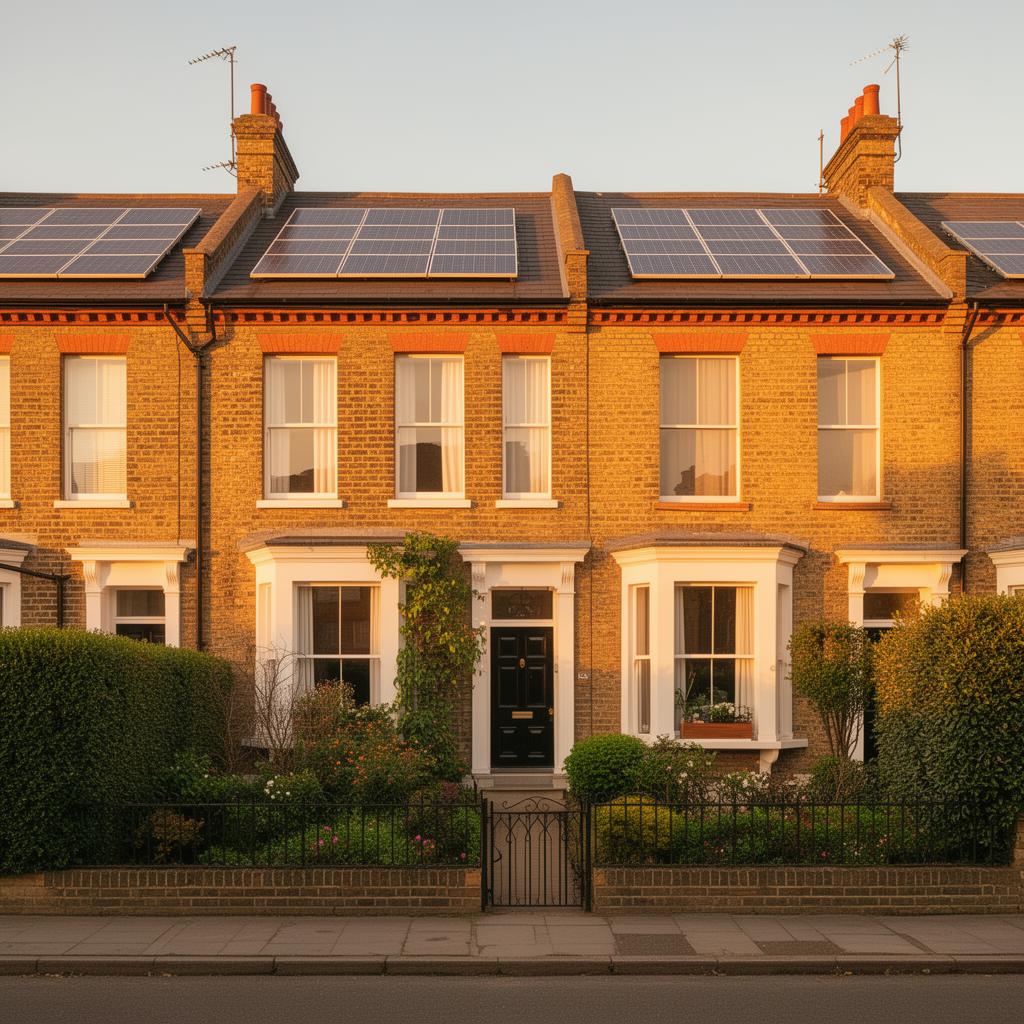
Prepayment meter rights UK customers need to know have been significantly strengthened following the 2022-2023 scandal in which energy suppliers, including British Gas, were found to be forcibly installing prepayment meters in the homes of vulnerable people. Approximately 4.3 million UK households are on prepayment meters, and many of the most vulnerable energy consumers rely on them. This guide explains your rights, the protections against forced installation, what to do if you cannot afford to top up, and how to switch to a cheaper payment method.
What Are Your Rights with a Prepayment Meter?
Prepayment meter customers in the UK have legal protections against forced installation and self-disconnection. Since November 2023, Ofgem rules require energy suppliers to follow strict protocols before installing a prepayment meter involuntarily, and vulnerable households are now exempt from forced switching altogether.
- Vulnerability exemption — suppliers cannot force a prepayment meter on households with people over 75, under 2, or with serious health conditions
- Mandatory welfare checks — suppliers must visit your home and assess your circumstances before any forced installation
- Right to switch back — you can request a credit meter at no charge if your debt is cleared or a repayment plan is agreed
- Emergency credit — all smart prepayment meters must offer emergency credit, typically £5–£10
- Friendly hours protection — your supply cannot be cut off between October and March if you are on the Priority Services Register
- Warm Home Discount — prepayment customers may receive the £150 rebate as a voucher rather than bill credit
If your supplier has installed a prepayment meter without following the correct process, you can complain directly to your supplier and escalate to the Energy Ombudsman after eight weeks. Ofgem has fined several suppliers for breaching the code of practice, and compensation may be available.
What Is a Prepayment Meter and Who Has One?
A prepayment meter requires you to pay for your gas or electricity before you use it, rather than receiving a bill afterwards. You top up credit using a key, card or smart meter app. When your credit runs out, your supply stops. This is called self-disconnection.
Prepayment meters are disproportionately concentrated among the most financially vulnerable households:
- 4.3 million households in Great Britain use prepayment meters for electricity, gas or both
- 47% of prepayment customers are in the lowest income quintile
- 23% of prepayment customers have a disability or long-term health condition
- 18% are single-parent households
- Prepayment meters are most common in social housing, rented accommodation and areas of high deprivation
Many households were placed on prepayment meters involuntarily after falling into debt with their energy supplier. Others inherited a prepayment meter when they moved into a property. Some actively choose prepayment as a budgeting tool. Whatever the reason, you have important rights.
Protections Against Forced Prepayment Meter Installation
Before 2023, energy suppliers could apply to a magistrates’ court for a warrant of entry to install a prepayment meter in any customer’s home if they owed a debt. This power was widely abused. Investigations by The Times and Citizens Advice revealed cases of prepayment meters being forced into homes with elderly, disabled and seriously ill occupants, sometimes with aggressive debt enforcement agents.
Following a temporary moratorium on forced installations, Ofgem introduced permanent protections that suppliers must follow:
Mandatory vulnerability assessment: Before applying for a warrant, the supplier must carry out a thorough assessment to determine whether anyone in the household is vulnerable. This must include checking the Priority Services Register, reviewing account notes for vulnerability indicators, and making reasonable attempts to contact the customer by multiple channels.
Protected groups: Suppliers must not force-fit a prepayment meter in households where:
- Anyone is aged over 75
- A child under 5 lives in the property
- A resident depends on mains-powered medical equipment (such as oxygen concentrators or dialysis machines)
- A resident has a severe mental health condition or severe disability that would make operating a prepayment meter impossible
- The household is in crisis circumstances (recent bereavement, domestic abuse, serious illness)
Alternative payment arrangements: Before pursuing forced installation, the supplier must offer a range of payment options including affordable repayment plans, Fuel Direct (automatic deductions from benefits), payment matching schemes, and referrals to debt advice services.
Smart meter remote switching: For customers with smart meters, suppliers can remotely switch the meter to prepayment mode. The same protections apply. The supplier must carry out a vulnerability assessment and comply with all rules before remote switching. If switched without proper checks, you can demand to be switched back.
Your Rights If You Cannot Afford to Top Up
Self-disconnection occurs when a prepayment meter runs out of credit and your gas or electricity supply stops. An estimated 3.2 million prepayment customers self-disconnected at least once during 2024, with many doing so repeatedly. If you cannot afford to top up, you have options:
Emergency credit: All prepayment meters provide emergency credit, typically £5 to £10, that activates when your main credit runs out. On smart meters, you can usually activate emergency credit through the in-home display or your supplier’s app. On traditional key and card meters, emergency credit activates automatically.
Friendly credit: Most suppliers provide additional credit overnight and at weekends when top-up shops are closed. This is called friendly credit. It prevents your supply from being cut off during hours when you cannot top up. Typically, friendly credit covers from 6pm to 8am on weekdays and all day on weekends and bank holidays.
Supplier support: Contact your supplier if you are struggling. They must offer support, which may include:
- Additional emergency credit beyond the standard amount
- A discretionary credit payment to keep your supply running while you arrange longer-term support
- A reduction or suspension of debt repayments being deducted from your top-ups
- Referral to their hardship fund or charitable trust
- Help applying for the Warm Home Discount or other financial support
Fuel Direct: If you receive Universal Credit, Income Support, income-based Jobseeker’s Allowance or Pension Credit, you can ask for energy payments to be deducted directly from your benefits and paid to your supplier. This is called Fuel Direct (or Third Party Deductions). The minimum deduction is 5% of your standard allowance.
Prepayment Meter Pricing: Are You Paying More?
Historically, prepayment customers paid higher unit rates than direct debit customers. Since July 2023, Ofgem has equalised the price cap so that prepayment and direct debit customers pay the same maximum rates.
However, prepayment customers still face hidden costs:
- Standing charges continue while you are disconnected. If your credit runs out and you do not top up for a week, you accumulate standing charge debt that is deducted from your next top-up before you receive any energy
- Debt recovery deductions. If you owe your supplier money, a portion of every top-up (typically £1 to £2 per week) goes towards repaying the debt rather than buying energy
- No access to the cheapest tariffs. Many of the most competitive fixed-rate and time-of-use tariffs are only available to direct debit customers
- Rounding disadvantages. Traditional key and card meters can only accept whole pound top-ups, leading to small rounding losses over time
The long-term solution is to reduce your energy consumption through home improvements like insulation and efficient heating, and to switch away from prepayment if possible. Both of these reduce the amount you need to spend on energy each week.
How to Switch Away from a Prepayment Meter
You have the right to request a switch from prepayment to credit metering (where you pay by direct debit or quarterly bill). Your supplier must agree if:
- You have no outstanding debt, or you have a manageable repayment plan in place
- You pass a credit check (suppliers may require this for direct debit or quarterly billing)
- The switch is technically feasible (for smart meters, this can be done remotely in minutes)
If you have a smart prepayment meter, switching to credit mode can be done remotely by your supplier without an engineer visit. This should be completed within one working day of your request being approved.
If you have a traditional prepayment meter (key or card), switching requires an engineer visit to replace or reconfigure the meter. Your supplier should arrange this within a reasonable timeframe, typically within four weeks. There should be no charge for the switch.
Once on direct debit, you may have access to cheaper tariffs and can shop around between suppliers. Switching from prepayment to direct debit and then to a competitive fixed-rate tariff could save £50 to £200 per year.
What to Do If Your Rights Are Breached
If your energy supplier has breached your prepayment meter rights, take these steps:
- Complain to your supplier in writing, stating clearly what happened and referencing the Ofgem rules they have breached
- Contact Citizens Advice on 0808 223 1133 for free, confidential advice and support
- Report to Ofgem: If the supplier’s behaviour was serious (such as forced installation without proper vulnerability checks), report it to Ofgem through their website. Ofgem uses these reports to take enforcement action against non-compliant suppliers
- Escalate to the Energy Ombudsman if your complaint is not resolved within eight weeks. The Ombudsman can award compensation and require the supplier to switch you back to credit metering
Suppliers who breach the forced installation rules face significant penalties. Ofgem fined British Gas £9.5 million in 2023 and has taken enforcement action against several other suppliers since.
Reducing Your Energy Costs on a Prepayment Meter
While on prepayment, these steps can help reduce how much you need to top up:
- Apply for the Warm Home Discount: The £150 annual rebate is credited directly to your meter
- Check grant eligibility: Free insulation and heating improvements through ECO4 or the Warm Homes Plan can permanently reduce your energy use. Request a free quote to check your eligibility
- Simple efficiency measures: Draught proofing, reflective radiator panels, using a slow cooker instead of an oven, and washing at 30 degrees can each save small but meaningful amounts
- Claim all benefits you are entitled to: Use an online benefits calculator to check. Unclaimed Pension Credit alone could be worth £3,900 per year on average
- Consider a solar panel system if you own your home. Solar generation reduces grid electricity purchases, meaning fewer and smaller top-ups needed during daylight hours
Frequently Asked Questions About Prepayment Meter Rights
Can my landlord put me on a prepayment meter?
If you are the named account holder with the energy supplier, your landlord cannot force you onto a prepayment meter. However, if you move into a property that already has a prepayment meter installed, you inherit it. You can then request a switch to credit metering from your chosen supplier, provided you pass any credit checks they require. If your landlord holds the energy account (common in some HMO arrangements), the meter choice is their decision, but they must ensure affordable access to energy.
What happens to my debt if I switch from prepayment to direct debit?
Any outstanding debt remains and must be repaid, but the repayment terms may change. When switching to direct debit, the supplier will typically incorporate the debt repayment into your monthly direct debit amount at an affordable rate. They cannot refuse to switch you solely because you have a debt if you are willing to enter a repayment agreement. If you cannot agree on terms, seek advice from Citizens Advice or StepChange Debt Charity.
Is self-disconnection counted as being “off supply”?
Yes. Self-disconnection is a supply interruption, and Ofgem takes it seriously. Suppliers are required to monitor prepayment customers for signs of self-disconnection (such as not topping up for an extended period) and to reach out with support. If your supplier knows or should know that you are regularly self-disconnecting and takes no action to help, this may be a breach of their licence conditions.
Can I get a smart meter if I am on prepayment?
Yes. Smart meters can operate in prepayment mode and offer advantages over traditional key and card meters: you can top up via an app or online instead of visiting a shop, you can see your balance in real time, and your supplier can add emergency credit remotely. If you have a traditional prepayment meter, ask your supplier about upgrading to a smart meter. The upgrade is free and can usually be arranged within a few weeks.
What if my prepayment meter is faulty and I am being overcharged?
If you believe your meter is faulty, contact your supplier and request a meter test. If the test confirms a fault, your supplier must replace the meter and recalculate your charges. You are entitled to a refund for any overcharges caused by the faulty meter. If the test shows the meter is accurate but you still believe your charges are too high, check your tariff rates against the Ofgem price cap and compare with other available deals. Reducing your energy consumption through home insulation and double glazing is the most effective way to permanently lower your top-up costs.
See what these numbers mean for your home
Free instant estimate — costs, savings, payback and grants for your region.

Related Articles

What the 2026 Future Homes Standard Means for Existing Homeowners
The Future Homes Standard is the biggest change to building regulations in England in a generation. It is designed to ensure new homes produce dramatically fewer carbon emissions. But if…
3 May 2026
Fuel Poverty in the UK: Definition, Statistics and What Help Is Available
Fuel poverty UK affects 9 million households. Learn the LILEE definition, who is most at risk, the funding gap, and every support scheme available to help you heat your home.
11 April 2026 Social Housing Decarbonisation Fund: What Tenants Need to Know
The social housing decarbonisation fund has delivered 136,900 measures to UK homes. Learn what improvements tenants can expect, their rights during works and what comes next.
10 April 2026