Green Mortgages 2026: How Energy Efficiency Can Cut Your Interest Rate
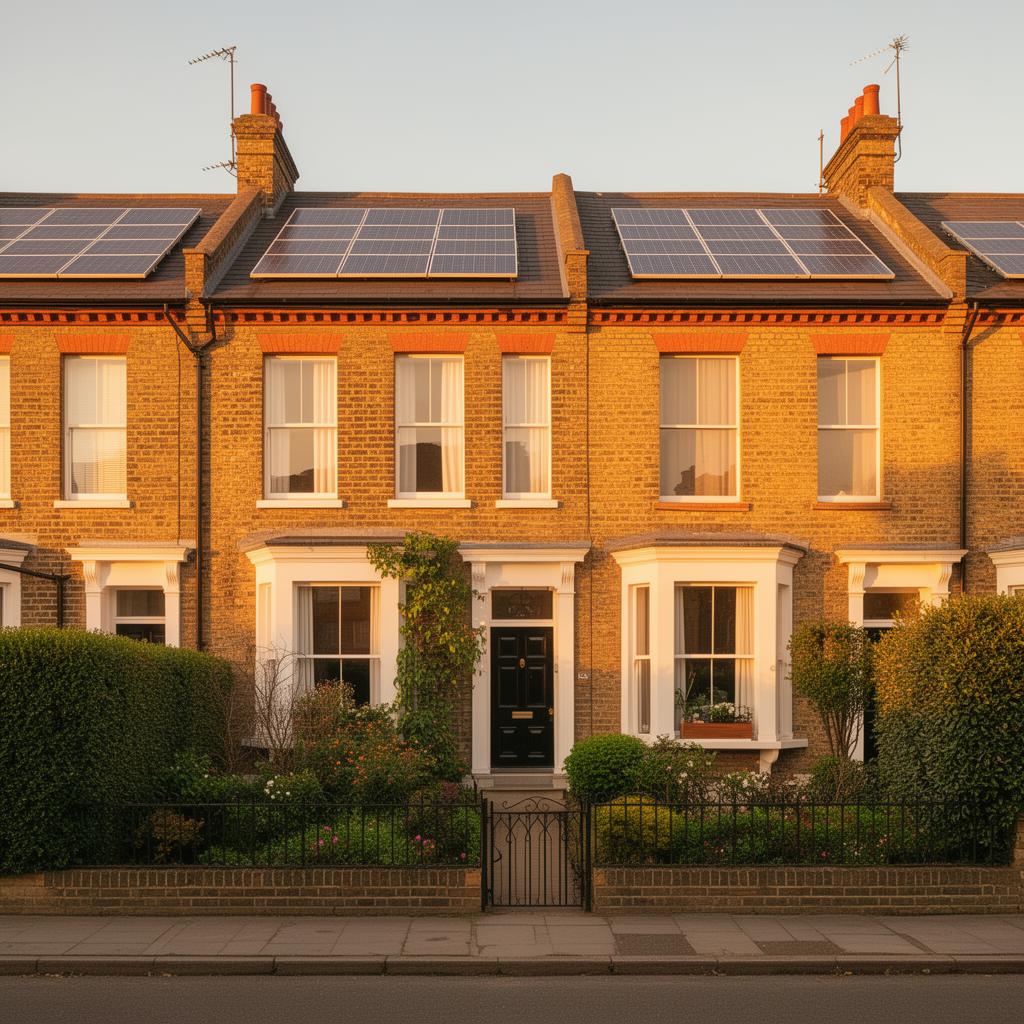
A green mortgage UK 2026 product can save you thousands of pounds over the life of your home loan while helping to fund energy efficiency improvements. With over 90 green mortgage products now available from major UK lenders, homeowners with energy-efficient properties or those willing to invest in upgrades have access to preferential interest rates, cashback incentives and additional borrowing at 0% interest for retrofit work. This guide reviews the best options and explains how to qualify.
What Is a Green Mortgage?
A green mortgage is a home loan product that offers financial benefits to borrowers whose properties meet certain energy efficiency standards or who commit to making energy efficiency improvements. The benefits typically include one or more of the following:
- Lower interest rates: Reduced rates compared to standard mortgage products, typically 0.05% to 0.20% lower
- Cashback on completion: A lump sum payment when the mortgage completes, often £500 to £2,000
- Additional borrowing at 0% interest: Extra funds specifically for energy efficiency improvements, often up to £15,000 to £25,000 at 0% interest
- Higher loan-to-value ratios: Some lenders offer up to 95% LTV on green mortgages where they would normally cap at 90%
- Reduced fees: Lower arrangement fees or fee-free products
The logic for lenders is sound. Energy-efficient homes have lower running costs, making mortgage payments more affordable for borrowers. They also tend to hold their value better and sell faster, reducing the lender’s risk. Research by the University of Cambridge found that homes with an EPC rating of A or B sell for a premium of 3% to 5% compared to similar homes rated D or below.
Green Mortgage Products from Major UK Lenders in 2026
The green mortgage market has expanded rapidly. Here are the key offerings from the UK’s largest lenders:
Barclays Green Home Mortgage
Barclays offers a rate reduction on selected fixed-rate mortgages for properties with an EPC rating of A or B. The discount is typically 0.10% to 0.15% off the equivalent standard product. Barclays also offers a Green Home Cashback of up to £2,000 for eligible purchases. The products are available for purchases and remortgages, with LTV options up to 90%.
NatWest Green Mortgage
NatWest provides lower rates for homes with EPC ratings of A or B, and also offers a separate Green Additional Borrowing product allowing existing customers to borrow up to £25,000 for energy efficiency improvements. The additional borrowing is added to the existing mortgage at a competitive rate, though not at 0%. NatWest’s green mortgage products are available for purchases, remortgages and product transfers.
Nationwide Green Reward Mortgage
Nationwide offers a £500 cashback on completion for first-time buyers and home movers purchasing properties with an EPC rating of A or B. They also provide additional borrowing of up to £15,000 for energy efficiency improvements, available at a reduced interest rate. Nationwide requires the improvements to be completed within 12 months and evidence submitted in the form of receipts and an updated EPC.
Halifax Green Living Reward
Halifax, part of the Lloyds Banking Group, offers a cashback reward for customers who improve their property’s EPC rating. If you move up by at least one EPC band within the first two years of your mortgage, Halifax pays a cashback of £1,000. This is particularly useful for buyers of older properties who plan to invest in improvements such as insulation, double glazing or a new boiler.
Ecology Building Society
As a specialist ethical lender, Ecology offers discounted mortgage rates that improve as your property becomes more energy efficient. The rate discount increases with higher EPC ratings, with the best rates reserved for homes achieving EPC A. Ecology also lends on properties that mainstream lenders often reject, including non-standard construction, eco-builds and homes requiring significant renovation.
| Lender | EPC Requirement | Key Benefit | Additional Borrowing for Improvements |
|---|---|---|---|
| Barclays | A or B | Rate discount 0.10-0.15% | No specific green product |
| NatWest | A or B | Rate discount | Up to £25,000 |
| Nationwide | A or B | £500 cashback | Up to £15,000 at reduced rate |
| Halifax | Improve by 1 band | £1,000 cashback | No specific green product |
| Ecology BS | Tiered discounts | Progressive rate reductions | Included in mortgage |
| Skipton BS | A or B | £1,000 cashback | No specific green product |
| Virgin Money | A or B | Fee-free mortgage options | No specific green product |
How EPC Ratings Unlock Green Mortgage Benefits
Most green mortgage products require your property to have an EPC rating of A or B. As of 2026, approximately 20% of UK homes have a rating of B or above, while less than 2% achieve an A rating. This means the majority of homeowners need to improve their property’s energy efficiency to qualify.
Common improvements that can lift an EPC rating include:
- Loft insulation (0mm to 300mm): Can improve EPC by 5 to 15 points
- Cavity wall insulation: Typically adds 10 to 20 EPC points
- Solar panels (4kW system): Adds 10 to 15 EPC points
- Replacing single glazing with double glazing: Adds 5 to 10 EPC points
- Upgrading from an old boiler to a condensing boiler: Adds 10 to 20 EPC points
- Installing a heat pump: Can add 15 to 30 EPC points
- Adding heating controls (room thermostat, TRVs, programmer): Adds 5 to 10 EPC points
A typical 1970s three-bedroom semi-detached house rated E (score around 40) could reach a B rating (score 81+) by combining cavity wall insulation, loft insulation top-up, a new condensing boiler with smart controls, and double glazing. The combined cost of these improvements might be £8,000 to £15,000 before grants, but could save £800 to £1,200 per year in energy bills while unlocking green mortgage benefits worth thousands more.
Combining Green Mortgages with Government Grants
One of the smartest strategies is to stack green mortgage benefits with government grants to minimise the cost of energy efficiency improvements:
- Boiler Upgrade Scheme (BUS): Provides up to £7,500 towards a heat pump, which also improves your EPC rating and qualifies you for green mortgage products
- Warm Homes Plan: Grants of up to £15,000 for owner-occupiers on qualifying benefits, covering insulation, heating and ventilation
- 0% VAT on energy efficiency products: All qualifying measures including heat pumps, solar panels, insulation and battery storage are zero-rated for VAT until March 2027
- Great British Insulation Scheme: Free or subsidised insulation for homes in council tax bands A to D
- Smart Export Guarantee: Ongoing income from solar panel electricity exports, improving the financial case for solar installation
For example, a homeowner could receive a £7,500 BUS grant for a heat pump, save a further £1,000 through 0% VAT, borrow £10,000 at a reduced rate through a green mortgage for additional insulation and glazing work, and then benefit from a lower mortgage rate on their next remortgage once the property reaches EPC B. The total benefit could easily exceed £15,000 to £20,000 over the mortgage term.
To check what grants you qualify for and how they can work alongside mortgage products, request a free quote.
The Financial Case for Energy Efficiency and Your Mortgage
Beyond the direct mortgage benefits, energy efficiency improvements affect your finances in several ways:
Lower energy bills: A well-insulated home with efficient heating can save £500 to £1,500 per year compared to an inefficient property, making mortgage payments more manageable.
Increased property value: Research consistently shows that higher EPC ratings correlate with higher sale prices. The premium varies by region but averages 3% to 5% for EPC A/B properties compared to D-rated equivalents. On a £250,000 home, that is £7,500 to £12,500 in additional value.
Future-proofing: Minimum Energy Efficiency Standards (MEES) already require rental properties to meet EPC E. If the government extends these requirements to owner-occupied homes, as has been proposed, properties below the threshold could face restrictions on sale or remortgage. Investing now protects against future regulatory risk.
Mortgage affordability assessments: Some lenders are beginning to factor energy costs into their affordability calculations. A more efficient home with lower running costs may allow you to borrow more because your monthly outgoings are lower.
How to Apply for a Green Mortgage
The application process for a green mortgage is largely the same as for a standard mortgage, with the addition of energy efficiency evidence:
- Obtain your EPC: You need a valid Energy Performance Certificate for the property. EPCs are valid for 10 years and can be searched for free on the government’s EPC register
- Compare products: Use a mortgage broker who understands green mortgage products, as the best deals vary by lender and circumstances
- Provide standard documentation: Income evidence, bank statements, ID and property details as per any mortgage application
- Submit your EPC: The lender will verify your EPC rating as part of the application
- For improvement products: Provide quotes for the planned energy efficiency work, including specifications and expected EPC improvement
- Complete improvements within the lender’s timeframe: Typically 6 to 12 months for additional borrowing products
- Obtain a new EPC: Once improvements are complete, get a fresh EPC to confirm the improved rating and unlock any conditional benefits
Frequently Asked Questions About Green Mortgages
Do I need an EPC rating of A or B before applying, or can I improve the property afterwards?
This depends on the lender. Some products, like the Barclays and NatWest green mortgages, require the property to already have an EPC A or B rating at the time of application. Others, like the Halifax Green Living Reward, reward you for improving the rating after purchase. Products that offer additional borrowing for improvements, such as the Nationwide green mortgage, allow you to borrow on the basis of planned improvements.
Are green mortgages available for buy-to-let properties?
Some lenders offer green mortgage products for buy-to-let, though the range is more limited than for residential mortgages. Given that rental properties must already meet minimum EPC E standards, and potential future tightening to EPC C, landlords have a strong incentive to improve their properties. NatWest and Barclays both offer green buy-to-let products for properties rated EPC A or B.
Can I get a green mortgage if my home has a low EPC but I plan to improve it?
Yes, through products that offer additional borrowing for energy efficiency improvements. You take the mortgage based on your current property and use the extra funds to upgrade. Once the improvements are made and a new EPC confirms the higher rating, you may qualify for better rates at your next remortgage. This staged approach is ideal for older properties that need significant work. Explore what improvements your home needs by getting a free quote.
How much can I actually save with a green mortgage over the full term?
The savings depend on the product and your mortgage size. A 0.10% rate reduction on a £200,000 mortgage over 25 years saves approximately £2,800 in total interest. Add £1,000 cashback and the saving is nearly £4,000 from the mortgage alone, before counting annual energy bill savings of £500 to £1,200 from the improvements themselves. Over 10 years, the combined financial benefit can easily exceed £10,000 to £15,000.
What happens if my EPC rating drops after I take out a green mortgage?
Most green mortgage products assess the EPC at the time of application and do not require ongoing compliance. Once you have been accepted and the rate is set, a subsequent change to the EPC would not affect your existing mortgage deal. However, if you remortgage to a new product, the lender will reassess based on the current EPC at that time. Maintaining your property’s energy efficiency is therefore important for ongoing access to green mortgage benefits.
See what these numbers mean for your home
Free instant estimate — costs, savings, payback and grants for your region.

Related Articles
Heat Pump Grant Rises to £9,000 for Oil and LPG Homes From 21 July 2026
The standard Boiler Upgrade Scheme grant stays at £7,500. From 21 July 2026 to 31 March 2027, homes currently heated by oil or LPG get an increased £9,000 grant. Corrected…
10 June 2026
The Warm Homes Plan 2026: What Every UK Homeowner Needs to Know
The UK government’s Warm Homes Plan is the biggest energy efficiency programme in British history. Launched in January 2026 with up to £15 billion in funding, it aims to upgrade…
5 June 2026
ECO4 Scheme 2026: Who Qualifies, What’s Covered and How to Apply
The ECO4 scheme runs until December 2026, offering fully funded insulation and heating upgrades for eligible UK households. Find out if you qualify through benefits or the ECO4 Flex route,…
11 May 2026