Energy Price Cap Explained: How Ofgem Sets Your Bills Each Quarter
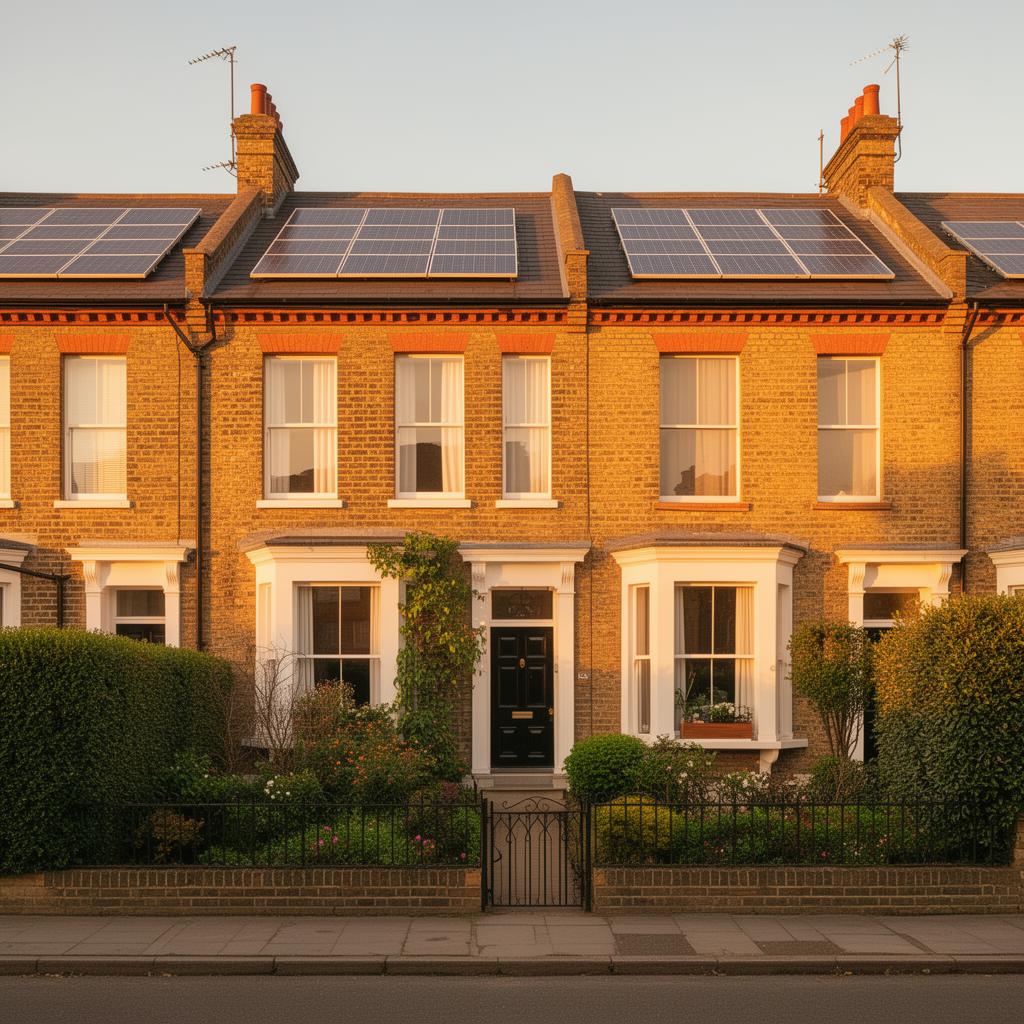
The energy price cap explained simply: it is the maximum amount your energy supplier can charge per unit of gas and electricity, set by the regulator Ofgem every three months. Despite what many people assume, it does not cap your total bill. Understanding how the price cap works helps you make sense of your energy costs and take practical steps to reduce them, from improving your home’s insulation to generating your own electricity with solar panels.
What Is the Energy Price Cap?
The energy price cap is a maximum amount that energy suppliers in England, Wales and Scotland can charge per unit of gas and electricity on default tariffs. Set by Ofgem every quarter, it limits the rate you pay per kilowatt hour and the daily standing charge — not your total bill. For Q2 2026, the cap is set at £1,568 per year for a typical dual-fuel household using 11,500 kWh of gas and 2,700 kWh of electricity.
The cap does not mean your bill cannot exceed £1,568 — that figure assumes average usage, and larger homes or heavier users will pay more. Fixed-rate tariffs are not covered by the cap, which is why some fixed deals can be priced above or below the cap level. Ofgem reviews the cap in January, April, July and October each year, adjusting it based on wholesale energy costs, network charges and supplier operating costs.
What the Energy Price Cap Actually Caps
The energy price cap sets maximum unit rates for gas and electricity, plus maximum standing charges. It does not set a limit on your total bill. If you use more energy, you pay more, regardless of the cap. This is the single biggest misunderstanding about the system.
Ofgem calculates the cap based on a “typical” dual-fuel household using 11,500 kWh of gas and 2,700 kWh of electricity per year. The headline figure you see in the news, currently £1,641 per year for Q2 2026, is what this typical household would pay. Your actual bill depends entirely on your own usage.
The cap covers four components:
- Electricity unit rate — The price per kilowatt-hour (kWh) of electricity you use
- Gas unit rate — The price per kWh of gas you use
- Electricity standing charge — A daily fixed charge for being connected to the electricity grid
- Gas standing charge — A daily fixed charge for being connected to the gas grid
Suppliers can charge less than the cap but not more. In practice, most standard variable tariffs sit very close to the cap level. Fixed-rate deals may be priced above or below it depending on market conditions.
How Ofgem Calculates the Price Cap Each Quarter
Ofgem reviews the price cap every three months, with new rates taking effect on 1 January, 1 April, 1 July and 1 October. The calculation is based on the actual costs energy suppliers face when buying and delivering energy to your home.
The key cost components include:
| Cost Component | Approximate Share of Bill | What It Covers |
|---|---|---|
| Wholesale energy costs | 40-50% | The price suppliers pay for gas and electricity on the wholesale market |
| Network costs | 20-25% | Maintaining and operating the gas pipes and electricity cables that deliver energy to your home |
| Policy costs | 10-12% | Government programmes including ECO4, renewable energy subsidies, and the Warm Home Discount |
| Operating costs | 10-15% | Supplier costs for billing, customer service, smart meters and administration |
| Supplier margin | 2-3% | The profit margin Ofgem allows suppliers to earn |
| VAT | 5% | Value Added Tax on domestic energy at the reduced rate |
Wholesale costs are the most volatile element. They are calculated using a formula that looks at forward gas and electricity prices over a specific observation window before each quarter. This is why the cap can change significantly from one quarter to the next.
The Energy Price Cap History: 2022 to 2026
The price cap has moved dramatically since the energy crisis began in late 2021. Here is how the cap (or the government’s Energy Price Guarantee where applicable) has changed for a typical dual-fuel household:
| Period | Annual Cap (Typical Household) | Key Context |
|---|---|---|
| Oct 2021 | £1,277 | Pre-crisis baseline |
| Apr 2022 | £1,971 | First major increase as wholesale prices surged |
| Oct 2022 | £2,500 (EPG) | Government Energy Price Guarantee replaced the £3,549 cap |
| Jan 2023 | £2,500 (EPG) | Government support continued |
| Apr 2023 | £2,500 (EPG) | Extended EPG |
| Jul 2023 | £2,074 | Cap fell below EPG, normal pricing resumed |
| Oct 2023 | £1,834 | Continued decline from crisis peak |
| Jan 2024 | £1,928 | Winter demand pushed cap up slightly |
| Apr 2024 | £1,568 | Significant drop as wholesale markets stabilised |
| Jul 2024 | £1,568 | Held steady |
| Oct 2024 | £1,717 | Winter increase |
| Jan 2025 | £1,738 | Marginal winter rise |
| Apr 2025 | £1,568 | Spring reduction |
| Jul 2025 | £1,720 | Summer increase driven by wholesale costs |
| Oct 2025 | £1,755 | Autumn adjustment |
| Jan 2026 | £1,714 | Slight winter reduction |
| Apr 2026 | £1,641 | Current rate, lowest since early 2024 |
While the cap has fallen significantly from its crisis peak, it remains roughly 28% higher than pre-crisis levels. This is why reducing your energy consumption through home improvements remains one of the most effective ways to control your bills long term.
Why Your Bill Differs from the Price Cap Figure
The headline cap figure of £1,641 assumes typical usage of 11,500 kWh gas and 2,700 kWh electricity. But “typical” does not describe most households. Your actual bill depends on:
- Property size: A four-bedroom detached house uses far more energy than a two-bedroom flat. Annual gas consumption can range from 5,000 kWh for a small flat to 25,000 kWh or more for a large, poorly insulated house
- Insulation quality: A home with solid walls and single glazing can use 50% more heating energy than the same property with proper insulation and double glazing
- Household size: More occupants means more hot water use, more cooking, more appliance use
- Heating system efficiency: An old G-rated boiler wastes up to 30% of the gas it burns compared to a modern A-rated condensing boiler
- Thermostat settings: Every degree you raise the thermostat increases heating costs by roughly 10%
- Region: Standing charges and some network costs vary by region, though these differences are relatively small
A large, poorly insulated detached house could easily face an annual energy bill of £3,000 to £4,000 even under the current cap, while a well-insulated flat might pay just £600 to £800.
The Energy Price Cap and Fixed-Rate Tariffs
The price cap only applies to default or standard variable tariffs (SVTs). These are the tariffs you are placed on if you have never switched or your fixed deal has ended. Fixed-rate tariffs are not subject to the cap and can be priced above or below it.
When the cap is expected to rise, fixing at a rate below the anticipated future cap can save money. When the cap is expected to fall, staying on the variable rate may be cheaper. Energy comparison sites like Ofgem’s own price comparison tool can show you whether any fixed deals beat the current cap.
As of Q2 2026, several suppliers are offering one-year fixed deals at or slightly below the cap level. These can provide certainty against potential winter increases, though they typically come with early exit fees of £50 to £100 per fuel if you want to leave before the term ends.
How to Reduce Your Energy Bills Regardless of the Price Cap
The most effective long-term strategy is to reduce your energy consumption. The price cap determines the rate, but your usage determines the bill. Here are the most impactful actions ranked by potential savings:
| Measure | Typical Annual Saving | Approximate Cost |
|---|---|---|
| Loft insulation (0mm to 300mm) | £350 to £450 | £500 to £1,000 (often grant-funded) |
| Cavity wall insulation | £300 to £500 | £500 to £1,500 (often grant-funded) |
| Solar panels (4kW system) | £400 to £600 | £5,000 to £7,000 after 0% VAT |
| Heat pump replacing gas boiler | £200 to £400 | £5,000 to £8,000 after BUS grant |
| Smart thermostat | £100 to £200 | £150 to £300 installed |
| Double glazing (full house) | £100 to £200 | £4,000 to £8,000 |
| Draught proofing | £50 to £100 | £100 to £300 |
Many of these measures qualify for government grants. Check your eligibility by requesting a free quote to see what funding is available for your property.
What Happens Next: The Future of the Energy Price Cap
The energy price cap is expected to remain in its current quarterly format for the foreseeable future. However, several changes are on the horizon:
- Standing charge reform: Ofgem is consulting on reforms to standing charges, potentially moving some fixed costs into unit rates. This would benefit low-usage households but increase costs for high users
- Time-of-use pricing: As smart meter rollout continues, there is growing momentum for tariffs that charge different rates at different times of day. This could benefit households with solar panels and battery storage
- Market-wide half-hourly settlement: By 2027, all suppliers must settle electricity on a half-hourly basis, enabling more dynamic pricing that rewards flexible consumption
- Net zero policy costs: As the UK accelerates decarbonisation, policy costs on bills may increase to fund programmes like the Warm Homes Plan and grid upgrades
The long-term trend is clear: while unit rates may fluctuate, reducing your dependence on grid energy through insulation, renewable generation and efficient heating systems is the surest way to protect yourself against future price rises.
Frequently Asked Questions About the Energy Price Cap
Does the energy price cap mean my bill cannot exceed £1,641 per year?
No. The £1,641 figure is what a household using exactly 11,500 kWh of gas and 2,700 kWh of electricity would pay. If you use more than this, your bill will be higher. If you use less, it will be lower. The cap limits the per-unit rate and the standing charge, not the total amount you can be billed.
When does the price cap change and how far in advance is it announced?
The cap changes on 1 January, 1 April, 1 July and 1 October each year. Ofgem typically announces the new level around six weeks before it takes effect. For example, the Q3 2026 cap will be announced in late May 2026 and take effect on 1 July 2026.
Should I fix my energy tariff or stay on the price cap rate?
This depends on market conditions. If analysts expect the cap to rise, fixing now locks in the current lower rate. If the cap is expected to fall, staying on the variable rate gives you the benefit of the reduction. As of spring 2026, most forecasts suggest modest increases through winter 2026/27, making competitively priced fixed deals worth considering. Always compare the fixed rate per kWh against the current cap rate before committing.
Does the price cap apply to prepayment meters?
Yes. Since July 2023, Ofgem has ensured that prepayment meter customers pay no more than direct debit customers. Previously, prepayment customers often faced higher rates. The cap now applies equally to both payment methods, with the same maximum unit rates and standing charges.
How does the energy price cap affect the payback period for solar panels or heat pumps?
Higher unit rates under the cap make renewable energy and efficiency measures pay back faster, because each kWh you generate or save is worth more. At current electricity rates of around 24p per kWh, a typical 4kW solar panel system pays for itself in approximately 8 to 10 years. If unit rates were to return to pre-crisis levels, that payback would stretch to 12 to 14 years. Investing while rates remain elevated locks in stronger returns.
See what these numbers mean for your home
Free instant estimate — costs, savings, payback and grants for your region.

Related Articles

What the 2026 Future Homes Standard Means for Existing Homeowners
The Future Homes Standard is the biggest change to building regulations in England in a generation. It is designed to ensure new homes produce dramatically fewer carbon emissions. But if…
3 May 2026
Prepayment Meter Rights: Protections Against Forced Installation and Self-Disconnection
Prepayment meter rights UK explained. Learn protections against forced installation, what to do if you cannot top up, emergency credit options and how to switch away from prepay.
12 April 2026 Fuel Poverty in the UK: Definition, Statistics and What Help Is Available
Fuel poverty UK affects 9 million households. Learn the LILEE definition, who is most at risk, the funding gap, and every support scheme available to help you heat your home.
11 April 2026