Home Energy Scotland Grant and Loan 2026: How to Claim Up to 15000
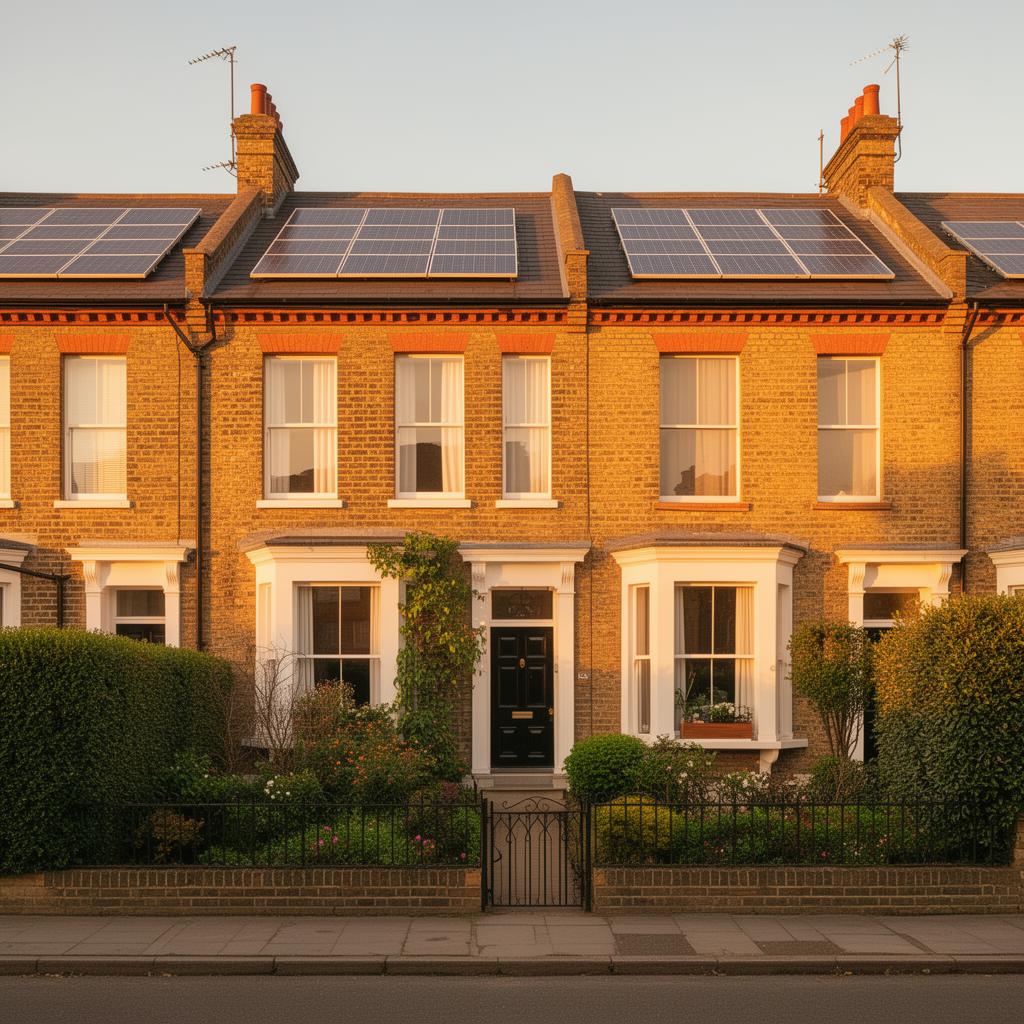
The Home Energy Scotland grant is one of the most generous energy efficiency funding programmes available anywhere in the UK. Backed by the Scottish Government, it offers homeowners grants of up to 7,500 for insulation and a further 7,500 for renewable heating systems, potentially covering the entire cost of transforming your home’s energy performance. If you live in Scotland and your property needs upgrading, this guide explains exactly how the scheme works, what you can claim, and how to apply.
How Much Can You Get from Home Energy Scotland?
Home Energy Scotland offers grants and interest-free loans worth up to £15,000 combined for Scottish homeowners and some private tenants. The grant element covers up to £7,500 towards measures like heat pumps, solar panels and insulation, while the interest-free loan covers additional costs up to £7,500 more. Rural and island properties may qualify for enhanced funding of up to £9,000 in grants.
| Measure | Grant Amount | Loan Available |
|---|---|---|
| Air source heat pump | Up to £7,500 | Up to £7,500 |
| Ground source heat pump | Up to £7,500 | Up to £7,500 |
| Solar PV panels | Up to £5,000 | Up to £5,000 |
| Internal or external wall insulation | Up to £4,000 | Up to £4,000 |
| Battery storage | £0 (not grant-eligible) | Up to £6,000 |
To apply, call Home Energy Scotland free on 0808 808 2282. An adviser will assess your home and recommend suitable measures before helping you complete the application. The interest-free loan is repaid over up to 10 years, and there are no arrangement fees. If you also meet the criteria for Warmer Homes Scotland, you may be referred for fully funded improvements instead.
What Is the Home Energy Scotland Grant?
Home Energy Scotland (HES) is the Scottish Government’s national energy advice service. It provides free, impartial guidance on reducing energy bills and cutting carbon emissions, but its most valuable offering is direct financial support through grants and interest-free loans for home energy improvements.
The programme is delivered by Energy Saving Trust on behalf of the Scottish Government and is available to owner-occupiers, private landlords, and some self-builders across Scotland. Unlike many UK-wide schemes, HES funding is not means-tested for the basic grant, meaning homeowners at any income level can apply.
The scheme covers two main categories of improvement: insulation measures and renewable heating systems. Each category has its own grant cap, and you can claim from both simultaneously, giving a combined maximum of 15,000 in grant funding.
Home Energy Scotland Grant Amounts for 2026
The grant amounts depend on the type of improvement and whether you qualify for any rural or island top-ups. Here is a breakdown of the current funding levels.
| Measure | Standard Grant | Rural / Island Top-Up |
|---|---|---|
| Loft insulation | Up to 7,500 | Additional 1,500 |
| Cavity wall insulation | Up to 7,500 | Additional 1,500 |
| External wall insulation | Up to 7,500 | Additional 1,500 |
| Floor insulation | Up to 7,500 | Additional 1,500 |
| Air source heat pump | Up to 7,500 | Additional 1,500 |
| Ground source heat pump | Up to 7,500 | Additional 1,500 |
| Solar water heating | Up to 7,500 | Additional 1,500 |
Homeowners in remote rural areas and island communities can access an additional 1,500 top-up per category, recognising the higher installation costs in these locations. This means a rural household could receive up to 18,000 in total grant funding.
Interest-Free Loans to Bridge the Gap
Where the grant does not cover the full cost, the Home Energy Scotland loan provides additional support. Interest-free loans of up to 7,500 for energy efficiency measures and 7,500 for renewable heating are available, repayable over up to 10 years with no interest charged.
You can combine the grant and loan for the same project. For example, if an air source heat pump installation costs 12,000, you could receive a 7,500 grant and a 4,500 interest-free loan, meaning zero upfront cost and manageable monthly repayments of around 37.50.
The loan is subject to a credit check, but the criteria are more relaxed than a typical personal loan. There are no arrangement fees or early repayment penalties.
Who Is Eligible for the Home Energy Scotland Grant?
Eligibility for the HES grant is broader than most UK energy schemes. The main requirements are as follows.
- You must own or be buying your home in Scotland (owner-occupiers and registered private landlords qualify)
- Your property must be your main residence (or a rental property for landlords)
- The home must have been built and occupied before the application date
- You must not have already received an HES grant for the same measure on the same property
- The work must be carried out by a Home Energy Scotland approved installer
- For heat pump grants, the installer must be MCS-certified
There is no income threshold for the standard grant, which sets it apart from schemes like ECO4 and the Warm Homes Local Grant in England. However, if you are on certain benefits, you may qualify for additional support through the Warmer Homes Scotland programme instead.
How to Apply for the Home Energy Scotland Grant
The application process is straightforward but must follow a specific sequence. Here is a step-by-step guide.
Step 1: Call Home Energy Scotland
Phone 0808 808 2282 (freephone, Monday to Friday, 8am to 8pm, Saturday 9am to 5pm). An adviser will discuss your property, current heating system, and which improvements would benefit you most. You can also request a callback through the Home Energy Scotland website.
Step 2: Get a Home Energy Assessment
HES may arrange a free home energy assessment where an assessor visits your property, checks insulation levels, inspects the heating system, and identifies eligible improvements. This step is essential for determining exactly which measures you can claim for.
Step 3: Receive Your Grant Offer
Based on the assessment, HES will issue a formal grant offer letter detailing the approved measures and funding amounts. You typically have 12 months to complete the work once a grant offer is issued.
Step 4: Choose an Approved Installer
You must use an installer from the HES approved list. For heat pumps, this means an MCS-certified installer. For insulation, the installer must hold appropriate PAS 2030 accreditation and be TrustMark registered.
Step 5: Complete the Work and Claim
After installation, submit your completion paperwork and invoices to HES. The grant is paid directly to you, usually within four to six weeks of a successful claim.
Which Measures Offer the Best Value?
Not every improvement delivers the same return. Here is how the most popular measures compare when funded through the Home Energy Scotland grant.
| Measure | Typical Total Cost | HES Grant | Your Cost After Grant | Annual Saving |
|---|---|---|---|---|
| Loft insulation (270mm) | 500 – 1,500 | Up to 7,500 | 0 | 200 – 350 |
| Cavity wall insulation | 1,000 – 2,500 | Up to 7,500 | 0 | 200 – 400 |
| Air source heat pump | 8,000 – 14,000 | Up to 7,500 | 500 – 6,500 | 300 – 600 |
| External wall insulation | 8,000 – 22,000 | Up to 7,500 | 500 – 14,500 | 300 – 700 |
| Solar water heating | 3,000 – 5,000 | Up to 7,500 | 0 | 60 – 100 |
Insulation measures typically deliver the best return because the grant often covers the entire cost. A household adding loft and cavity wall insulation could save 400 to 750 per year at zero personal cost.
Combining the Home Energy Scotland Grant with Other Schemes
You cannot combine the HES grant with the BUS (Boiler Upgrade Scheme) for the same heat pump installation, as both are government-funded programmes. However, you can combine HES funding with the following.
- Warm Home Discount – The 150 energy bill rebate is separate and can be claimed alongside HES grants
- Warmer Homes Scotland – If you qualify on benefits, you may receive fully funded improvements through this route instead
- Local authority grants – Some Scottish councils offer additional funding that can be stacked with HES
- SEG payments – If you install solar panels alongside other measures, Smart Export Guarantee payments provide ongoing income
If you are unsure which combination of schemes works best for your property, Green Reach Energy’s quote-comparison service is launching soon — register your interest and we’ll let you know when you can compare installer quotes.
Common Mistakes to Avoid
Thousands of Scottish homeowners miss out on HES funding each year due to avoidable errors. Watch out for these common pitfalls.
- Starting work before receiving the grant offer – Any work completed before approval will not be funded
- Using a non-approved installer – The grant will be rejected if the installer is not on the HES approved list
- Letting the offer expire – You typically have 12 months, but delays in scheduling installers can eat into this window
- Not claiming both categories – Many homeowners apply for insulation but forget they can also claim for a heat pump or vice versa
- Assuming you do not qualify – There is no income threshold for the standard grant, so even higher earners are eligible
Frequently Asked Questions
Can private landlords apply for the Home Energy Scotland grant?
Yes. Registered private landlords in Scotland can apply for the HES grant and loan for properties they let out. The grant amounts are the same as for owner-occupiers, though landlords may face additional conditions regarding rent levels and tenant notification.
How long does the Home Energy Scotland application take?
From initial call to grant offer typically takes four to eight weeks, depending on whether a home assessment is needed and current demand. The installation itself can then be scheduled within the 12-month offer window. In total, expect the full process from first call to completed work to take three to six months.
Do I need to pay anything upfront?
For insulation measures where the grant covers the full cost, you may pay nothing upfront. For higher-cost measures like heat pumps, you may need to pay the installer the difference between the total cost and the grant amount. The interest-free loan can cover this gap if you prefer not to pay out of pocket.
Is the Home Energy Scotland grant taxable?
No. The HES grant is not treated as taxable income for homeowners. Landlords should consult their accountant, as the tax treatment may differ depending on whether the improvements are classified as capital expenditure or repairs.
Can I combine the HES grant with the Boiler Upgrade Scheme?
No. The HES grant and the BUS cannot be used together for the same heat pump installation, as both are government-funded schemes. However, the HES grant is typically more generous for Scottish homeowners, offering up to 7,500 compared to the BUS value of 7,500 for air source heat pumps. You should compare both options and choose the one that gives you the best outcome for your specific installation. Get a free quote to see which route saves you the most.
See what these numbers mean for your home
Free instant estimate — costs, savings, payback and grants for your region.

Related Articles
Heat Pump Grant Rises to £9,000 for Oil and LPG Homes From 21 July 2026
The standard Boiler Upgrade Scheme grant stays at £7,500. From 21 July 2026 to 31 March 2027, homes currently heated by oil or LPG get an increased £9,000 grant. Corrected…
10 June 2026
The Warm Homes Plan 2026: What Every UK Homeowner Needs to Know
The UK government’s Warm Homes Plan is the biggest energy efficiency programme in British history. Launched in January 2026 with up to £15 billion in funding, it aims to upgrade…
5 June 2026
ECO4 Scheme 2026: Who Qualifies, What’s Covered and How to Apply
The ECO4 scheme runs until December 2026, offering fully funded insulation and heating upgrades for eligible UK households. Find out if you qualify through benefits or the ECO4 Flex route,…
11 May 2026