Solar Panel Payback Period in 2026: How Quickly Will You Break Even
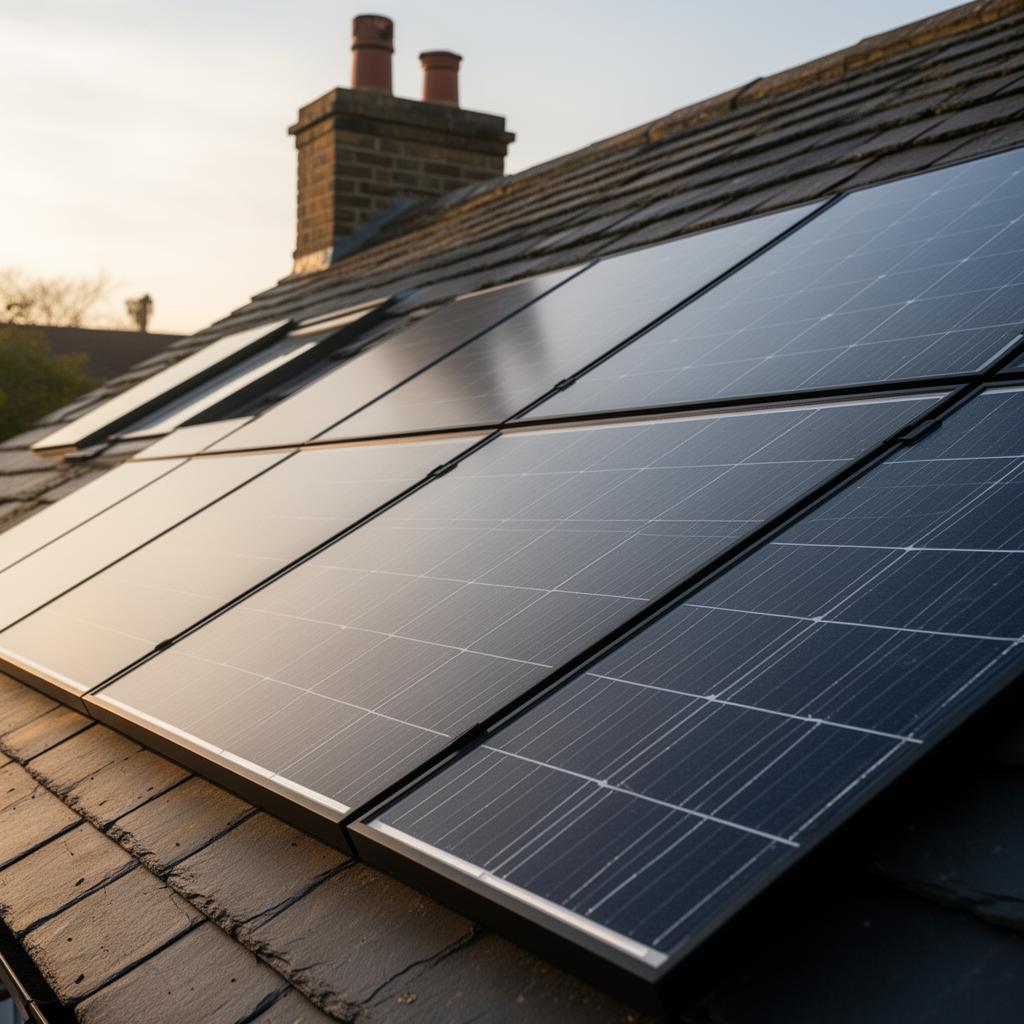
The most common question from anyone considering solar panels is how long it takes to get your money back. The solar panel payback period in the UK currently sits at 6-8 years on average for a typical 4 kW residential system, though this varies significantly depending on your location, electricity costs, how much solar you use directly, and whether you have a battery. With panels lasting 25-30 years, that leaves 17-22 years of essentially free electricity after breakeven. Here is a detailed breakdown of how the numbers work in 2026.
How Long Does It Take for Solar Panels to Pay for Themselves in the UK?
Solar panels take 6 to 9 years to pay for themselves in the UK in 2026. A typical 4 kW system costs £5,500 to £7,000 after 0% VAT and saves £750 to £1,000 per year through reduced electricity bills and Smart Export Guarantee payments. Homes with battery storage and high daytime usage reach payback faster, while north-facing or heavily shaded roofs take longer.
After the payback period, solar panels continue generating free electricity for another 15 to 20 years, since most systems carry a 25-year performance warranty. Over their full lifetime, a 4 kW system typically delivers £15,000 to £25,000 in total savings, making solar one of the strongest returns on investment available to UK homeowners.
How the Solar Panel Payback Calculation Works
The payback period is calculated by dividing the total installation cost by the annual financial benefit. The annual benefit comes from two sources: the value of electricity you generate and use yourself (avoiding grid imports) and the income from exporting surplus to the grid under the Smart Export Guarantee (SEG).
Here is the calculation for a typical 4 kW system in the Midlands:
- Installation cost: £7,000 (after 0% VAT)
- Annual generation: 3,400 kWh
- Self-consumption rate: 40% (1,360 kWh used directly)
- Grid electricity avoided: 1,360 kWh x 24p = £326
- Export income: 2,040 kWh x 12p (SEG rate) = £245
- Total annual benefit: £571
- Payback period: £7,000 / £571 = 12.3 years
However, that calculation assumes only 40% self-consumption, which is typical for a household where everyone is out during the day. With a battery, self-consumption jumps to 70-80%, dramatically changing the maths:
- Installation cost (panels + battery): £12,000
- Self-consumption rate: 75% (2,550 kWh)
- Grid electricity avoided: 2,550 kWh x 24p = £612
- Export income: 850 kWh x 12p = £102
- Total annual benefit: £714
- Payback period: £12,000 / £714 = 16.8 years
The battery extends the payback period because it adds cost, but the post-payback savings are much higher because you are using more of your own generation. When you factor in smart tariff arbitrage (charging the battery at 7p overnight and using it instead of 24p peak electricity), the battery payback shortens considerably.
Regional Variations in Solar Panel Payback Period
Location affects payback primarily through differences in solar irradiance (how much sunlight your area receives). Southern England gets roughly 10-15% more annual sunshine than Scotland, which translates directly into more generation and faster payback.
| Region | Annual Generation (4 kW) | Annual Benefit (40% self-use) | Payback (£7,000 system) |
|---|---|---|---|
| South Coast | 3,800 kWh | £635 | 11.0 years |
| South West | 3,700 kWh | £620 | 11.3 years |
| Midlands | 3,400 kWh | £571 | 12.3 years |
| North West | 3,200 kWh | £538 | 13.0 years |
| Yorkshire | 3,300 kWh | £554 | 12.6 years |
| Scotland (Central Belt) | 3,000 kWh | £505 | 13.9 years |
The regional difference between the fastest and slowest payback is around 2-3 years. Even in Scotland, solar panels still pay for themselves well within their operational lifetime, leaving over a decade of pure profit.
Factors That Accelerate Your Solar Payback
Several factors can shorten your payback period significantly below the averages shown above.
Higher self-consumption
Every kilowatt-hour you use directly from your panels saves you the full retail electricity price (24-28p), whereas exported electricity earns only 4-15p. The single most effective way to shorten payback is to maximise self-consumption. Working from home, running appliances during the day, or adding a battery all increase the proportion of generation you use yourself.
Rising electricity prices
The payback calculation above uses current electricity prices of around 24p per kWh. If prices rise, the value of avoided grid imports increases and payback shortens. Over the past five years, domestic electricity prices have risen substantially, and long-term projections suggest continued upward pressure from grid infrastructure costs and the transition to clean power.
Smart export tariffs
The best SEG export tariffs currently pay 12-15p per kWh, with some time-of-use tariffs paying even more during peak hours. Octopus Flux, for example, pays 22p per kWh for exports during the 4-7pm peak window. Choosing the right export tariff can add hundreds of pounds to your annual income.
Optimal roof orientation
A south-facing roof at a 30-40 degree pitch generates the most electricity. East or west-facing roofs generate around 15-20% less, extending payback. However, east-west split systems can actually improve self-consumption by generating more evenly across the day, partially offsetting the lower total output.
Factors That Delay Solar Payback
- Shading – Trees, buildings, or chimneys casting shadows on your panels reduce output and extend payback. Even partial shading can have a disproportionate effect on string inverter systems.
- Low self-consumption – If the whole household is out all day and you export most of your generation at low SEG rates, payback takes longer.
- Overpaying for installation – Prices vary significantly between installers. Always get at least three quotes from MCS-certified companies.
- North-facing roof – A north-facing roof is generally not suitable for solar panels. Output drops by 50% or more compared to south-facing, making payback unrealistically long.
- Falling electricity prices – If electricity prices were to fall significantly, the value of avoided imports decreases. However, long-term price reductions are considered unlikely given infrastructure investment requirements.
25-Year Lifetime Savings From Solar Panels
The real financial story of solar panels is not just the payback period but the total savings over the system’s lifetime. Modern solar panels carry 25-30 year performance warranties, and many continue generating useful electricity for 35-40 years.
Taking a conservative 25-year view for a 4 kW system:
| Scenario | Installation Cost | 25-Year Savings | Net Profit |
|---|---|---|---|
| Panels only, 40% self-use | £7,000 | £14,275 | £7,275 |
| Panels only, 60% self-use | £7,000 | £17,600 | £10,600 |
| Panels + battery, 75% self-use | £12,000 | £20,350 | £8,350 |
| Panels + battery + smart tariff | £12,000 | £25,000+ | £13,000+ |
| 6 kW system + battery | £16,000 | £32,000+ | £16,000+ |
These figures assume current electricity prices held constant. With any electricity price inflation, which is historically likely, the savings increase further. A 3% annual rise in electricity prices would increase 25-year savings by approximately 40% above the figures shown.
Solar Panels vs Other Home Investments
How does the return on solar panels compare to other things you might spend money on?
- New kitchen – Costs £10,000-£20,000, adds 1-3% to property value, no ongoing financial return
- Loft conversion – Costs £25,000-£50,000, adds 10-15% to property value, no ongoing return
- Solar panels – Cost £7,000-£12,000, return £500-£900 per year in energy savings, add to property value, and provide a hedge against energy price rises
- Cash ISA – £7,000 at 4% interest returns £280 per year (taxable above allowances)
- Loft insulation – Costs £300-£500, saves £200-£400 per year, payback under 2 years
Solar panels offer a better financial return than most home improvements and significantly outperform savings accounts at current interest rates. Combined with insulation upgrades, they represent one of the smartest investments a homeowner can make.
To find out exactly what your solar payback period would be based on your property, location, and energy consumption, get a free personalised quote from MCS-certified installers.
Frequently Asked Questions
Has the solar payback period got shorter or longer in 2026?
The payback period has shortened considerably over the past few years. Panel prices have fallen while electricity costs have risen, both of which improve the financial case. The introduction of 0% VAT on residential solar in 2022 also reduced the upfront cost by around £1,000-£1,500. In 2020, payback was typically 10-12 years; in 2026, it is closer to 6-8 years for well-designed systems with good self-consumption.
Does the payback period account for inverter replacement?
The payback figures above do not include inverter replacement. String inverters typically last 10-15 years and cost £800-£1,500 to replace. Factoring in one inverter replacement over 25 years adds roughly 1-2 years to the effective payback. Microinverter systems, which have longer warranties and no single point of failure, avoid this cost.
Do solar panels increase my property value?
Multiple studies suggest solar panels add between £3,000 and £8,000 to a property’s value, depending on the system size and location. Properties with solar panels also tend to sell faster, as energy efficiency is increasingly important to buyers. If you sell before the payback period is complete, the added property value may effectively cover the remaining investment.
Is the payback period the same for larger systems?
Larger systems have a lower cost per kW because of economies of scale in installation labour and scaffolding. A 6 kW system typically costs around £9,000-£11,000, not double the cost of a 4 kW system. However, larger systems generate more surplus, which may be exported at lower rates. The payback period for larger systems is similar or slightly longer, but the total lifetime savings are substantially higher.
What happens if I move house before the panels have paid for themselves?
The panels stay with the property and transfer to the new owner. The added property value from the solar installation typically means you recover most or all of your investment through a higher sale price. The new owner benefits from the remaining years of savings, making the property more attractive at sale.
See what these numbers mean for your home
Free instant estimate — costs, savings, payback and grants for your region.

Related Articles
Is Solar Battery Storage Worth It in 2026?
Solar panels are now a common sight on UK rooftops, but the real game-changer in 2026 is battery storage. A home battery lets you store the electricity your panels generate…
2 June 2026
Why Spring Is the Perfect Time to Install Solar Panels
If you have been thinking about solar panels for a while but never quite pulled the trigger, spring is the moment to act. The combination of lengthening days, mild installation…
23 April 2026
How the Energy Price Cap Affects Heat Pump and Solar Panel Payback
See how the energy price cap affects heat pump and solar panel payback periods. Real calculations using current UK unit rates show why investing now locks in stronger returns.
15 April 2026