The Warm Homes Plan and Solar: Grants and 0% Loans Explained for 2026
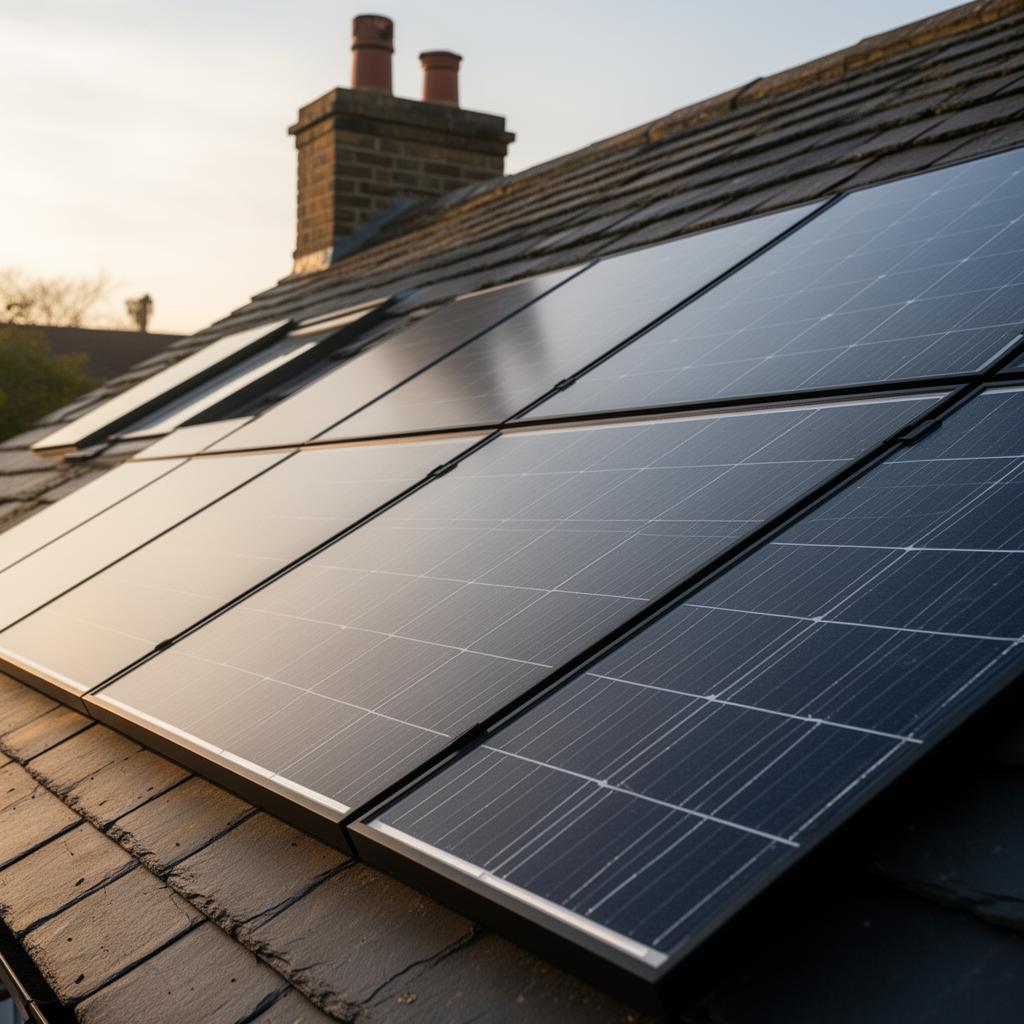
The Warm Homes Plan is the UK government’s flagship programme to upgrade the nation’s housing stock, reduce energy bills, and cut carbon emissions from homes. With a total budget of £15 billion over this parliament, it represents the largest investment in home energy efficiency in British history. For homeowners interested in solar panels, the plan offers two major routes to financial support: the Warm Homes Local Grant for lower-income households and forthcoming 0% interest loans for all homeowners. Here is everything you need to know about the Warm Homes Plan solar panels funding in 2026.
What Solar Grants and Loans Are Available Under the Warm Homes Plan?
The Warm Homes Plan offers two main routes to funded solar panels in 2026. The Warm Homes: Local Grant provides fully funded solar PV installations for low-income homeowners with an EPC rating of D or below and a household income under £36,000. The Boiler Upgrade Scheme does not cover solar directly, but 0% interest loans of up to £15,000 are available in some local authority areas for solar panels and battery storage as part of a wider retrofit package.
Solar panels installed through the Warm Homes Plan must be fitted by an MCS-certified installer and are typically combined with insulation measures to maximise the energy efficiency improvement. If you do not qualify for fully funded solar, the 0% VAT saving on solar panels and batteries — worth around £1,000 to £1,500 on a typical system — remains available to all homeowners until March 2027.
What Is the Warm Homes Plan?
Announced by the Labour government as a central plank of its clean energy strategy, the Warm Homes Plan aims to upgrade 5 million homes over the course of the parliament. It replaces and expands upon previous schemes like the Green Homes Grant and ECO (Energy Company Obligation), bringing them under a single, more ambitious umbrella.
The plan has two main components relevant to homeowners:
- Warm Homes Local Grant – Fully funded energy efficiency upgrades for lower-income households, delivered through local authorities
- Warm Homes 0% Interest Loans – Interest-free loans for all homeowners to fund energy improvements, regardless of income (this scheme is not yet launched; expected 2027)
Both programmes cover a wide range of measures including solar panels, heat pumps, insulation, double glazing, and battery storage. The goal is to make every UK home warmer, cheaper to run, and lower carbon.
Warm Homes Local Grant: Up to £30,000 for Eligible Households
The Warm Homes Local Grant (WHLG) replaced the previous Home Upgrade Grant and Local Authority Delivery (LAD) schemes. It provides fully funded energy efficiency improvements to homeowners and private tenants on lower incomes.
Eligibility criteria
To qualify for the Warm Homes Local Grant, you must meet the following conditions:
- Your household income must be below £36,000 per year (this is gross income before tax)
- Your property must have an EPC rating of D, E, F, or G
- You must own your home or be a private tenant (with landlord consent)
- The property must be in an area where your local authority is participating in the scheme
If eligible, you can receive up to £30,000 in funding per property for a package of measures. This is not a loan; it is a grant that does not need to be repaid. The exact amount depends on your property’s needs and which measures deliver the best energy savings.
What measures are covered?
The WHLG follows a fabric-first approach, meaning insulation and draught-proofing measures are typically installed before or alongside renewable energy systems. Common packages include:
- Loft insulation and cavity wall insulation
- External or internal wall insulation for solid-wall properties
- Solar PV panels (typically 3-4 kW systems)
- Air source heat pumps to replace gas or oil boilers
- Underfloor insulation
- New energy-efficient windows and doors
- Solar battery storage (where solar PV is also being installed)
A whole-house assessment determines which combination of measures will deliver the greatest improvement to your EPC rating and energy bill reduction.
Warm Homes 0% Interest Loans for All Homeowners
Perhaps the most significant element of the Warm Homes Plan for the broader population is the forthcoming 0% interest loan scheme, which will be available to all homeowners regardless of income. This scheme is expected to launch in 2027, with the detailed terms and application process to be announced during 2026.
Based on government announcements and consultation documents, the key features are expected to include:
- 0% interest rate, meaning you repay only the amount borrowed
- Repayment terms of up to 10 years
- Coverage for solar panels, batteries, heat pumps, insulation, and other qualifying measures
- Loans likely to range from £5,000 to £15,000 per household
- Application through approved installers or a central government portal
For a typical 4 kW solar panel installation costing £6,000-£8,000, a 0% loan repaid over 10 years would cost just £50-£67 per month. Given that the solar panels would save an estimated £600-£800 per year in electricity costs, the loan repayments could be more than offset by energy savings from day one.
How to Combine Solar Funding With the Boiler Upgrade Scheme
The Boiler Upgrade Scheme (BUS) provides grants of up to £7,500 towards the cost of an air source heat pump to replace a fossil fuel boiler. While the BUS is specifically for heating systems rather than solar panels, it can be combined with other Warm Homes Plan funding to create a comprehensive whole-house upgrade.
For example, a homeowner could:
- Claim £7,500 from the BUS towards an air source heat pump
- Use a 0% Warm Homes Loan to fund solar panels and a battery
- Have insulation installed through the Warm Homes Local Grant (if income-eligible)
This stacking approach can reduce the total out-of-pocket cost of a major energy upgrade to a fraction of the full price. A combined heat pump and solar installation that might cost £15,000-£20,000 at full price could be achieved for under £5,000 in upfront costs for an eligible household, with the remainder covered by grants and interest-free loans.
Current Application Status and Timeline
Here is the current status of each element of the Warm Homes Plan as of early 2026:
| Programme | Status | How to Apply |
|---|---|---|
| Warm Homes Local Grant | Live in most council areas | Contact your local authority or check gov.uk |
| Boiler Upgrade Scheme | Live, extended to 2028 | Through an MCS-certified installer |
| 0% Interest Loans | Expected 2027 launch | Details to be announced |
| ECO4 (energy company funded) | Live until March 2026 | Through energy supplier or approved installer |
The Warm Homes Local Grant is being rolled out on a regional basis. Your local council manages the application process, typically starting with an expression of interest followed by a home assessment. Waiting times vary depending on demand in your area, with some councils reporting 3-6 month waits for assessments.
What Funding Is Available Right Now for Solar Panels?
If you do not want to wait for the 0% loan scheme, there are several routes to funded or part-funded solar installations available today:
- Warm Homes Local Grant – Fully funded solar for households under £36,000 income with a D-G rated property
- ECO4 – Solar PV available as a secondary measure alongside insulation, funded by energy companies for households on qualifying benefits
- Solar Together group buying – 20-30% discount through council-backed collective purchasing
- 0% VAT on solar panels – Solar PV installations on residential properties are zero-rated for VAT until March 2027, saving around £1,000-£1,500 on a typical system
The 0% VAT alone makes this a particularly good time to install solar panels. Before April 2022, solar installations attracted the full 20% VAT rate. The current zero rate is a significant saving that is guaranteed until at least March 2027.
To understand which funding options you qualify for and get an accurate cost estimate for your property, request a free quote from MCS-certified installers who can guide you through the available schemes.
Frequently Asked Questions
Can I get a Warm Homes Grant if I already have some insulation?
Yes. The grant is based on your current EPC rating and overall property assessment, not on whether individual measures are already present. If your home is rated D-G and your income is below £36,000, you may still qualify even if you have some insulation. The assessment will identify which additional measures would improve your rating and reduce your bills further.
Will the 0% loan scheme cover battery storage as well as solar panels?
The government has indicated that the loan scheme will cover a broad range of energy efficiency measures, and battery storage is expected to be included when installed alongside solar PV. The exact qualifying criteria will be confirmed when the scheme launches, expected in 2027.
Can landlords apply for Warm Homes Plan funding?
The Warm Homes Local Grant can be used for privately rented properties if the tenant meets the income criteria and the landlord consents to the work. Some council areas also require landlords to contribute a portion of the cost. The 0% loan scheme details for landlords have not yet been confirmed but are expected to include eligibility with certain conditions.
Is the Warm Homes Plan available in Scotland, Wales, and Northern Ireland?
Housing and energy efficiency policy is devolved, so each nation has its own programmes. Scotland has the Warmer Homes Scotland scheme and Home Energy Scotland loans. Wales runs the Warm Homes Nest scheme. Northern Ireland has the Affordable Warmth Scheme. The Great British Energy investment and some UK-wide elements of the Warm Homes Plan apply across all nations, but the delivery mechanisms vary.
Should I wait for the 0% loans or install solar now?
With 0% VAT currently available, strong SEG export rates, and electricity prices remaining high, installing solar panels now delivers immediate savings. The 0% loan scheme is not expected until 2027, and every month you wait is a month of electricity bills that solar could have reduced. If upfront cost is a barrier, many installers offer their own finance packages, or you could explore a Solar Together group buy for reduced pricing.
See what these numbers mean for your home
Free instant estimate — costs, savings, payback and grants for your region.

Related Articles
Heat Pump Grant Rises to £9,000 for Oil and LPG Homes From 21 July 2026
The standard Boiler Upgrade Scheme grant stays at £7,500. From 21 July 2026 to 31 March 2027, homes currently heated by oil or LPG get an increased £9,000 grant. Corrected…
10 June 2026
The Warm Homes Plan 2026: What Every UK Homeowner Needs to Know
The UK government’s Warm Homes Plan is the biggest energy efficiency programme in British history. Launched in January 2026 with up to £15 billion in funding, it aims to upgrade…
5 June 2026
ECO4 Scheme 2026: Who Qualifies, What’s Covered and How to Apply
The ECO4 scheme runs until December 2026, offering fully funded insulation and heating upgrades for eligible UK households. Find out if you qualify through benefits or the ECO4 Flex route,…
11 May 2026