Solar Panel Scams and Cold Calls: How to Protect Yourself
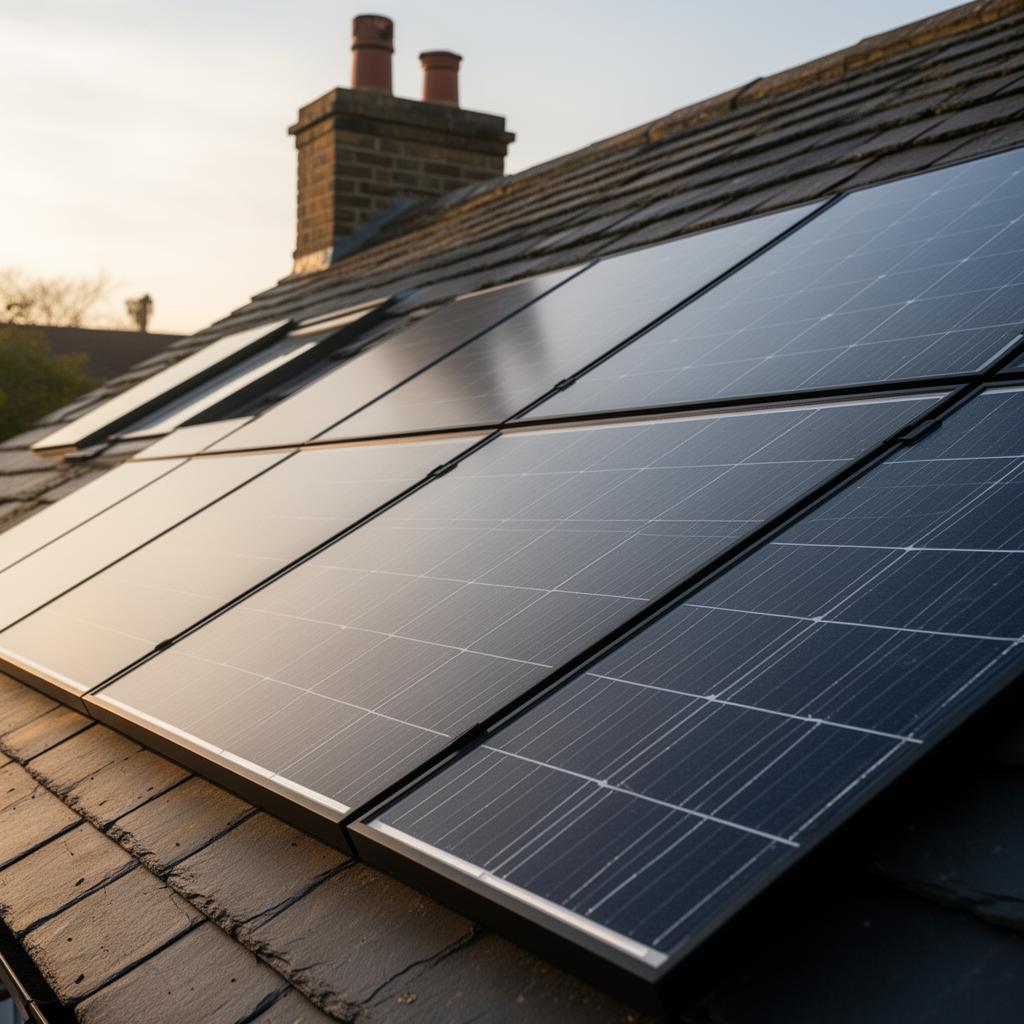
The rapid growth of residential solar in the UK has attracted a wave of scammers targeting homeowners with solar panels. From fake maintenance contracts to fraudulent warranty claims, solar panel scams in the UK are becoming increasingly sophisticated. Research suggests that over a third of solar panel owners have received unsolicited cold calls about their system, and many of these calls are the opening move in a scam. This guide explains the most common scams, how to spot them, and the legal protections available to you.
How to Protect Yourself From Solar Panel Scams
- Never sign up to a cold call or doorstep visit — legitimate MCS-certified installers do not cold call; hang up or close the door
- Check MCS certification — verify the installer on the official MCS database at mcscertified.com before agreeing to any work
- Get at least three written quotes — compare prices against typical UK costs of £5,500 to £8,500 for a 4 to 6 kW system
- Watch for inflated savings claims — if an installer promises you will save more than £1,200 per year on a standard 4 kW system, the numbers are likely exaggerated
- Avoid rent-a-roof schemes — these lock you into long contracts where someone else owns the panels on your roof, reducing your home’s resale value
- Check company reviews on Trustpilot and Google — look for a consistent track record of at least 2 to 3 years in business
- Never pay the full amount upfront — a standard payment structure is 10 to 25% deposit with the balance on completion
Solar scams have increased as demand has grown. The most common tactics include hugely inflated savings projections, fake government endorsements and high-pressure sales techniques with artificial deadlines. If an offer seems too good to be true, it almost certainly is. Always start your solar journey by requesting quotes from MCS-certified installers through trusted comparison sites.
Why Solar Panel Owners Are Being Targeted
There are now over 1.5 million homes with solar panels in the UK, and that number is growing rapidly. This creates a large pool of homeowners who own expensive equipment they may not fully understand. Scammers exploit this knowledge gap, using technical-sounding language to create urgency and panic.
Several factors make solar owners vulnerable. Many installed their systems under the Feed-in Tariff scheme years ago and have had minimal contact with the industry since. They may not know what legitimate maintenance involves, what their warranty actually covers, or which organisations are real. Scammers research publicly available data, including the FiT register and planning application records, to identify solar homes and contact details.
The Most Common Solar Panel Scams in the UK
Fake maintenance contracts
The caller claims your solar panels require an annual safety inspection or maintenance check, often quoting a made-up regulation or safety standard. They offer a “discounted” inspection for £200-£400 and may claim that failure to maintain your system will void your warranty or Feed-in Tariff payments.
The reality is that solar panels have no moving parts and require minimal maintenance. There is no legal requirement for annual inspections, and your FiT payments are not conditional on maintenance contracts. If someone does visit, they may identify spurious faults to sell unnecessary repairs.
False warranty expiry texts and emails
You receive a text message or email stating that your solar panel warranty is about to expire and offering an extended warranty for a one-off fee of £500-£1,500. The message may use the branding of well-known solar companies or claim to be from your original installer.
In reality, solar panel product warranties typically last 25-30 years and cannot be extended by third parties. Inverter warranties are usually 5-12 years and are managed by the manufacturer, not by cold-calling companies. If you are unsure about your warranty status, contact the panel or inverter manufacturer directly using the contact details on their official website.
MCS impersonation
The caller claims to be from MCS (Microgeneration Certification Scheme) or “the MCS compliance department” and states that your installation needs to be re-certified to continue receiving FiT or SEG payments. They charge a fee for this supposed re-certification.
MCS does not cold-call homeowners. It is a certification scheme for installers, not a regulatory body that inspects individual homes. Your MCS certificate was issued at the time of installation and does not expire or require renewal. If anyone claims to be calling from MCS, hang up and report the call.
Unnecessary inverter replacement
A company contacts you to say that your inverter model has been recalled, is failing, or poses a fire risk. They offer to replace it at a cost of £1,000-£2,500, far above the actual replacement cost. Some create fake urgency by claiming the inverter could overheat and damage your property.
While inverters do have a shorter lifespan than panels (typically 10-15 years), genuine recalls are announced by the manufacturer through official channels, not by random phone calls. If your inverter does need replacing, get quotes from multiple MCS-certified installers rather than acting on a cold call.
Free solar panel scams
Companies offer “free solar panels” in exchange for signing over the FiT or SEG payments for 20-25 years. While some legitimate rent-a-roof schemes existed in the past, most current offers involve signing away more value than the panels are worth, or come with hidden costs for removal at the end of the contract.
Red Flags That Indicate a Solar Panel Scam
Knowing the warning signs helps you identify scams before you hand over any money.
- Unsolicited contact – Legitimate solar companies rarely cold-call existing customers. Any unexpected call, text, or doorstep visit about your solar panels should be treated with suspicion.
- Pressure to act immediately – Scammers create artificial urgency. Phrases like “this offer expires today” or “your system is at risk of shutdown” are classic pressure tactics.
- Vague company identity – They cannot or will not provide a company registration number, MCS certification number, or verifiable address. Their website may be newly created with no reviews or company history.
- Requests for upfront payment – Asking for full payment before any work is carried out, especially by bank transfer, is a major red flag.
- Claims about regulations that do not exist – There is no legal requirement for annual solar panel inspections, mandatory re-certification, or compulsory maintenance contracts.
- They know your system details – Scammers research publicly available data to sound credible. Knowing your address has solar panels does not mean they are legitimate.
Your Legal Protections Against Solar Panel Scams
UK consumers have strong legal protections that apply to solar panel purchases and services.
14-day cooling-off period
Under the Consumer Contracts Regulations 2013, any contract signed as a result of a doorstep visit or phone call gives you an automatic 14-day cooling-off period during which you can cancel without penalty. This applies even if work has begun, though you may be charged for any work already completed. The company must inform you of this right in writing at the point of sale.
Consumer Rights Act 2015
Any service you pay for must be carried out with reasonable care and skill. If a company charges for maintenance that was unnecessary or performs substandard work, you have the right to a repeat performance or a refund.
Section 75 credit card protection
If you paid by credit card for any amount between £100 and £30,000, your card provider is jointly liable with the seller. This means you can claim a refund from your credit card company if the goods or services are not as described, even if the company has disappeared.
MCS Consumer Code
MCS-certified installers are bound by the MCS Consumer Code, which requires clear contracts, accurate performance estimates, and access to an independent complaints process. If your original installation was MCS-certified, you have additional protections through this code. You can verify any company’s MCS status on the official MCS website.
How to Verify a Solar Company Is Legitimate
Before engaging with any company about your solar panels, carry out these checks.
- Check MCS certification – Search the MCS installer database at mcscertified.com. Any company offering solar installation or maintenance should be MCS-certified.
- Search Companies House – Look up the company registration number at gov.uk/get-information-about-a-company. Check when the company was incorporated and whether directors match the people contacting you.
- Read independent reviews – Check Trustpilot, Google Reviews, and Which? Trusted Traders. Be wary of companies with no reviews or only very recent five-star reviews.
- Verify contact details – Call the number listed on their website (not the number they called you from) and check that the registered address is a real business premises.
- Ask for references – A legitimate company will be happy to provide references from recent customers in your area.
What to Do If You Have Been Scammed
If you believe you have fallen victim to a solar panel scam, act quickly.
- Contact your bank immediately – If you paid by bank transfer, your bank may be able to recover the funds through the Authorised Push Payment (APP) fraud scheme. If you paid by credit card, start a Section 75 claim.
- Report to Action Fraud – Call 0300 123 2040 or report online at actionfraud.police.uk. This is the UK’s national reporting centre for fraud.
- Contact Trading Standards – Report the company to your local Trading Standards office via the Citizens Advice consumer helpline on 0808 223 1133.
- Report to MCS – If the company claimed to be MCS-certified, report them to MCS directly so they can take action and issue warnings.
- Leave reviews – Post honest reviews on Trustpilot and Google to warn other homeowners.
How to Find a Trustworthy Solar Installer
The safest way to arrange solar panel maintenance, upgrades, or new installations is to seek out reputable companies proactively rather than responding to unsolicited contact. Start by searching the MCS installer database for certified companies in your area, read reviews, get at least three quotes, and never feel pressured into an immediate decision.
If you are looking for solar panels, a battery upgrade, or other energy efficiency improvements for your home, you can request a free quote from vetted, MCS-certified installers through our network. There is no obligation and no pressure.
Frequently Asked Questions
Is there a legal requirement to service solar panels annually?
No. There is no UK law or regulation requiring annual servicing of domestic solar panels. Manufacturers recommend a visual check and occasional clean, but there is no mandatory inspection regime. Any company claiming otherwise is either misinformed or attempting a scam.
Can I lose my Feed-in Tariff payments if I do not maintain my panels?
No. FiT payments are based on generation meter readings and are not conditional on maintenance contracts. The only way to lose FiT eligibility is through major modifications that change the system’s MCS certification, such as replacing panels with a different type without proper notification. Routine maintenance or lack thereof has no impact on your payments.
How do scammers know I have solar panels?
Solar panels are visible from the street and from satellite imagery. The Feed-in Tariff register, planning application records, and MCS installation data can all be cross-referenced with address databases. Some scammers simply drive through neighbourhoods looking for homes with panels and then use directory enquiries or purchased data lists to find contact details.
What should I do if someone knocks on my door about my solar panels?
Do not agree to anything on the doorstep. Ask for their company name, registration number, and MCS certification number. Tell them you will verify their credentials and contact them if you are interested. If they pressure you to sign anything immediately, close the door. Legitimate companies understand that homeowners want time to make informed decisions.
Are all solar panel cold calls scams?
Not all, but the vast majority of unsolicited cold calls about existing solar systems are either scams or high-pressure sales tactics for overpriced services. Legitimate solar companies generate most of their business through referrals, online enquiries, and marketing rather than cold-calling homeowners. Treat any unsolicited contact with caution and always verify independently.
See what these numbers mean for your home
Free instant estimate — costs, savings, payback and grants for your region.

Related Articles
7 Quick Wins to Cut Your Energy Bills This Summer
Summer might seem like the wrong time to think about energy bills, but it is actually when the smartest homeowners make changes. Lower heating demand means more of your spending…
22 May 2026
The Best Time of Year to Replace Your Boiler (and How to Get the Best Price)
Find out why summer is the best time to replace your boiler in the UK, how to negotiate better prices and what to check before committing to an installation.
9 May 2026
Electric Heating Options Explained: Panel Heaters, Storage Heaters and Infrared
Compare electric heating options for UK homes including modern storage heaters, ceramic panel heaters and infrared panels with running cost breakdowns.
7 May 2026