Solar Panel Bird Proofing: How to Stop Pigeons Nesting Under Your Panels
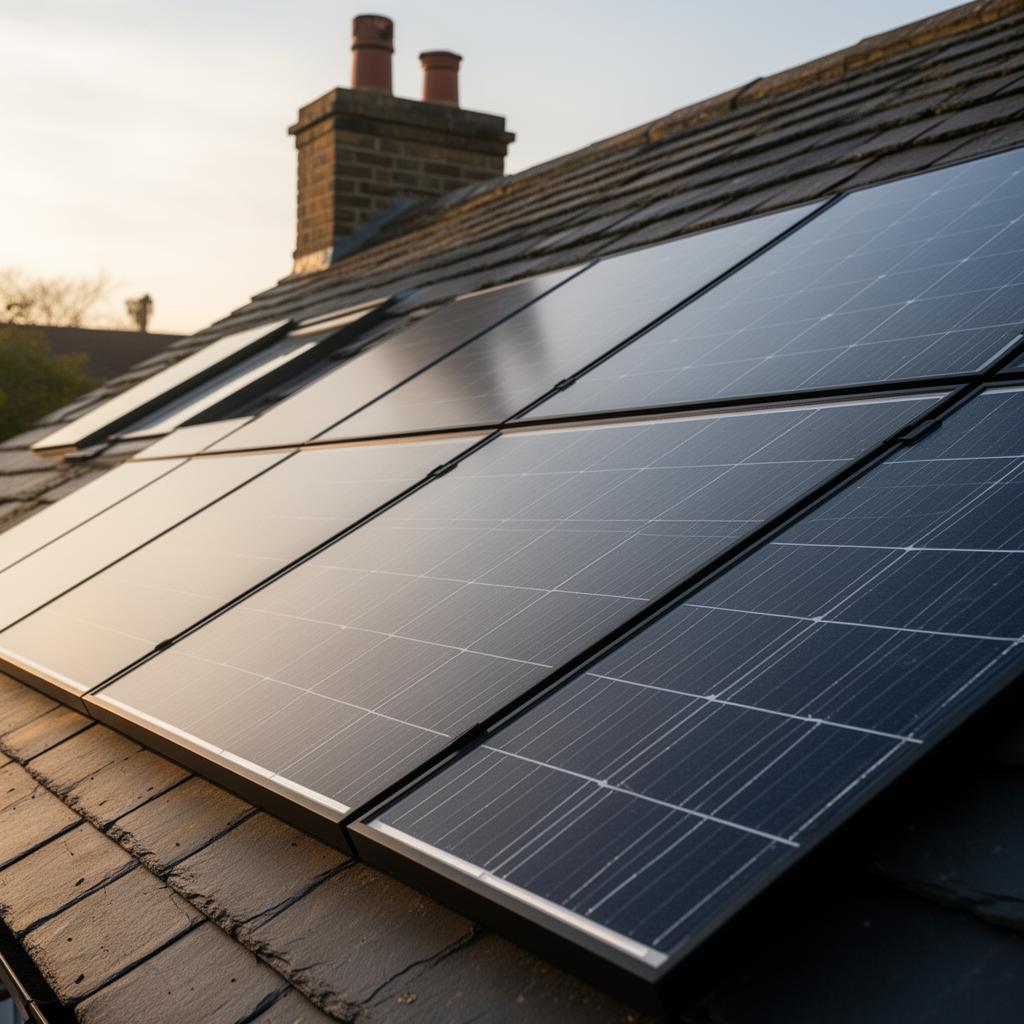
If you have solar panels on your roof, there is a good chance pigeons and other birds have already discovered the warm, sheltered gap beneath them. Solar panel bird proofing in the UK has become one of the most common maintenance requests, and for good reason. Nesting birds can cause real damage to your system, reduce efficiency, and create a persistent mess on your roof. This guide covers why birds target solar panels, how droppings and nesting materials affect performance, and the most effective bird proofing methods available.
How to Stop Pigeons Nesting Under Solar Panels
- Install mesh bird proofing around the panel edges — galvanised steel or plastic mesh clips to the panels and roof, blocking access to the gap underneath (£400 to £800 for a typical system)
- Clean out existing nesting material first — a specialist will remove nests, droppings and debris before fitting the mesh, which may require scaffolding
- Fit bird spikes on exposed rails and ridges — prevents pigeons from perching on top of panels and roosting along the roof line
- Check the mesh every 12 months — high winds can dislodge clips, creating gaps that birds will find quickly
- Ask your installer to fit bird proofing during the initial solar installation — this is significantly cheaper than retrofitting, typically adding £200 to £400 while scaffolding is already in place
Pigeon nesting is one of the most common maintenance issues with UK solar panels. Nests block ventilation, trap moisture and can cause hot spots that reduce panel efficiency by up to 10%. Droppings on the panels also reduce light absorption. Bird proofing during initial installation is the most cost-effective approach, but retrofit mesh can be fitted to any existing system by a specialist pest control or solar maintenance company.
Why Do Pigeons Nest Under Solar Panels?
The gap between your roof tiles and the underside of solar panels creates an almost perfect nesting environment. It is sheltered from rain and wind, protected from predators, and warmed by both the sun hitting the panel surface and heat radiating from the roof below. For pigeons, which nest year-round in the UK, this is prime real estate.
Once a pair of pigeons establishes a nest, they will return to the same spot repeatedly. Pigeons can produce up to six broods per year, and each nest attracts more birds to the area. Within a single season, one pair can turn into a colony, with nesting material, droppings, and feathers accumulating rapidly beneath the panels.
It is not just pigeons either. Starlings, sparrows, and jackdaws are all known to nest under panels, though pigeons are by far the most common culprits in urban and suburban areas.
How Bird Droppings Reduce Solar Panel Efficiency
Pigeon droppings on the surface of solar panels create a physical barrier that blocks sunlight from reaching the photovoltaic cells. Research has shown that heavy soiling from bird droppings can reduce panel output by up to 89% in severe cases, though even a moderate accumulation can cut generation by 20-30%.
The problem is worse than general dirt or dust because bird droppings are opaque, sticky, and acidic. Unlike rain-washable grime, dried pigeon droppings bond to the glass surface and require manual cleaning to remove. The acidic content can also etch the anti-reflective coating on panels over time, causing permanent efficiency losses.
Beyond the panel surface, nesting materials can block ventilation around the panels. Solar panels need airflow beneath them to stay cool and maintain efficiency. When twigs, feathers, and droppings fill the gap, panels run hotter and lose an additional 2-5% of output from thermal effects.
Other Damage Caused by Birds Nesting Under Solar Panels
The efficiency loss from droppings is just one part of the problem. Birds nesting under solar panels can cause several other issues.
- Cable damage – Birds peck at the wiring and connectors beneath panels. Damaged cables can cause arcing, reduced output, or complete system failure, and repairs require a qualified electrician to access the roof.
- Roof tile damage – Nesting activity can dislodge or crack roof tiles, leading to leaks that may not be immediately visible.
- Blocked gutters – Nesting material and droppings wash into gutters and downpipes, causing blockages and potential water damage to fascia boards and walls.
- Health risks – Pigeon droppings carry bacteria and fungi that can cause respiratory infections. Dried droppings become airborne dust that can enter the home through vents or open windows.
- Noise – Pigeons are not quiet neighbours. Cooing and scratching at dawn, particularly during breeding season, is a common complaint from homeowners with nesting birds under panels.
Solar Panel Bird Proofing Methods Compared
Several bird proofing solutions exist, ranging from simple mesh barriers to more advanced deterrent systems. Here is how they compare.
| Method | Typical Cost | Effectiveness | Lifespan | Notes |
|---|---|---|---|---|
| Mesh barrier clips | £400-£700 | Very high | 15-20 years | Most popular and recommended method |
| Solar panel skirts | £500-£900 | Very high | 20+ years | Neat finish, also improves panel aesthetics |
| Bird spikes | £200-£400 | Moderate | 10-15 years | Deter perching but do not block nesting gap |
| Bird netting | £300-£500 | High | 5-10 years | Can sag and trap birds if poorly installed |
| Ultrasonic deterrents | £50-£150 | Low | 2-3 years | Birds habituate quickly, not recommended as sole measure |
Mesh barrier clips (the gold standard)
The most effective and widely recommended solution is a galvanised steel or stainless steel mesh that clips around the entire perimeter of the solar panel array. The mesh attaches to the panel frames using purpose-made clips that do not require drilling into the panels or roof, preserving your panel warranty.
The mesh physically blocks the gap between the panel edge and the roof surface, preventing any bird from accessing the space beneath. It is virtually invisible from the ground, weather-resistant, and lasts as long as the panels themselves. For a standard 10-12 panel system, expect to pay £500-£700 including installation.
Solar panel skirts
Solar skirts are solid aluminium or plastic trims that fit around the panel perimeter, creating a clean, finished appearance while blocking bird access. They are slightly more expensive than mesh but offer a neater aesthetic, particularly on visible roof elevations. Some manufacturers now offer colour-matched skirts to blend with different panel frame colours.
How Much Does Solar Panel Bird Proofing Cost in the UK?
The total cost of solar panel bird proofing depends on the number of panels, the accessibility of your roof, the method chosen, and whether existing nesting material needs to be cleared first.
For a typical 10-14 panel residential system, the total cost including scaffolding, nest removal, cleaning, and mesh installation ranges from £500-£700. Larger systems or properties requiring additional scaffolding may cost up to £1,000.
This breaks down roughly as follows:
- Scaffolding or roof access: £150-£300
- Nest removal and cleaning: £100-£200
- Bird proofing mesh and clips: £150-£250 (materials)
- Installation labour: £100-£200
Many solar installation companies now offer bird proofing as an add-on service at the point of installation. Having it done at the same time as your panel installation avoids a second scaffolding cost and typically saves £150-£250 compared to retrofitting later.
Can You Bird Proof Solar Panels Yourself?
DIY bird proofing kits are available online, typically costing £100-£200 for materials to cover a standard array. However, we strongly advise against DIY installation for several reasons.
- Working at roof height carries a serious fall risk. Most domestic solar panels are on first or second-storey roofs.
- Incorrect clip attachment can damage panel frames or void your manufacturer warranty.
- If nests are present, they may need to be removed by a licensed pest controller. Disturbing nesting wild birds is an offence under the Wildlife and Countryside Act 1981.
- Existing pigeon droppings should be cleaned by someone wearing appropriate respiratory protection.
The safest and most cost-effective approach is to have bird proofing installed by a professional, ideally at the same time as your solar panel installation.
Maintenance Tips to Prevent Re-Nesting
Once bird proofing is installed, some ongoing attention ensures it remains effective for the full life of your solar system.
- Annual visual inspection – Check the mesh from the ground (binoculars help) each spring for any gaps, loosened clips, or damage from storms.
- Gutter clearing – Even with bird proofing, some debris will accumulate in gutters near the panels. Clear gutters in autumn to prevent blockages.
- Panel cleaning – An annual professional clean removes any residual droppings and grime, maintaining peak output. A clean typically costs £80-£150.
- Trim nearby trees – Overhanging branches give birds a landing platform close to your panels. Keeping branches trimmed back reduces the attractiveness of your roof.
- Remove food sources – If you feed garden birds, position feeders well away from the house. Bird tables directly below solar panels attract exactly the visitors you want to discourage.
When to Act: Signs That Birds Are Nesting Under Your Panels
The sooner you address a bird problem, the easier and cheaper it is to resolve. Look out for these warning signs.
- Visible droppings on or around the panels when viewed from the ground
- Birds regularly landing on or near the panels, particularly in pairs
- Twigs, straw, or feathers visible at the panel edges or in gutters
- A sudden unexplained drop in solar generation on your monitoring app
- Scratching, cooing, or rustling noises from the roof, particularly early morning
If you spot these signs, contact a specialist sooner rather than later. Outside of nesting season (September to January), nest removal is straightforward. During nesting season (March to August), active nests with eggs or chicks are legally protected and cannot be disturbed until the birds have fledged.
Planning ahead is the best approach. If you are getting solar panels installed, ask your installer about adding bird proofing from day one. You can get a free quote that includes bird proofing as part of the installation package.
Frequently Asked Questions
Does bird proofing void my solar panel warranty?
Not if installed correctly using clip-on systems designed for the purpose. Professional bird proofing mesh attaches to the panel frame edges using spring clips or adhesive mounts, with no drilling required. This preserves both the panel warranty and your roof warranty. DIY methods involving screws or adhesive tape applied directly to panels may void the warranty.
How long does solar panel bird proofing last?
Galvanised steel mesh typically lasts 15-20 years, stainless steel even longer. This means a single installation should last for most or all of your solar panel system’s operational life. The clips may need occasional tightening after storms, but the mesh itself is highly durable.
Is it legal to remove pigeon nests from under solar panels?
You can remove inactive nests (those without eggs or chicks) at any time of year. However, it is a criminal offence under the Wildlife and Countryside Act 1981 to disturb nesting birds with eggs or dependent young. The safest approach is to have nests removed and bird proofing installed between September and February, outside the main nesting season.
Will pigeons come back after bird proofing is installed?
Pigeons will likely return and attempt to access their former nesting site, but a properly installed mesh barrier prevents them from getting underneath the panels. They may perch on top of the panels initially, but without access to the sheltered space beneath, they will eventually move on to other nesting sites. Adding spikes to the ridge tiles above the panels can discourage perching.
Should I get bird proofing when my solar panels are first installed?
Yes, this is the most cost-effective approach. Having mesh fitted during the initial installation avoids a second scaffolding cost and means birds never get the chance to establish a nest. Many installers offer bird proofing as a standard add-on for an additional £200-£350 when done alongside the panel installation.
See what these numbers mean for your home
Free instant estimate — costs, savings, payback and grants for your region.

Related Articles
Is Solar Battery Storage Worth It in 2026?
Solar panels are now a common sight on UK rooftops, but the real game-changer in 2026 is battery storage. A home battery lets you store the electricity your panels generate…
2 June 2026
Why Spring Is the Perfect Time to Install Solar Panels
If you have been thinking about solar panels for a while but never quite pulled the trigger, spring is the moment to act. The combination of lengthening days, mild installation…
23 April 2026
How the Energy Price Cap Affects Heat Pump and Solar Panel Payback
See how the energy price cap affects heat pump and solar panel payback periods. Real calculations using current UK unit rates show why investing now locks in stronger returns.
15 April 2026