Solar Panels on Slate Roofs: Special Installation Costs and Methods
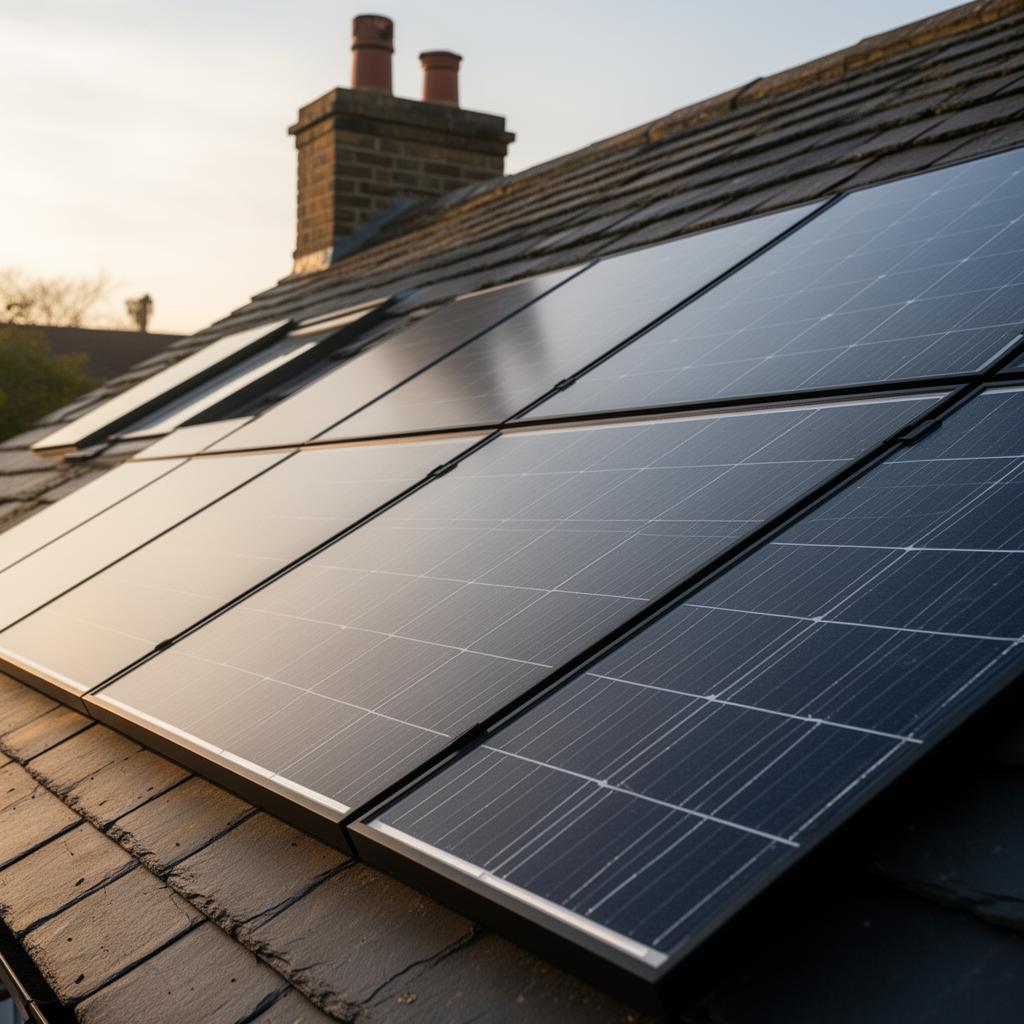
Installing solar panels slate roof UK properties present is one of the more challenging and expensive residential solar projects. Natural slate is beautiful, durable and fragile. Standard solar mounting techniques designed for concrete or clay tiles cannot be used on slate without risking cracks, leaks and expensive roof damage. Specialist brackets, experienced installers and additional labour time all contribute to a cost premium of approximately 30% over a standard tile roof installation.
How Much Does It Cost to Install Solar Panels on a Slate Roof?
Solar panel installation on a slate roof costs £6,000 to £9,500 for a typical 4 to 6 kW system in 2026, which is £500 to £1,500 more than a standard tile roof installation. The premium covers specialist slate hooks that slide under individual slates rather than requiring tiles to be removed, plus the additional labour time needed to work carefully with brittle natural slate without cracking surrounding slates.
The key to a successful slate roof installation is using experienced MCS-certified installers who have specific experience with slate. Generic tile hooks will crack slates and cause leaks. Purpose-made slate hooks from manufacturers such as Renusol or K2 slide between slates and hook onto the batten beneath, leaving the roof watertight. Always ask prospective installers how many slate roof installations they have completed and request references from previous customers.
This guide explains why slate roofs need special treatment, the methods installers use, the realistic costs involved and why it is still worth investing in solar for a slate-roofed home.
Why Slate Roofs Are More Difficult for Solar Installation
On a standard concrete or clay tile roof, solar panel mounting rails are attached using hooks that slide under lifted tiles and bolt to the rafters. The tiles are designed to overlap and can be lifted, adjusted and replaced relatively easily. The process is fast, and a competent installer can mount panels on a tiled roof in one to two days.
Natural slate is different in several important ways:
- Fragility: slate is a natural stone that splits along its grain. It can crack or shatter if stepped on, levered or subjected to point loading from standard tile hooks
- Nailing pattern: slates are individually nailed to battens. Unlike tiles that hang on nibs, each slate must be un-nailed to remove it, and the nail holes must be sealed or the slate replaced when refitting
- Overlap precision: slate roofs rely on precise overlapping for weathertightness. Disturbing this overlap during mounting bracket installation can create water ingress points
- Replacement cost: if slates are damaged during installation, matching replacements can be expensive, particularly for Welsh or Westmorland slate that may no longer be quarried in the original size or colour
These factors mean that solar panel installation on a slate roof requires more skill, more time and specialist mounting hardware.
Solar Panel Installation Methods for Slate Roofs
UK installers use several specialist techniques for slate roof solar installations. The method chosen depends on the slate type, roof age and installer preference.
Slate Hook Method
Purpose-designed slate hooks slot between individual slates and bolt to the rafter below. The hook is thin enough to sit in the gap between overlapping slates without lifting them significantly. A small notch may be cut in the lower edge of the overlapping slate to accommodate the hook, preserving the weathertight overlap.
This is the most common method for natural slate roofs in good condition. It requires careful measurement to locate rafter positions (using a detector or pilot holes) and precise hook placement to avoid cracking slates.
Replacement Slate Bracket Method
This approach removes individual slates at the mounting points and replaces them with specially moulded slate-effect brackets. The bracket sits in place of the original slate, providing a fixing point for the mounting rail while maintaining the roof’s weathertight layer.
The removed slates are stored for future use (for example, if the panels are ever removed). This method works well when the slates are fragile or irregular, making hook insertion risky. The replacement brackets are typically made from composite material or lead-dressed steel.
Bonded Bracket Method
Some installers use brackets bonded directly to the slate surface using structural adhesive, avoiding any need to remove or lift slates. The bracket is bonded to the slate and then bolted through to the rafter below. This minimises disruption to the slate coursing but relies on the adhesive bond remaining strong over decades.
Bonded brackets are less common and not universally accepted by MCS assessors. Check that your installer’s chosen method is fully MCS-compliant before proceeding.
Solar Panels Slate Roof UK: Costs Breakdown
The cost premium for a slate roof installation is approximately 30% over a standard concrete tile roof. Here is how a typical 4 kWp system compares.
| Component | Concrete Tile Roof | Slate Roof |
|---|---|---|
| Solar panels | 2,500 – 3,500 | 2,500 – 3,500 |
| Inverter | 800 – 1,200 | 800 – 1,200 |
| Mounting hardware | 400 – 700 | 800 – 1,400 |
| Installation labour | 1,500 – 2,000 | 2,500 – 4,000 |
| Scaffolding | 500 – 800 | 500 – 800 |
| Spare slates/repairs | N/A | 200 – 500 |
| Total installed | 5,700 – 8,200 | 7,300 – 11,400 |
For a typical three-bed home, a slate roof solar installation costs approximately 9,000 to 9,500 pounds compared to 7,000 to 7,500 pounds on a standard tile roof. The additional 2,000 to 2,500 pounds comes from specialist mounting hardware, extra labour time and a contingency for slate replacement.
Installation Time: Why Slate Roofs Take Longer
A standard tile roof solar installation takes one to two days. A slate roof installation typically takes three to five days. The additional time is needed for:
- Rafter location: slate roofs often have irregular batten spacing, requiring more careful rafter detection and pilot drilling
- Slate handling: each slate around the mounting points must be carefully lifted, removed or notched without cracking it. This is slow, delicate work
- Hook or bracket fitting: specialist slate hooks require precise alignment and careful torquing to avoid cracking the surrounding slates
- Weatherproofing: additional sealant and flashing work around each fixing point to maintain the roof’s waterproof integrity
- Quality checking: a final inspection of every disturbed slate to ensure no cracks or lifted edges that could cause future water ingress
The extra days on scaffolding also add to the labour cost, which is the single biggest contributor to the slate roof premium.
Is It Worth Installing Solar Panels on a Slate Roof?
Despite the 30% cost premium, solar panels on a slate roof are still a sound investment. The financial case remains strong.
A 4 kWp system on a slate roof costing 9,500 pounds and generating 3,800 kWh per year saves approximately 930 pounds annually in electricity costs. The payback period is approximately 10 to 11 years, compared to 7 to 8 years for a concrete tile roof installation. After payback, the system generates free electricity for another 15-20 years.
Over a 25-year lifetime, the total savings from a slate roof solar system are approximately 23,000 pounds, versus a total investment of 9,500 pounds. That is a return of roughly 2.4:1, which is still an excellent investment despite the higher upfront cost.
The key is choosing an installer with specific slate roof experience. Ask for examples of previous slate roof installations, check their MCS certification and ensure they carry adequate insurance for slate damage. Request a free quote to find experienced installers in your area.
Protecting Your Slate Roof During and After Installation
A good installer will take specific precautions to protect your slate roof.
- Walk boards: spreading the installer’s weight across multiple slates rather than standing on individual ones
- Foam pads: placing protective pads under tools and equipment on the roof surface
- Spare slates: sourcing matching replacement slates before the installation begins, so any accidentally cracked slates can be replaced immediately
- Photographic record: documenting the roof condition before and after installation as evidence of the work completed
- Post-installation inspection: a thorough check of all disturbed slates and surrounding areas to confirm no damage or weatherproofing issues
After installation, the area around the mounting points should be inspected during routine roof maintenance. Any slates that develop cracks or movement should be repaired promptly to prevent water ingress.
Slate Roof Age: When to Reroof Before Installing Solar
Natural slate roofs can last 75 to 150 years depending on the slate quality. Welsh slate is among the most durable, while some imported slates may deteriorate after 40-60 years. If your slate roof is nearing the end of its life, it may be worth reroofing before installing solar panels, rather than mounting panels on deteriorating slates that will need replacing within the next decade.
Signs that your slate roof may need attention before solar installation include:
- Multiple cracked or slipping slates visible from the ground
- Delaminating (flaking) slate surfaces
- Corroded nails causing slates to slide out of position
- Damp patches on internal ceilings or in the loft space
A roofer’s inspection before the solar survey can identify whether your slates have sufficient remaining life to justify a 25-year solar panel installation on top of them.
Frequently Asked Questions
Can you put solar panels on any type of slate roof?
Yes, though the method varies. Natural Welsh slate, Spanish slate, Chinese slate and reconstituted slate all support solar installation with appropriate mounting techniques. Very thin or heavily weathered slates may require the replacement bracket method rather than hooks to avoid cracking. Your installer will assess the slate condition during the site survey.
Will solar panels damage my slate roof?
Not if installed by an experienced specialist. Some slates around mounting points may be cut, notched or replaced, which is normal and expected. A properly installed system protects the underlying slates from UV degradation and weather, potentially extending the life of the slates beneath the panels. The main risk is accidental cracking during installation, which a competent installer will minimise and repair immediately.
How much extra does a slate roof solar installation cost?
Approximately 30% more than a standard tile roof installation. For a typical three-bed home, this equates to an additional 2,000 to 2,500 pounds, bringing the total to approximately 9,000 to 9,500 pounds for a 4 kWp system.
Do I need a specialist installer for a slate roof?
You need an MCS-certified installer with specific experience in slate roof solar panel installations. Not all solar installers are comfortable working with slate. Ask for evidence of previous slate roof projects and check their insurance covers slate damage. General MCS certification alone does not guarantee slate roof competence.
Can I remove the solar panels later without damaging the slate?
Panels can be removed, though the mounting brackets and hooks will leave some evidence of their presence. Slates that were replaced with brackets can be swapped back to original slates (if they were kept). Hook-fitted slates may have small notches that need filling. A skilled roofer can restore the roof to a clean finish after panel removal.
See what these numbers mean for your home
Free instant estimate — costs, savings, payback and grants for your region.

Related Articles
Is Solar Battery Storage Worth It in 2026?
Solar panels are now a common sight on UK rooftops, but the real game-changer in 2026 is battery storage. A home battery lets you store the electricity your panels generate…
2 June 2026
Why Spring Is the Perfect Time to Install Solar Panels
If you have been thinking about solar panels for a while but never quite pulled the trigger, spring is the moment to act. The combination of lengthening days, mild installation…
23 April 2026
How the Energy Price Cap Affects Heat Pump and Solar Panel Payback
See how the energy price cap affects heat pump and solar panel payback periods. Real calculations using current UK unit rates show why investing now locks in stronger returns.
15 April 2026