MCS Certification Explained: Why It Matters for Your Solar Installation
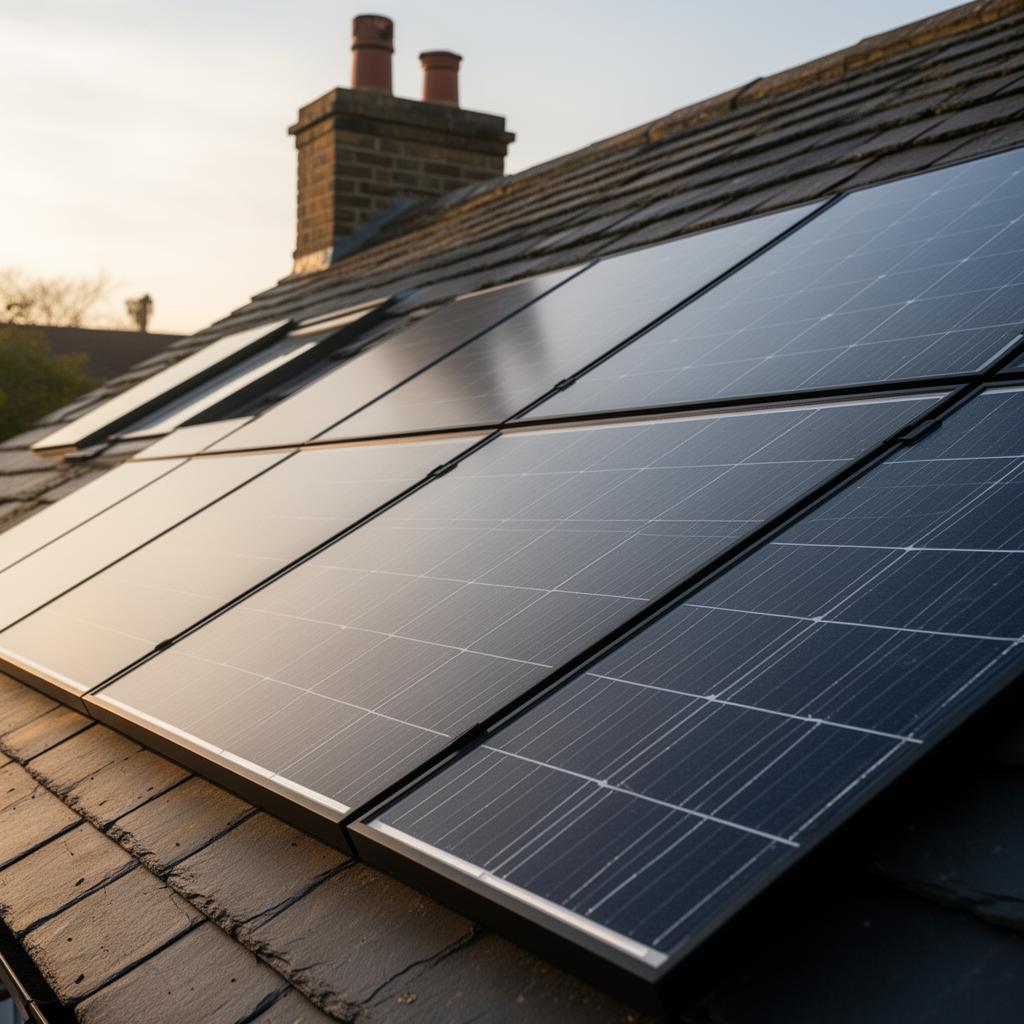
MCS certification solar panels and installations require is the quality standard that underpins the entire UK residential renewable energy industry. The Microgeneration Certification Scheme sets the rules for how solar panels, batteries, heat pumps and other small-scale technologies must be installed and which products can be used. Without it, you lose access to financial incentives, warranty protections and an independent complaints service.
What Is MCS Certification and Why Does It Matter?
MCS (Microgeneration Certification Scheme) certification is an industry quality standard for renewable energy installations in the UK. It matters because only MCS-certified installers can register your system for the Smart Export Guarantee (earning you 4 to 15p per kWh for exported solar electricity), apply for the £7,500 Boiler Upgrade Scheme grant and ensure your installation meets the standards required for most manufacturer warranties.
MCS certification means the installer has been independently audited for technical competence, uses approved products and follows industry installation standards. Without MCS certification, you cannot access government grants, you may void your equipment warranty and your home insurance could be affected. Always verify an installer’s MCS status on the official register at mcscertified.com before signing any contract — it takes 30 seconds and could save you thousands.
This guide explains what MCS certification means in practice, why it matters for your investment, and how to check whether an installer or product is genuinely MCS certified.
What Is MCS Certification?
MCS stands for Microgeneration Certification Scheme. It is an independent, industry-led quality assurance scheme that covers both products (the solar panels, inverters and batteries themselves) and installers (the companies that fit them). The scheme has two components:
- MCS Product Certification: confirms that a solar panel, inverter, battery or other product meets specific performance and safety standards. Only MCS-certified products can be used in MCS-certified installations
- MCS Installer Certification: confirms that an installation company has the technical competence, quality management systems and insurance to install renewable energy systems safely and to a high standard
MCS certification is not a legal requirement for installing solar panels in the UK. You can technically hire an uncertified installer using uncertified products. However, doing so locks you out of virtually every financial benefit and consumer protection associated with solar energy.
Why MCS Certification Matters for UK Homeowners
The practical implications of MCS certification affect your wallet, your warranty and your peace of mind in several important ways.
Smart Export Guarantee Access
The Smart Export Guarantee (SEG) pays you for electricity you export to the grid from your solar panels. Current SEG rates range from 3 to 15p per kWh depending on your energy supplier. For a typical 4 kWp system exporting 50% of its generation, SEG payments can add 200 to 400 pounds per year to your savings.
SEG payments are only available if your installation is MCS certified. An uncertified installation cannot register for SEG, no matter how technically sound it is. Over a 25-year system lifetime, this could mean losing 5,000 to 10,000 pounds in export payments.
0% VAT Eligibility
Solar panels, batteries and other energy-saving materials installed in residential properties benefit from 0% VAT. While this relief is not strictly limited to MCS-certified installations, most reputable suppliers require MCS certification as a condition of their quote. In practice, choosing a non-MCS installer often means paying 20% VAT on the full system cost, adding 1,000 to 2,000 pounds to a typical installation.
Warranty Protection
Solar panel and inverter manufacturers typically require MCS-certified installation as a condition of their product warranty. If a non-MCS installer fits your panels incorrectly and they develop a fault, the manufacturer may refuse to honour the warranty on the grounds that the installation does not meet their required standards.
MCS certification gives you confidence that the installation meets the manufacturer’s specifications, protecting your warranty for the full 25 to 30-year term.
Independent Complaints Service
If something goes wrong with an MCS-certified installation, you have access to the MCS Independent Complaints Service. This service investigates complaints against MCS-certified installers and can order remedial work, compensation or, in serious cases, suspension or removal of the installer’s certification.
Without MCS certification, your only recourse for complaints is through general consumer protection law, which is slower, more expensive and less specialised than the MCS complaints process.
What MCS Installer Certification Involves
Becoming MCS certified is not a simple box-ticking exercise. Installers must demonstrate competence across multiple areas:
- Technical qualifications: installation staff must hold relevant NVQ/SVQ qualifications and manufacturer-specific training for the products they install
- Quality management: the company must operate a documented quality management system covering every stage from initial survey to commissioning
- Insurance: minimum levels of public liability and professional indemnity insurance must be maintained
- Annual audits: MCS conducts annual surveillance audits that include site visits to recently completed installations, checking workmanship, documentation and compliance
- Consumer code: MCS-certified installers must comply with the Renewable Energy Consumer Code (RECC), which sets standards for quotes, contracts, deposit protection and complaints handling
The certification process is rigorous enough that many smaller or less competent installers cannot meet the requirements. This filtering effect is one of the main benefits of choosing an MCS-certified company.
How to Verify MCS Certification
Never take an installer’s word that they are MCS certified. Always verify independently using the MCS register.
To check an installer: visit the MCS Certified Installer search at mcscertified.com and search by company name, postcode or MCS number. The register shows each installer’s certification scope (which technologies they are certified to install), their certification body and their current status.
To check a product: the MCS Product Directory lists every MCS-certified solar panel, inverter, battery and other product. Search by manufacturer or model number to confirm that the products quoted in your installation are on the register.
Key things to verify:
- The installer’s MCS certification is current (not expired or suspended)
- Their certification scope includes the technology you want installed (solar PV, battery storage, etc.)
- The specific panel and inverter models in your quote appear on the MCS Product Directory
- The installer is also a member of a consumer code like RECC or HIES
MCS Certification and the Installation Process
An MCS-certified installation follows a structured process that protects you at every stage.
Pre-installation survey: the installer must conduct a thorough site survey assessing your roof condition, orientation, shading, electrical capacity and structural suitability. This survey informs the system design and the generation estimate provided in your quote.
System design: the design must comply with MCS installation standards (MIS 3002 for solar PV) and relevant building regulations including Part P for electrical work. The installer must calculate the expected annual generation using the MCS Performance Estimate methodology.
Installation: work must be completed to the standards set out in MIS 3002, including proper mounting, weatherproofing, electrical safety and labelling.
Commissioning: after installation, the system must be tested and commissioned with results documented on an MCS commissioning certificate. This certificate is essential for SEG registration.
Documentation: you should receive an MCS certificate, a handover pack including operating instructions, warranty details, generation estimate and electrical certificates. This documentation is your proof of MCS-certified installation.
What Happens Without MCS Certification
Choosing a non-MCS installer might save you a few hundred pounds upfront, but the long-term costs can be significant:
| Benefit | MCS Certified | Non-MCS |
|---|---|---|
| Smart Export Guarantee | Eligible (3-15p/kWh export) | Not eligible |
| 0% VAT (in practice) | Standard | Often 20% VAT |
| Panel warranty | Valid (25-30 years) | May be voided |
| Complaints service | MCS independent service | General consumer law only |
| House value impact | Positive (EPC recognised) | May not be recognised |
| Future grant eligibility | Eligible | Typically excluded |
Over the lifetime of a solar installation, the financial cost of losing SEG payments alone can exceed 5,000 pounds. Add potential warranty issues and VAT differences, and the saving from choosing a cheaper non-MCS installer is almost always a false economy.
To connect with verified MCS-certified installers in your area, request a free quote through our network.
Frequently Asked Questions
Is MCS certification a legal requirement for solar panels?
No. There is no law requiring solar panels to be installed by an MCS-certified company. However, MCS certification is required for Smart Export Guarantee eligibility, and most manufacturers require it for warranty purposes. Electrical work must still comply with Part P building regulations regardless of MCS status.
How much does MCS certification add to the cost of solar panels?
MCS-certified installations typically cost 0 to 500 pounds more than equivalent non-MCS installations. The small premium covers the installer’s certification costs, compliance overhead and documentation requirements. This is negligible compared to the 5,000+ pounds in benefits you gain from SEG payments and warranty protection over the system’s lifetime.
Can I get MCS certification after installation?
It is very difficult. MCS certification requires the installation to be designed, installed and commissioned to MCS standards from the outset. Retrospectively certifying an existing installation requires a full inspection and potentially remedial work to bring it up to standard. It is far simpler and cheaper to use an MCS-certified installer from the start.
Does MCS certification apply to heat pumps and batteries too?
Yes. MCS certification covers solar PV, solar thermal, heat pumps, biomass, wind turbines and battery storage. For heat pumps specifically, MCS certification is required to access the Boiler Upgrade Scheme grant of up to 7,500 pounds. The same quality and competence standards apply across all technologies.
What is the difference between MCS and HIES?
MCS certifies technical competence and product quality. HIES (Home Insulation and Energy Systems) is a consumer protection scheme that provides deposit protection, insurance-backed warranties and a consumer charter. Many solar panel installers hold both MCS certification and HIES membership, providing complementary layers of protection for the homeowner.
See what these numbers mean for your home
Free instant estimate — costs, savings, payback and grants for your region.

Related Articles
Is Solar Battery Storage Worth It in 2026?
Solar panels are now a common sight on UK rooftops, but the real game-changer in 2026 is battery storage. A home battery lets you store the electricity your panels generate…
2 June 2026
Why Spring Is the Perfect Time to Install Solar Panels
If you have been thinking about solar panels for a while but never quite pulled the trigger, spring is the moment to act. The combination of lengthening days, mild installation…
23 April 2026
How the Energy Price Cap Affects Heat Pump and Solar Panel Payback
See how the energy price cap affects heat pump and solar panel payback periods. Real calculations using current UK unit rates show why investing now locks in stronger returns.
15 April 2026