Battery Storage Without Solar Panels: Can You Still Save Money
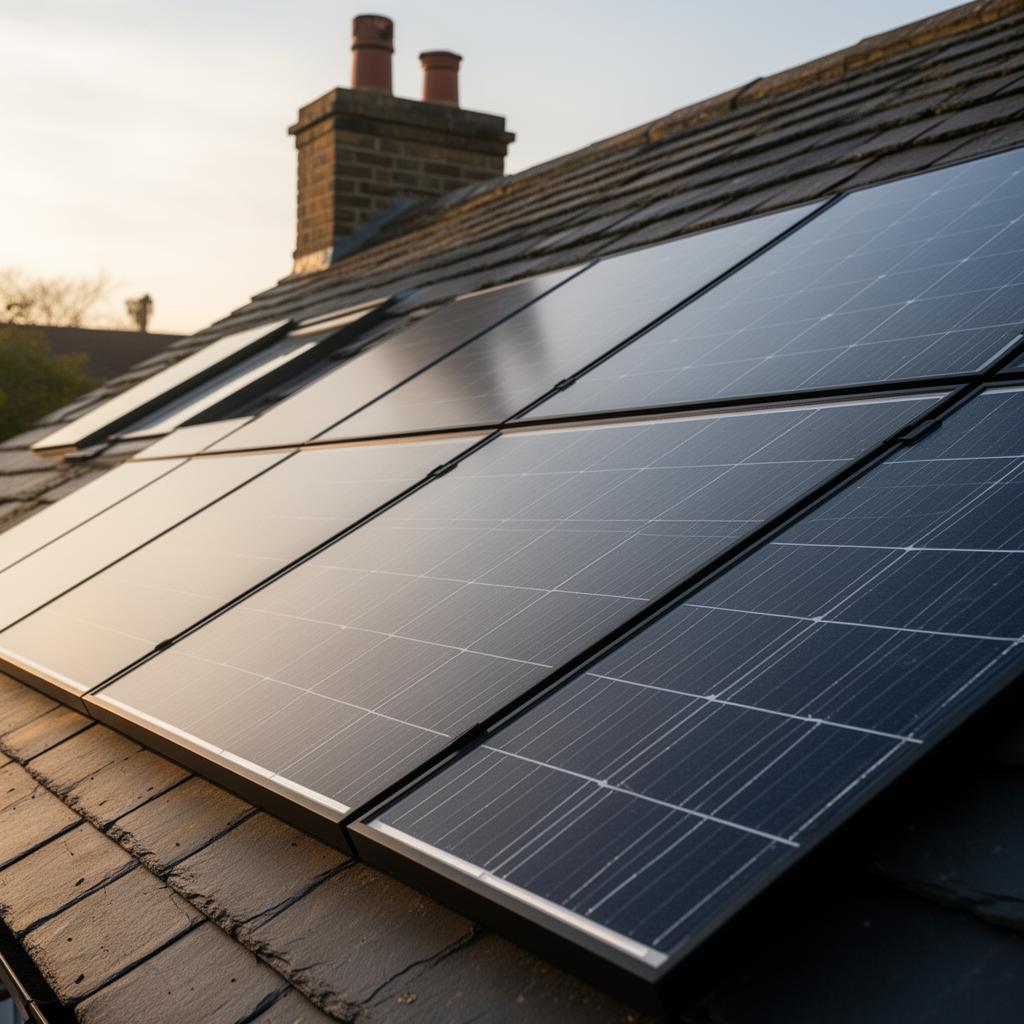
Battery storage without solar panels is one of the fastest-growing trends in UK home energy. The concept is simple: install a home battery, charge it with cheap overnight electricity and use that stored power during expensive peak hours. No solar panels needed, no roof modifications, no planning considerations. Just a battery on your wall and a smart tariff that makes the maths work.
Can You Save Money With Battery Storage and No Solar Panels?
Yes, battery storage without solar panels can save you £300 to £600 per year by exploiting the price difference between cheap overnight electricity and expensive peak-rate power. On a time-of-use tariff such as Octopus Go (7.5p per kWh overnight, 24.5p per kWh daytime), a 10 kWh battery charged overnight at the cheap rate and discharged during the day saves roughly 17p per kWh on every unit stored — around £1.70 per full cycle.
A standalone 10 kWh battery system costs £4,500 to £6,500 installed with 0% VAT, giving a payback period of 8 to 12 years at current tariff spreads. The economics improve if you plan to add solar panels later, as the battery will then also store surplus solar generation. Systems from GivEnergy, Tesla and Fox ESS all support grid-only operation and can be upgraded with solar at any time.
This guide covers the economics of battery-only installations, explains how tariff arbitrage delivers savings, provides realistic payback calculations and helps you decide whether a standalone battery makes sense for your home.
How Battery Storage Without Solar Panels Works
The principle behind a battery-only installation is tariff arbitrage: buying electricity when it is cheap and using it when it is expensive. UK smart tariffs create the price differential that makes this profitable.
On a tariff like Octopus Go, overnight electricity costs approximately 7 to 10p per kWh between 00:30 and 05:30. During the day and evening, the same electricity costs 26 to 30p per kWh. If you charge a 10 kWh battery overnight at 8p per kWh and use that electricity during the day, you save roughly 20p per kWh on every unit you shift from peak to off-peak.
For a 10 kWh battery doing this every day, the daily saving works out as:
- 10 kWh x 20p saving per kWh = 2.00 pounds per day
- Accounting for 5% efficiency losses: approximately 1.90 pounds per day
- Annual saving: approximately 690 pounds per year
On more dynamic tariffs like Octopus Agile, where peak prices can reach 40 to 50p per kWh and overnight rates drop below 5p, daily savings can reach 3 to 5 pounds, with annual savings potentially exceeding 1,000 pounds.
Battery-Only Installation Costs in the UK
A battery-only installation is simpler and cheaper than a full solar-plus-battery system because there are no panels, no roof work and no DC wiring to install.
| Battery System | Capacity | Typical Installed Cost | Cost per kWh |
|---|---|---|---|
| SolaX T58 | 5.8 kWh | 2,800 – 3,500 pounds | 480-600 |
| GivEnergy 9.5 | 9.5 kWh | 4,000 – 5,000 pounds | 420-530 |
| FoxESS ECS 10.4 | 10.4 kWh | 4,200 – 5,200 pounds | 400-500 |
| Tesla Powerwall 3 | 13.5 kWh | 6,500 – 8,500 pounds | 480-630 |
The average cost for a battery-only installation in the UK is approximately 5,000 pounds for a 10 kWh system. Batteries installed as standalone units still qualify for 0% VAT under the UK government’s energy-saving materials relief, which applies regardless of whether solar panels are present.
Installation is typically completed in half a day. The battery is wall-mounted, connected to your consumer unit and configured to charge from the grid during your tariff’s cheap window. No scaffolding, no roof access and no planning permission required.
Realistic Payback Calculations for Battery-Only Systems
The payback period for a battery-only system depends on three variables: the battery cost, the price differential between cheap and peak electricity, and how much of the stored electricity you actually use during peak hours.
Here are three realistic scenarios based on a 10 kWh battery costing 5,000 pounds installed.
| Scenario | Off-Peak Rate | Peak Rate | Daily Saving | Annual Saving | Payback |
|---|---|---|---|---|---|
| Octopus Go (conservative) | 9p/kWh | 28p/kWh | 1.80 pounds | 660 pounds | 7.6 years |
| Octopus Flux (moderate) | 15p/kWh | 35p/kWh + peak export | 2.50 pounds | 910 pounds | 5.5 years |
| Octopus Agile (optimistic) | 6p/kWh | 40p/kWh avg peak | 3.20 pounds | 1,170 pounds | 4.3 years |
The Agile scenario delivers the fastest payback but assumes consistently high peak prices and disciplined charging. The Go scenario is the most conservative and predictable. For most homeowners, the 5 to 8 year payback range is realistic, with the battery then delivering free savings for a further 10+ years of its warranted life.
Which Smart Tariffs Work Best for Battery-Only Homes?
The success of a battery-only installation hinges entirely on your electricity tariff. Without solar panels generating free electricity, you need a tariff with a significant price gap between off-peak and peak rates.
Octopus Go: the simplest option with a fixed cheap rate for 5 hours overnight. Predictable savings, low risk. The 5-hour window is more than enough to fully charge a 10 kWh battery.
Octopus Flux: offers three rate tiers plus export payments. Even without solar, you can charge cheaply at 2am-5am and earn peak export rates between 4pm-7pm by discharging to the grid. This adds an additional revenue stream beyond simple self-consumption.
Octopus Agile: the most volatile but potentially most profitable tariff. Half-hourly pricing means you can cherry-pick the cheapest slots to charge and avoid or export during the most expensive ones. Requires active management or smart automation.
E.ON Next Drive: another two-tier tariff with cheap overnight rates, suitable for battery charging. Less sophisticated than Octopus offerings but a viable alternative if you prefer E.ON.
Battery Storage Without Solar: Advantages
- Lower upfront cost: a battery-only system costs roughly half the price of a solar-plus-battery system
- No roof requirements: works regardless of your roof orientation, condition, material or shading
- Simpler installation: half a day versus 1-2 days for a full solar system, no scaffolding needed
- Works for renters: a battery can potentially be removed and reinstalled if you move, unlike roof-mounted panels
- No planning permission: internal battery installations do not require any permissions
- Immediate savings: start saving from day one with no waiting for sunny weather
Battery Storage Without Solar: Limitations
- Dependent on tariff price gaps: if smart tariff pricing narrows, savings reduce. There is no guarantee that current price differentials will persist indefinitely
- All electricity is purchased: without solar, every unit of electricity you use must be bought from the grid. Solar panels provide genuinely free electricity that no tariff change can take away
- Slower payback than solar-plus-battery: the combined system typically pays back faster because solar offsets more expensive daytime electricity
- No Smart Export Guarantee: without solar generation, you do not qualify for SEG payments. You can still earn export credits on Flux by discharging to the grid, but the rates are lower than solar SEG exports
Should You Add Solar Panels Later?
A battery-only installation is an excellent stepping stone to a full solar-plus-battery system. If you install a battery now and add solar panels later, you avoid the need for a second battery and benefit from tariff arbitrage savings immediately while planning a larger investment.
When choosing a battery for a potential future solar retrofit, select one with a hybrid inverter that supports both grid charging and solar input. Most modern batteries including GivEnergy, FoxESS and Sunsynk are designed for this dual capability. This means your battery installer can pre-wire for solar, reducing the cost of adding panels later.
A combined solar-plus-battery system typically saves 70 to 90% on electricity bills versus 40 to 60% for a battery alone. If your roof is suitable for solar, the combined system delivers the best long-term return. But if budget constraints mean you can only do one thing now, a battery with a smart tariff is a solid starting point.
To explore your options, get a free quote for both battery-only and solar-plus-battery systems from local MCS-certified installers.
Frequently Asked Questions
Can I install a battery without solar panels?
Yes. Battery-only installations are increasingly common in the UK. The battery charges from the grid using cheap overnight electricity and discharges during expensive peak hours. No solar panels are required, and the installation is simpler and cheaper than a combined system.
How much can I save with a battery but no solar?
A 10 kWh battery on a smart tariff typically saves 660 to 1,170 pounds per year depending on the tariff and usage patterns. The highest savings come from dynamic tariffs like Octopus Agile where price differentials are largest. Conservative estimates on simpler tariffs suggest around 1.80 to 2.50 pounds per day.
Do I need a smart meter for a battery-only installation?
Yes. Smart tariffs that make battery-only installations worthwhile require a SMETS2 smart meter. If you do not have one, your energy supplier will install one for free. The smart meter allows half-hourly billing, which is essential for time-of-use tariffs.
Is battery storage without solar eligible for 0% VAT?
Yes. The 0% VAT rate on energy-saving materials applies to standalone battery installations in residential properties. This relief has been in place since early 2024 and covers both battery-only and solar-plus-battery installations, saving you approximately 1,000 pounds on a typical 10 kWh system.
What happens if smart tariff prices change?
If the price gap between off-peak and peak rates narrows, your savings will reduce. However, the UK energy market is trending towards more dynamic pricing, not less, as the grid integrates more renewable energy with variable output. The fundamental need for demand shifting is expected to increase, which should maintain or widen the price differentials that make batteries profitable. Pairing a battery with solar panels provides a hedge against tariff changes because solar generation is free regardless of grid prices.
See what these numbers mean for your home
Free instant estimate — costs, savings, payback and grants for your region.

Related Articles
Is Solar Battery Storage Worth It in 2026?
Solar panels are now a common sight on UK rooftops, but the real game-changer in 2026 is battery storage. A home battery lets you store the electricity your panels generate…
2 June 2026
Why Spring Is the Perfect Time to Install Solar Panels
If you have been thinking about solar panels for a while but never quite pulled the trigger, spring is the moment to act. The combination of lengthening days, mild installation…
23 April 2026
How the Energy Price Cap Affects Heat Pump and Solar Panel Payback
See how the energy price cap affects heat pump and solar panel payback periods. Real calculations using current UK unit rates show why investing now locks in stronger returns.
15 April 2026