Virtual Power Plants Explained: How Your Home Battery Supports the Grid
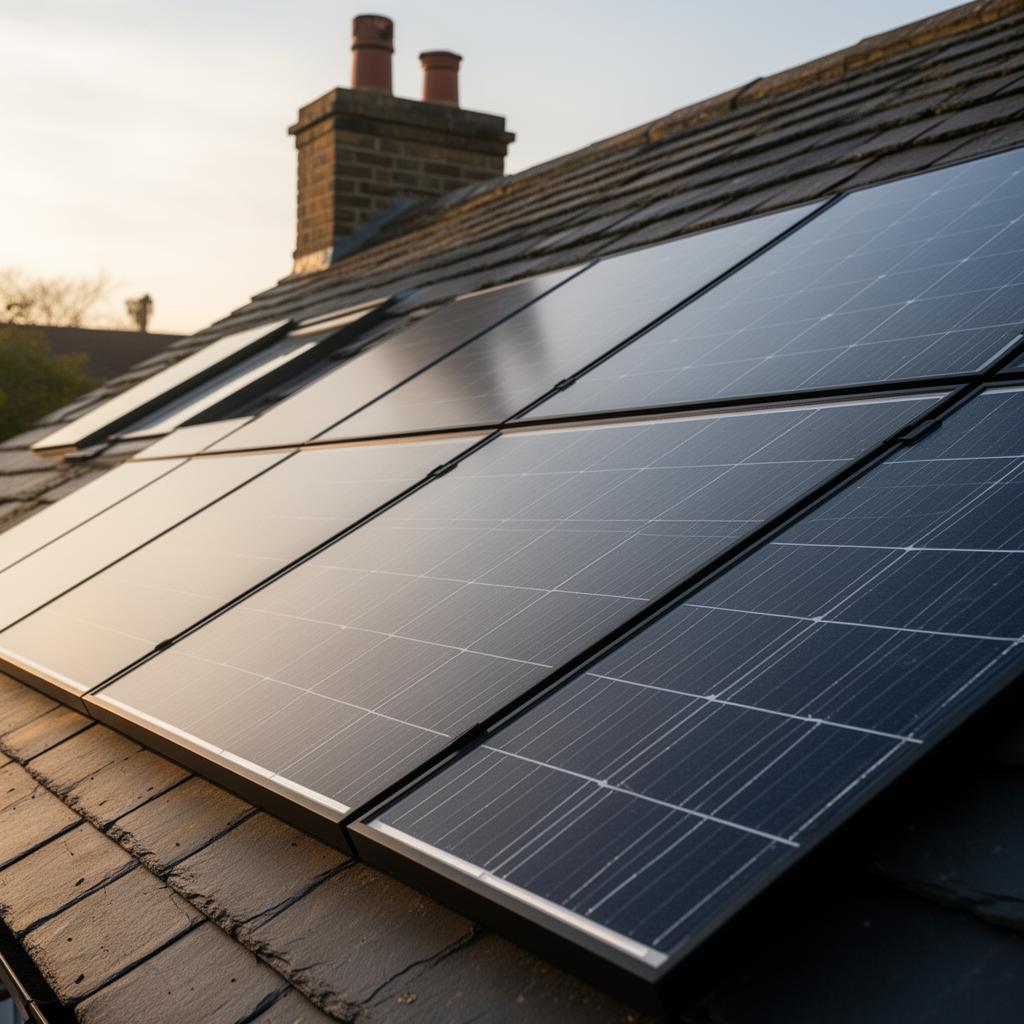
A virtual power plant UK homeowners can now participate in is one of the most exciting developments in residential energy. By connecting thousands of home batteries, EV chargers and heat pumps into a coordinated network, virtual power plants (VPPs) create a distributed energy resource that can balance the national grid, reduce reliance on fossil fuel peaker plants and earn money for participating households.
This guide explains how virtual power plants work, how the Octopus Kraken platform is leading the UK’s VPP revolution, and how homeowners with solar panels and batteries can get paid for supporting the grid.
What Is a Virtual Power Plant?
A traditional power plant is a single large facility that generates electricity. A coal station, gas turbine or nuclear reactor produces hundreds of megawatts from one location. A virtual power plant does the same thing, but instead of one big facility, it aggregates thousands of small distributed energy resources into a single coordinated system.
In practice, a VPP might consist of 50,000 home batteries, each storing 10 kWh of electricity. Individually, each battery is insignificant to the national grid. Collectively, they represent 500 MWh of stored energy, equivalent to a medium-sized gas power station. When the grid needs more power, the VPP operator instructs all 50,000 batteries to discharge simultaneously, delivering a burst of electricity exactly when it is needed.
The beauty of this model is that it uses existing infrastructure. Homeowners have already bought and installed their batteries for personal savings. The VPP simply coordinates when those batteries charge and discharge, creating grid value from devices that would otherwise sit idle for much of the day.
How the Octopus Kraken VPP Platform Works
Octopus Energy’s Kraken platform is the UK’s largest virtual power plant operator, managing over 2 GW of distributed energy devices. This includes home batteries, EV chargers, heat pumps and other flexible loads across hundreds of thousands of UK homes.
The Kraken platform works through a series of coordinated steps:
- Forecasting: Kraken predicts grid demand, renewable generation and wholesale prices for the next 24-48 hours
- Planning: the AI creates an optimal charge and discharge schedule for every connected device, balancing grid needs against each homeowner’s preferences
- Dispatching: when the grid needs support, Kraken sends instructions to thousands of devices simultaneously, typically adjusting battery discharge rates within seconds
- Settlement: homeowners receive payments for their contribution, either as reduced tariff rates or direct credits
The system is designed to be invisible to participants. Your home still has power when you need it, your battery still charges from your solar panels, and your EV still charges overnight. Kraken simply optimises the timing to benefit both you and the grid.
How Virtual Power Plants Reduce Fossil Fuel Reliance
The UK electricity grid faces a daily challenge: demand peaks between 4pm and 7pm when millions of people return home, switch on lights, cook dinner and heat their homes. This peak is typically met by gas-fired power stations called peaker plants, which are expensive to run and produce significant carbon emissions.
Virtual power plants address this by providing an alternative to peaker plants. Instead of burning gas to meet peak demand, the grid draws on stored electricity from thousands of home batteries. This electricity was generated earlier in the day by solar panels or charged from the grid during periods of high wind generation, both of which are cheaper and cleaner than gas.
The numbers are compelling. A fleet of 100,000 home batteries with an average capacity of 10 kWh represents 1 GWh of stored energy. That is enough to power roughly 3 million homes for one hour, displacing a significant amount of gas generation. As more batteries join VPP networks, the need for peaker plants diminishes, driving down both wholesale electricity costs and carbon emissions.
How Homeowners Get Paid for VPP Participation
Participating in a virtual power plant is not charity. Homeowners receive financial benefits for allowing their batteries to be coordinated by the VPP operator. The exact mechanism varies by platform and tariff, but typical benefits include:
- Better tariff rates: Octopus Intelligent Flux participants typically pay 2 to 5p less per kWh than standard tariffs because the VPP optimisation reduces Octopus’s wholesale costs
- Premium export payments: when the VPP exports your stored electricity during peak demand, you receive the peak export rate, which can be 20 to 27p per kWh on Flux
- Grid services payments: some VPP operators pay directly for demand response events, with homeowners earning 10 to 50p per event depending on the grid service provided
- Reduced standing charges: some tariffs offset standing charges for active VPP participants
Real-world data from UK VPP participants suggests additional annual savings of 100 to 300 pounds beyond what they would earn from standard tariff management alone. For a battery that costs 5,000 to 8,000 pounds, this accelerates the payback by 1 to 2 years.
Which Batteries Support Virtual Power Plant Participation?
Not all home batteries can participate in VPP programmes. The battery and inverter must support remote control via an API (Application Programming Interface) that allows the VPP platform to adjust charge and discharge schedules.
| Battery | VPP Compatible | Platform |
|---|---|---|
| Tesla Powerwall 3 | Yes | Tesla Virtual Power Plant, Octopus Intelligent |
| GivEnergy | Yes | Octopus Intelligent, third-party |
| Alpha Smile G3 | Limited | Some third-party platforms |
| SolaX | Yes | Octopus Intelligent |
| FoxESS | Yes | Octopus Intelligent, third-party |
| Sunsynk | Yes | Third-party, Home Assistant |
Tesla and GivEnergy have the most mature VPP integrations, with Octopus Intelligent Flux support built into their respective platforms. Other brands are rapidly adding VPP capabilities, and the list of compatible devices grows with each quarter.
VPP Participation: What Are the Risks?
Homeowners considering VPP participation sometimes worry about losing control of their battery or being left without power when they need it. Here is what you need to know.
You always have power: VPP platforms are designed with homeowner comfort as a priority. You can set minimum battery charge levels (for example, never discharge below 20%) to ensure you always have a buffer for unexpected needs. The platform respects these limits.
You can opt out: participation is voluntary. If you are going on holiday and want a full battery for backup, or if you simply want to pause participation for any reason, you can disable VPP control through the app at any time.
Battery degradation is minimal: the additional cycling from VPP participation typically adds 10-15% more cycles per year. For LFP batteries rated for 6,000+ cycles, this has negligible impact on lifespan. Some VPP operators explicitly guarantee that participation will not void your battery warranty.
Cybersecurity: VPP platforms use encrypted communications and authenticate all control signals. The risk of a malicious actor hijacking your battery through a VPP platform is extremely low, comparable to the risk of any other cloud-connected smart home device.
The Future of Virtual Power Plants in the UK
The UK government and National Grid ESO see virtual power plants as essential to the country’s net zero targets. As more homes install solar panels, batteries and heat pumps, the potential VPP capacity grows exponentially.
Industry forecasts suggest that by 2030, UK home batteries could provide 5 to 10 GW of VPP capacity, enough to replace several large gas power stations entirely. This would save billions in infrastructure costs and significantly reduce the UK’s carbon emissions from electricity generation.
For homeowners, the message is clear: installing a solar and battery system today positions you to benefit from VPP revenues that will grow as the grid’s need for flexible storage increases. Early adopters are already earning hundreds of pounds a year from VPP participation, and those payments are likely to increase as the market matures.
Ready to explore solar and battery options? Get a free quote from MCS-certified installers in your area.
Frequently Asked Questions
Do I need solar panels to join a virtual power plant?
No. A standalone battery charged from the grid can participate in VPP programmes. However, homes with solar panels and batteries provide more flexibility to the VPP operator because they can both generate and store electricity, making them more valuable participants with higher earning potential.
Will VPP participation drain my battery when I need it?
No. You set a minimum charge level that the VPP will never breach. If you set a 20% floor, your battery will always have at least 20% charge available for your own use. The VPP only uses capacity above your minimum threshold, and you can adjust this limit at any time through the app.
How much can I earn from a virtual power plant?
Earnings vary based on battery size, tariff and how active the grid market is. UK participants typically earn an additional 100 to 300 pounds per year beyond their normal tariff savings. As VPP markets mature, these earnings are expected to increase.
Is VPP participation available across the whole UK?
VPP programmes are available throughout England, Scotland and Wales wherever there is grid connectivity. There are no geographic restrictions within mainland GB. Northern Ireland has a separate electricity market with different VPP opportunities. You need a smart meter and a compatible battery to participate.
See what these numbers mean for your home
Free instant estimate — costs, savings, payback and grants for your region.

Related Articles
Is Solar Battery Storage Worth It in 2026?
Solar panels are now a common sight on UK rooftops, but the real game-changer in 2026 is battery storage. A home battery lets you store the electricity your panels generate…
2 June 2026
Why Spring Is the Perfect Time to Install Solar Panels
If you have been thinking about solar panels for a while but never quite pulled the trigger, spring is the moment to act. The combination of lengthening days, mild installation…
23 April 2026
How the Energy Price Cap Affects Heat Pump and Solar Panel Payback
See how the energy price cap affects heat pump and solar panel payback periods. Real calculations using current UK unit rates show why investing now locks in stronger returns.
15 April 2026