Home Energy Management Systems: How to Automate Your Solar and Battery
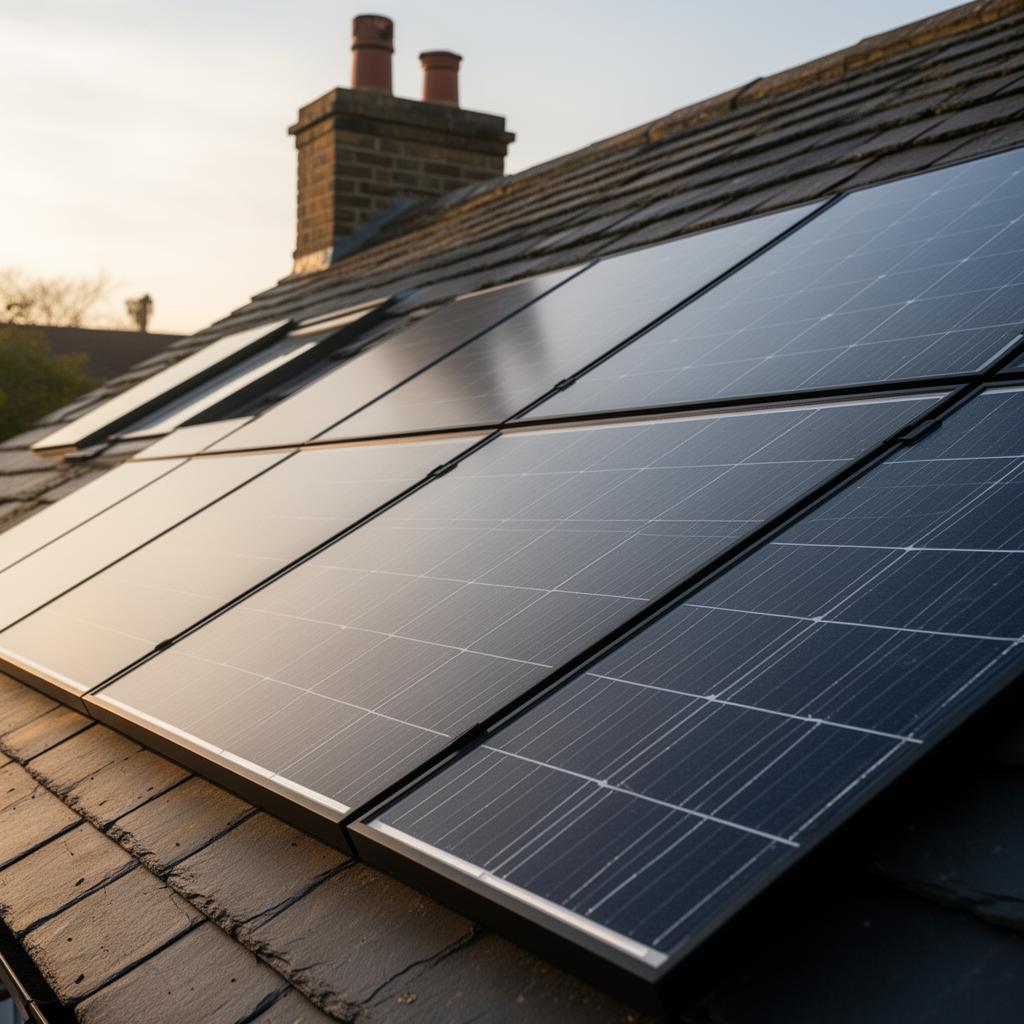
A home energy management system solar owners are increasingly adopting can transform a good solar and battery installation into a great one. Rather than manually scheduling when your battery charges and discharges, a HEMS platform uses weather forecasts, wholesale electricity prices and your historical consumption patterns to make those decisions automatically, squeezing every possible penny of savings from your system.
This guide explains how home energy management systems work, compares the leading platforms available to UK homeowners, and explores how smart automation could eventually eliminate peak electricity demand altogether.
What Is a Home Energy Management System?
A home energy management system (HEMS) is software, sometimes combined with hardware, that monitors and controls the flow of electricity around your home. At its simplest, it tracks how much energy your solar panels generate, how much your battery stores and how much your household consumes. At its most advanced, it actively controls when your battery charges, when it discharges, when your EV charges and which appliances run.
The core logic behind every HEMS is straightforward: buy electricity when it is cheap, use stored electricity when it is expensive, and maximise self-consumption of free solar energy. The complexity lies in predicting the future, because the system needs to decide now what to do with energy it might need in three hours.
A well-configured HEMS can increase your annual savings by 15 to 30% compared to basic timer-based battery management, translating to an additional 150 to 400 pounds per year for a typical UK solar and battery home.
How HEMS Platforms Use Weather and Price Data
The most effective home energy management systems combine multiple data sources to make intelligent decisions.
Weather Forecast Integration
By pulling in local weather forecasts, a HEMS can predict how much solar energy your panels will generate tomorrow. If a sunny day is forecast, the system may avoid charging the battery from the grid overnight because it knows solar will fill it during the day. If rain is predicted, it charges from cheap overnight electricity to ensure you have enough stored energy to cover the next day.
The accuracy of solar prediction algorithms has improved significantly. Modern systems can forecast daily generation within 10 to 15% accuracy using hyperlocal weather data, panel orientation and historical generation patterns specific to your installation.
Wholesale Price Tracking
For homeowners on variable tariffs like Octopus Agile, HEMS platforms monitor wholesale electricity prices in real time. When prices drop below a threshold, the system triggers battery charging. When prices spike, it switches to battery power or exports stored electricity for profit.
Some platforms can react to price signals within seconds, capturing brief negative price events where you are literally paid to consume electricity. These events are rare but can save 50p to 2 pounds each time they occur.
Consumption Pattern Learning
Over time, a HEMS learns your household’s consumption patterns. It knows you typically use more electricity on weekday mornings when everyone is getting ready, that the washing machine runs mid-afternoon, and that consumption drops when you go on holiday. This learning allows it to reserve battery capacity for predicted demand spikes rather than discharging everything early in the evening.
Leading Home Energy Management Systems for UK Solar Owners
Several HEMS platforms are available to UK homeowners, ranging from manufacturer-specific portals to independent third-party systems.
| Platform | Compatible Hardware | Cost | Key Features |
|---|---|---|---|
| Myenergi Hub | Eddi, Zappi, Libbi | Free (with hardware) | Solar diverter control, EV charging, battery scheduling |
| GivEnergy Portal | GivEnergy batteries/inverters | Free | Tariff scheduling, solar forecasting, EV integration |
| SolarEdge Home | SolarEdge inverters/batteries | Free | AI optimisation, appliance control, weather integration |
| Tesla Energy | Tesla Powerwall | Free | Storm Watch, time-based control, whole-home backup |
| Octopus Kraken | Multiple (via Intelligent) | Free (with tariff) | 2 GW managed devices, automated tariff optimisation |
| Home Assistant | Almost anything | Free (open source) | Unlimited customisation, community integrations |
Myenergi Ecosystem: UK-Made Smart Energy
Myenergi, based in Grimsby, has built a comprehensive ecosystem of smart energy devices that work together through a central hub. The Eddi solar diverter, Zappi EV charger and Libbi battery all communicate to optimise energy use across your home.
The Myenergi app provides a clear overview of energy flows and allows you to set priorities. For example, you can tell the system to charge your EV first, then fill the battery, then divert surplus to hot water. The hub handles the coordination automatically.
The main limitation is that Myenergi devices only work within their own ecosystem. You cannot use the Myenergi hub to control a GivEnergy battery or a non-Myenergi EV charger. If you are starting from scratch, the integrated approach works well. If you already have other hardware, compatibility may be limited.
GivEnergy Portal: Tariff-Aware Battery Management
The GivEnergy monitoring portal is one of the most data-rich platforms available to UK homeowners. It shows detailed graphs of generation, consumption, battery state of charge and grid import/export, with historical data going back to the day your system was installed.
For tariff management, the portal allows you to set multiple charge and discharge windows that align with your electricity tariff. Combined with Octopus Flux or Agile, this enables sophisticated arbitrage strategies without needing third-party software.
The portal also supports remote firmware updates and diagnostics, allowing GivEnergy support staff to troubleshoot issues without visiting your home. Given the solar panel and battery system’s complexity, this remote support capability is valuable.
Octopus Kraken: The Virtual Power Plant Platform
Octopus Energy’s Kraken platform manages over 2 GW of distributed energy devices across the UK, including home batteries, EV chargers and heat pumps. When you sign up for Intelligent Octopus Flux, your battery becomes part of this managed fleet.
Kraken’s advantage is scale. By managing millions of devices simultaneously, it can optimise not just your individual savings but the entire grid’s efficiency. When the grid is under stress, Kraken can reduce demand by delaying non-essential battery charging across thousands of homes, earning payments that are passed back to participants.
For individual homeowners, Kraken’s optimisation typically delivers 5 to 15% better savings than manual tariff management, because the AI can react to real-time grid conditions that are impossible for a human to track.
Home Assistant: The DIY Energy Management Option
For technically minded homeowners, Home Assistant is a free, open-source platform that can integrate virtually any smart energy device into a single automated system. It runs on a small computer (Raspberry Pi or similar) in your home and communicates with your solar inverter, battery, EV charger, smart plugs and more.
Home Assistant’s energy management capabilities include real-time solar forecasting via the Solcast integration, Octopus tariff rate tracking, battery charge scheduling and automated appliance control based on solar surplus. Community-developed blueprints provide ready-made automation recipes for common scenarios.
The trade-off is complexity. Home Assistant requires technical knowledge to set up and maintain. It is not a plug-and-play solution, and troubleshooting requires comfort with configuration files and technical documentation. For homeowners who enjoy tinkering, it is the most powerful and flexible option. For everyone else, a manufacturer platform is the better choice.
The Future: How Smart Homes Could Eliminate Peak Demand
Looking beyond individual homes, the widespread adoption of HEMS platforms has the potential to reshape the UK electricity grid. If millions of home batteries are coordinated by intelligent platforms, the collective effect is a virtual power station that can absorb surplus renewable generation and release it during demand peaks.
The UK’s peak electricity demand occurs between 4pm and 7pm on cold winter evenings, when heating, cooking and lighting all coincide. This peak drives the need for expensive gas-fired power stations that sit idle most of the year. If enough home batteries discharge during this window, the peak flattens, those power stations become unnecessary, and wholesale electricity costs drop for everyone.
Octopus Energy’s Kraken platform is already demonstrating this concept at scale, and the National Grid ESO has identified distributed battery storage as a key component of its future grid strategy. Homeowners who install solar panels and batteries today are not just saving money, they are building the infrastructure of a cleaner, cheaper energy system.
If you are ready to explore solar and battery options with smart energy management, request a free quote to compare systems from local MCS-certified installers.
Frequently Asked Questions
Do I need a separate HEMS device or is software enough?
Most modern HEMS platforms are software-only, running on your existing inverter or battery’s built-in controller. Manufacturer platforms like GivEnergy Portal and Tesla Energy require no additional hardware. Third-party platforms like Home Assistant need a small dedicated computer. The only hardware you might add is a CT clamp for energy monitoring if your inverter does not already include one.
Can a HEMS control individual appliances?
Some platforms can, particularly SolarEdge Home and Home Assistant. By connecting smart plugs or smart switches to appliances like washing machines, dishwashers and immersion heaters, the HEMS can turn them on when solar surplus is available and off when it runs out. This level of appliance control can save an additional 50 to 150 pounds per year.
Will a HEMS work without a smart tariff?
Yes, but the savings are smaller. A HEMS on a flat-rate tariff still optimises self-consumption of solar energy, which reduces grid imports. However, the biggest savings come from tariff arbitrage, which requires a time-of-use tariff with different rates at different times of day.
How much does a home energy management system cost?
Most manufacturer HEMS platforms are free, included with your battery or inverter purchase. Third-party platforms like Home Assistant are free software running on hardware costing approximately 50 to 100 pounds. There are no ongoing subscription fees for any of the platforms listed in this guide. The real cost is the time needed to set up and configure the system.
See what these numbers mean for your home
Free instant estimate — costs, savings, payback and grants for your region.

Related Articles
Is Solar Battery Storage Worth It in 2026?
Solar panels are now a common sight on UK rooftops, but the real game-changer in 2026 is battery storage. A home battery lets you store the electricity your panels generate…
2 June 2026
Why Spring Is the Perfect Time to Install Solar Panels
If you have been thinking about solar panels for a while but never quite pulled the trigger, spring is the moment to act. The combination of lengthening days, mild installation…
23 April 2026
How the Energy Price Cap Affects Heat Pump and Solar Panel Payback
See how the energy price cap affects heat pump and solar panel payback periods. Real calculations using current UK unit rates show why investing now locks in stronger returns.
15 April 2026