Solar Diverters Explained: Free Hot Water From Excess Solar Energy
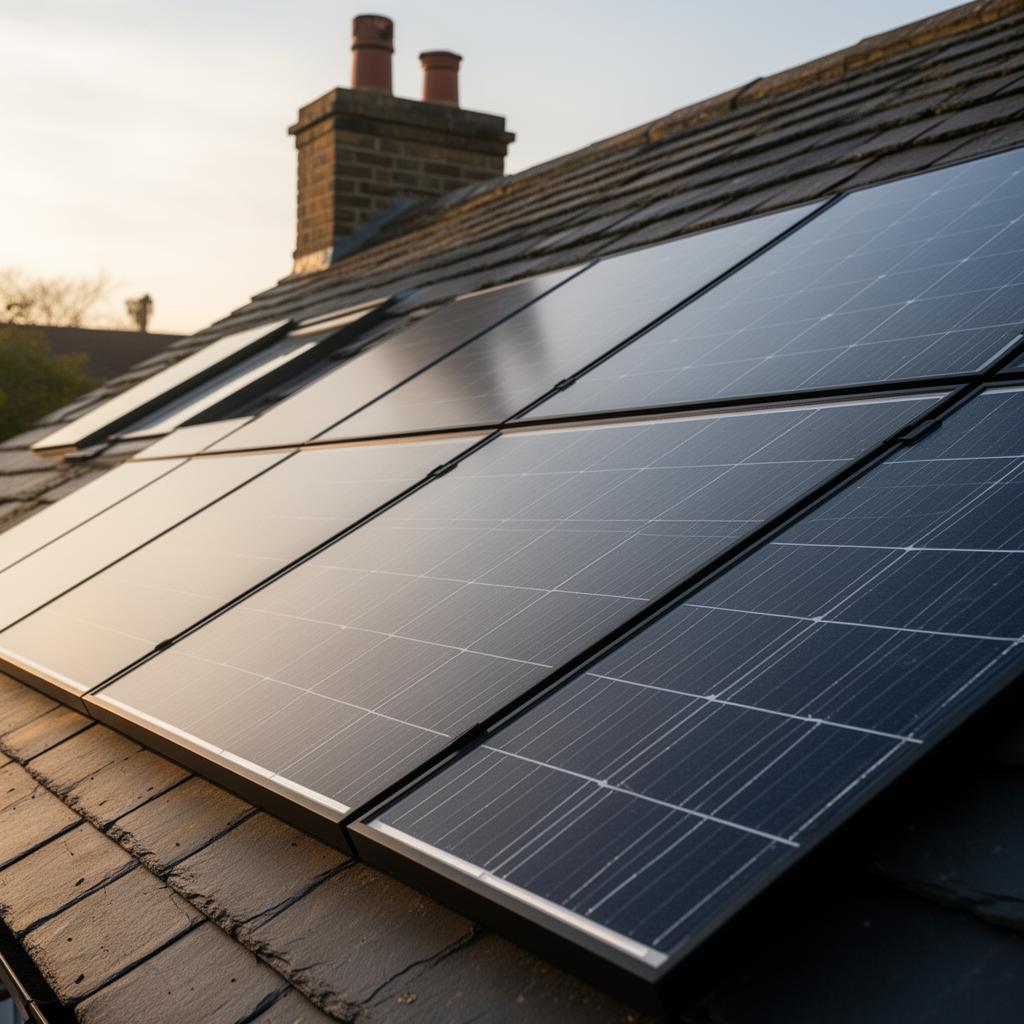
A solar diverter UK homeowners are increasingly discovering is one of the simplest and most cost-effective ways to use excess solar electricity. Rather than exporting surplus power to the grid for a few pence per kilowatt hour, a solar diverter redirects that energy to your immersion heater, giving you free hot water without any wasted generation.
What Is a Solar Diverter?
A solar diverter is a device that automatically redirects excess solar electricity to your immersion heater instead of exporting it to the grid. Costing £300 to £800 installed, it monitors your generation and household consumption in real time and sends any surplus power to heat your hot water tank, providing free hot water during sunny months and reducing your reliance on gas or electricity for water heating.
Popular models in the UK include the myenergi eddi, iBoost+ and SolarEdge Smart Energy Hot Water. A solar diverter typically saves £150 to £300 per year by using energy that would otherwise be exported at 4 to 15p per kWh, converting it into hot water worth 24.5p per kWh at the current import rate. Payback is usually achieved within two to four years.
In this guide we explain exactly how solar diverters work, compare the leading models, break down costs and help you decide whether a diverter or a battery is the smarter investment for your home.
How Does a Solar Diverter Work?
A solar diverter sits between your solar panel system and your hot water cylinder. It continuously monitors how much electricity your panels are generating versus how much your home is consuming. When generation exceeds demand, instead of sending that surplus to the grid, the diverter channels it to your immersion heater.
The clever part is how it manages partial surplus. If your panels are generating 3 kW but your home is using 2.5 kW, the diverter does not simply switch the immersion heater on and off. Instead, it uses phase-angle control to send precisely 500 watts to the immersion heater, matching the surplus exactly. This means zero electricity is exported and zero is drawn from the grid.
The process happens automatically, dozens of times per second, with no input required from you. Once installed and configured, the diverter works silently in the background every time the sun shines.
Leading Solar Diverter Models in the UK
Two brands dominate the UK solar diverter market, with a handful of budget alternatives available.
| Model | Price | Max Power | Monitoring | Smart Home | Warranty |
|---|---|---|---|---|---|
| Myenergi Eddi | 350-400 pounds | 3.68 kW | App + web portal | Yes (API) | 3 years |
| Marlec iBoost+ | 250-300 pounds | 3 kW | LED display only | No | 2 years |
| Solar iBoost+ | 250-280 pounds | 3 kW | Wireless sender | No | 2 years |
| Catch Power Green Catch | 300-350 pounds | 3.6 kW | App | Limited | 5 years |
Myenergi Eddi
The Myenergi Eddi is the premium choice and the most feature-rich solar diverter on the UK market. Made in Lincolnshire, it integrates with Myenergi’s ecosystem including the Zappi EV charger and Libbi battery. The app provides detailed monitoring of how much energy has been diverted, and it supports two heating loads, so you can prioritise hot water and then divert any remaining surplus to a second circuit such as underfloor heating.
At 350 to 400 pounds before installation, the Eddi costs more than alternatives, but the monitoring capability and smart home integration justify the premium for tech-savvy homeowners.
Marlec iBoost+
The Marlec iBoost+ is the budget workhorse of the UK solar diverter market. It does one job well: divert surplus solar electricity to your immersion heater. There is no app and no smart home integration, just a simple wireless display unit that shows how much energy has been diverted today and in total.
At 250 to 300 pounds, the iBoost+ costs around 100 pounds less than the Eddi. For homeowners who simply want free hot water without fussing over apps and data, it is the straightforward choice.
Solar Diverter UK Installation and Compatibility
Installing a solar diverter is a relatively quick job for a qualified electrician. The key requirements are:
- A hot water cylinder with an immersion heater: this is the most important requirement. If you have a combi boiler with no hot water cylinder, a solar diverter will not work for you
- An existing solar panel system: any grid-connected solar PV system is compatible
- A CT (current transformer) clamp: this clips around your meter tails to measure export and import in real time
- A dedicated 16A circuit: the diverter needs its own circuit from the consumer unit to the immersion heater
Installation typically takes 2 to 3 hours and costs 100 to 200 pounds for labour, bringing the total installed cost of a solar diverter to approximately 350 to 600 pounds depending on the model chosen.
Combi Boiler Compatibility
Solar diverters do not work with combi boilers. A combi boiler heats water on demand directly from the mains, with no hot water cylinder or immersion heater to divert energy to. If you have a combi boiler and want to use surplus solar electricity, your options are a battery storage system or switching to a hot water cylinder with a heat pump.
Some homeowners with combi boilers install a dedicated hot water cylinder and immersion heater specifically to work with a solar diverter. This adds approximately 500 to 800 pounds to the project cost but can still be worthwhile if you have significant solar surplus.
How Much Can a Solar Diverter Save?
The savings from a solar diverter depend on how much surplus solar electricity you generate and how much hot water you use. Here are some realistic UK figures.
A typical 4 kWp solar panel system on a south-facing roof generates around 3,800 kWh per year. A household that uses 50% of this directly will export approximately 1,900 kWh. A solar diverter can capture 1,000 to 1,500 kWh of this surplus for hot water heating, depending on your hot water demand and solar generation patterns.
At current electricity rates of approximately 24.5p per kWh, diverting 1,200 kWh per year to your immersion heater saves roughly 290 to 370 pounds per year on hot water costs. With a total installed cost of 350 to 600 pounds, the payback period is typically 1 to 2 years, making a solar diverter one of the fastest-returning home energy investments available.
Solar Diverter vs Battery Storage: Which Is Better?
This is a common question, and the honest answer is that they serve different purposes and work best together.
| Factor | Solar Diverter | Battery Storage |
|---|---|---|
| Cost | 350-600 pounds | 4,000-9,000 pounds |
| Payback period | 1-2 years | 7-12 years |
| Energy stored as | Hot water | Electricity |
| Flexibility | Hot water only | Any appliance |
| Works without sun | No | Yes (grid charging) |
| Smart tariff arbitrage | No | Yes |
| Backup in power cut | No | Some models |
A solar diverter is a much cheaper investment with a far faster payback, but it only provides hot water. A battery stores electricity that can power any appliance, and it can also charge from cheap overnight grid electricity for tariff arbitrage.
For homeowners on a budget, a solar diverter is the obvious first step. If you already have a battery and are still exporting surplus solar, adding a diverter captures even more value from your panels.
Does the Smart Export Guarantee Make Solar Diverters Less Worthwhile?
The Smart Export Guarantee (SEG) pays you for electricity exported to the grid. Current SEG rates range from 3p to 15p per kWh depending on your energy supplier and tariff. The question is whether you are better off exporting for payment or diverting for hot water.
The maths is straightforward. If your SEG rate is 5p per kWh and your electricity import rate is 24.5p per kWh, diverting to hot water saves you 24.5p per kWh you would otherwise have bought, versus earning just 5p per kWh from export. Diverting is nearly five times more valuable than exporting at typical SEG rates.
The exception is if you are on a premium export tariff like Octopus Flux, which pays up to 15p per kWh for peak-time exports. Even then, diverting is usually better value because avoiding a 24.5p import still saves more than a 15p export payment. The only scenario where exporting beats diverting is if you already have enough hot water and the marginal benefit of additional diversion is zero.
Solar Diverter Installation Tips
If you decide to install a solar diverter, keep these practical tips in mind.
- Set the immersion thermostat to 60 degrees Celsius: this prevents legionella bacteria growth while maximising the amount of solar energy your cylinder can absorb
- Ensure your cylinder is well insulated: a poorly insulated cylinder loses heat faster than the diverter can add it. British Standard hot water cylinders should have at least 50mm of foam insulation
- Position the diverter near the consumer unit: this simplifies wiring and reduces installation costs
- Consider a timer backup: set your boiler to heat water for 30 minutes in the morning as a backup for cloudy days, then let the diverter handle the rest
- If you have two immersion elements: connect the diverter to the lower element for maximum solar heating, and keep the upper element on a timer for backup
A qualified electrician can install a solar diverter in a few hours. If you would like to explore solar diverters as part of a broader energy system, request a free quote from our network of installers.
Frequently Asked Questions
Can I use a solar diverter with a combi boiler?
No. Solar diverters require a hot water cylinder with an immersion heater. Combi boilers heat water on demand and have no storage cylinder. You would need to install a separate hot water cylinder with an immersion heater, adding approximately 500 to 800 pounds to the project cost.
Will a solar diverter work with a battery?
Yes, but the battery will typically take priority. Most battery management systems charge the battery first, and the solar diverter captures whatever surplus remains after the battery is full. In summer, when solar generation is high, both the battery and diverter can operate simultaneously. In winter, the battery may absorb all available surplus before the diverter gets any.
How much hot water can a solar diverter produce?
On a sunny summer day, a 4 kWp solar panel system with a diverter can heat a full 200-litre cylinder from cold to 60 degrees Celsius in approximately 4 to 6 hours. This provides enough hot water for a family of four. In winter, the diverter will supplement your boiler rather than replace it entirely.
Is a solar diverter better than solar thermal panels?
For most UK homes that already have solar PV panels, a diverter is the better option. Solar thermal panels are a separate system that heats water directly using the sun’s heat, costing 3,000 to 5,000 pounds installed. A solar diverter achieves a similar result for a fraction of the cost by using your existing solar PV electricity. Solar thermal only makes sense if you do not have and do not plan to install solar PV panels.
Do I need planning permission for a solar diverter?
No. A solar diverter is an internal electrical device that requires no planning permission. It is installed inside your home, typically next to or near your consumer unit, and has no external visual impact. The installation must comply with Part P electrical regulations and should be carried out by a qualified electrician.
See what these numbers mean for your home
Free instant estimate — costs, savings, payback and grants for your region.

Related Articles
Is Solar Battery Storage Worth It in 2026?
Solar panels are now a common sight on UK rooftops, but the real game-changer in 2026 is battery storage. A home battery lets you store the electricity your panels generate…
2 June 2026
Why Spring Is the Perfect Time to Install Solar Panels
If you have been thinking about solar panels for a while but never quite pulled the trigger, spring is the moment to act. The combination of lengthening days, mild installation…
23 April 2026
How the Energy Price Cap Affects Heat Pump and Solar Panel Payback
See how the energy price cap affects heat pump and solar panel payback periods. Real calculations using current UK unit rates show why investing now locks in stronger returns.
15 April 2026