Best Home Battery Storage Systems in the UK Compared
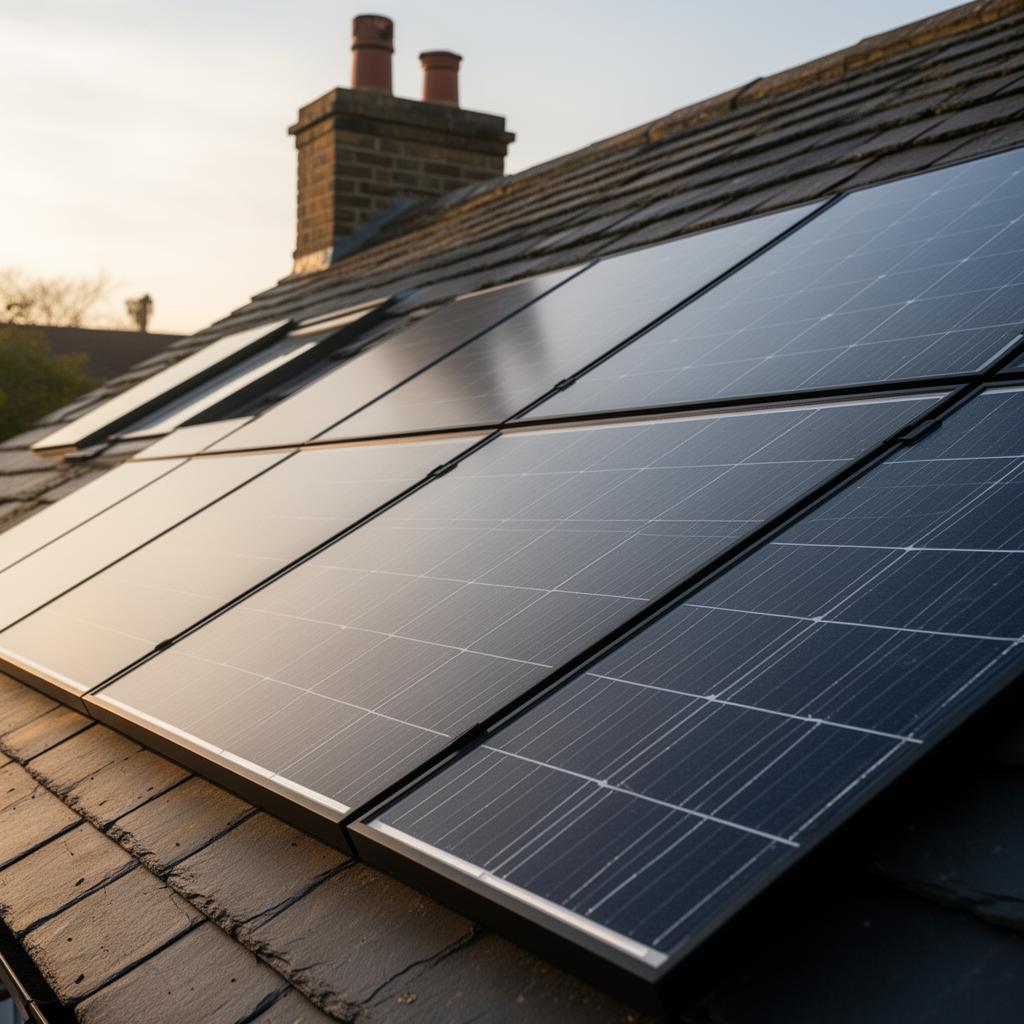
Choosing the best battery storage UK homeowners can buy is no longer straightforward. The market has grown from a handful of options to over a dozen credible products, each with different capacities, warranties, smart features and price points. Whether you are pairing a battery with new solar panels or retrofitting storage to an existing system, picking the right unit can make the difference between a 6-year payback and a 12-year one.
Best Home Battery Storage Systems in the UK
- Tesla Powerwall 3 — 13.5 kWh capacity with integrated inverter, seamless app control and VPP compatibility
- GivEnergy 9.5 kWh — best value UK battery with modular stacking up to 19 kWh and excellent installer network
- Enphase IQ 5P — modular 5 kWh units that scale easily, ideal for smaller solar systems
- BYD HVS/HVM — modular high-voltage battery from 5.1 to 22.1 kWh, widely supported by UK inverter brands
- SolaX Triple Power — affordable 3.0 to 6.3 kWh units, good entry point for solar self-consumption
- Foxess ECS — competitive pricing with 2.88 to 17.28 kWh modular options and strong UK warranty support
The best battery for your home depends on your solar system size, daily electricity usage and budget. For most UK households with a 4 to 6 kW solar array, a 9 to 13.5 kWh battery provides enough storage to cover evening and overnight use. All residential battery installations are currently VAT-free, which reduces the upfront cost by 20 percent compared to the standard rate.
This guide compares the six most popular home battery systems available through UK installers in 2026, covering everything from raw specifications to real-world performance and value for money.
Best Battery Storage UK: The Top Six Compared
Before diving into individual reviews, here is a head-to-head comparison of the leading home batteries available in the UK market.
| Battery | Capacity | Continuous Output | Efficiency | Warranty | Cost per kWh | Installed Price |
|---|---|---|---|---|---|---|
| Tesla Powerwall 3 | 13.5 kWh | 11.04 kW | 97.5% | 10 years | 520-670 | 7,000-9,000 |
| GivEnergy 9.5 | 9.5 kWh | 3.6 kW | 95-96% | 12 years | 470-580 | 4,500-5,500 |
| Alpha Smile G3 | 11.4 kWh | 6 kW | 95% | 10 years | 480-615 | 5,500-7,000 |
| SolaX T58 | 5.8 kWh | 3 kW | 94% | 10 years | 520-690 | 3,000-4,000 |
| FoxESS ECS | 10.4 kWh | 5.2 kW | 95% | 10 years | 430-530 | 4,500-5,500 |
| Sunsynk 5.12 | 5.12 kWh | 5 kW | 95% | 10 years | 680-880 | 3,500-4,500 |
All prices are approximate and include installation by an MCS-certified installer. Costs benefit from 0% VAT when installed alongside or retrofitted to solar panels.
Tesla Powerwall 3: Best for Whole-Home Backup
The Tesla Powerwall 3 remains the benchmark that every other home battery is measured against. Its 13.5 kWh capacity and 11.04 kW continuous output are unmatched at this price point, and the integrated inverter simplifies installation by removing the need for a separate unit on your wall.
Tesla’s software ecosystem is the other major advantage. The Tesla app provides real-time energy monitoring, Storm Watch weather-based pre-charging, and seamless integration with smart tariffs like Octopus Flux. Whole-home backup means every circuit in your house stays powered during a grid outage, not just a few essential circuits.
The downsides are price and availability. At 7,000 to 9,000 pounds installed, it costs significantly more than most alternatives. Lead times can also stretch to several weeks during peak demand periods. The 10-year warranty, while adequate, is shorter than GivEnergy’s 12-year offering.
Best for: larger homes, whole-home backup priority, tech-savvy homeowners who value the Tesla ecosystem.
GivEnergy 9.5 kWh: Best Value Battery Storage in the UK
GivEnergy has been the volume leader in UK residential battery installations for good reason. The 9.5 kWh unit delivers solid performance at a price that makes financial sense for most three-bed homes. The 12-year warranty is the longest in the market, and the modular design lets you add capacity later up to a 17.5 kWh maximum.
The GivEnergy portal provides excellent monitoring and control, with straightforward tariff scheduling that works well with Octopus and other time-of-use providers. Remote health checks at 5, 8 and 10 years add peace of mind.
The elephant in the room is GivEnergy’s April 2026 administration. While existing batteries continue to function normally and warranty claims are still being processed, the long-term future of the brand depends on whether a buyer emerges. For homeowners comfortable with this uncertainty, the product itself remains excellent value at 4,500 to 5,500 pounds installed.
Best for: budget-conscious buyers, modular expansion plans, homeowners who prioritise warranty length.
Alpha Smile G3: Best All-Round Battery System
The Alpha Smile G3 occupies the sweet spot between Tesla’s premium positioning and GivEnergy’s value focus. With 11.4 kWh of usable capacity and 6 kW continuous output, it offers more power than GivEnergy without the Powerwall 3’s price tag.
Alpha ESS is a well-established manufacturer with a solid track record in the UK commercial battery market that has translated well into residential products. The G3 features integrated EPS for backup power, and the monitoring app is clean and functional if not quite as polished as Tesla’s.
At 5,500 to 7,000 pounds installed, the Alpha Smile G3 costs more than GivEnergy but offers higher output and a more established parent company. The 10-year warranty is standard for the industry.
Best for: homeowners wanting a balanced choice of capacity, power and price without the premium Tesla cost.
SolaX T58: Best Budget Battery Storage Option
SolaX has built a strong reputation in the UK installer market, particularly for budget-friendly systems. The T58 offers 5.8 kWh of storage at an installed price of just 3,000 to 4,000 pounds, making it the most affordable entry point for homeowners who want to dip their toes into battery storage.
The 5.8 kWh capacity is enough to cover evening peak usage for a small to medium household, though larger families will find it runs flat before bedtime. SolaX’s hybrid inverter is well-regarded by installers for its reliability and ease of commissioning.
The 3 kW continuous output is the main limitation. This is fine for lighting, televisions and kitchen appliances, but it will not simultaneously power an electric shower and a kettle. Backup functionality is available but limited to essential circuits only.
Best for: smaller homes, tight budgets, first-time battery buyers who want to test the technology.
FoxESS ECS: Best Battery Storage for Smart Tariff Arbitrage
FoxESS has rapidly gained market share in the UK thanks to competitive pricing and strong smart tariff support. The ECS series offers 10.4 kWh of storage with a 5.2 kW output, positioning it as a direct GivEnergy competitor with a potentially more stable supply chain.
The FoxESS monitoring platform includes automated tariff switching and supports integration with Octopus, E.ON Next and other variable-rate providers. Some installers report that FoxESS commissioning is among the fastest in the industry, which helps keep installation costs down.
At a cost per kWh of approximately 430 to 530 pounds, the FoxESS ECS offers the best value per unit of storage in this comparison. The 10-year warranty is standard, and the LFP chemistry ensures long cycle life.
Best for: tariff arbitrage enthusiasts, value-focused buyers who want 10+ kWh of capacity.
Sunsynk 5.12 kWh: Best Hybrid Inverter Battery System
Sunsynk has carved out a niche with its highly capable hybrid inverter, which many installers rate as the most flexible on the UK market. The 5.12 kWh battery is compact and modular, with a 5 kW inverter output that punches above its weight for a battery of this size.
The Sunsynk inverter supports dual MPPT, battery management and grid interaction in a single unit. Its compatibility with a wide range of third-party batteries means you are not locked into Sunsynk’s own cells if you want to expand later.
The downside is cost per kWh. At 680 to 880 pounds per kWh, the Sunsynk is the most expensive option in this comparison on a storage-per-pound basis. You are paying for inverter quality and flexibility rather than raw capacity.
Best for: homeowners who prioritise inverter quality and future flexibility over upfront storage capacity.
How to Choose the Right Battery for Your Home
Selecting the best battery storage for your home depends on several factors that are unique to your situation.
- Daily electricity consumption: check your smart meter data. Most UK three-bed homes use 8-12 kWh per day, so a 9.5-13.5 kWh battery covers a full day’s usage
- Solar panel size: a battery should roughly match your daily surplus. A 4 kWp system generates around 4-6 kWh of surplus on a sunny day, making a 5-10 kWh battery ideal
- Budget: if cost is the priority, the FoxESS ECS or SolaX T58 offer the most storage per pound
- Backup power: if you need whole-home backup during power cuts, the Tesla Powerwall 3 is the clear choice
- Smart tariff plans: if you plan to use Octopus Flux or Agile, choose a battery with proven tariff integration
- Future expansion: if you might add more storage later, choose a modular system like GivEnergy or Sunsynk
The best approach is to get quotes from MCS-certified installers who can assess your specific consumption, roof and budget to recommend the right system. A good installer will right-size your battery rather than simply selling you the biggest unit available.
Smart Tariff Compatibility Comparison
Smart tariff arbitrage is increasingly important for battery owners. Buying cheap overnight electricity at 7-10p per kWh and avoiding peak rates of 30-40p per kWh can save 3 to 5 pounds per day. Here is how each battery handles smart tariff integration.
| Battery | Octopus Flux | Octopus Agile | Intelligent Octopus | Auto Optimisation |
|---|---|---|---|---|
| Tesla Powerwall 3 | Yes | Yes | Yes | AI-driven |
| GivEnergy 9.5 | Yes | Yes | Yes | Portal-based |
| Alpha Smile G3 | Yes | Manual | No | Limited |
| SolaX T58 | Yes | Manual | No | Limited |
| FoxESS ECS | Yes | Yes | Yes | App-based |
| Sunsynk 5.12 | Yes | Yes | No | Third-party |
Tesla and GivEnergy lead on smart tariff automation, while Alpha and SolaX require more manual scheduling. FoxESS has made significant strides in this area and now matches the leaders for most tariffs.
Frequently Asked Questions
What size home battery do I need in the UK?
Most UK three-bed homes are well served by a battery between 5 and 10 kWh. A 5 kWh battery covers evening peak usage, while a 10 kWh battery can store enough to get you from sunset to sunrise. Check your smart meter data to see how much electricity you use between 4pm and midnight for a more precise figure.
Are home batteries worth it without solar panels?
Yes, battery-only installations are increasingly popular for tariff arbitrage. By charging on cheap overnight rates and discharging during peak hours, a 10 kWh battery can save up to 5 pounds per day. However, payback is faster when the battery is paired with solar panels because you also avoid buying daytime electricity.
How long do home batteries last in the UK?
Modern LFP home batteries are rated for 6,000 or more cycles, which equates to roughly 15 to 20 years of daily use. After this period, the battery will still work but at reduced capacity, typically retaining 60-70% of its original storage. Warranties guarantee at least 70% capacity for 10-12 years.
Can I install a home battery myself in the UK?
No. Home battery installation must be completed by a qualified electrician and, for warranty and Smart Export Guarantee eligibility, by an MCS-certified installer. The work involves high-voltage DC connections and modifications to your consumer unit that require Part P certification. Always use a professional installer and get multiple quotes to ensure a fair price.
Do home batteries need maintenance?
Home batteries require virtually no maintenance. They have no moving parts, no fluids to top up and no filters to clean. The main requirement is keeping the area around the battery clear for ventilation and ensuring Wi-Fi connectivity for monitoring and firmware updates. Most manufacturers recommend an annual visual inspection to check for any signs of damage or moisture ingress.
See what these numbers mean for your home
Free instant estimate — costs, savings, payback and grants for your region.

Related Articles
Is Solar Battery Storage Worth It in 2026?
Solar panels are now a common sight on UK rooftops, but the real game-changer in 2026 is battery storage. A home battery lets you store the electricity your panels generate…
2 June 2026
Why Spring Is the Perfect Time to Install Solar Panels
If you have been thinking about solar panels for a while but never quite pulled the trigger, spring is the moment to act. The combination of lengthening days, mild installation…
23 April 2026
How the Energy Price Cap Affects Heat Pump and Solar Panel Payback
See how the energy price cap affects heat pump and solar panel payback periods. Real calculations using current UK unit rates show why investing now locks in stronger returns.
15 April 2026