Future Homes Standard: What the 2027 Gas Boiler Ban Means for Homeowners
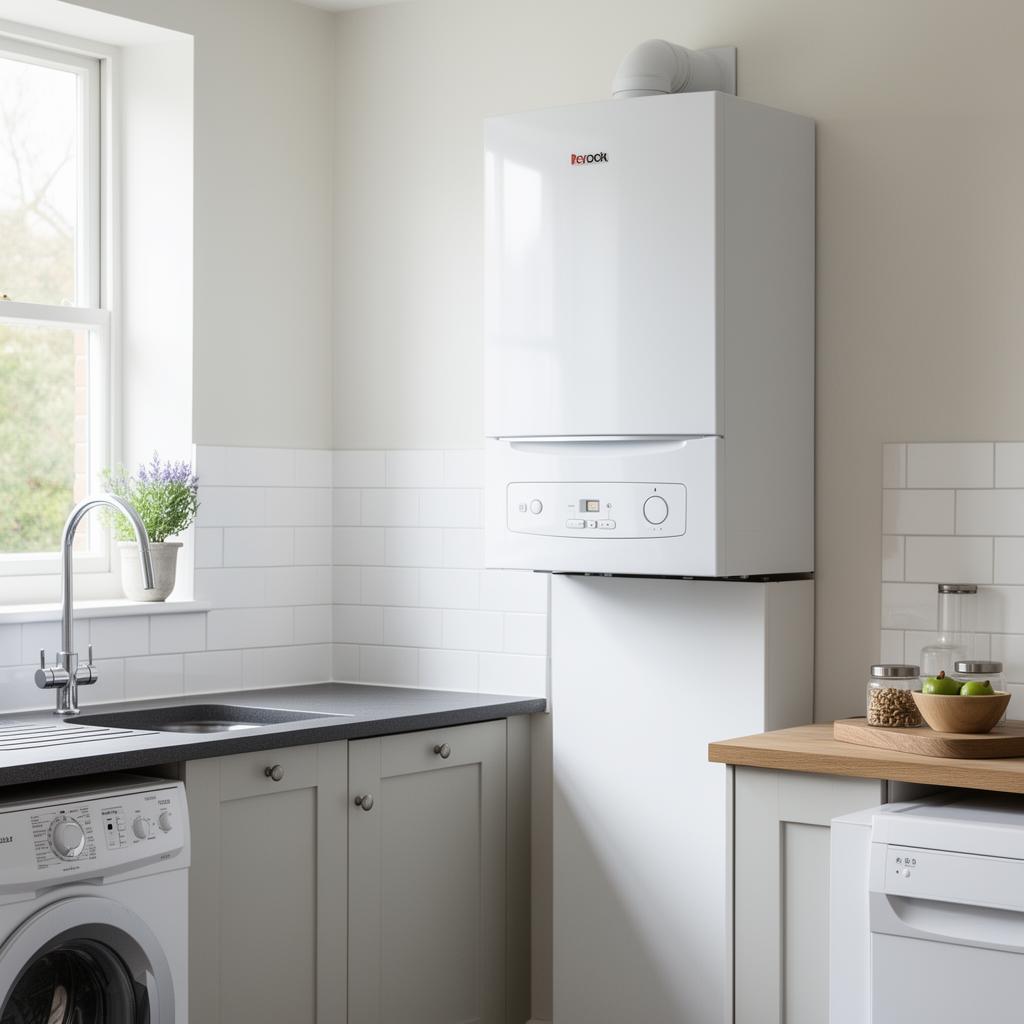
The Future Homes Standard UK is the most significant change to building regulations in a generation. Set for implementation in March 2027, it will require all new homes in England to produce 75-80% fewer carbon emissions than those built under current regulations. In practice, this means gas boilers will no longer be installed in new-build homes, with heat pumps becoming the default heating system for new housing. But what does this mean for the millions of homeowners with existing gas boilers? The answer is more nuanced than the headlines suggest.
What Does the 2027 Gas Boiler Ban Mean for Homeowners?
The Future Homes Standard bans gas boilers in all new-build homes from March 2027, but it does not affect existing properties. Homeowners can continue to install, repair and replace gas boilers in existing homes for the foreseeable future. There is no confirmed date for banning gas boiler replacements in existing properties, and the government has stated that no one will be forced to remove a working boiler.
The practical impact for existing homeowners is indirect. As heat pumps become the default in new builds, the heating industry will increasingly shift towards electric systems. Gas boiler prices are expected to remain stable in the short term, but the cost of heat pumps is forecast to fall as manufacturing scales up. Homeowners replacing a boiler in the next few years face a choice: install a new gas boiler now (£1,800–£5,500) or switch to a heat pump with the £7,500 BUS grant (net cost typically £1,500–£5,500).
This guide separates fact from fiction, explaining exactly what the Future Homes Standard requires, who it affects, and what it means for heat pump demand and availability in the coming years.
What the Future Homes Standard Actually Requires
The Future Homes Standard is an update to Part L (conservation of fuel and power) and Part F (ventilation) of the Building Regulations for England. It sets new performance standards for newly built homes, requiring them to be:
- 75-80% lower carbon than homes built to the 2013 regulations
- Heated without fossil fuels on-site, effectively banning gas and oil boilers in new builds
- Highly insulated with improved fabric performance standards (lower U-values for walls, roofs, floors, and windows)
- Well ventilated with mechanical ventilation and heat recovery (MVHR) as the expected standard
- Future-proofed for further decarbonisation, including smart grid readiness
The standard applies from March 2027 for new building regulations applications. Homes that already have planning permission or building regulations approval before this date can still be built to the current standard, which allows gas boilers. This transition period means gas boilers will continue to appear in some new builds until approximately 2028-2029 as existing permissions are built out.
Existing Homeowners: You Are NOT Affected by a Ban
This is the most important point to understand: the Future Homes Standard does not require existing homeowners to replace their gas boilers. There is no ban on gas boilers in existing homes. You can continue to use, repair, and replace your gas boiler for the foreseeable future.
The government had previously considered a proposal to phase out new gas boiler installations in all homes (existing as well as new builds) by 2035, but this proposal was scrapped in 2023 following public consultation. The current policy position is:
- Gas boilers can continue to be installed in existing homes
- There is no fixed date for ending gas boiler replacements in existing properties
- The government is relying on incentives (BUS grants, lower electricity tariffs) rather than mandates to encourage switching
- A future government could revisit this position, but no timeline is currently set
However, while you are not being forced to switch, the economic case for choosing a heat pump over a gas boiler replacement is strengthening every year through grants, improved heat pump efficiency, and policy measures designed to close the electricity-gas price gap.
Why the Future Homes Standard Matters for Existing Homeowners
Even though the standard does not directly affect existing homes, it has several indirect implications that are worth understanding:
Heat pump costs will fall
The Future Homes Standard guarantees a massive increase in heat pump demand. Every new home built from 2027 will need a heat pump (or equivalent low-carbon heating). With approximately 200,000-250,000 new homes built annually in England, the heat pump market will expand significantly. This increased volume is expected to drive down unit costs by 15-25% over the next 3-5 years through economies of scale, increased competition, and supply chain maturation.
Installer availability will improve
The need for heat pumps in all new builds is driving a massive expansion in the trained installer workforce. Government targets aim for 30,000-50,000 trained heat pump installers by 2028, up from approximately 5,000-8,000 in 2025. This should reduce waiting times and increase competition, potentially lowering installation costs for existing homeowners who choose to switch voluntarily.
Property values may be affected
As heat pumps become the norm in new builds, properties with gas boilers may become relatively less attractive to energy-conscious buyers. Research already shows a 1-3% price premium for homes with heat pumps, and this gap is expected to widen as the market shifts. Installing a heat pump now could protect your property’s future value.
Energy policy will continue to favour electrification
The Future Homes Standard is part of a broader policy direction towards electrifying heating. Measures already in place include the £7,500 BUS grant, heat pump-specific electricity tariffs, and 0% VAT on heat pump installations. Future measures may include adjusting the electricity-gas price ratio to make heat pumps even more competitive, potentially through shifting green levies from electricity bills to gas bills or general taxation.
The 75-80% Carbon Reduction Target: How It Will Be Met
The carbon reduction target for new homes will be achieved through a combination of measures:
| Measure | Carbon Reduction Contribution | Impact on Homeowner |
|---|---|---|
| Heat pump (replacing gas boiler) | 45-55% | Lower running costs, no gas bill |
| Improved insulation (fabric first) | 15-20% | Warmer, more comfortable home |
| Triple glazing | 5-8% | Better acoustics, less heat loss |
| MVHR ventilation | 3-5% | Better air quality, reduced draughts |
| Solar panels (expected but not mandated) | 5-10% | Free electricity generation |
| Wastewater heat recovery | 2-3% | Reduced hot water energy |
New homes built to the Future Homes Standard will be significantly more energy efficient than the existing housing stock. They will need smaller heat pumps (typically 3-5 kW for a 3-bed house), have annual heating costs of £300-£500, and provide superior comfort through consistent temperatures and excellent air quality.
What About the 2035 Gas Boiler Phase-Out?
The proposed 2035 phase-out of new gas boiler installations in existing homes was one of the most controversial elements of the government’s original heat and buildings strategy. Following significant public and industry pushback, the proposal was formally dropped in September 2023.
The current government position is that the transition in existing homes will be achieved through “consumer choice supported by incentives” rather than mandates. This means:
- No fixed date for banning gas boiler replacements in existing homes
- Continued and potentially enhanced grant support (the BUS grant has already been increased)
- Policy measures to make heat pumps more cost-competitive with gas
- Possible future requirements linked to property transactions (e.g., minimum EPC ratings for sale or rental)
While there is no imminent ban, the direction of travel is clear. Gas heating in homes will become progressively more expensive relative to heat pumps as policy, technology, and energy markets evolve. Homeowners who switch earlier benefit from current grants and avoid the rush that will inevitably come as gas alternatives become less viable.
How to Prepare Your Existing Home
Whether you plan to switch to a heat pump now or in the future, certain preparatory steps make sense regardless of timing:
- Improve insulation – Insulation upgrades reduce your gas bills now and make a future heat pump installation cheaper and more effective
- Upgrade windows – Double or triple glazing reduces heat loss and improves comfort whether you have a gas boiler or heat pump
- Get an EPC – Know your current rating. You need a minimum of D to qualify for the BUS grant
- Consider timing – If your gas boiler is nearing end of life (typically 12-15 years old), this is the natural point to switch to a heat pump rather than replacing like-for-like
- Explore tariffs – Heat pump-specific electricity tariffs are already available and make the running cost comparison more favourable
The £7,500 BUS grant is available now and makes the financial case for switching compelling. Get a free quote to see what a heat pump installation would cost for your property and how much you could save on running costs.
Frequently Asked Questions
Will gas boilers be banned in existing homes?
There is currently no ban on gas boilers in existing homes, and no date has been set for one. The government dropped the proposed 2035 phase-out in 2023. You can continue to repair and replace your gas boiler. However, the economic incentives are increasingly favouring heat pumps, and future policy changes may further shift the balance.
When does the Future Homes Standard come into effect?
The Future Homes Standard takes effect in March 2027 for new building regulations applications in England. Homes already with planning permission before this date can still be built under current regulations. Scotland, Wales, and Northern Ireland have their own separate timelines and standards.
Will the Future Homes Standard make heat pumps cheaper?
Yes, almost certainly. The guaranteed demand from 200,000+ new homes per year all requiring heat pumps will drive economies of scale, increase competition, and mature supply chains. Industry projections suggest heat pump unit costs will fall by 15-25% over the next 3-5 years. However, current BUS grant levels may not be maintained indefinitely, so waiting for cheaper heat pumps could mean missing out on the grant.
Does the Future Homes Standard apply to renovations and extensions?
The Future Homes Standard applies to new homes only, not to renovations, extensions, or conversions of existing buildings. However, existing buildings undergoing major renovation are already required to improve their energy performance under current Part L regulations, and these requirements may be tightened in future updates.
Can new homes still have a gas connection after 2027?
New homes built to the Future Homes Standard cannot use gas for heating, but some may retain a gas connection for cooking. However, many housebuilders are expected to move to fully electric homes (including induction hobs), eliminating the gas connection entirely. This reduces the infrastructure cost and aligns with the broader decarbonisation strategy. For existing homes, gas connections will continue to operate for as long as the gas network remains active.
See what these numbers mean for your home
Free instant estimate — costs, savings, payback and grants for your region.

Related Articles

What the 2026 Future Homes Standard Means for Existing Homeowners
The Future Homes Standard is the biggest change to building regulations in England in a generation. It is designed to ensure new homes produce dramatically fewer carbon emissions. But if…
3 May 2026
Prepayment Meter Rights: Protections Against Forced Installation and Self-Disconnection
Prepayment meter rights UK explained. Learn protections against forced installation, what to do if you cannot top up, emergency credit options and how to switch away from prepay.
12 April 2026 Fuel Poverty in the UK: Definition, Statistics and What Help Is Available
Fuel poverty UK affects 9 million households. Learn the LILEE definition, who is most at risk, the funding gap, and every support scheme available to help you heat your home.
11 April 2026