Heat Pump Battery Storage: Is It Worth Adding to Your System?
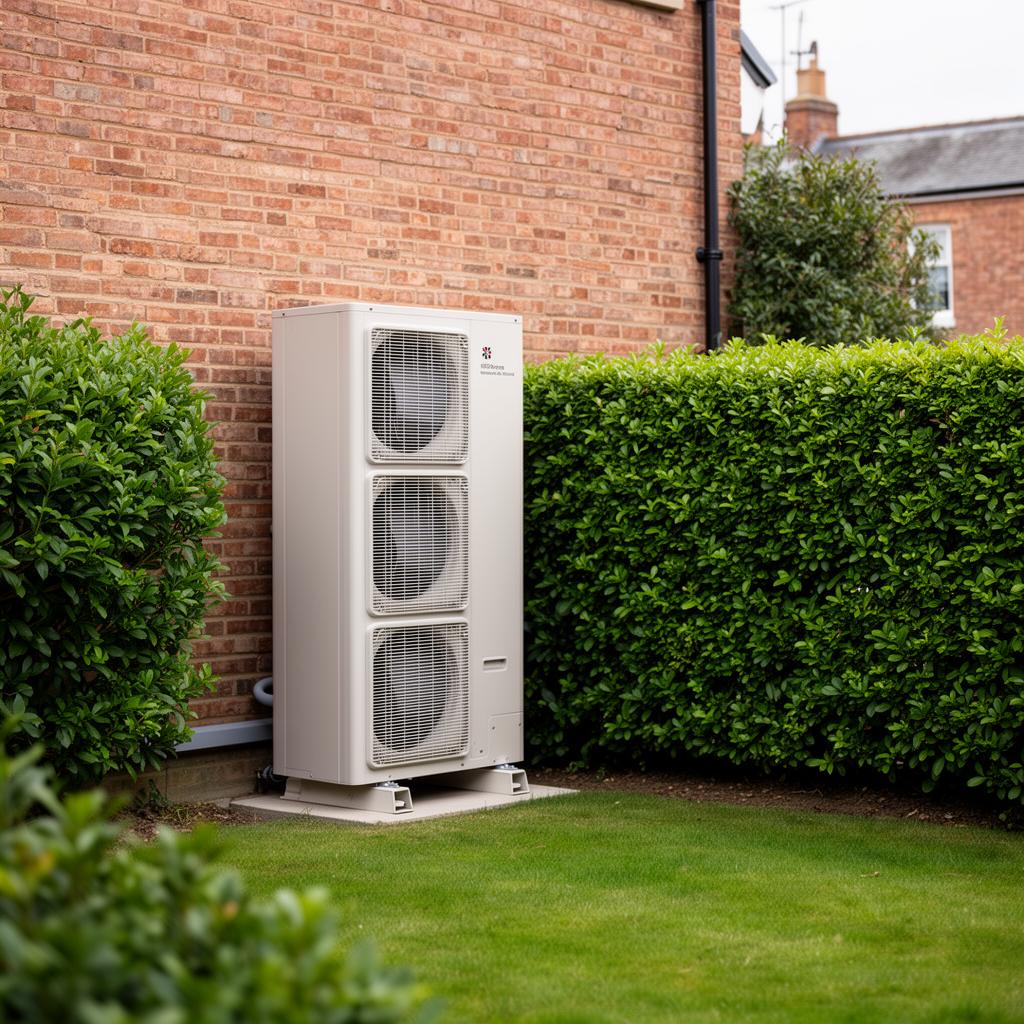
Adding heat pump battery storage UK systems together is an increasingly popular option for homeowners looking to maximise energy savings. With electricity prices remaining volatile and time-of-use tariffs becoming mainstream, the idea of storing cheap overnight electricity to power your heat pump during peak hours is appealing. But does the maths actually stack up? This guide examines the real economics, using 12-month UK case study data to help you decide whether battery storage is a smart addition to your heat pump system.
Is Heat Pump Battery Storage Worth It?
Yes, adding battery storage to a heat pump system is worth it for most UK homeowners who also have solar panels. A typical 5–10 kWh battery costs £3,000–£6,000 and allows you to store excess solar generation during the day, then use it to power your heat pump during peak evening hours. This can reduce annual electricity bills by £400–£700 and cut payback time on your solar investment by two to three years.
Without solar panels, the case for battery storage is weaker unless you are on a time-of-use tariff such as Octopus Agile or Intelligent Octopus Go. These tariffs offer off-peak rates as low as 7p per kWh overnight, allowing you to charge the battery cheaply and discharge during the day when rates exceed 24p per kWh. If you have solar panels generating 3,000 kWh or more per year, battery storage is a strong addition.
The short answer is nuanced. For homes already on a time-of-use tariff with solar panels, a battery can make sound financial sense. For those on a standard flat-rate tariff without solar, the payback period is often too long to justify the investment at current prices.
How Battery Storage Works With a Heat Pump
A home battery system sits between your electricity supply and your household consumption. It can charge from two sources: your solar panels during the day and the grid during off-peak tariff windows (typically overnight). The stored electricity then powers your heat pump and other appliances during peak-rate periods when grid electricity is most expensive.
Most home batteries installed in the UK in 2026 range from 5 kWh to 13.5 kWh in capacity. A 5 kWh battery can run a typical air source heat pump for approximately 3-5 hours at moderate output, while a larger 10 kWh unit can cover 6-10 hours of heating, depending on the outside temperature and your home’s insulation.
The key financial benefit comes from the price difference between off-peak and peak electricity. On the Octopus Cosy tariff, for example, off-peak rates can be as low as 7p per kWh, while peak rates reach 24-30p per kWh. Charging your battery at 7p and discharging at 28p creates an effective saving of 21p per kWh cycled through the battery.
The Seasonal Mismatch Problem
The most significant challenge for heat pump battery storage is the seasonal mismatch between solar generation and heating demand. In summer, when solar panels produce the most electricity, your heat pump needs very little energy (perhaps 3-5 kWh per day for hot water only). In winter, when the heat pump works hardest at 15-30 kWh per day, solar generation drops to as little as 2-4 kWh per day.
This means a battery paired only with solar panels provides limited benefit for heating specifically. In summer, there is plenty of solar but little heating demand. In winter, there is plenty of heating demand but little solar to store. The battery earns its keep in the shoulder months of spring and autumn, when moderate solar generation coincides with moderate heating demand.
However, this picture changes dramatically when you add a time-of-use tariff to the equation. With off-peak charging, the battery can be fully charged from the grid every night at cheap rates, regardless of solar generation. This removes the seasonal mismatch entirely for the tariff arbitrage element of the savings.
Real UK Case Study: 12 Months of Heat Pump Battery Storage Data
To ground this analysis in reality, here are the figures from a monitored 3-bed semi-detached house in the West Midlands with a 6kW Vaillant aroTHERM plus heat pump, 4kW solar array, and 9.5 kWh GivEnergy battery on the Octopus Cosy tariff, tracked over 12 months:
| Quarter | Heat Pump kWh | Solar Generated kWh | Battery Cycles | Grid Import kWh | Electricity Cost |
|---|---|---|---|---|---|
| Jan-Mar | 2,150 | 420 | 85 | 2,580 | £285 |
| Apr-Jun | 850 | 1,180 | 88 | 680 | £82 |
| Jul-Sep | 380 | 1,350 | 90 | 320 | £45 |
| Oct-Dec | 1,680 | 380 | 87 | 2,100 | £238 |
| Annual Total | 5,060 | 3,330 | 350 | 5,680 | £650 |
For comparison, the same property without the battery but with solar and the same tariff would have had an estimated annual electricity cost of approximately £920. The battery therefore saved approximately £270 per year. Without the time-of-use tariff (on a flat 24.5p rate), the battery saving would have been closer to £180 per year.
Heat Pump Battery Storage Costs and Payback Periods
The installed cost of a home battery system in 2026 varies by capacity:
| Battery Capacity | Installed Cost | Annual Saving (with ToU tariff) | Annual Saving (flat tariff) | Payback (ToU) | Payback (flat) |
|---|---|---|---|---|---|
| 5 kWh | £2,500-£3,500 | £150-£200 | £90-£130 | 14-20 years | 22-30+ years |
| 9.5 kWh | £4,000-£5,500 | £250-£320 | £160-£210 | 13-19 years | 20-28 years |
| 13.5 kWh | £5,500-£7,500 | £320-£420 | £200-£280 | 14-20 years | 22-30 years |
These payback periods assume the battery is cycled daily, which is realistic for homes with solar panels and a heat pump. Battery lifespan is typically guaranteed at 80% capacity retention after 10 years, with real-world lifespans of 12-15 years. This means the payback period and battery lifespan are closely matched, making it a break-even investment in many cases rather than a strong profit generator.
Off-Peak Tariff Charging Strategies for Heat Pump Battery Storage
The most effective way to make battery storage work with a heat pump is to combine solar self-consumption with off-peak tariff arbitrage. Here is how the strategy works across a typical day:
- Midnight to 5am – Battery charges from the grid at off-peak rates (7-10p per kWh). Heat pump runs at minimum to maintain overnight temperature
- 5am to 9am – Battery powers the heat pump’s morning warm-up cycle, avoiding peak rates
- 9am to 4pm – Solar panels power the heat pump and charge the battery. Any surplus is exported
- 4pm to midnight – Battery discharges to power the heat pump and household through the peak rate evening period
This strategy works best with a smart energy management system that can automatically switch between grid charging, solar charging, and battery discharge based on tariff rates, solar generation, and heating demand. Systems like GivEnergy, Tesla Powerwall, and myenergi Libbi all offer this level of automation.
The tariff savings are most significant during winter when the price difference between off-peak and peak rates is fully exploited for 10-15 hours of daily battery cycling. In summer, with abundant solar and minimal heating demand, the battery primarily stores solar surplus for evening use.
When Battery Storage Makes Sense (and When It Does Not)
Based on the data, here are the scenarios where adding a battery to your heat pump system is likely to be worthwhile:
Battery storage makes sense if:
- You already have or are installing solar panels alongside your heat pump
- You are on or willing to switch to a time-of-use electricity tariff
- You have high electricity consumption (above 5,000 kWh per year)
- You want to maximise energy independence and resilience against future price rises
- You are planning to add an electric vehicle, increasing your ability to use stored electricity
Battery storage may not be worth it if:
- You do not have solar panels and are on a flat-rate tariff
- Your budget is limited and the money could be better spent on insulation improvements
- You have a small heat pump with low electricity consumption
- Your property already has excellent insulation and low heating demand
If you are weighing up whether to add a battery now or later, the good news is that battery prices have been falling by approximately 8-12% per year and are expected to continue declining. Waiting 2-3 years could reduce costs significantly while battery technology improves.
How to Get Started With Heat Pump Battery Storage
If you are considering adding battery storage to an existing heat pump system, or installing a complete heat pump, solar, and battery package, the first step is getting a professional assessment of your energy usage patterns and property characteristics. Request a free quote to discuss your options with an MCS-certified installer who can model the savings specific to your situation.
When comparing quotes, pay particular attention to the battery warranty terms (minimum 10 years at 80% capacity), the compatibility with your heat pump and solar inverter, and whether the installer provides smart energy management software for tariff optimisation.
Frequently Asked Questions
How big a battery do I need for my heat pump?
For most UK homes with a heat pump, a 5-10 kWh battery provides the best balance of cost and benefit. A 5 kWh battery can run a heat pump for 3-5 hours at moderate output, while a 10 kWh unit covers 6-10 hours. Larger batteries have diminishing returns unless you also have an electric vehicle to charge.
Can a battery power my heat pump during a power cut?
Most standard battery installations cannot power your heat pump during a grid outage because the inverter shuts down for safety reasons. However, some systems like the Tesla Powerwall and GivEnergy with EPS (Emergency Power Supply) functionality can provide backup power. This feature typically adds £500-£1,000 to the installation cost and requires specific wiring.
Is it better to spend money on a battery or more insulation?
In almost all cases, improving insulation delivers a better return than adding a battery. Insulation reduces your heat pump’s electricity consumption permanently and has a lifespan of 40+ years with no degradation. A battery has a limited lifespan of 12-15 years and marginal payback. Prioritise insulation first, then consider a battery once your home’s thermal performance is optimised.
Do I need solar panels to make a battery worthwhile with a heat pump?
Solar panels are not strictly necessary, but they significantly improve the economics. Without solar, the battery’s only value is tariff arbitrage (charging at off-peak rates, discharging at peak rates). With solar, you also benefit from storing surplus generation. The combination of both revenue streams typically doubles the annual saving compared to a battery without solar.
How long do home batteries last?
Most home batteries are warranted for 10 years at 80% capacity retention. Real-world data suggests lithium iron phosphate (LFP) batteries, which are the most common type in home storage, last 12-15 years with daily cycling. After the warranty period, the battery will continue to work but with reduced capacity, typically degrading to 70-75% by year 15.
See what these numbers mean for your home
Free instant estimate — costs, savings, payback and grants for your region.

Related Articles
Is Solar Battery Storage Worth It in 2026?
Solar panels are now a common sight on UK rooftops, but the real game-changer in 2026 is battery storage. A home battery lets you store the electricity your panels generate…
2 June 2026
Why Spring Is the Perfect Time to Install Solar Panels
If you have been thinking about solar panels for a while but never quite pulled the trigger, spring is the moment to act. The combination of lengthening days, mild installation…
23 April 2026
How the Energy Price Cap Affects Heat Pump and Solar Panel Payback
See how the energy price cap affects heat pump and solar panel payback periods. Real calculations using current UK unit rates show why investing now locks in stronger returns.
15 April 2026