Warm Homes Plan 2026: Complete Eligibility Guide for UK Homeowners

Warm Homes Plan 2026 Eligibility: What Is the Government’s Flagship Energy Programme?
The Warm Homes Plan is the UK government’s most ambitious home energy programme to date, backed by £15 billion in funding and targeting the upgrade of 5 million homes by 2030. If you are a homeowner or private tenant living in a property with poor energy performance, understanding your warm homes plan 2026 eligibility could save you thousands of pounds on insulation, heating, and renewable energy installations.
What Is the Warm Homes Plan?
The Warm Homes Plan is the UK government’s flagship home energy efficiency programme, backed by £15 billion in funding. It aims to upgrade 5 million homes by 2030 through three funding streams: the Warm Homes Local Grant (up to £15,000), the Boiler Upgrade Scheme (£7,500 towards heat pumps) and ECO4 (fully funded measures for eligible households).
How to Check Your Warm Homes Plan Eligibility
- Check your current EPC rating on the government register
- Calculate your combined household gross income
- Review whether you receive means-tested benefits such as Universal Credit or Pension Credit
- Check Boiler Upgrade Scheme eligibility if you want a heat pump (no income test required)
- Request a free professional assessment to confirm which grants apply to your property
The programme consolidates several existing schemes under one umbrella to simplify access for homeowners and tenants. Eligible measures include cavity wall insulation, loft insulation, air source heat pumps, solar panels and first-time central heating. Grant amounts and eligibility criteria vary by scheme, with the Warm Homes Local Grant targeting low-income households and the Boiler Upgrade Scheme open to all owner-occupiers regardless of income.
The programme brings together several existing and new grant schemes under one umbrella, making it easier than ever for UK households to access funding for heat pumps, home insulation, solar panels, and boiler replacements. Whether you are on a low income, receiving benefits, or simply living in an energy-inefficient home, there is likely a route to support available to you.
In this complete guide, we break down every strand of the Warm Homes Plan, the eligibility requirements for each, and how to apply. If you would like personalised advice on which grants you qualify for, Green Reach Energy’s quote-comparison service is launching soon — register your interest and we’ll let you know when you can compare installer quotes.
The Three Pillars of the Warm Homes Plan 2026

The Warm Homes Plan operates through three main funding streams, each with different eligibility criteria and grant values. Understanding which stream applies to your circumstances is the first step towards securing funding.
| Scheme | Maximum Grant | Income Threshold | Key Measures Covered | Deadline |
|---|---|---|---|---|
| Warm Homes Local Grant | £15,000 | Household income ≤£36,000 | Insulation, heat pumps, solar, batteries | March 2028 (current phase) |
| Boiler Upgrade Scheme (BUS) | £7,500 (£9,000 for oil/LPG) | No income cap | Heat pumps, biomass boilers | March 2030 |
| ECO4 | Varies (fully funded) | Benefits-based or LA referral | Insulation, heating upgrades | December 2026 |
Warm Homes Local Grant: Up to £15,000 for Eligible Households
The Warm Homes Local Grant replaced the previous Home Upgrade Grant (HUG2) and Great British Insulation Scheme (GBIS) with a more streamlined, locally administered programme. It is the centrepiece of the warm homes plan 2026 eligibility framework and offers the most generous funding for low-income households.
Who Qualifies?
To be eligible for the Warm Homes Local Grant, you must meet the following criteria:
- Household income of £36,000 or less per year (combined gross income of all adults in the property)
- Your property must have an EPC rating of D, E, F, or G
- You must be a homeowner, private landlord, or private tenant (with landlord permission)
- The property must be your primary residence (or the tenant’s primary residence)
Your local authority administers the scheme, so availability may vary by region. Some councils have already opened applications while others are still setting up delivery partners.
What Does It Cover?

The grant covers a wide range of energy efficiency measures, including:
- Insulation — loft, cavity wall, solid wall, underfloor, and room-in-roof insulation
- Low-carbon heating — air source and ground source heat pumps
- Solar energy — solar panel installations and battery storage systems
- Draught-proofing and ventilation improvements
- Double or triple glazing — upgrading single-glazed windows to energy-efficient double glazing
The maximum grant of £15,000 applies to a package of measures tailored to your property. A surveyor will assess your home and recommend the most effective combination of upgrades to improve your EPC rating.
Boiler Upgrade Scheme (BUS): Key Changes for 2026
The Boiler Upgrade Scheme remains one of the most accessible routes to funding under the warm homes plan 2026 eligibility framework. Unlike the Warm Homes Local Grant, the BUS has no income cap, making it available to any homeowner in England and Wales.
Several significant changes took effect in April 2026:
- EPC requirement removed — as of 28 April 2026, you no longer need a valid EPC certificate to apply. This removes a major barrier that previously delayed applications by weeks.
- Budget increased to £400 million for the 2026-27 financial year, reflecting growing demand
- Air-to-air heat pumps now eligible — a new £2,500 grant has been introduced for air-to-air heat pump installations
- Enhanced grant for oil and LPG homes — households currently using oil or LPG heating can claim £9,000 (up from £7,500) as a temporary measure to accelerate the transition away from fossil fuels
| Heating System | BUS Grant Amount | Typical Installation Cost | Your Net Cost |
|---|---|---|---|
| Air source heat pump | £7,500 | £9,000 – £13,000 | £1,500 – £5,500 |
| Ground source heat pump | £7,500 | £15,000 – £25,000 | £7,500 – £17,500 |
| Air-to-air heat pump | £2,500 | £5,000 – £8,000 | £2,500 – £5,500 |
| Biomass boiler | £5,000 | £10,000 – £18,000 | £5,000 – £13,000 |
| Heat pump (replacing oil/LPG) | £9,000 | £9,000 – £13,000 | £0 – £4,000 |
Your installer must be MCS certified to apply for the grant on your behalf. The grant is deducted from your invoice, so you never need to pay the full amount upfront. To find MCS-certified installers in your area, search the MCS certified installer register.
ECO4: Extended to December 2026
The Energy Company Obligation (ECO4) scheme has been extended to run until 31 December 2026, providing another route to fully funded energy efficiency improvements. ECO4 is delivered through energy suppliers and typically covers the full cost of measures with no contribution required from the homeowner.
ECO4 targets the least energy-efficient homes (EPC D to G) and prioritises households receiving means-tested benefits. Qualifying benefits include:
- Universal Credit
- Pension Guarantee Credit
- Child Tax Credit (household income below £16,480)
- Income-based Jobseeker’s Allowance (JSA)
- Income-related Employment and Support Allowance (ESA)
- Income Support
- Working Tax Credit
- Housing Benefit
Even if you do not receive benefits, you may qualify through the ECO4 Flex route. This allows local authorities to refer households earning below £31,000 per year, or those deemed vulnerable to the effects of living in a cold home. Speak to your local council or request a free assessment to find out if you qualify.
What Measures Can You Get Under the Warm Homes Plan?
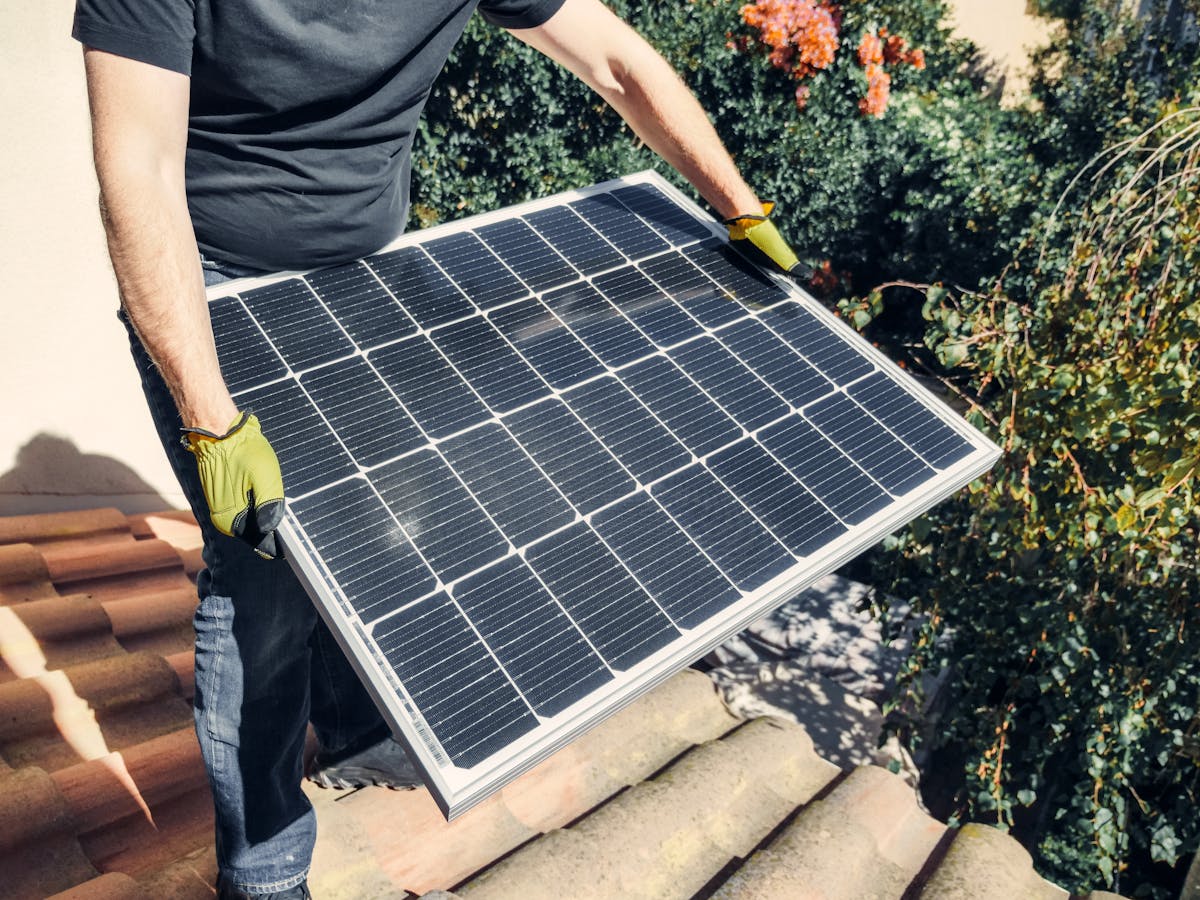
The full range of measures available across all three strands of the Warm Homes Plan covers virtually every aspect of home energy performance:
| Measure | Available Under | Typical Annual Saving |
|---|---|---|
| Loft insulation (270mm) | All three schemes | £250 – £400 |
| Cavity wall insulation | All three schemes | £300 – £500 |
| Solid wall insulation (external) | Warm Homes Local, ECO4 | £400 – £700 |
| Air source heat pump | All three schemes | £500 – £700 vs gas boiler |
| Solar panels (4kW system) | Warm Homes Local Grant | £400 – £600 |
| Double glazing | Warm Homes Local Grant | £100 – £200 |
| Underfloor insulation | All three schemes | £150 – £250 |
The most effective approach is usually a combination of measures. For example, installing cavity wall and loft insulation alongside a heat pump can reduce your energy bills by up to £1,200 per year while dramatically improving your home’s comfort.
How to Check Your Warm Homes Plan 2026 Eligibility
Follow these steps to determine which grants you qualify for:
- Step 1: Check your EPC rating. Visit the government’s EPC register to find your property’s current energy performance certificate. Most schemes require a rating of D or below.
- Step 2: Calculate your household income. Add together the gross annual income of all adults living in the property. If it falls below £36,000, you likely qualify for the Warm Homes Local Grant.
- Step 3: Review your benefits. If you receive any means-tested benefits, you may be eligible for ECO4 regardless of income.
- Step 4: Consider the BUS grant. If your income is above the thresholds for other schemes, the Boiler Upgrade Scheme has no income cap and is available to all homeowners replacing fossil fuel heating with a heat pump.
- Step 5: Get a professional assessment. Green Reach Energy’s quote-comparison service is launching soon — register your interest and we’ll let you know when you can compare installer quotes.
Combining Grants for Maximum Savings
One of the most powerful features of the Warm Homes Plan is the ability to combine certain grants. While you cannot claim two grants for the same measure, you can use different schemes for different improvements:
- BUS + Warm Homes Local Grant — use BUS for your heat pump and the Warm Homes Local Grant for insulation and solar panels
- ECO4 + BUS — get insulation through ECO4 and a heat pump through BUS
- Multiple measures under one scheme — the Warm Homes Local Grant can cover insulation, heating, and renewables in a single application up to £15,000
A typical three-bedroom semi-detached house with an EPC rating of E could receive a package worth £20,000 or more by combining the BUS grant with the Warm Homes Local Grant — covering cavity wall insulation, loft insulation, an air source heat pump, and solar panels.
Warm Homes Plan 2026 Eligibility: Regional Differences
While the overall framework is set by central government, delivery of the Warm Homes Local Grant is managed by local authorities. This means there can be regional variations in:
- Application timelines and waiting lists
- Available measures (some councils prioritise insulation over renewables)
- Additional local top-up funding
- Delivery partners and approved installers
Scotland, Wales, and Northern Ireland have their own equivalent programmes. Scottish homeowners should look at the Home Energy Scotland grant scheme, while Welsh residents can apply through the Warm Homes Nest programme.
In England, the programme is being delivered through 46 local authority consortia. If your council has not yet launched applications, you can still register your interest and be notified when funding opens in your area.
Common Reasons Applications Are Rejected
To give yourself the best chance of success, avoid these common pitfalls:
- Incorrect income declaration — ensure you include all household income, not just the primary earner
- Property ownership issues — social housing tenants are not eligible for BUS or the Warm Homes Local Grant (contact your housing association instead)
- Non-MCS certified installer — for BUS claims, your installer must hold current MCS certification
- Measures already installed — you cannot claim retrospectively for work already completed
- Park homes and houseboats — these are excluded from most schemes, though some ECO4 Flex provisions may apply
Next Steps: How to Apply
The application process varies by scheme:
- Warm Homes Local Grant — contact your local authority or visit their website to check if applications are open in your area
- BUS — find an MCS-certified installer who will apply on your behalf. The grant is deducted from your quote automatically.
- ECO4 — contact your energy supplier or an ECO4-approved installer to arrange a free assessment
Not sure where to start? When our comparison service launches, Green Reach Energy will help you find certified installers in your area. Register your interest to be notified when it goes live.
Frequently Asked Questions About Warm Homes Plan 2026 Eligibility
Can I get a grant if I earn more than £36,000 per year?
Yes. While the Warm Homes Local Grant has a £36,000 income threshold, the Boiler Upgrade Scheme has no income cap at all. Any homeowner in England or Wales can claim up to £7,500 towards a heat pump installation, regardless of earnings. If you are on oil or LPG heating, you could receive up to £9,000.
Do I need an EPC certificate to apply?
As of April 2026, the Boiler Upgrade Scheme no longer requires an EPC certificate. However, the Warm Homes Local Grant and ECO4 still use EPC ratings to determine eligibility. If you do not have a current EPC, you can get one through a registered domestic energy assessor, typically costing £60 to £120.
Can private tenants apply for the Warm Homes Plan?
Yes, private tenants can benefit from the Warm Homes Local Grant and ECO4, but you will need your landlord’s written permission for any work to be carried out. For the BUS grant, applications must be made by the property owner, not the tenant. Your landlord can apply and receive the grant for installing a heat pump in a rented property.
How long does the application process take?
BUS applications are typically processed within 2 to 4 weeks. The Warm Homes Local Grant can take longer due to the survey and assessment process — expect 4 to 12 weeks from initial contact to installation, depending on your local authority. ECO4 applications can vary widely, from a few weeks to several months, depending on the energy supplier and demand in your area.
What happens if the Warm Homes Plan budget runs out?
The government has committed £15 billion over the lifetime of the programme, but individual scheme allocations are set annually. The BUS budget for 2026-27 is £400 million, and once this is allocated, no further grants will be issued until the next financial year. We strongly recommend applying as early as possible. Get your free quote today to start the process before funding is exhausted.
See what these numbers mean for your home
Free instant estimate — costs, savings, payback and grants for your region.

Related Articles
Heat Pump Grant Rises to £9,000 for Oil and LPG Homes From 21 July 2026
The standard Boiler Upgrade Scheme grant stays at £7,500. From 21 July 2026 to 31 March 2027, homes currently heated by oil or LPG get an increased £9,000 grant. Corrected…
10 June 2026
The Warm Homes Plan 2026: What Every UK Homeowner Needs to Know
The UK government’s Warm Homes Plan is the biggest energy efficiency programme in British history. Launched in January 2026 with up to £15 billion in funding, it aims to upgrade…
5 June 2026
ECO4 Scheme 2026: Who Qualifies, What’s Covered and How to Apply
The ECO4 scheme runs until December 2026, offering fully funded insulation and heating upgrades for eligible UK households. Find out if you qualify through benefits or the ECO4 Flex route,…
11 May 2026