Solar Battery Storage in 2026: Costs, Benefits and Whether It Is Worth Adding
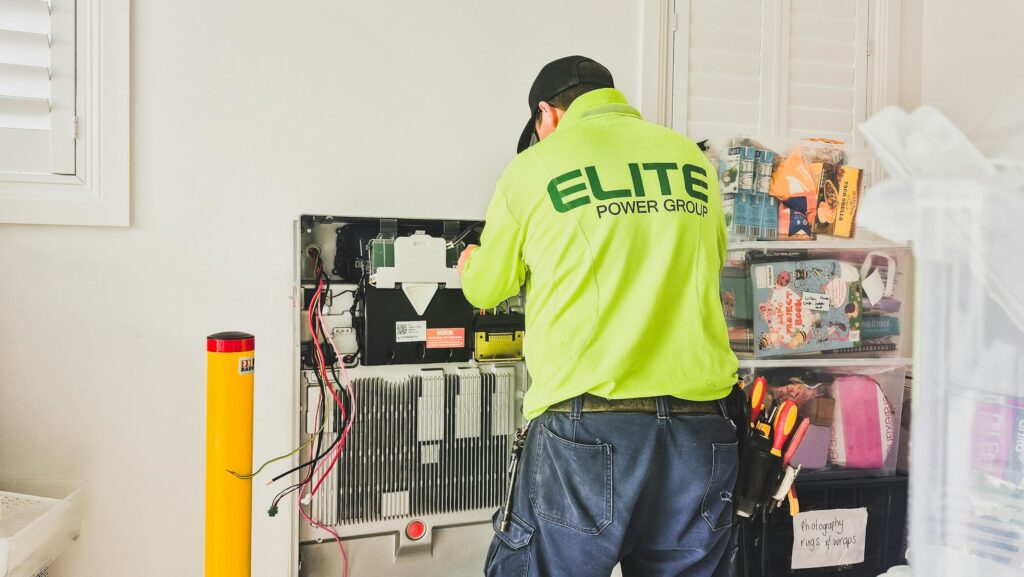
Solar panels generate most of their electricity during the middle of the day, but most households use the bulk of their energy in the morning and evening. A solar battery bridges that gap by storing surplus daytime generation so you can use it after sunset. With battery prices falling and electricity costs still high, more UK homeowners are asking whether adding storage makes financial sense in 2026.
How Much Does a Solar Battery Cost in the UK in 2026?
Solar battery storage costs between £2,500 and £8,500 installed in the UK in 2026, depending on capacity. All residential battery installations are currently VAT-free until March 2027.
| Battery Capacity | Installed Cost |
|---|---|
| 5 kWh | £2,500–£3,500 |
| 10 kWh | £4,500–£6,500 |
| 13–15 kWh | £6,000–£8,500 |
Is Solar Battery Storage Worth It in 2026?
Solar battery storage is worth it for most UK homeowners who already have solar panels and use most of their electricity in the morning and evening. A typical 10 kWh battery saves £600 to £800 per year at current electricity rates and pays for itself within seven to ten years, with 0 percent VAT reducing the upfront cost further.
How Solar Battery Storage Works
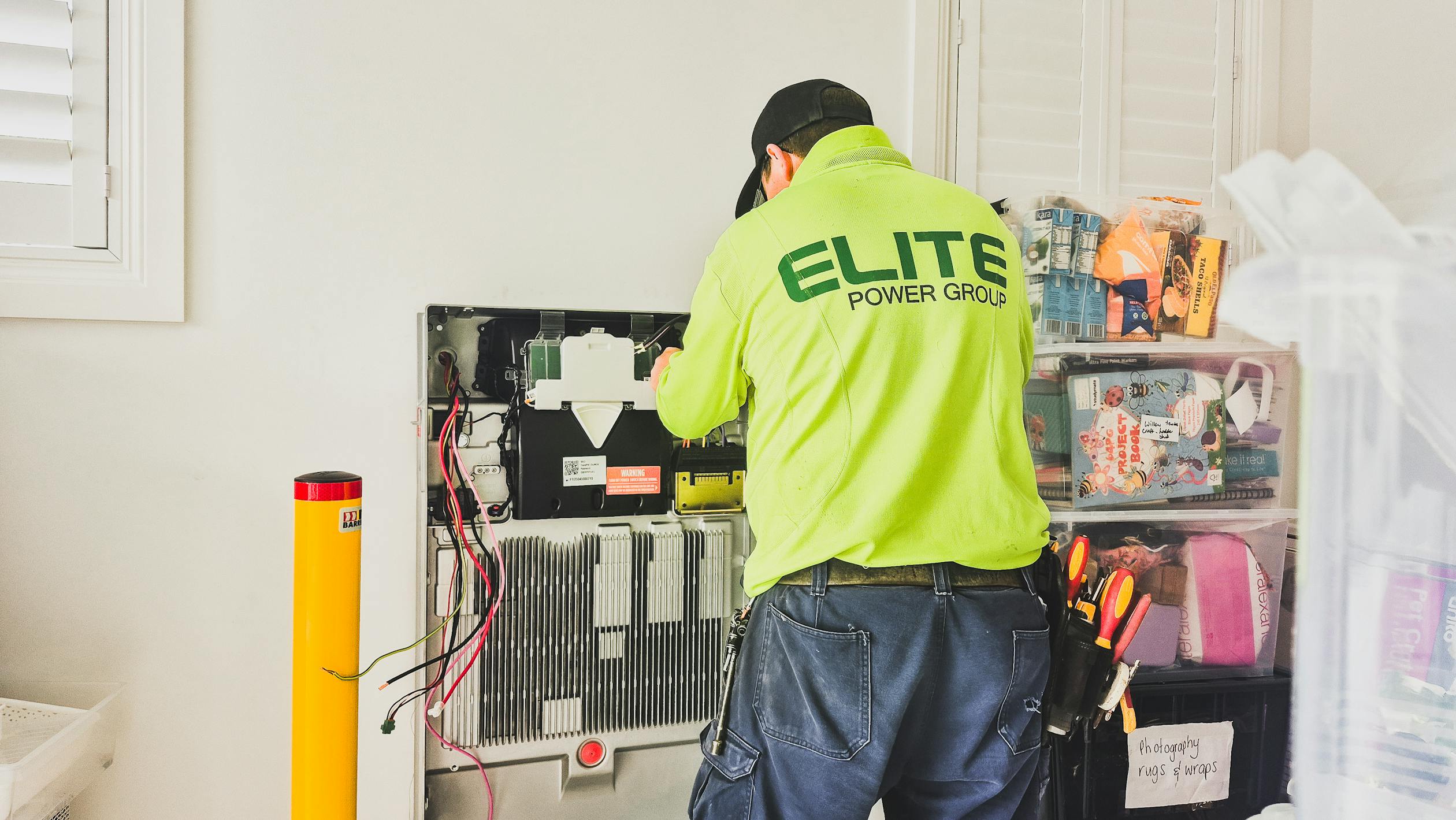
A solar battery sits between your solar panels and the grid. During the day, any electricity your panels produce that you are not using immediately flows into the battery instead of being exported to the grid. In the evening, when your panels stop generating, the battery discharges and powers your home. You only draw from the grid once the battery is empty.
Most home batteries use lithium iron phosphate (LFP) chemistry, which offers long cycle life and stable performance. They are typically wall-mounted units installed in a garage, utility room or on an external wall. A qualified MCS-certified installer will connect the battery to your existing solar inverter or supply a hybrid inverter that manages both solar and battery in one unit.
How Much Does a Solar Battery Cost in 2026?
Battery prices have fallen significantly over the past three years. Here are typical installed costs for popular capacities in the UK market:
- 5 kWh battery: £2,500 to £3,500 installed. Suitable for smaller households or as a starter system.
- 10 kWh battery: £4,500 to £6,500 installed. The most popular choice for a typical three-bedroom semi-detached home.
- 13–15 kWh battery: £6,000 to £8,500 installed. Ideal for larger homes or households with high evening consumption.
These prices include VAT at 0% under the current VAT relief for energy-saving materials, which remains in place until at least March 2027. If you are adding a battery at the same time as a new solar panel system, the combined installation cost is usually lower than retrofitting a battery to an existing setup.
What Savings Can You Expect?
The savings from a solar battery depend on how much solar electricity you currently export and your electricity tariff. Without a battery, a typical 4 kW solar system might export 50% to 60% of its generation. With a correctly sized battery, you can reduce that export to 10% to 20%, using far more of your own free electricity.

At current electricity prices of around 24p per kWh, a 10 kWh battery that cycles once per day could save approximately £600 to £800 per year. If you are on a time-of-use tariff like Octopus Intelligent Go or Agile, you can also charge the battery from the grid during off-peak hours at 7p to 10p per kWh and discharge during peak hours, adding further savings.
Popular Battery Brands in the UK
Several brands dominate the UK residential battery market:
- GivEnergy: the most popular brand among UK installers. Offers modular systems from 5 kWh upwards with excellent app control and time-of-use tariff integration.
- Tesla Powerwall: the original home battery. The Powerwall 3 offers 13.5 kWh capacity with an integrated inverter, though availability can be limited.
- Fox ESS: competitive pricing and solid performance. The ECS range is widely available through UK installer networks.
- Sunsynk: hybrid inverter and battery packages popular with installers who prefer a single-brand system.
- Sofar Solar: good value systems gaining market share, particularly the HYD series hybrid inverters paired with their BTS batteries.
Is a Battery Worth It?
Whether a solar battery pays for itself depends on your specific situation. Here is a realistic assessment:
A battery is likely worth it if: you already have solar panels and export a large proportion of your generation, you are on a time-of-use tariff, your household uses significant electricity in the evening, or you want backup power during grid outages.
A battery may not be worth it if: you are at home during the day and already use most of your solar generation directly, your electricity consumption is very low, or you are primarily motivated by financial return and expect payback in under five years.
At current prices, a typical payback period for a 10 kWh battery is seven to ten years. Battery warranties typically cover ten years or 6,000 cycles, meaning the battery should comfortably outlast the payback period. As electricity prices are widely expected to remain above 20p per kWh for the foreseeable future, the financial case continues to strengthen.
How to Get Started
If you already have solar panels, ask your original installer whether your system is battery-ready. Many modern inverters have a battery input, which reduces the cost of adding storage. If you are considering a new solar and battery system together, get quotes from at least three MCS-certified installers to compare pricing and equipment.
Make sure any installer you use is MCS-certified and that the battery carries appropriate product certifications. This is essential for maintaining your warranty and for any future participation in flexibility services or export guarantee schemes.
See what these numbers mean for your home
Free instant estimate — costs, savings, payback and grants for your region.

Related Articles
Is Solar Battery Storage Worth It in 2026?
Solar panels are now a common sight on UK rooftops, but the real game-changer in 2026 is battery storage. A home battery lets you store the electricity your panels generate…
2 June 2026
Why Spring Is the Perfect Time to Install Solar Panels
If you have been thinking about solar panels for a while but never quite pulled the trigger, spring is the moment to act. The combination of lengthening days, mild installation…
23 April 2026
How the Energy Price Cap Affects Heat Pump and Solar Panel Payback
See how the energy price cap affects heat pump and solar panel payback periods. Real calculations using current UK unit rates show why investing now locks in stronger returns.
15 April 2026