Is Your Home Suitable for Solar Panels? A Checklist for UK Homeowners
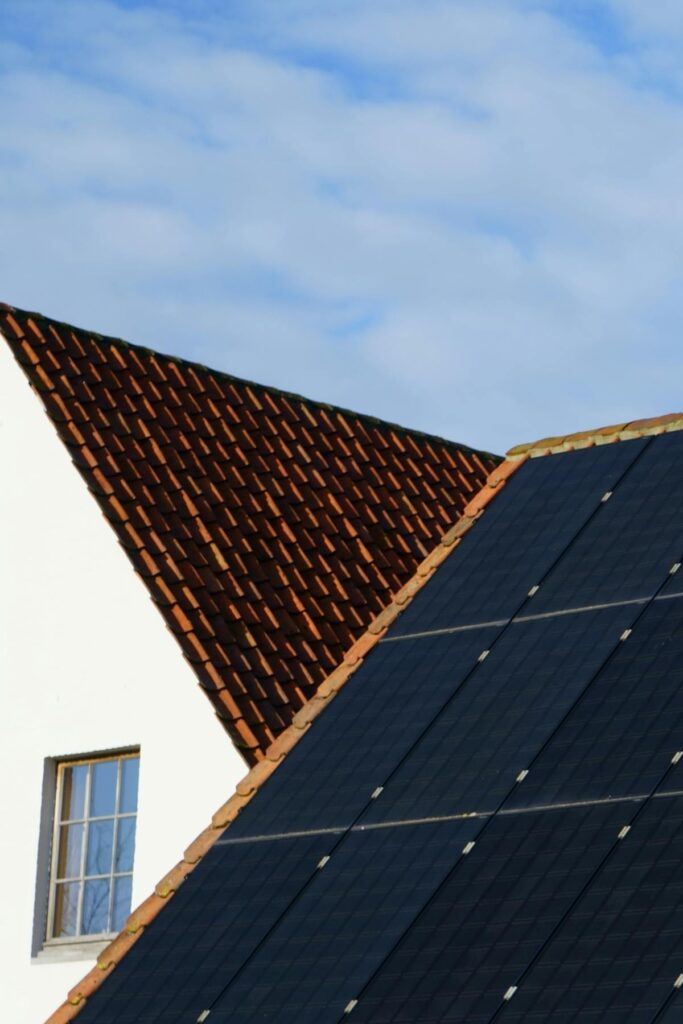
Solar panels are one of the most effective ways to reduce your electricity bills, but they do not suit every property. Before you request quotes or commit to an installation, it is worth checking whether your roof and home are a good fit. This checklist covers the key factors that determine whether solar panels will work well for your UK home.
Is Your Home Suitable for Solar Panels?
Most UK homes are suitable for solar panels, but several factors affect how much electricity your system will generate. Use this checklist to assess your property:
- Roof orientation — south-facing roofs generate the most energy, but east and west-facing roofs still produce 80–85% of maximum output
- Roof pitch — the ideal angle is 30–40 degrees; flat roofs work with angled mounting frames
- Shading — trees, chimneys and neighbouring buildings that shade your roof between 10am and 4pm will reduce output significantly
- Roof condition — your roof should be structurally sound with at least 20 years of life remaining before needing replacement
- Available space — a typical 4kW system needs around 16–20 square metres of unobstructed roof area
- Planning restrictions — most installations fall under permitted development, but listed buildings and conservation areas may need approval
- Electricity usage — solar works best if you use electricity during daylight hours or install a battery to store surplus energy
Even north-facing roofs can generate useful amounts of electricity, producing around 60% of a south-facing equivalent. If your roof is unsuitable, ground-mounted panels or solar carports are alternatives worth exploring. A reputable MCS-certified installer will carry out a free site survey to confirm your home’s suitability before you commit.
1. Roof Direction (Orientation)
The direction your roof faces has a significant impact on how much electricity your panels will generate. In the UK, due south is the optimal orientation. South-facing panels typically produce approximately 20% to 25% more electricity per year than east or west-facing panels.
That said, east and west-facing roofs are still viable. An east or west-facing system will typically generate around 80% of what a south-facing equivalent produces. For a typical 4kW system in England, that is still an estimated 2,700 to 3,400 kWh per year, which is enough to make a meaningful dent in your bills.
North-facing roofs are generally not recommended. They produce only approximately 50% to 60% of a south-facing system’s output, which makes the payback period much longer and may not justify the investment.
2. Roof Angle (Pitch)
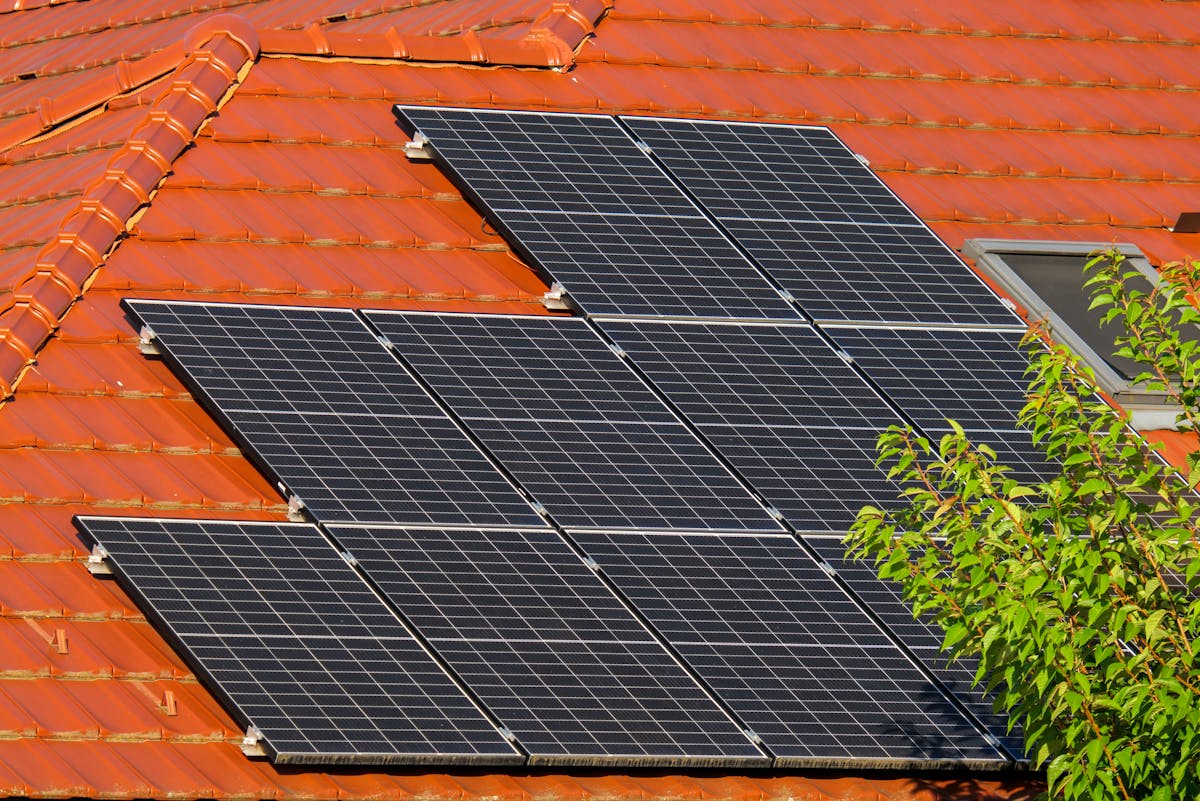
The ideal roof pitch for solar panels in the UK is between 30 and 40 degrees. This angle captures the most sunlight across the year, accounting for the UK’s latitude. Most pitched roofs in the UK fall within this range, so if your roof looks like a standard triangle profile, you are probably in a good position.
Flat roofs can also work. Panels are mounted on angled frames (typically set to around 15 to 20 degrees) to improve output. This does add slightly to installation costs and reduces the number of panels you can fit due to spacing requirements to avoid shading between rows.
3. Shading
Shading is one of the most important factors, and it is often more significant than orientation. Even partial shading from a chimney, tree, neighbouring building or satellite dish can reduce output substantially. A small amount of shade on one panel can affect the performance of an entire string of panels in older systems.
Modern systems use optimisers or microinverters that reduce the impact of partial shading, but prevention is better than mitigation. Walk outside at different times of day and note what casts shadows on your roof. Pay particular attention to winter months when the sun is lower and shadows are longer.
4. Available Roof Space
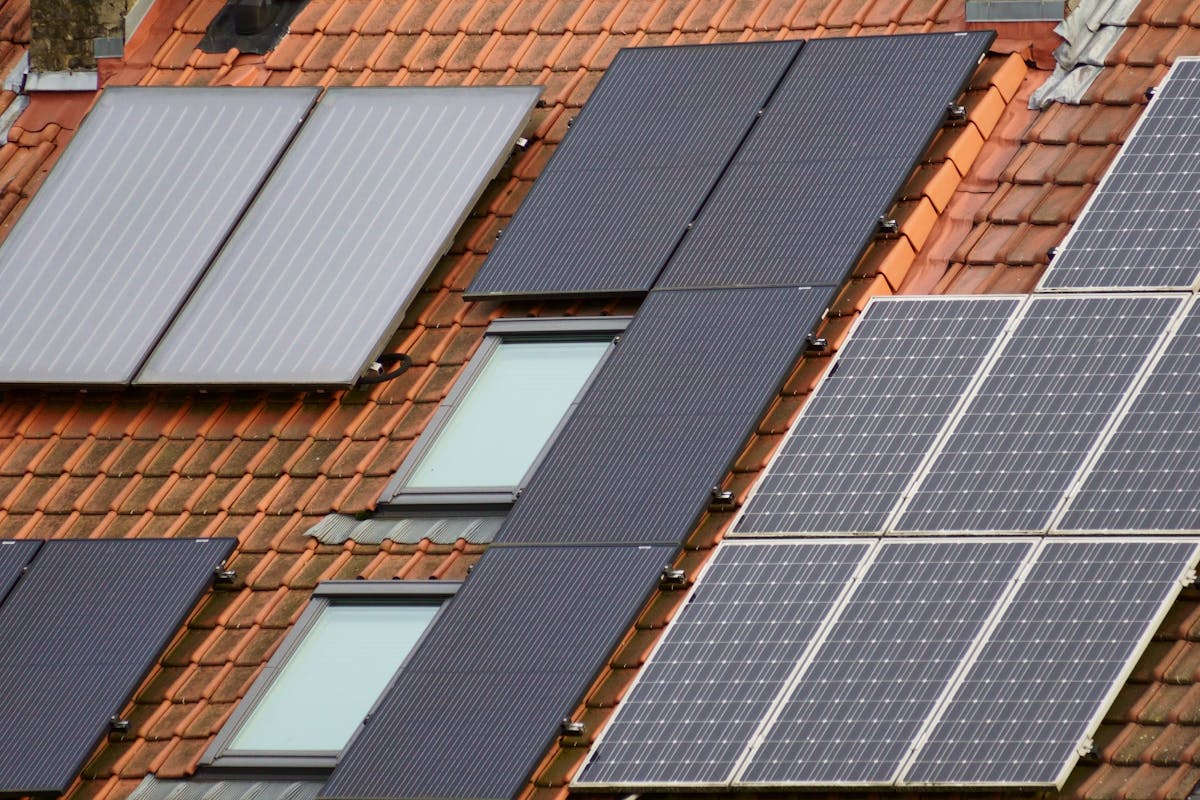
A standard residential solar panel measures approximately 1.7m by 1m. For a typical 4kW system (which is one of the most common sizes for UK homes), you will need approximately 8 to 10 panels. That requires a minimum of around 15 to 20 square metres of unobstructed roof space.
Remember to account for obstructions like roof windows, vents, and aerials. Your installer will carry out a detailed survey, but you can get a rough idea by measuring or estimating the clear area on your most suitable roof face.
5. Roof Condition and Structure
Solar panels typically last 25 to 30 years, so your roof needs to be in good condition before installation. If your roof tiles or felt are nearing the end of their life, it is far cheaper to replace them before panels go on rather than removing and refitting panels later.
The roof structure also needs to bear the additional weight. A typical solar panel weighs approximately 18 to 22kg, so a 10-panel system adds roughly 180 to 220kg to your roof. Most standard UK roofs can handle this without reinforcement, but older or unusual structures may need a structural check.
6. Planning Permission
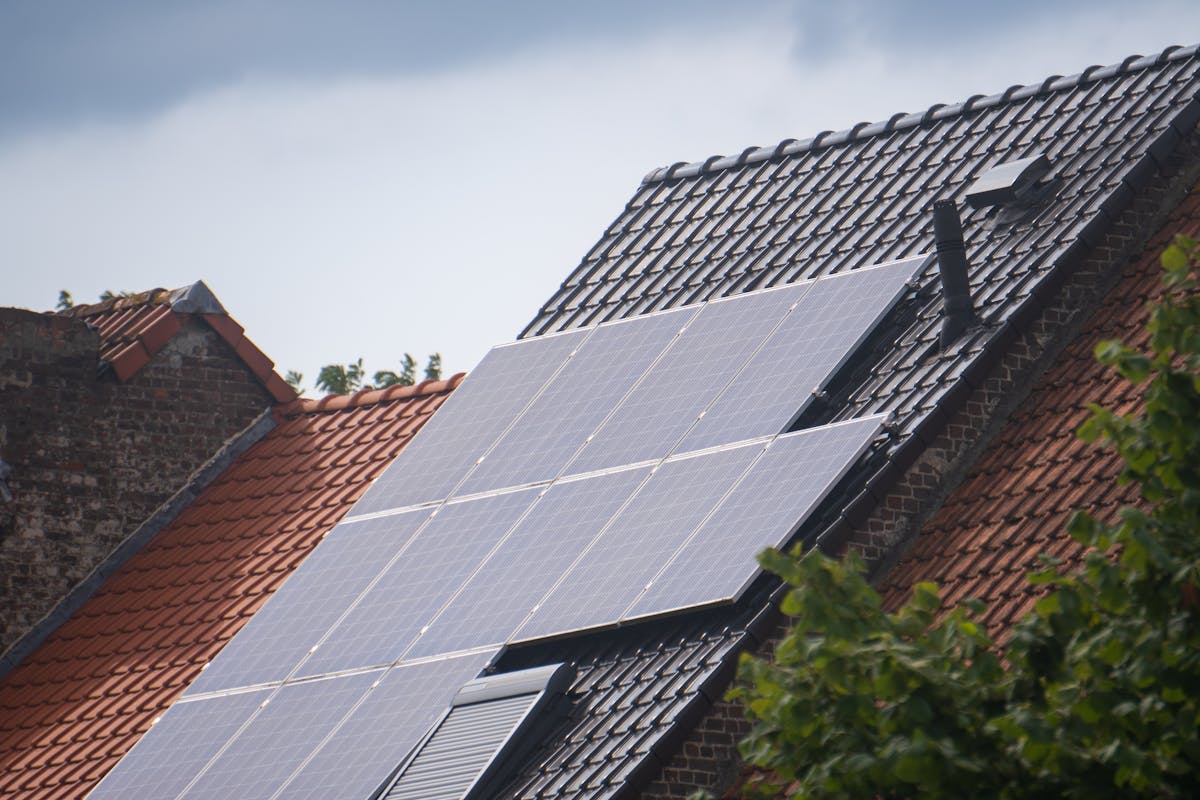
In most cases, solar panels on residential properties in England and Wales fall under permitted development rights, which means you do not need planning permission. However, there are exceptions:
- Listed buildings: you will need listed building consent before installing panels.
- Conservation areas: panels on a wall or roof that faces a highway may require approval.
- Flats and maisonettes: permitted development rights do not usually apply.
- Panels above the highest part of the roof (excluding the chimney): this is not permitted under standard rules.
If you are in any doubt, check with your local planning authority before proceeding. In Scotland, the rules are broadly similar but there are some differences for conservation areas.
7. EPC Rating
While an EPC (Energy Performance Certificate) is not strictly required to install solar panels, it is worth having an up-to-date one. If you plan to apply for finance schemes or sell your home, a current EPC that reflects your solar installation will show improved energy performance. Some grant schemes and lenders may also require a valid EPC as part of the application.
8. Grid Connection
Most residential solar installations connect to the grid, allowing you to export surplus electricity. Under the Smart Export Guarantee (SEG), energy suppliers with more than 150,000 customers must offer a tariff for exported electricity. Typical SEG rates in 2026 range from approximately 3p to 15p per kWh depending on the supplier and tariff type.
Your installer will handle the grid connection notification (known as a G98 or G99 application depending on system size). For most domestic systems under 3.68kW per phase, this is a simple notification rather than an application. Larger systems may require approval from your local Distribution Network Operator (DNO), which can take several weeks.
Quick Suitability Summary
- Best case: south-facing roof, 30 to 40 degree pitch, no shading, 15 to 20+ sqm of clear space, roof in good condition.
- Still viable: east or west-facing roof (approximately 80% of south-facing output), flat roof with frame mounts, minor shading with optimisers fitted.
- Probably not suitable: north-facing roof, heavy shading from trees or buildings, very small roof area, roof in poor condition or structurally weak.
Next Steps
If your home ticks most of the boxes above, solar panels are likely a good investment. A typical 4kW system in the UK costs approximately £5,000 to £7,000 installed, and with electricity priced at around 24.7p per kWh under the Q2 2026 price cap, the payback period is estimated at 7 to 10 years for a south-facing system.
The best way to get an accurate picture for your specific property is to get a survey and quote from an MCS-certified installer. They will assess your roof, model expected output for your exact location and orientation, and give you a clear cost and savings breakdown. Our free comparison service is launching soon — register your interest to compare options from vetted installers in your area when it goes live.
See what these numbers mean for your home
Free instant estimate — costs, savings, payback and grants for your region.

Related Articles
Is Solar Battery Storage Worth It in 2026?
Solar panels are now a common sight on UK rooftops, but the real game-changer in 2026 is battery storage. A home battery lets you store the electricity your panels generate…
2 June 2026
Why Spring Is the Perfect Time to Install Solar Panels
If you have been thinking about solar panels for a while but never quite pulled the trigger, spring is the moment to act. The combination of lengthening days, mild installation…
23 April 2026
How the Energy Price Cap Affects Heat Pump and Solar Panel Payback
See how the energy price cap affects heat pump and solar panel payback periods. Real calculations using current UK unit rates show why investing now locks in stronger returns.
15 April 2026